How to make safe sensory play foam for babies and toddlers
A step-by-step guide to making non-toxic sensory play foam safe for babies and toddlers, including ingredient choices, usage, and storage.
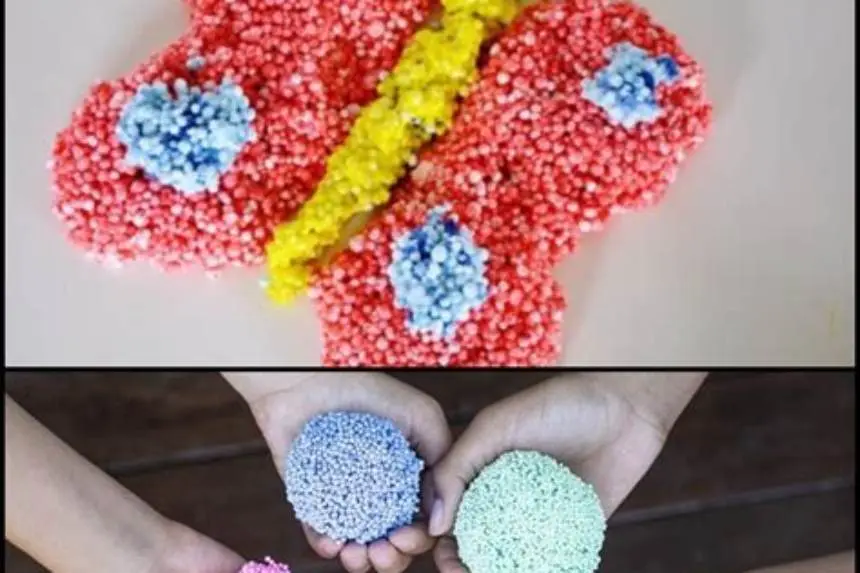
Make play foam safe for babies by mixing non-toxic liquid soap with water at a ratio of about 1 part soap to 5 parts water, then whipping it to create foam. Use mild, fragrance-free soap and avoid any additives to keep it safe and gentle on baby skin.
On this page (8 sections)
Part of our guide on how to clean foam play mat
Make safe, non-toxic sensory play foam that delights babies and toddlers with easy steps anyone can follow at home.
| Soap to water ratio | 1:5 parts |
|---|---|
| Foam lasting time | Up to 3 days |
| Safe age | 6 months+ |
| Supervision | Required always |
| Safe ingredients | Fragrance-free, mild soap |
The short version
- Use mild, fragrance-free soap to avoid irritation.
- Dilute soap with water roughly 1:5 for best foam texture.
- Always supervise babies during foam play for safety.
- Store foam in airtight containers for up to 3 days.
- Clean play areas and wash hands after use.
How to make non-toxic play foam
Start by selecting a mild, fragrance-free liquid soap suitable for sensitive skin. These soaps usually list simple, non-irritating ingredients, which makes them safe for babies and toddlers. Avoid any antibacterial or harsh chemical soaps.
Mix one part of the liquid soap with five parts of clean water to create the foam solution. The exact ratio depends on the soap's thickness and the softness of the foam you prefer; thinner soaps may need slightly less water.
Whip the mixture vigorously using a hand mixer or by shaking it in a sealed container until you get a light, airy foam. This foam is the sensory play material you will use.
Avoid adding any colors, scents, or glitter as these can irritate baby's skin or cause ingestion hazards. We cover do babies need play mats in its own article.

Baby Dove Care Baby Wash Fragrance-Free Moisture 1 Pack 34 oz
Provides a fragrance-free, hypoallergenic baby wash suitable for sensitive skin, ensuring gentle care without added fragrances.
Which ingredients are safe for babies
Only use liquid soaps labeled 'fragrance-free' and 'for sensitive skin' to minimize allergic reactions. Common safe ingredients include glycerin, water, and mild surfactants like decyl glucoside.
Avoid any products containing sulfates (SLS or SLES), parabens, dyes, and essential oils, as these can cause skin irritation or allergic responses in babies and toddlers.
If you want to add something extra, plain distilled water is the safest. Some parents add a tiny dash of baby shampoo: but only if it is clearly safe and approved for infants. There is more on babies starting to use pillows in a separate guide.
Always check the ingredient list. If any component is unfamiliar or chemical-sounding, leave it out.
In some cases, parents consider using natural additives like aloe vera gel or chamomile tea instead of plain water to improve the soothing properties of play foam. While these can be safe in very small amounts, you need to test the mixture on a small patch of baby’s skin first to rule out allergic reactions. For example, mixing 1 cup of fragrance-free soap with 4 cups of distilled water and 1 cup of cooled chamomile tea may create a gentler foam, but only if the baby shows no signs of irritation after testing.
Some liquid soaps marketed as baby products still contain preservatives like phenoxyethanol or benzyl alcohol, which, although generally safe in low concentrations, can cause rare sensitivities. If your baby has particularly sensitive or eczema-prone skin, consult your pediatrician before selecting a soap. Checking product labels for these preservatives can help avoid unexpected skin reactions. If that sounds like your situation, read up on stable walkers on carpet next.
How to use foam in sensory play safely
Use play foam only with close adult supervision. Babies under 1 year should never have unattended foam play because they might put it in their mouths or eyes.
Limit play sessions to about 15-20 minutes to reduce skin dryness or irritation. Always wash baby's hands and face promptly after play to remove any residue.
Keep foam away from eyes and mouth. If accidental contact occurs, rinse immediately with water.
Set up the sensory foam play on a washable surface or a tray to keep cleanup manageable and prevent slips from spilled foam.
The texture of the foam can influence how safely and enjoyably babies play with it. A denser foam holds its shape longer and is less likely to drip into eyes or mouth, while a lighter foam is more prone to collapse and spread. To test foam density, scoop a handful and gently squeeze; if water drips excessively, the foam is too thin and should be remixed with more soap or less water.
When planning sensory play sessions, consider the environment's temperature and humidity. High temperatures and dry air can cause the foam to dry out quickly, increasing the chance of skin dryness or irritation. Conversely, very humid conditions may make foam collapse faster and become sticky. Adjust playtime accordingly and have fresh foam ready if needed.
- Supervision– always stay within arm’s reach.
- Duration– limit to 15-20 minutes per session.
- Cleanup– wash hands and area immediately after.
- Environment– use on non-slip, washable surfaces.
How to clean or store homemade play foam
Store leftover play foam in an airtight container in a cool place to keep it fresh. The foam typically lasts 2 to 3 days before it breaks down or grows bacteria.
Before each reuse, check the foam for any signs of discoloration, smell changes, or mold. If you detect any, discard it immediately and make fresh foam.
Clean all containers, trays, and tools used with hot water and mild soap after each play session to prevent contamination.
Do not freeze the foam, as freezing breaks the foam structure and makes it unusable.
If you plan to reuse the foam multiple times during a single day, keep it covered tightly with plastic wrap or a lid to prevent it from drying out or collecting dust and airborne particles. Before each use, gently rewhip the foam to restore its airy texture. If the foam feels sticky or slimy after storage, it is best to discard it to avoid skin irritation.
Avoid storing play foam in warm places, such as near heaters or direct sunlight, because heat accelerates bacterial growth and foam breakdown. A cool cupboard or refrigerator works best. When refrigerated, the foam may slightly thicken; allow it to warm to room temperature before use for best texture.
- Pour foam into clean airtight container after play.
- Store in refrigerator or cool room, away from direct sunlight.
- Inspect foam daily for spoilage.
- Discard if foam changes color, smell, or texture.
How to make play foam
The basic recipe for play foam is simple: combine liquid soap and water at about a 1 to 5 ratio, then whip to create foam. Using too little water makes the foam dense and sticky; too much water results in weak foam that collapses quickly.
Here is a step-by-step guide to make it at home:
1. Pour 1 cup of fragrance-free liquid soap into a large bowl.
2. Add 5 cups of clean water at room temperature.
3. Mix gently to combine without creating foam yet.
4. Use a hand mixer or whisk to whip the liquid until a thick foam forms on top.
5. Scoop the foam into a tray or container for play.
Adjust the water ratio slightly depending on foam thickness or soap brand.
- Measure 1 part fragrance-free liquid soap.
- Add 5 parts clean water and mix slowly.
- Whip mixture with hand mixer or whisk until foamy.
- Transfer foam to play container or tray.
- Discard any leftover foam older than 3 days.
Safety notes for baby sensory play foam
Sensory play foam is great for tactile exploration but carries risks of ingestion, eye contact, and skin irritation. Always watch your baby closely and stop play at any sign of distress.
Foam should not replace toys or activities designed for mouthing or chewing. It is an add-on, supervised sensory experience only.
Avoid storing or reheating foam for too long because bacteria can grow quickly in moist environments, even with soap present.
If your baby has any skin condition or allergies, test a small amount on the arm first and wait 24 hours to check for reactions.
Questions people still ask
Can I use dish soap to make play foam?
Dish soaps often contain harsher chemicals and fragrances not safe for babies. Always choose a mild, fragrance-free baby or sensitive skin liquid soap instead.
Is homemade play foam safe to swallow?
No. Even with safe ingredients, play foam is not edible and can cause choking or stomach upset if swallowed. Always supervise babies closely.
How long does homemade play foam last?
Homemade foam keeps fresh about 2-3 days in an airtight container when refrigerated. Discard if it changes color or smell.
Can I add color or glitter to play foam?
Adding colors or glitter can introduce irritants or choking hazards. It’s best to keep the foam plain and non-toxic for babies.
What is the safest age to start play foam with toddlers?
Most experts recommend starting sensory foam play at about 6 months, when babies have better head control and less mouthing behavior.