When can babies start using pillows safely and what about memory foam?
Babies should not use pillows before 12 months due to risks of suffocation and SIDS. Memory foam pillows are unsafe for newborns because they can trap air. Toddlers may start using pillows after 12 months if they can move freely and show no breathing issues.
On this page (8 sections)
- What matters most
- When can babies safely start using pillows
- Are memory foam pillows safe for newborns
- Age recommendations for toddlers starting pillows
- Risks of early pillow introduction for infants
- How to choose a safe pillow for toddlers
- Practical steps for introducing pillows safely
- Questions people still ask
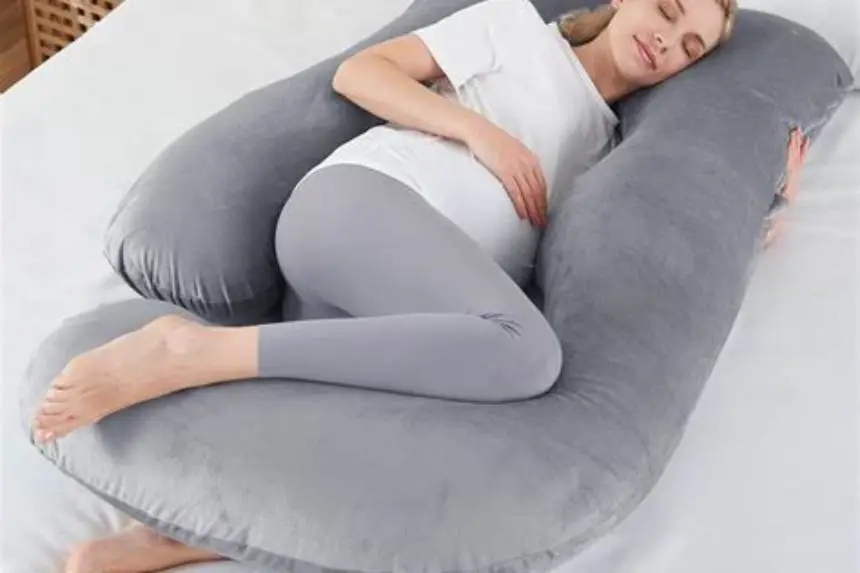
Part of our guide on how to sleep with maternity pillow
The numbers
- Safe pillow age
- 12 months
- Memory foam for newborns
- Not safe
- Toddler pillow start
- 12-18 months
- Suffocation risk
- High under 12 months
- Pillow firmness
- Firm and breathable
What matters most
- Never use pillows for babies under 12 months due to suffocation risk.
- Memory foam pillows can obstruct breathing and are not safe for infants.
- Toddlers over 12 months might use pillows if supervised and safe.
- Choose firm, breathable pillows meeting infant safety standards.
- Consult pediatric guidance for specific developmental readiness.
When can babies safely start using pillows
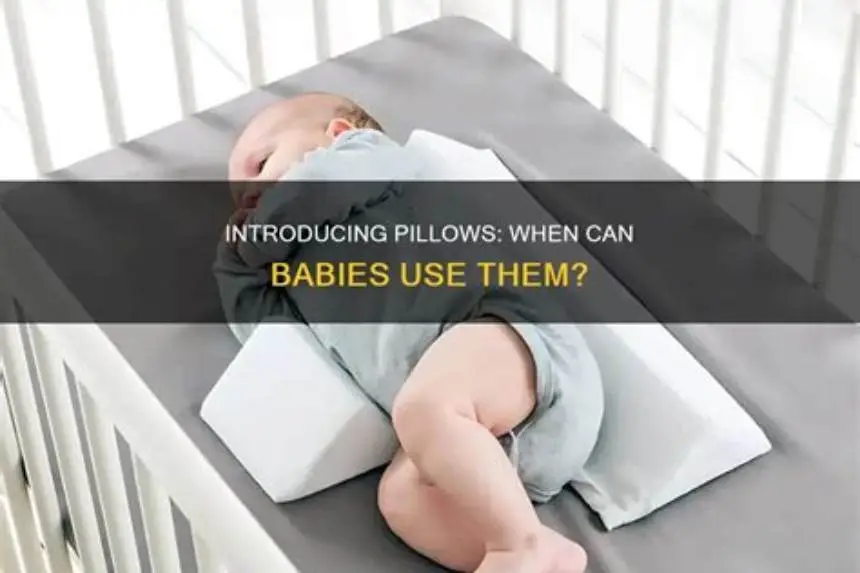
Babies can usually start using pillows safely after they reach 12 months old, a recommendation based on reducing risks of suffocation and Sudden Infant Death Syndrome (SIDS). Before this age, babies have limited neck strength and cannot reposition themselves if their breathing is obstructed. Introducing pillows earlier increases the danger of airway blockage.
The exact timing depends on your baby's development, including their ability to roll over, lift their head, and push up from lying down. Most pediatricians agree that once your child can move freely during sleep, they are less likely to become trapped under a pillow. You should also consider the sleep environment; a crib with a firm mattress and no loose bedding or soft objects is safest.
Be cautious with bedding and avoid pillows for babies younger than 12 months, even if they seem comfortable with one. The American Academy of Pediatrics advises against pillows for infants under this age, as the risk of accidental suffocation outweighs any comfort benefit.
Are memory foam pillows safe for newborns
Memory foam pillows are not safe for newborns and infants under 12 months. These pillows conform closely to shapes, which can cause the baby's face to sink and restrict airflow. Since newborns cannot reposition their heads effectively, memory foam increases the risk of suffocation and overheating. We go through my pillow availability today step by step elsewhere on the site.
Memory foam tends to retain heat, which is another risk factor for SIDS. Newborns regulate their body temperature poorly, so a pillow that traps warmth and restricts air circulation is unsuitable. For these reasons, pediatricians and safety organizations strongly recommend avoiding memory foam pillows for any child under 12 months.
If you want to provide head support once your baby is older, look for firm, breathable pillows designed specifically for toddlers that do not conform excessively or trap heat. These will be much safer and promote healthy sleep posture without the risks associated with memory foam.
Age recommendations for toddlers starting pillows
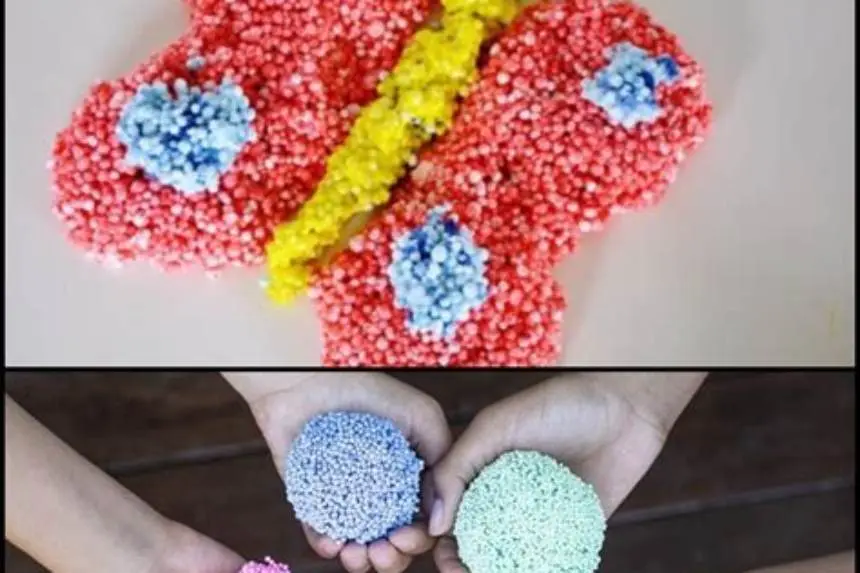
Toddlers may start using pillows once they reach about 12 to 18 months, depending on their physical development and sleeping habits. At this stage, most toddlers have enough muscle control to move their heads and bodies during sleep, lowering the risk of airway obstruction. It helps to understand homemade play foam guide before going further.
When choosing a pillow for toddlers, opt for one that is thin and firm with breathable materials to prevent overheating and suffocation hazards. Toddlers should be able to push the pillow away if it feels uncomfortable. Avoid overly soft or thick pillows designed for adults, as these can still pose risks.
Each child is different. Observe if your toddler tries to avoid the pillow or consistently moves it away during sleep, which may indicate they do not need one yet. Safety standards for toddler pillows require certain firmness and size limits; always look for products compliant with these guidelines.
- Toddler pillow age: generally 12-18 months.
- Pillow type: thin, firm, breathable is best.
- Child’s control: must be able to move pillow away easily.
- Avoid adult pillows; use toddler-specific designs.
Risks of early pillow introduction for infants
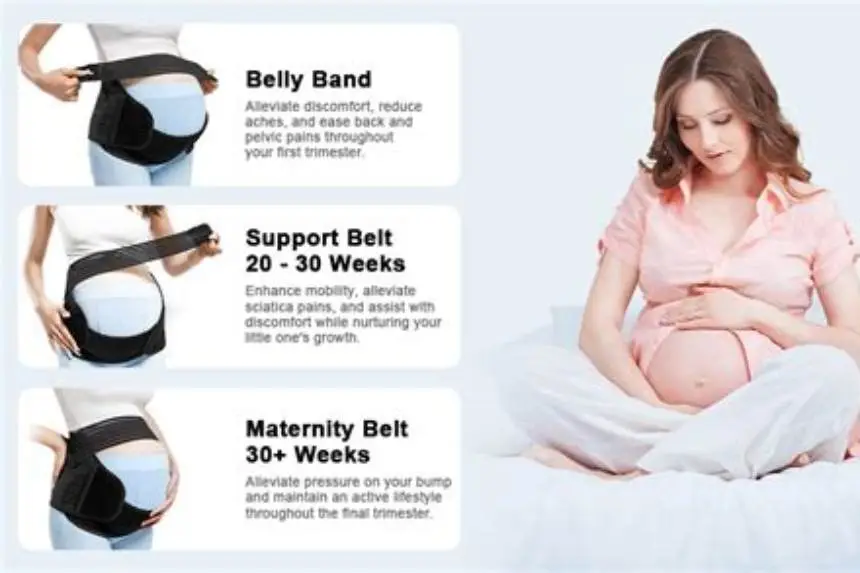
Introducing pillows before 12 months can lead to serious safety hazards. Infants under one year have limited motor skills and weaker neck muscles, which means they cannot reposition themselves if their face becomes covered or their breathing is blocked. This causes an increased risk of suffocation and SIDS. We cover wearing maternity belt safely in its own article.
Soft pillows or those made with materials that conform to the face, like memory foam, exacerbate this risk. Early pillow use can also increase overheating, another recognized SIDS risk factor. Loose bedding and pillows together create a hazardous sleep environment.
Even a flat pillow or rolled-up blanket can pose dangers. Experts advise keeping the crib clear of anything soft, including pillows, for babies younger than 12 months. This recommendation applies regardless of family or cultural customs that might encourage early pillow use.
How to choose a safe pillow for toddlers
When your child is ready to use a pillow, choose one designed for toddlers with clear safety features. It should be firm to prevent face sinking, thin enough to avoid elevating the head excessively, and made of breathable materials to reduce heat retention.
Pillow covers that are washable and hypoallergenic help maintain hygiene. Avoid synthetic fills that trap heat or compress easily. Look for certifications or standards indicating the pillow meets safety requirements for young children, such as fire resistance without harmful chemicals.
Always monitor how your toddler interacts with the pillow during sleep. If they repeatedly push it away or don’t seem to use it, you might wait longer before introducing one. A firm crib mattress and appropriate sleep clothing are the best comfort supports for infants and toddlers alike.
- Firm and thin pillows reduce suffocation risk.
- Breathable fabric prevents overheating.
- Washable, hypoallergenic covers improve hygiene.
- Compliance with safety standards is essential.
Practical steps for introducing pillows safely
Follow these steps when you decide to introduce a pillow to your toddler's sleep setup:
1. Confirm your child is at least 12 months old and shows good head and neck control.
2. Choose a toddler-specific pillow: firm, thin, and breathable.
3. Introduce the pillow during supervised naps first to observe how your toddler tolerates it.
4. Ensure the sleep area remains free of other soft objects and loose bedding.
5. Monitor your child’s behavior around the pillow; if they seem uncomfortable, remove it.
6. Gradually transition to using the pillow regularly if all signs remain positive.
These steps reduce risk and help you gauge your child’s readiness.
- Confirm age and development suitable for pillow use.
- Select an appropriate toddler pillow with safety features.
- Try the pillow in supervised naps initially.
- Keep sleep environment free from other soft objects.
- Watch your child’s comfort and reactions.
- Increase pillow use based on tolerance.
Questions people still ask
Why are pillows unsafe for babies under 12 months?
Pillows increase the risk of suffocation and SIDS because infants under 12 months cannot reposition their heads or clear obstructed airways effectively.
Can memory foam pillows cause overheating in babies?
Yes, memory foam traps heat due to its dense structure, which can lead to overheating, increasing the risk of SIDS in babies.
How can I tell if my toddler is ready for a pillow?
A toddler with good neck control who can move their head and body during sleep is more likely ready. Observe if they try to move or avoid the pillow.
Are all toddler pillows the same in safety standards?
No, toddler pillows vary in firmness, thickness, and breathability. Choose pillows with safety certifications to ensure they meet recommended standards.
What should I do if my baby refuses a pillow after 12 months?
If your child avoids the pillow, do not force it. Continue providing a safe sleep environment without it until they show interest or readiness.