When a baby really needs a play mat and what features fit their age and stage
Understand precisely when a play mat benefits your baby and which features align with their stage of development.
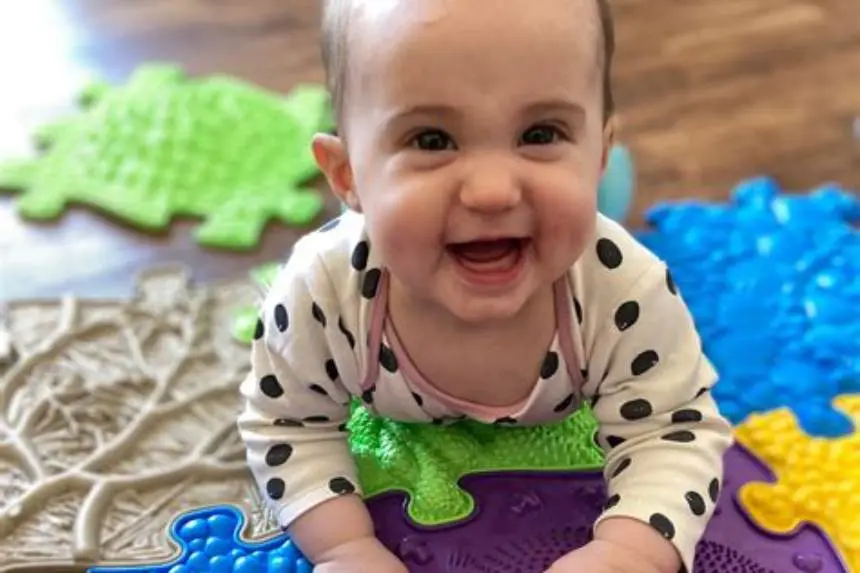
A play mat becomes necessary when a baby reaches the stage for tummy time, typically around 1-3 months old, to provide comfort and support. Features like tummy time pillows and sensory toys should match the baby’s age and developmental milestones.
On this page (8 sections)
- The short version
- Are play mats necessary for babies and when do you need one
- What benefits do baby activity gym play mats offer
- How does a play mat with tummy time pillow help and when can you use it
- Is sensory play important and how do black and white play mats aid newborns
- What play mats and features work well for cars and trucks play
- How do Montessori play shelves with storage complement play mats
- Questions people still ask
Part of the guide: How to clean foam play mats and big foam gym blocks safely at home
Pinpoint exactly when a play mat is vital for your baby and which features match their developmental stage.
| Tummy time start | 1-3 months |
|---|---|
| Tummy time pillow age | 1+ month |
| Sensory play importance | High |
| Black & white mat use | Birth-2 months |
| Activity gym use | 0-6 months |
The short version
- Play mats support tummy time from 1-3 months, aiding motor skill development.
- Activity gyms integrate sensory play, suitable from newborn to 6 months.
- Tummy time pillows are best for babies over 1 month with some head control.
- Black and white mats stimulate newborns’ vision, effective up to 2 months.
- Choose play mats with age-appropriate features to match developmental needs.
Are play mats necessary for babies and when do you need one
Play mats are not strictly necessary for all babies but become essential when you want to encourage safe and comfortable tummy time starting at about 1 month of age. Tummy time helps develop neck, shoulder, and arm muscles and reduces the risk of flat head syndrome.
A typical play mat provides a clean, padded surface that protects babies from cold floors and hard impacts during movement. Without such a surface, babies might avoid tummy time or have less exploratory play.
Families with limited floor space or colder climates benefit most from mats that are at least 1-2 cm thick with soft, wipeable materials. Thin mats or blankets on hard floors provide less support and may defeat the purpose of encouraging longer tummy time sessions.
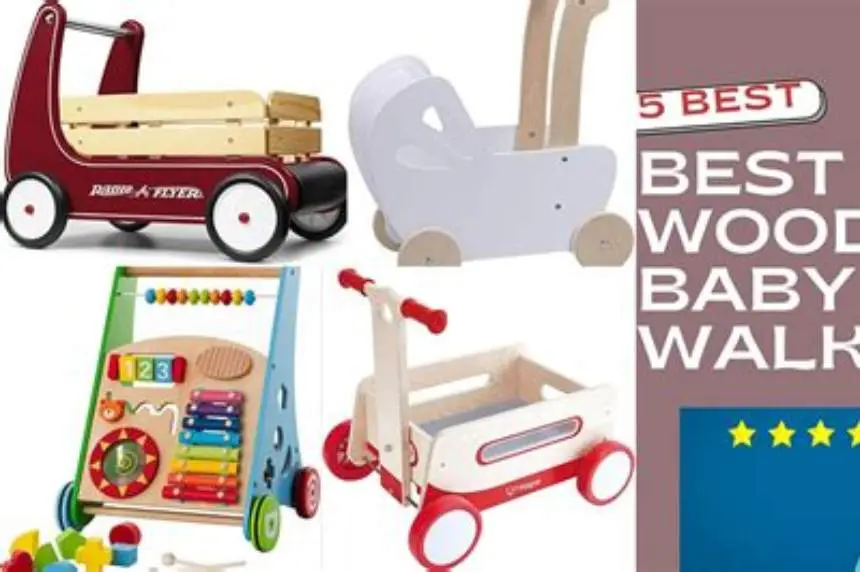
When considering the necessity of a play mat, the baby’s environment and parental lifestyle also matter. For example, in households with hardwood or tile floors, a thicker mat of around 2-3 cm cushioning significantly reduces the risk of bruises during active play compared to thin mats or rugs. Parents who travel or visit frequently might prefer foldable or rollable mats with compact dimensions, around 90x90 cm, that easily fit into bags for portable use. We cover best wooden baby walker in its own article.
Some babies may resist tummy time initially, which can be discouraging for caregivers. Using a play mat with engaging designs or paired with favorite toys can encourage longer sessions. Monitoring the baby’s comfort on the mat is critical: if the baby fusses or becomes irritable quickly, a softer mat or a mat combined with a tummy time pillow can improve tolerance and maximize benefits. Checking the mat’s non-slip backing is also essential to prevent slipping on smooth surfaces, ensuring safety during movement.

Blissful Diary 1.3" Thick Baby Play Mat
Provides a 1.3 inch thick foam padding that cushions and protects babies learning to crawl or play, with a wipeable, washable cover.
What benefits do baby activity gym play mats offer
Activity gym play mats extend the basic mat by adding arches with hanging toys that stimulate visual and tactile senses. These are suitable from birth up to 6 months when babies begin reaching and grasping.
Sensory stimulation through bright colors, varied textures, and sounds encourages neural development and hand-eye coordination. The inclusion of a mirror supports self-recognition starting around 3 months. We go through carpet-friendly baby walkers step by step elsewhere on the site.
Unlike basic mats, activity gyms provide an interactive environment that encourages reaching, batting, and rolling, which assists developmental milestones tied to motor and cognitive growth.
The arches on activity gym mats are often detachable, allowing parents to customize the play area as the baby grows. For instance, between 3 to 6 months, removing certain toys while adding others that encourage grasping or cause-and-effect understanding can keep the play mat stimulating without overwhelming the baby.
A typical activity gym mat weighs around 1 to 2 kilograms, making it feasible to move between rooms or take on trips. Parents should look for machines washable mats or those with waterproof surfaces to simplify cleaning after spills or drooling, which are common during teething phases.
| Type | Age Range | Key Features | Developmental Benefits |
|---|---|---|---|
| Basic Play Mat | 1-12 months | Padded surface | Tummy time, safe play area |
| Activity Gym Play Mat | 0-6 months | Arches, toys, mirror | Sensory, motor skills, self-recognition |
| Play Mat with Tummy Time Pillow | 1-6 months | Support pillow | Head lifting, neck strength |
- Interactive play
- Supports multiple senses
- Encourages reaching and grasping
- Takes up more space
- May be more expensive
- Some toys can be too stimulating for newborns
How does a play mat with tummy time pillow help and when can you use it
A tummy time pillow provides gentle elevation under a baby's chest and arms, encouraging them to lift their head and strengthen neck muscles. This is most helpful from around 1 to 3 months when babies begin developing upper body strength but need extra support.
The pillow should be firm enough to support but soft enough to avoid discomfort. It usually measures about 10-15 cm in height and has a non-slip base to keep it stable during use.
Do not use a tummy time pillow for newborns younger than 1 month or those lacking any head control as it may hinder natural development or cause unsafe positioning.

Taf Toys Tummy Time Support Toy with Detachable Toys for Newborn & Up
Supports baby chest during tummy time with a 3.94 inch height tummy time pillow, providing ergonomic support and interactive toys.
Is sensory play important and how do black and white play mats aid newborns
Sensory play is crucial for brain development in babies, particularly in the first 2-3 months, when visual systems are still maturing. Black and white play mats offer high-contrast patterns that newborns can distinguish more easily than color.
Using a black and white mat can help focus a newborn’s vision and encourage them to track shapes and patterns, developing early visual and cognitive skills.
These mats usually feature bold geometric patterns and should be used during the newborn phase, typically birth to 2 months, before introducing colorful stimuli as the baby's vision sharpens.
The contrast advantage of black and white mats is supported by research indicating newborns respond best to high-contrast visuals within a viewing distance of about 20-30 cm from their eyes. Positioning the mat within this range during supervised play can optimize the developmental impact.
An effective check for using a black and white mat is observing whether the baby visually tracks the patterns or attempts to focus on the shapes. Lack of engagement might indicate the baby is ready for more colorful stimuli or requires a different play environment. This transition generally occurs around 8-10 weeks, aligning with the baby's improving color vision and attention span.
What play mats and features work well for cars and trucks play
For babies and toddlers interested in cars and trucks, play mats featuring road maps and vehicle designs can enhance imaginative play and spatial awareness. These mats usually measure about 120x180 cm to allow enough space for multiple toy vehicles.
Mats with printed roads, parking spaces, and traffic signs encourage toddlers to engage in pretend driving and organizing play, which supports fine motor and problem-solving skills.
Choose mats made from durable, wipe-clean materials since toddlers tend to play actively and might spill snacks or drinks during play sessions.
How do Montessori play shelves with storage complement play mats
Montessori play shelves store toys at child’s eye level, encouraging autonomy and organized play in toddlers. Combined with a play mat, they create a defined play area promoting independence.
Shelves usually measure around 90-100 cm wide and 50-60 cm tall, with open compartments for easy access. The mat provides a safe, soft landing area for play.
This setup supports developmental milestones such as sorting, choosing, and putting away toys, fostering responsibility and spatial skills.
Play mats are needed beginning at tummy time, with features tailored to baby’s age enhancing development and engagement.
Questions people still ask
Is a play mat good for baby development?
Yes, play mats encourage tummy time and sensory exploration, both vital for muscle development and brain growth in early months.
At what age can you use a tummy time pillow safely?
Tummy time pillows are generally safe starting around 1 month old when the baby shows some head control, but always under supervision.
What makes a black and white play mat special for newborns?
High contrast black and white patterns stimulate a newborn's underdeveloped vision, helping them focus and track shapes better than colors.
Are sensory elements on play mats important?
Yes, sensory features like textures, sounds, and mirrors promote cognitive and motor skills by engaging multiple senses during play.
Can play mats be used for toddlers’ car and truck play?
Definitely. Road map mats support imaginative and spatial play for toddlers interested in vehicles, helping fine motor skills and creativity.
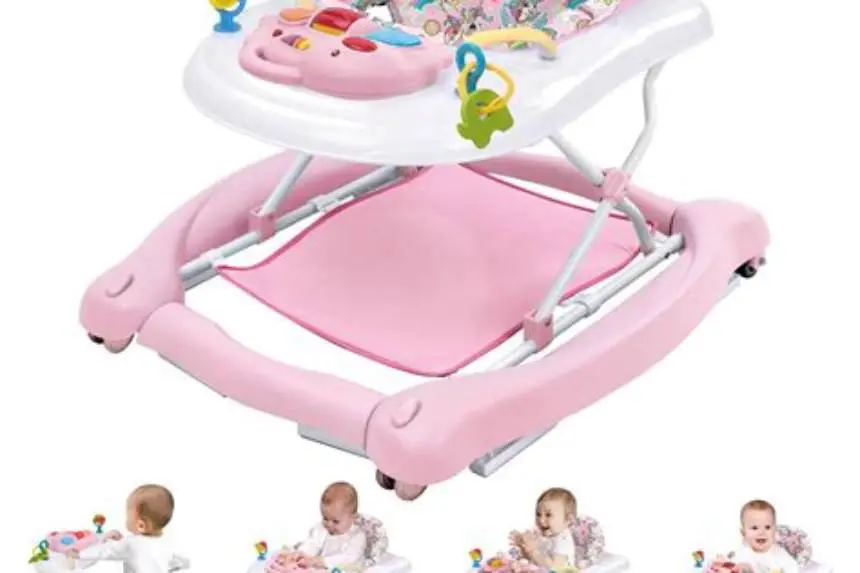
How does a play walker with activity tray differ from a play mat?
Play walkers aid mobility and balance skills for toddlers, whereas play mats focus on early developmental stages like tummy time and sensory play.