How to clean foam play mats and big foam gym blocks safely at home
Clean foam play mats and big foam gym blocks by spot-wiping with mild soap and water, avoid harsh chemicals, and dry thoroughly. For large foam gym slides, clean with diluted soap solution and rinse well to keep the foam intact and safe.
On this page (8 sections)
- What matters most
- How to clean foam play mats
- Cleaning big foam blocks for play gyms
- Cleaning foam play gyms with slides
- Cleaning and comparing rubber mats for kids' play areas
- Step-by-step cleaning process for foam play mats and gym blocks
- When rubber mats are better than foam mats for kids' play areas
- Questions people still ask
Part of our guide on benefits of using a play mat
The numbers
- Cleaning solution
- Mild soap and water
- Drying time
- Several hours air dry
- Avoid
- Bleach and harsh chemicals
- Spot cleaning
- Recommended for foam blocks
- Material types
- Foam vs rubber mats
What matters most
- Use mild soap and water for cleaning foam mats to avoid damage
- Avoid soaking large foam blocks; spot clean them instead
- Dry foam mats completely to prevent mold and odor
- Use diluted soap for foam gyms with slides and rinse thoroughly
- Rubber mats clean differently and may suit some play areas better
How to clean foam play mats
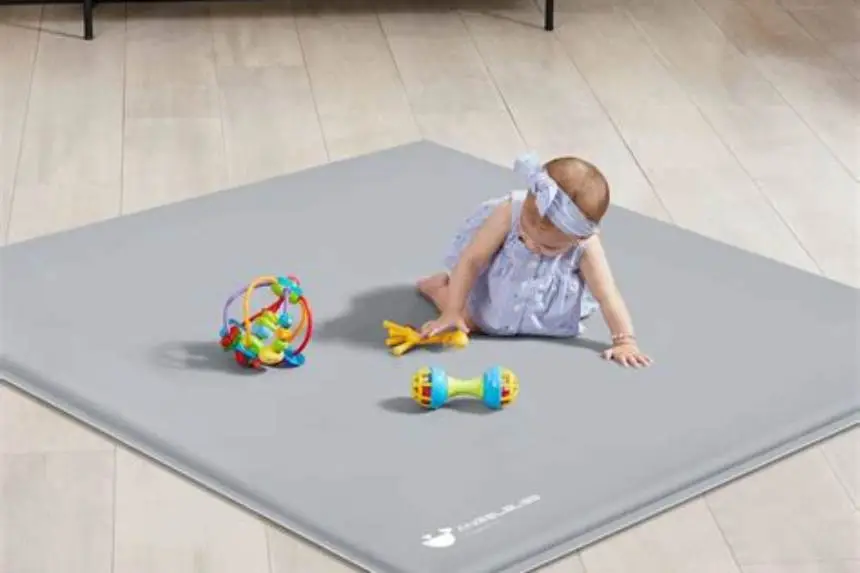
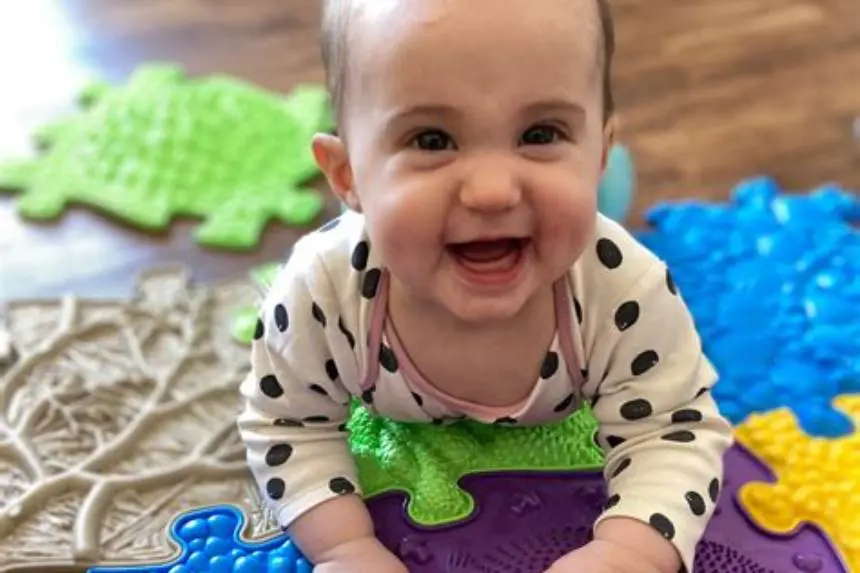
Foam play mats typically require gentle cleaning methods to maintain their integrity. Use a solution of mild dish soap diluted in warm water; harsh chemicals can degrade the foam or remove safety coatings. Apply with a soft cloth or sponge, wiping the surface carefully to avoid saturating the foam.
Focus on spot cleaning stains or spills immediately. For larger areas, wipe down the entire mat surface but avoid soaking it, as foam absorbs water and takes long to dry, which can cause mold growth. After cleaning, air dry the mat flat in a well-ventilated area for at least 4-6 hours depending on humidity and thickness.
Avoid using abrasive scrubbers or bleach-based cleaners. Those can cause foam breakdown and irritate baby skin. Always test your cleaning solution on a small, inconspicuous area first to check for colorfastness or damage.

ATTITUDE Baby Bottle & Dish Soap
Cleans foam play mats gently with a non-toxic, fragrance-free formula verified by EWG, ensuring safety for babies.
Cleaning big foam blocks for play gyms
Large foam blocks for gyms are more sensitive to moisture because of their size and weight. Spot cleaning is the safest approach. Use a damp cloth with mild soap water to clean the surface stains or dirt. Avoid submerging or rinsing the blocks, as they absorb water deeply and take days to dry. For the detail, see our notes on making safe sensory play foam.
If the blocks have removable covers, check the manufacturer’s care label. Covers often can be machine washed on gentle cycle but must be air dried fully before reassembly.
To disinfect, a solution of diluted vinegar and water may be lightly sprayed on the surface and wiped off quickly, ensuring no saturation. Avoid bleach or harsh disinfectants, which can degrade the foam structure and irritate children.
When cleaning foam blocks with removable covers, you need to ensure the covers are completely dry before putting them back on. Damp covers trapped against the foam can create a breeding ground for mold and mildew, which not only damages the foam but can also cause unpleasant odors and potential health issues for children. After machine washing, allow covers to air dry flat or hang them in a well-ventilated place for at least 12 hours, depending on the fabric thickness and humidity. We cover monitoring room noise levels in its own article.
For deeper cleaning without soaking, you can use a steam cleaner on the block surfaces if the manufacturer permits. The steam should be applied lightly and quickly wiped off to avoid excess moisture. This method can help sanitize without harsh chemicals and reduce allergens, but always test a small area first and avoid prolonged steam exposure to prevent foam deformation.
Cleaning foam play gyms with slides
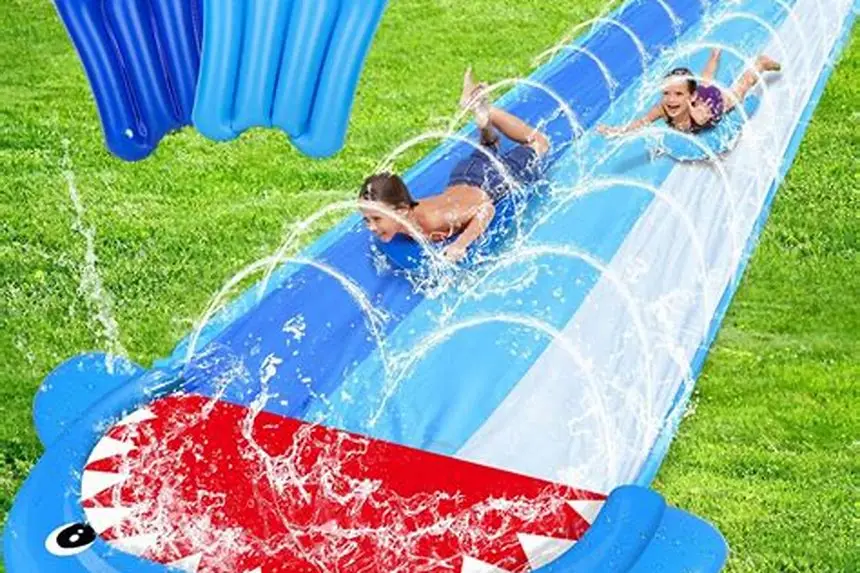
Foam gyms with slides combine foam surfaces and hard plastic or vinyl slide parts. Clean the foam parts gently with mild soap diluted in water, applied by soft cloth or sponge. Avoid water pooling on foam; wipe off excess moisture immediately.
For plastic slide surfaces, use a mild all-purpose cleaner or diluted dish soap and water, rinsing with clean water afterward to avoid slippery residues. Dry plastic thoroughly to prevent slips. Before you commit to anything, it is worth looking at how long should baby play on activity mat.
Check seams and joints for trapped dirt. Use a soft toothbrush dipped in soapy water to clean crevices gently. Avoid chemical cleaners that may discolor or degrade either foam or plastic.
- Mix mild dish soap with warm water
- Wipe foam parts gently without soaking
- Clean plastic slide with soapy cloth then rinse
- Dry both foam and plastic surfaces fully
- Inspect and clean seams carefully with soft brush
Cleaning and comparing rubber mats for kids' play areas
Rubber mats differ significantly from foam mats in cleaning and durability. They usually handle water and harsher cleaners better but can still degrade with bleach or strong solvents.
Rubber mats can be cleaned with diluted vinegar solutions or mild detergents and rinsed thoroughly. They dry faster than foam and resist mold better, making them better suited for damp environments or heavier use. We cover avoiding common water slide risks in its own article.
Choosing between foam and rubber mats depends on your child’s play needs. Foam mats offer softer cushioning but require gentler care and dry slowly. Rubber mats offer durability and easier cleaning but have a firmer feel and may lack the cushiness some babies prefer.
Consider your home’s climate, storage, and cleaning frequency when selecting mat type for safety and longevity.
| Feature | Foam Mats | Rubber Mats |
|---|---|---|
| Cleaning method | Mild soap, spot clean, avoid soaking | Mild soap or vinegar, can rinse |
| Drying time | Several hours to days | Quick, usually under 1 hour |
| Durability | Can degrade with harsh chemicals | Resistant to cleaners and water |
| Comfort | Soft and cushioned | Firm but supportive |
| Mold risk | High if wet too long | Lower due to water resistance |
- Durable and water-resistant
- Easier cleaning and fast drying
- Less cushioned than foam
- Can be slippery when wet
Step-by-step cleaning process for foam play mats and gym blocks
Cleaning foam mats and blocks properly involves a careful multi-step process to keep them safe and durable. First, remove loose debris by vacuuming or shaking off dirt. Then prepare a cleaning solution of mild dish soap and warm water.
Next, use a soft cloth or sponge dampened (not soaked) with the solution to wipe the mat surface. For tougher spots, gently scrub without abrasive tools. If cleaning large foam blocks, spot-clean only and avoid saturating the foam.
Once cleaned, wipe the mats again with a cloth dampened with clean water to remove soap residue. Dry the mat flat in a well-ventilated area for several hours to prevent moisture trapping. For foam gyms with slides, also clean plastic parts with mild soap and water, rinse, and dry fully.
Repeat this cleaning routine monthly or as needed based on use and visible soil to maintain cleanliness and safety.
- Remove loose dirt by vacuuming or shaking off
- Prepare mild soap and warm water solution
- Wipe foam surface with a damp cloth; spot clean blocks
- Rinse with clean damp cloth to remove soap
- Air dry mats flat for 4-6 hours or more
- Clean plastic slide parts with mild soap, rinse, dry
When rubber mats are better than foam mats for kids' play areas
Rubber mats generally outperform foam mats in durability and ease of cleaning, especially in damp or heavy-use environments. They dry quickly and resist mold, making them ideal for basements, garages, or outdoor play areas.
If your child has sensory sensitivities that require softer or cushioned surfaces, foam is still the preferred choice despite higher maintenance. Rubber mats tend to be firmer and less forgiving on falls but offer superior longevity and are often fire-resistant.
Budget is another factor; rubber mats can be more expensive upfront but usually last longer. Foam mats may need more frequent replacement due to wear or damage from cleaning chemicals.
Evaluate your household’s priorities: easy clean-up and moisture resistance, or softer cushion and lightweight portability.
- Long-lasting and water-resistant
- Faster drying and easier maintenance
- Less cushion for falls
- Can feel hard for babies
Questions people still ask
Can I use bleach to disinfect foam play mats?
No, bleach can degrade foam material and cause skin irritation. Use mild soap or diluted vinegar solutions instead.
How often should I clean foam play mats?
A monthly cleaning routine is usually sufficient, but clean spills or visible dirt immediately to prevent stains and bacteria buildup.
Are rubber mats safer than foam mats for toddlers?
Rubber mats are more durable and water resistant but firmer. Foam mats offer better cushioning for falls but need gentler care.
How do I dry foam gym blocks after cleaning?
Air dry them flat in a well-ventilated area for several hours to days until completely dry to prevent mold.
Can foam play mats be machine washed?
Most foam mats are not machine washable due to water absorption and drying issues. Check manufacturer guidelines; spot cleaning is safer.