When can a baby safely start using an exersaucer or doorway jumper?
Find out the exact age, developmental readiness, and safety limits for babies using exersaucers and doorway jumpers, plus alternatives and product limits.
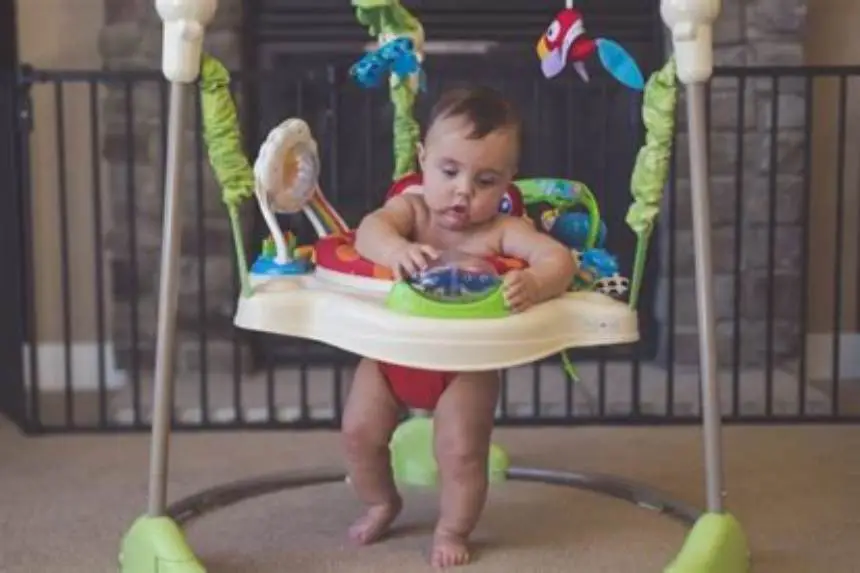
Babies can usually start using an exersaucer at about 4 to 6 months old when they can hold their head steadily and push up on their arms. Doorway jumpers are suitable only after babies can support their full weight on their legs, around 5 to 6 months. Always check the manufacturer's weight and age limits first.
On this page (8 sections)
- The short version
- When can a baby use an exersaucer safely?
- What age can babies use a doorway jumper?
- Baby jumper doorway alternatives for safety and development
- Exersaucer Polar Playground age and weight limits
- How to test if your baby is ready for an exersaucer or doorway jumper
- Safety tips and usage limits for exersaucers and doorway jumpers
- Questions people still ask
Part of our guide on benefits of using a play mat
| Starting age exersaucer | 4-6 months |
|---|---|
| Starting age doorway jumper | 5-6 months |
| Polar Playground age limit | up to 12 months |
| Weight limit typical | 25 lbs (11 kg) |
| Must hold head | steady |
| Must support weight | full legs |
The short version
- Exersaucers are safe once babies hold their head steady and push up on arms.
- Doorway jumpers require babies to support their full weight on legs.
- Follow the manufacturer's age and weight limits strictly.
- Polar Playground exersaucers typically have a max age limit of about 12 months.
- If a doorway jumper isn't safe, stationary exersaucers or floor play are strong alternatives.
When can a baby use an exersaucer safely?
An exersaucer is safe once your baby can hold their head steady unaided, which usually happens between 4 and 6 months old. This means the neck and upper body muscles are developed enough to prevent slumping or tipping over while seated in the device. Without this control, the baby risks injury from unsupported posture.
Babies also need to be able to push up on their arms to interact with toys attached to the exersaucer. This upper-body strength marks readiness to benefit from the device without strain. Most exersaucer manufacturers specify a minimum age and weight, commonly around 4 months and 15 pounds, but you should rely on developmental signs foremost.
Exersaucers are designed for upright seated play to encourage motor skill development. Using them too early can cause improper spine positioning or pressure on immature joints. Watch for your baby’s ability to sit supported and reach out actively before placing them in one.
Some babies may appear ready based on age, but if they show signs of fussiness or discomfort while in the exersaucer, it may indicate they are not yet physically prepared. For example, if your baby repeatedly tries to slump forward or cannot maintain an engaged posture, discontinue use and try again later. An average weight range for safe exersaucer use is typically between 15 and 25 pounds (6.8 to 11.3 kg), but individual strength and coordination vary widely. We cover how long to use activity mat in its own article.
Test small increments of time initially, such as 5 to 10 minutes, to observe how your baby tolerates the exersaucer. If they seem fatigued or irritable, it is a sign to reduce duration or delay further use. A helpful check is to observe if your baby can actively reach and grab toys attached to the exersaucer, as this demonstrates sufficient upper-body control and engagement.
- Encourages motor skills
- Provides stationary play space
- Supports upright posture
- Not suitable before head control
- Can limit floor play time
- Weight limits restrict use duration
What age can babies use a doorway jumper?
Babies can start using a doorway jumper when they are able to support their full weight on their legs and stand with assistance. This milestone is typically reached between 5 and 6 months of age, but varies widely. Legs need adequate strength to handle bouncing without strain.
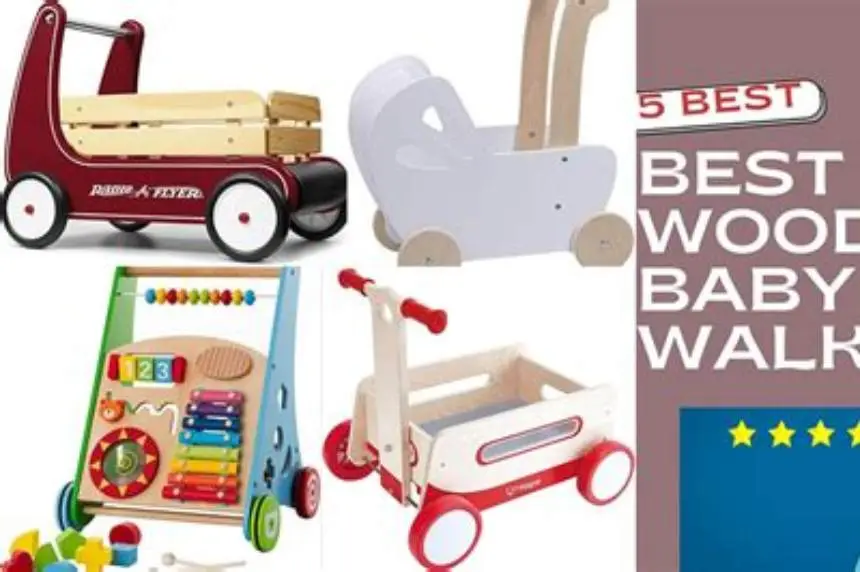
The jumper's design suspends the baby by the torso so the legs can push off the floor safely. Using a jumper too early can stress immature hip and knee joints or cause falls if the baby cannot control their movements. Always confirm your baby shows the physical readiness to bear weight confidently. People in this spot often ask about best wooden baby walker as well.
Doorway jumpers require a sturdy doorframe capable of safely holding the device and baby weight, usually around 25 to 30 pounds (11-14 kg). Not all homes have suitable doorframes, so check for secure mounting options before buying.
Some babies may meet the leg strength criteria later, especially if they were born prematurely or have lower muscle tone. For these infants, waiting until closer to 7 months or until they consistently stand with minimal support is safer. The ability to keep knees slightly bent and feet flat on the floor while in the jumper is another readiness indicator.
When using a doorway jumper, you need to verify that the height adjustment matches your baby’s leg length to prevent toe-walking or excessive bouncing. An example: if the baby’s feet do not touch the floor properly, they may place undue strain on hips. Manufacturers often specify height ranges; for instance, a jumper might suit babies from 26 to 32 inches (66 to 81 cm) tall. We cover storing homemade foam in its own article.
- Promotes leg strength
- Provides active bouncing play
- Compact and space-saving
- Requires stable doorframe
- Not suitable before leg strength develops
- Limited use window due to weight limits
Baby jumper doorway alternatives for safety and development
If a doorway jumper isn’t suitable (due to your baby’s developmental stage or lack of a safe doorframe) consider stationary exersaucers or play centers designed for early sitting. These provide similar engagement without suspension or bouncing risks.
Floor play mats with toys encourage natural reaching, rolling, and crawling without device constraints. Adding a supported sitting pillow or nest can help your baby practice sitting upright safely before using an exersaucer.
You can also use baby gyms or activity centers that lie flat for younger infants, allowing gradual development of motor skills and upper body strength. These options avoid the weight-bearing demand of jumpers while still promoting play and exploration.
- Encourages natural movement
- No weight-bearing on immature joints
- Suitable from newborn
- Less hands-free containment
- May require more supervision
- No bouncing or upright support
Exersaucer Polar Playground age and weight limits
The Polar Playground exersaucer, a popular model, generally supports babies up to about 12 months old or a weight of around 25 pounds (11 kg). This limit aligns with typical motor development and the device’s physical design constraints.
Once your baby approaches this age or weight, the exersaucer can become too small or unstable for safe use. Continuing beyond the manufacturer’s limits risks falls or strain injuries.
Always check the label on your specific Polar Playground model for exact weight and age restrictions. These are set to optimize safety and developmental appropriateness rather than convenience, so respect them strictly.
- Clear age and weight guidelines
- Designed for developmental stages
- Sturdy, stable construction
- Limited to about 12 months or 25 lbs
- Can outgrow quickly
- Not suitable for babies lacking head control
How to test if your baby is ready for an exersaucer or doorway jumper
There are three simple tests to check if your baby is ready: 1) Hold Head Test: Place your baby on your lap or a flat surface and see if they can keep their head steady without wobbling for at least several seconds. 2) Push-Up Test: Lay your baby on their tummy and see if they can lift their upper body by pushing on their arms. 3) Weight Support Test: Hold your baby under the arms and let their feet rest on a surface to see if they can support their own weight on their legs without collapsing.
Passing the first two tests is usually enough to start exersaucer use safely. Passing all three indicates readiness for a doorway jumper. If your baby struggles with any, wait a few weeks and retest. Development varies individually.
If you want a precise measure for your baby’s weight or developmental scores, pediatric check-ups can provide guidance. A simple weight scale for home use helps confirm the baby remains within device limits.
A practical way to confirm the Weight Support Test is to hold your baby under the arms and gently lower them onto a firm surface, such as a hardwood or tile floor. If the baby can sustain standing with minimal swaying or knee buckling for at least 10 seconds, they likely have adequate leg strength for a doorway jumper. Conversely, if the knees cave inward or the baby quickly collapses, more time is needed.
Doctors sometimes use developmental milestone charts that list average ages for strength and motor skills. For example, the ability to hold the head steady is commonly achieved by 4 months, while bearing full weight on legs typically appears between 5 and 7 months. Using these benchmarks alongside your own observations can help make safer decisions.
If you are uncertain, video recording your baby performing the tests can be helpful to analyze movement or consult with a pediatrician or physical therapist for professional advice. This check can prevent premature use that might cause falls or joint strain.
- Hold your baby’s head steady and watch for wobbling.
- Place baby on tummy and observe if they push up on arms.
- Support baby’s torso and place feet on a surface, check weight support.
Safety tips and usage limits for exersaucers and doorway jumpers
Always supervise babies in exersaucers or doorway jumpers; accidents happen quickly even if the device is designed to be stable. Limit sessions to 15-20 minutes at a time to prevent fatigue or overstimulation. Longer use can cause muscle strain or irritability.
Place these devices on flat, stable floors away from stairs or hard furniture edges. Use safety straps where provided and make sure the baby’s feet can reach the floor or base comfortably without tipping the device.
Check regularly for wear or damage to springs, straps, and plastic parts. Discontinue use immediately if any component is compromised. Follow manufacturer instructions precisely for assembly and height adjustment to maintain safe posture.
- Supervise use constantly, never leave baby unattended
- Limit to 15-20 minutes per session
- Use on flat, stable floor surfaces only
- Check device for damage before each use
- Follow age, weight, and height limits on labels
Questions people still ask
Can a baby use an exersaucer before they can sit up?
No, babies should be able to hold their head steady and push up on their arms before using an exersaucer to avoid neck or back injury.
What if my home has no solid doorframe for a doorway jumper?
Consider stationary exersaucers or floor play alternatives that do not require mounting hardware, ensuring safe play without bouncing.
Is it safe for babies to use jumpers every day?
Limit use to short sessions of 15-20 minutes to prevent fatigue or muscle strain, and never leave the baby unattended.
Can I use the Polar Playground exersaucer beyond 12 months?
It’s not recommended; exceeding the weight or age limit risks device instability and injury.
How do I know if my baby supports their weight enough for a doorway jumper?
Test if your baby can stand with support and keep their legs straight and steady while bearing their full weight.