Which backyard water slide fits a toddler’s size and safety limits
The best backyard water slide for toddlers fits a weight limit under 60 pounds and a height under 40 inches, with gentle slopes and easy water flow to avoid excessive speed or injury risks.
On this page (7 sections)
- What matters most
- What toddler age, weight, and height limits matter for slides
- How to tell if a backyard water slide’s features and water pressure suit toddlers
- What safety standards and supervision points to watch for toddlers on slides
- How family space and water use affect the choice of toddler water slide
- Which backyard water slide fits a toddler’s size and safety limits
- Questions people still ask
Part of our guide on do babies need play mats
The numbers
- Typical toddler weight limit
- 40-60 pounds
- Typical toddler height limit
- 30-40 inches
- Slide slope angle safe for toddlers
- 10-15 degrees
- Water pressure for toddler slides
- 5-15 psi
- Recommended adult supervision
- always present
What matters most
- Verify slide's max toddler weight is under 60 pounds
- Check height limits under 40 inches to ensure fit and safety
- Ensure water pressure suits toddlers: too high causes slips or falls
- Supervise toddlers at all times around water slides
- Consider your yard's size and water source before buying
What toddler age, weight, and height limits matter for slides
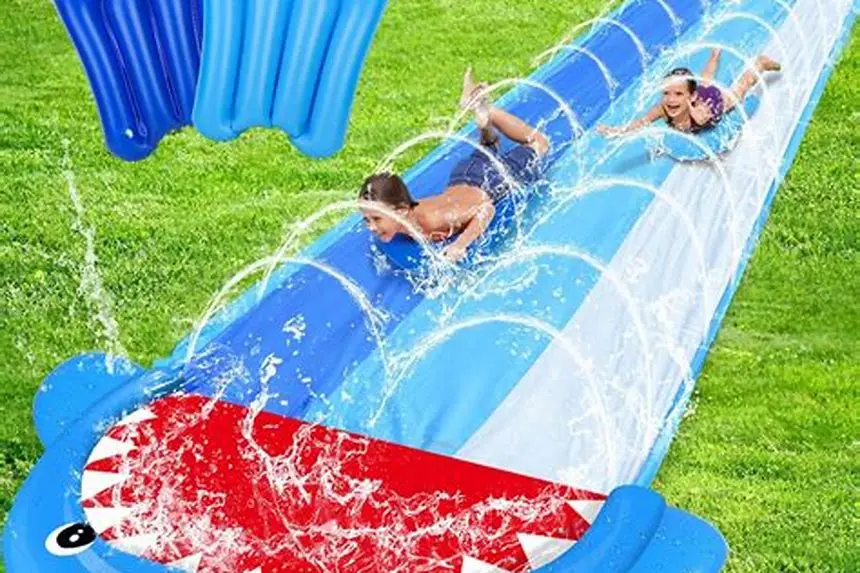
Toddlers usually weigh between 20 and 60 pounds from ages 1 to 3, and their height ranges from about 28 to 40 inches. A water slide must explicitly state its weight and height limits; exceeding these increases risk of injury or damage to the slide.
Slides designed for toddlers often cap weight at around 60 pounds because materials and structural design accommodate that load safely. Height limits reflect the slide’s length and slope, ensuring the child’s feet can reach the bottom safely and the slide is proportioned to their size.
Age recommendations on slides are rough guides and vary by child development; focus on weight and height limits instead. If your toddler is on the lower or upper edge of these limits, err on the side of larger dimensions with gentler slopes.
Height and weight limits can vary depending on the slide material and design. Plastic slides might have lower limits than metal-framed ones, which can sometimes hold toddlers up to 70 pounds safely. However, exceeding manufacturer recommendations can void warranties and increase injury risk, so always adhere to specified limits. We cover floor compatibility for walkers in its own article.
Some toddler slides include adjustable height settings or modular pieces that grow with your child. For example, a slide might start with a height limit of 35 inches for ages 1-2, then be reconfigured to accommodate toddlers up to 40 inches tall as they grow. These adaptable features extend the slide’s usability while maintaining safety.
How to tell if a backyard water slide’s features and water pressure suit toddlers
Water pressure feeding the slide typically runs between 5 and 15 psi for toddler slides. Pressure above 15 psi can cause the slide surface to become slippery and fast, increasing fall risk. A gentle flow keeps the slide wet without causing dangerous acceleration.
Check the slide’s slope: angles around 10 to 15 degrees make for safe descents. Steeper slopes increase speed, unsuitable for toddlers who have less control over their bodies. We go through baby carrier for 2 year old step by step elsewhere on the site.
Look for features like wide bases and side rails to prevent falls. Also, a soft landing area (usually a splash pool or padded mat) is critical for cushioning impact. Avoid slides without water flow or with too little, as dry surfaces can cause friction burns or reduce slide fun.
Water flow consistency affects slide performance. If the water supply is intermittent or uneven, toddlers may experience dry spots that cause friction burns or sudden stops, which can be frightening or cause falls. Testing water flow before each use ensures a smooth, slippery surface that keeps the slide fun and safe.
Some slides incorporate built-in water sprayers or small splash pools at the bottom to slow the child down gently. For toddlers, look for adjustable water flow controls that allow you to fine-tune pressure between 5 and 10 psi, creating a balance between slickness and control. This feature is especially helpful in homes with variable hose pressure. We go through foam mat cleaning instructions step by step elsewhere on the site.
The slide’s surface texture matters as well. A slightly textured slide surface can prevent toddlers from sliding too fast, reducing injury risk. Conversely, overly smooth or slick surfaces, especially at higher water pressures, can result in excessive speed and harder landings. Confirm the manufacturer’s recommendations on water pressure and surface finish.
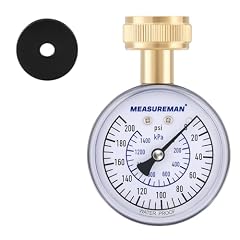
MEASUREMAN Blue 0-200 PSI Water Pressure Gauge
Measures 0 to 200 PSI, exceeding the 0-30 PSI accuracy range needed
What safety standards and supervision points to watch for toddlers on slides
U.S. safety standards, like ASTM F2376, recommend slides be designed for specific age and weight classes. Slides for toddlers must have rounded edges, no sharp protrusions, and non-toxic materials.
Never leave toddlers unattended on or near water slides, regardless of safety features. Drowning risk even in small standing water is real. Adult supervision must be constant and within arm’s reach. For the detail, see our notes on top baby walkers for carpet.
Regularly inspect the slide for wear or damage, especially joints and water connections. Broken parts or leaks can cause slips or structural failure. Check for secure anchoring to the ground to prevent tipping.
A secure, locked storage area for the slide when not in use helps maintain safety by keeping toddlers from unsupervised access. Slides left outdoors and accessible can tempt toddlers to climb or slide without supervision, increasing risk of falls or water accidents.
Supervision should also focus on teaching toddlers slide etiquette, such as waiting their turn and sliding feet-first. Instilling these habits early reduces collisions and panic during play, which are common causes of injury.
In addition to physical inspection, check for water quality regularly. Stagnant water in splash pools or slide channels can harbor bacteria or algae, causing skin irritations or infections. Drain and clean slides frequently, especially in warm weather.
How family space and water use affect the choice of toddler water slide
Measure your backyard space before buying. Toddler slides usually require a footprint between 4 by 6 feet and 6 by 10 feet including splash area. A cramped yard means the slide could be too close to fences or hard surfaces, increasing injury risk.
Water availability is critical. Some slides connect to garden hoses and need a steady supply; others recirculate water using pumps requiring electricity. Ensure your water pressure and flow match the slide’s requirements to avoid wasting water or damaging the slide.
Consider water consumption especially in drought-prone areas. Slides with splash pools use more water and may need frequent refilling, raising operational cost and environmental impact.
Consider the proximity of electrical outlets if your slide uses a recirculating pump. Outlets should be grounded and protected from water to prevent shocks. Outdoor-rated extension cords and GFCI outlets are recommended to reduce hazards.
If your backyard has uneven terrain, level the area where you place the slide or use mats to create a flat surface. Uneven ground can cause slides to tip or water to pool in one area, increasing slip and trip hazards for toddlers.
In drought-sensitive regions, low-water-use toddler slides or those that use misting features instead of pools can be a sustainable choice. Such slides reduce water waste while still providing cooling and fun during hot weather.
Which backyard water slide fits a toddler’s size and safety limits
Match your toddler’s weight under 60 pounds and height under 40 inches to slides specifying these limits. Choose slides with gentle slopes (10-15 degrees) and water flow under 15 psi to prevent speed and falls.
Models with built-in side rails and splash pools or cushioned landings provide extra safety. Avoid slides designed primarily for older children; their steeper angles and larger dimensions increase risk.
If your child is close to 40 inches tall and 60 pounds, look for slides with adjustable water flow or removable splash pools to adapt as your toddler grows.
For toddlers nearing the upper recommended limits, a slide with adjustable slope angles can be ideal. Some models allow you to reduce the incline from 15 to 10 degrees or less, tailoring the speed and comfort as your child develops stronger motor skills.
Slides with removable splash pools enable easier maintenance and control over water depth. A shallow pool of around 2 to 3 inches of water offers cushioning without drowning risk, which is essential for toddlers who may lose balance upon landing.
Check the slide’s anchoring system. Toddlers often lean or push against the slide edges, so secure ground stakes or weighted bases prevent shifting or tipping during use, ensuring the slide remains stable and safe throughout playtime.
| Slide Type | Weight Limit (pounds) | Height Suitability (inches) | Slope Angle (degrees) | Water Pressure (psi) |
|---|---|---|---|---|
| Inflatable toddler slide | 30-50 | 28-36 | 10-12 | 5-10 |
| Plastic molded slide | 40-60 | 30-40 | 12-15 | 10-15 |
| Hybrid plastic-inflatable | 25-45 | 28-34 | 10-13 | 5-12 |
Questions people still ask
Can a 2-year-old use a slide meant for 3-year-olds safely?
Not necessarily. Slides for older toddlers often have higher weight and height limits and steeper slopes. Using them with smaller children increases risk of falls and injuries. Stick to slides rated for your child’s actual size.
How often should I check the water pressure for a toddler water slide?
Check water pressure before each use if possible, especially if connected to an external hose that varies in flow. Use a gauge to ensure pressure stays under 15 psi for toddler safety.
What if my backyard is too small for a recommended toddler water slide?
Consider smaller inflatable slides with compact footprints or use splash mats with gentle slopes. Avoid forcing large slides into tight spaces; this creates hazards.
Are there age-specific safety certifications I should look for?
Look for slides meeting ASTM F2376 for water slides or CPSC guidelines on playground equipment. Although no toddler-specific certification exists, these standards ensure safer design elements.
Is constant adult supervision mandatory for toddler water slides?
Yes. Toddlers cannot gauge risks or swim. Constant supervision within arm’s reach is essential to prevent accidents from falls or water exposure.