How long should babies play on activity mats at 0-6 and 6-12 months?
Find safe, age-appropriate activity mat playtimes for babies from birth to one year and how to balance stimulation with rest.

Babies under 6 months should play on activity mats for about 15-20 minutes per session, 2-3 times daily. Babies 6-12 months can usually handle 20-30 minutes per session. Adjust time based on baby's signs of comfort and engagement.
On this page (8 sections)
- The short version
- Recommended daily playtime on activity mats by age group
- Developmental benefits of activity mat play within timed sessions
- Safety issues from overuse or extended unsupervised play
- How to recognize when baby needs a break or more stimulation
- How long should babies play on activity mats at 0-6 and 6-12 months
- Choosing the right activity mat for safe and effective play
- Questions people still ask
Part of our guide on benefits of using a play mat
Get clear playtime limits for baby activity mats tailored to age and development to keep play safe, engaging, and timely.
| Under 6 months | 15-20 min/session |
|---|---|
| 6-12 months | 20-30 min/session |
| Sessions per day | 2-3 |
| Maximum daily time | 45-60 min |
| Common break sign | fussiness |
| Safety risk | overheating |
The short version
- Limit mat play to 15-20 minutes per session under 6 months
- Increase to 20-30 minutes per session from 6-12 months
- Observe signs of baby needing break or more stimulation
- Avoid extended unsupervised play to prevent safety risks
- Use age-appropriate mats that meet safety standards
Recommended daily playtime on activity mats by age group
Babies 0-6 months benefit most from short, frequent play sessions of about 15 to 20 minutes on an activity mat. They usually tolerate 2 to 3 such sessions daily, totaling roughly 30 to 60 minutes. This timing considers their limited endurance and the need to avoid overstimulation.
From 6 to 12 months, babies develop greater strength and attention span. Increasing playtime to 20 to 30 minutes per session is typical, usually 2 to 3 sessions a day. Total daily mat playtime should not exceed about 60 minutes to maintain balance with rest and feeding.
These figures depend on individual factors like the baby's temperament, health, and developmental stage. Parents must observe their baby's cues and adjust accordingly. Overly rigid timing ignores individual needs and risks either boredom or fatigue.
Session length should vary with the baby's mood and physical condition. A tired baby may only last 10 minutes on the mat, while an alert one might enjoy 25 minutes easily. Watch for signs before setting strict limits. The other half of this decision is how to clean foam play mat.
Some babies show clear preferences for certain toys or textures on the mat. Tailoring sessions around these favorites can extend engagement without increasing time excessively. For example, a 4-month-old may focus on a crinkly fabric for 18 minutes, showing sustained interest.
Developmental benefits of activity mat play within timed sessions
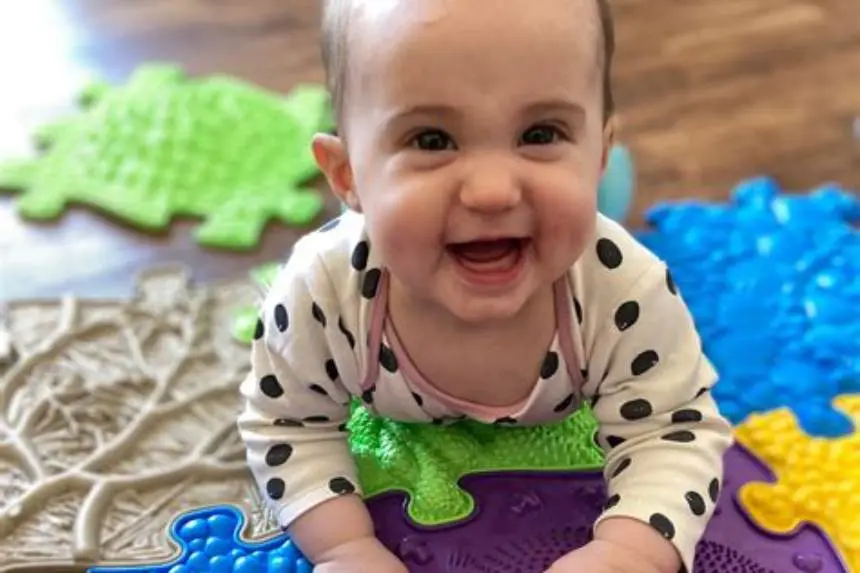
Activity mats promote sensory development by exposing babies to colors, textures, and sounds. Short, timed play sessions keep stimulation fresh and engaging without overwhelming the baby.
Tummy time on the mat strengthens neck, shoulder, and arm muscles, critical in the first 6 months for motor milestones like rolling and crawling. Sessions shorter than 15 minutes may not yield meaningful muscle use, while sessions longer than 30 minutes risk frustration. There is more on waiting period between pregnancies in a separate guide.
Cognitive benefits include cause-and-effect learning through interactive toys. Timed sessions encourage repeated engagement, which supports brain development and attention span growth.
Timed activity mat play also supports social development. Babies start to smile, coo, and make eye contact during these sessions, which helps build early communication skills. A 5-month-old practicing tummy time and interacting with a mirror toy for 20 minutes can show clearer social responses.
Sessions should allow for gradual progression. Begin with simpler toys and textures around 3 months, then introduce more complex shapes and sounds by 6 months. This paced increase helps the brain adapt without overwhelming the baby. We cover how to make play foam in its own article.

Nursery Thermometer & Humidity Monitor
Monitors nursery temperature and humidity accurately to help ensure baby comfort and safety during extended play.
Safety issues from overuse or extended unsupervised play
Leaving a baby on an activity mat too long or unsupervised can cause overheating, skin irritation, or positional discomfort. Some mats trap heat, raising skin temperature beyond the safe range if used excessively.
Prolonged play may increase risk of flat spots on the head if the baby is not repositioned regularly. Babies also need breaks to avoid fussiness or distress from physical fatigue.
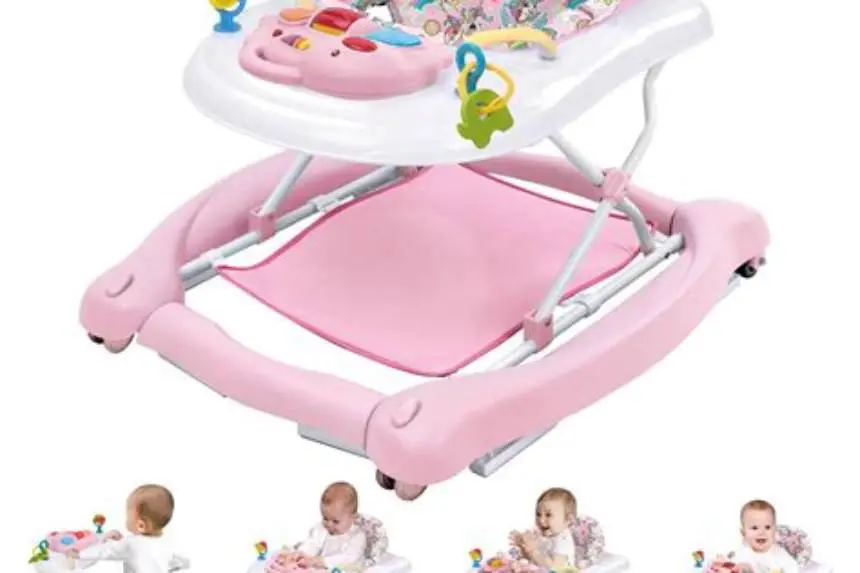
Supervision is mandatory during all mat play. Babies can roll or push off the mat, risking falls if unattended. Toys with small parts or loose attachments also present choking hazards. For the detail, see our notes on walkers that roll well on carpet.
Skin irritation can appear as redness or a rash after long sessions on mats made of synthetic materials. Switching to natural fiber mats or placing a soft cloth underneath can prevent this.
Some babies develop resistance to the mat if forced to stay too long, showing fussiness or crying immediately on placement. This signals the need to shorten sessions or switch activities.
Parents should check mats regularly for wear and tear. Loose seams or broken attachments can turn into choking hazards quickly, especially as babies start to grab and mouth toys at 6 months.
How to recognize when baby needs a break or more stimulation
Signs your baby needs a break include turning the head away from toys, fussiness, rubbing eyes, or arching the back. These signal tiredness or overstimulation.
If your baby repeatedly reaches for toys or vocalizes happily, they may benefit from slightly longer sessions or more challenging play options.
Adjust playtime dynamically. Too short sessions leave babies wanting more interaction. Too long or frequent sessions cause fussiness and disengagement.
Observing breathing patterns can also help assess tolerance. Rapid or shallow breathing often indicates fatigue or stress, signaling a break.
If a baby starts yawning or their movements become sluggish, these are clear signs to pause playtime and allow rest.
Offering a new type of stimulation, such as a sound toy or a different texture, can re-engage a baby showing boredom. For instance, a 7-month-old might perk up when a soft rattle is introduced after 15 minutes of quiet play.
- Break signs - fussiness, eye rubbing, turning away
- More stimulation - active reaching, smiles, vocalizing
- Adjust session length based on these cues
How long should babies play on activity mats at 0-6 and 6-12 months
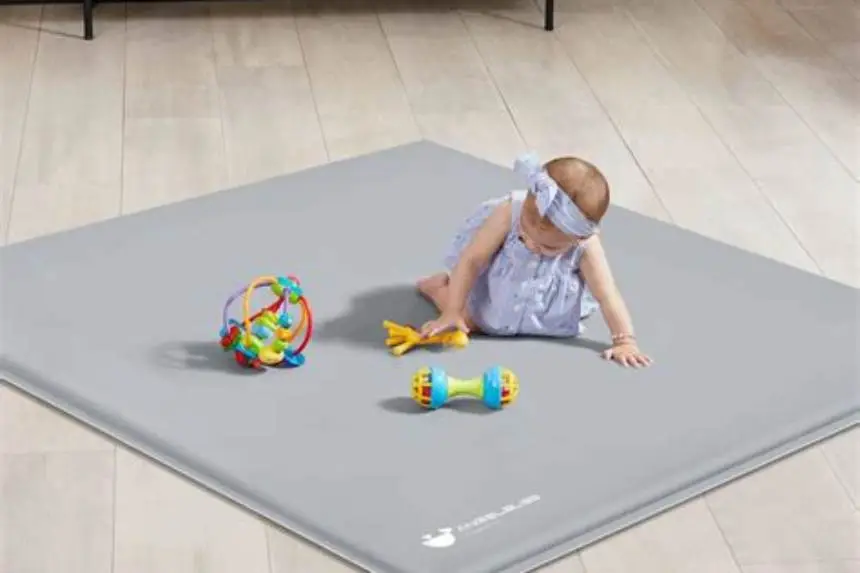
Babies from birth to 6 months should play on activity mats about 15 to 20 minutes per session, 2 to 3 times daily. This supports their developing muscles and senses without fatigue.
From 6 to 12 months, 20 to 30 minutes per session is appropriate as babies can interact more actively and tolerate longer play. Keep total daily mat time under 60 minutes.
Always observe the baby’s behavior. If they fuss or try to move away, it’s time to stop or switch activities. If they remain engaged and alert, you can extend sessions gradually.
| Age Group | Session Duration | Sessions per Day | Total Daily Time |
|---|---|---|---|
| 0-6 months | 15-20 minutes | 2-3 | 30-60 minutes |
| 6-12 months | 20-30 minutes | 2-3 | 40-60 minutes |
Choosing the right activity mat for safe and effective play
Select activity mats suitable for your baby’s age, with non-toxic materials and firm padding to prevent pressure points. Mats should meet safety certifications in your region.
Look for mats with easy-to-clean surfaces since babies drool and spill frequently. Avoid mats with loose or small detachable parts to reduce choking risks.
Consider mats with adjustable toys and textures to match developmental stages. This keeps your baby interested and supports skill growth during the 0-12 month span.
- Material safety - non-toxic, BPA-free
- Firm but soft padding for comfort
- Age-appropriate toys and features
- Easy to clean surfaces
Questions people still ask
Can newborns use activity mats?
Yes, newborns benefit from short sessions starting around 5-10 minutes, mainly for sensory exposure and tummy time, gradually increasing to 15-20 minutes.
How do I prevent my baby from getting bored on the mat?
Rotate toys and textures regularly. Change the mat’s setup every few days to introduce new stimulation and keep interest high.
What if my baby cries on the activity mat?
Crying can signal tiredness, discomfort, or overstimulation. Stop the session, offer soothing, and try shorter or less intense play next time.
Are activity mats safe for babies with reflux?
Activity mats can be used safely if the baby is supervised and positioned properly to avoid discomfort. Consult your pediatrician for personalized advice.
Can activity mats replace supervised tummy time?
No. Activity mats facilitate tummy time but should not replace direct, supervised interaction and varied positioning required for development.