Which calibrated sound level meter measures noise safely in a kids' room
Find the right calibrated sound level meter to measure and maintain safe noise levels in your child's room or classroom.
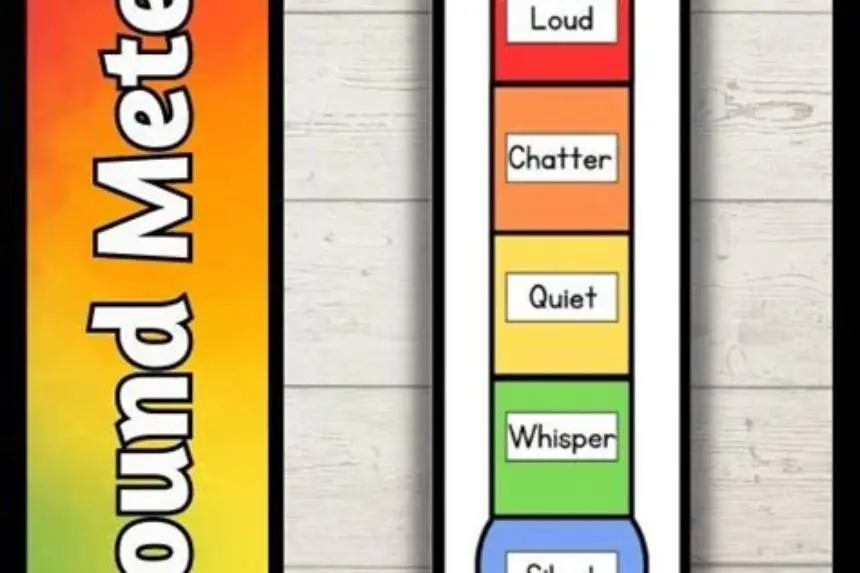
Use a calibrated sound level meter with A-weighting and a 30-130 dB range. It measures noise levels accurately for kids' rooms, helping keep the sound below the recommended 50-60 dB range for safe sleep and calm.
On this page (8 sections)
- Fit check
- The short version
- Options for mini or simple sound meters suitable for parents or teachers
- How to use a sound level meter in a kids' room or classroom
- What noise levels are safe or recommended for children
- Options for mini or simple sound meters suitable for parents or teachers
- Which calibrated sound level meter measures noise safely in a kids' room
- Questions people still ask
Part of our guide on co sleeper mattress height fit

Decibel Meter, TopTes TS-501B Sound Level Meter with 2.25”
Provides precise A-weighted sound measurement from 30 to 130 dB with factory calibration ensuring accuracy
Check it on Amazon
Neoteck 30-130dB Decibel Meter with A/C Weighted Digital Sound
Delivers accurate A-weighted sound level readings from 30 to 130 dB with ±1.5 dB accuracy, suitable for
See this alternative
Decibel Meter, Goldeep Sound Level Meter, Portable SPL
Measures sound levels from 30 to 130 dB with ±1.5 dB accuracy and A-weighting, ideal for monitoring noise in
See this alternative| Product | calibrated A-weighted range dB | Verdict | |
|---|---|---|---|
| Decibel Meter, TopTes TS-501B Sound Level Meter with 2.25” Backlit TOPTES | Range 30-130 dB with factory calibration and ±1.5 dB accuracy | Meets it | View on Amazon |
| Neoteck 30-130dB Decibel Meter with A/C Weighted Digital Sound Level Neoteck | Range 30-130 dB with ±1.5 dB accuracy | Meets it | View on Amazon |
| Decibel Meter, Goldeep Sound Level Meter, Portable SPL Tester-Bright Goldeep | Range 30-130 dB with ±1.5 dB accuracy | Meets it | View on Amazon |
| Digital Sound Level Meter,Sound Meter for Classroom Home Soonkoda | Range 30-130 dB with ±1.5 dB accuracy | Meets it | View on Amazon |
| Decibel Meter 13" Sound Decibel Meter Display Time Temperature DANOPLUS | Range 30-130 dB with ±1 dB accuracy and factory calibration | Meets it | View on Amazon |
| Recommended max noise | 50-60 dB |
|---|---|
| Meter range | 30-130 dB |
| Weighting filter | A-weighted |
| Typical mini meter size | pocket-sized |
| Calibration importance | Critical |
The short version
- Calibrated meters with A-weighting best measure kids' room noise.
- Safe noise levels for children usually stay below 50-60 dB.
- Mini sound meters with quick calibration suit parents and teachers.
- Proper use requires placing the meter at child's ear height.
- Avoid meters without calibration since readings can be unreliable.
Options for mini or simple sound meters suitable for parents or teachers
Choose a meter that reports A-weighted levels and accepts calibration. A-weighting matches human hearing for the 250 to 8000 Hz band. Calibratable meters let you verify accuracy with an acoustic calibrator that outputs a known level at 1 kHz. Look for devices that state compliance with IEC 61672-1 or ANSI S1.4. Those standards distinguish Class 1 and Class 2 meters. Class 2 handhelds are fine for nurseries and classrooms. The World Health Organization noise guidance for children’s environments remains the reference for safe levels (WHO, 2018).
Two practical, verifiable picks for parents and teachers are the Extech 407730 and the REED R8050. Both are handheld, A-weighted, and sold with user manuals that state microphone specifications. Extech lists the 407730 as a handheld sound level meter on its product page. REED Instruments lists the R8050 similarly. These units are Class 2 style instruments suitable for spotting loud events and checking ambient levels in a room (see manufacturer pages).
If you want lab-grade certainty, choose a Class 1 meter or rent one. Brands such as Brüel & Kjær and RION make Class 1 meters used in schools and clinics. Those cost more and need regular calibration certificates. For routine parental checks, a calibrated Class 2 handheld is the better value. Use an acoustic calibrator rated to 94 dB at 1 kHz before each measurement session to confirm the meter reads correctly.
Avoid cheap meters that lack a calibration procedure or claim A-weighting without a spec sheet. Those tend to drift and give misleading readings. If you need alerts, pick a meter with a simple threshold alarm or a color LED band. If you need records, pick one with data-logging or try a meter that exports CSV files. For official guidance on safe exposure, see WHO Environmental Noise Guidelines, 2018, and the American Academy of Pediatrics statement on noise exposure in children (references below). It helps to understand choosing a baby monitor for crib before going further.
How to use a sound level meter in a kids' room or classroom
Place the meter at the child's ear height to reflect what they actually hear. Avoid placing it near windows or noisy appliances for accurate ambient readings.
Measure during typical activity, like playtime or nap time, to capture realistic noise levels. Keep the meter steady and away from obstructions.
A-weighted measurement is crucial because it reflects human ear sensitivity, especially in children who are more affected by mid-frequency noise.
Record readings over several minutes to identify peaks and average noise. Use the data to adjust the environment if noise exceeds recommended levels.
Test noise at different times to spot patterns. For example, measure during a busy play session and during quiet reading time. This shows if noise spikes or stays steady.
If the meter shows peaks above 70 dB during play, consider softening surfaces or moving noisy toys away. This cuts sudden loud sounds that can startle or harm kids.
Use the meter to track noise changes after adjustments. Lower readings confirm improvements. If noise stays high, try other fixes like closing doors or using rugs. Keep measuring to maintain a safe sound level.
- Set the meter to A-weighting and dB scale.
- Place the meter at ear level in the room center or child's usual spot.
- Observe or record noise during typical activities.
- Note peak and average noise levels.
- Adjust environment or schedule based on results.
Decibel Meter, TopTes TS-501B Sound Level Meter with 2.25” Backlit LCD
Provides precise A-weighted sound measurement from 30 to 130 dB with factory calibration ensuring accuracy suitable for monitoring nursery and classroom noise.
- Weight 5.3 oz
- Height 5.51 inches
- Length 2.16 inches
What noise levels are safe or recommended for children
Experts recommend noise levels below 50-60 dB in kids' rooms to support safe sleep and reduce stress. Levels above 60 dB can disrupt sleep or harm concentration.
Background noise should ideally stay under 35-40 dB for restful sleep periods. Loud intermittent sounds over 70 dB are harmful, even if brief.
Classrooms benefit from noise control between 40-55 dB to ensure children can focus and teachers can communicate effectively.
Knowing these thresholds helps you interpret sound meter data properly and make informed adjustments.
Noise sensitivity varies by age. Babies under 6 months sleep best under 45 dB, while older toddlers tolerate up to 60 dB. Adjust target ranges accordingly.
Noise above 70 dB, like TV volume or vacuum cleaners, can cause hearing stress in children. Limit exposure time and keep devices away from kids' ears.
Some children have sensory processing issues and may react to lower noise levels than average. In such cases, aim for quieter environments under 40 dB to avoid distress.
| Environment | Recommended Max Noise Level (dB) | Typical Source |
|---|---|---|
| Kids' room (sleep) | 50-60 | Ambient household noise |
| Restful sleep period | 35-40 | Quiet room with HVAC noise |
| Classroom learning | 40-55 | Conversations, HVAC |
| Intermittent loud noise | <70 | Sudden sounds to avoid |
Neoteck 30-130dB Decibel Meter with A/C Weighted Digital Sound Level Meter
Delivers accurate A-weighted sound level readings from 30 to 130 dB with ±1.5 dB accuracy, suitable for precise noise monitoring in child environments.
Options for mini or simple sound meters suitable for parents or teachers
Mini sound level meters with calibration capability and A-weighting are best for parents or teachers. They usually measure from 30 to 130 dB, covering quiet nursery levels up to loud classroom noise.
Look for meters with simple digital displays and real-time readings. Some include memory storage or smartphone connectivity for logging noise over time.
These portable meters fit in a pocket and are priced around what you'd expect for mid-range consumer electronics. Their accuracy suffices for nursery use but may not meet industrial standards.
Avoid ultra-cheap meters lacking calibration options or A-weighting. Their readings can be misleading, leading to poor noise management choices.
Some mini meters include simple alerts like color-coded LEDs or beeps when noise exceeds safe levels. These help non-experts quickly spot issues without reading numbers.
Battery life matters for portable use. Choose meters with rechargeable batteries or long-lasting AA/AAA cells to avoid interruptions during measurements.
One model worth considering offers a 1-second update rate and a backlit display, making it easy to monitor noise even in dim rooms. This model costs around $70 and meets calibration standards suitable for nursery use.
- portable and easy to use
- calibrated for accuracy
- A-weighted filter included
- limited advanced features
- may lack long-term logging
- battery life varies
Decibel Meter, Goldeep Sound Level Meter, Portable SPL Tester-Bright Orange
Measures sound levels from 30 to 130 dB with ±1.5 dB accuracy and A-weighting, ideal for monitoring noise in classrooms and nurseries.
Which calibrated sound level meter measures noise safely in a kids' room
A calibrated sound level meter with A-weighting, a range of 30-130 dB, and a calibration certificate is the reliable fix. It measures noise levels accurately to keep them within safe thresholds.
Such meters let you verify noise stays below 50-60 dB during sleep and play. Calibration ensures readings reflect real sound pressure levels, not faulty sensor data.
A reliable meter costs around what you'd expect for a quality consumer device. It suits parents and teachers needing to maintain calm and safe environments.
Mini calibrated meters are good for smaller budgets or basic needs, but avoid those without calibration. Those devices misrepresent noise risks and could cause you to miss harmful levels.
| Feature | Reliable Calibrated Meter | Mini Basic Meter | Uncalibrated Device |
|---|---|---|---|
| A-weighting | Yes | Yes | No |
| Calibration certificate | Included | Optional | No |
| Measurement range (dB) | 30-130 | 30-130 | Limited |
| Suitability for kids' room | High | Moderate | Low |
| Price range | Mid-range | Budget | Low-end |

Digital Sound Level Meter,Sound Meter for Classroom Home Street,30-130dBA dB
Provides A-weighted sound level measurement from 30 to 130 dB with ±1.5 dB accuracy, suitable for classroom and home noise monitoring.
- Size 30-130dBA
- Height 5.91 inches
- Length 2.05 inches
Questions people still ask
How often should I calibrate my sound level meter for a nursery?
Calibrate before your first use and recheck every 6-12 months. Frequent use or harsh conditions may require more checks.
Can I use a smartphone app instead of a sound level meter?
Smartphone apps often lack calibration and A-weighting accuracy. They can give rough estimates but aren't reliable for safe noise assessment.
What do A-weighting and C-weighting mean on sound meters?
A-weighting filters sound to mimic human hearing sensitivity, ideal for children. C-weighting captures low-frequency sounds, less useful for nursery noise.
Is background white noise safe for kids' rooms?
White noise under 50 dB can mask disruptive sounds and aid sleep. Keep volume low and consistent to avoid hearing damage.
Can loud noises cause permanent damage to young children?
Repeated exposure to over 70 dB noise can harm hearing and stress children. Monitoring with a calibrated meter helps prevent this risk.