Which wooden baby walker fits your baby's age and weight limits safely
The best wooden baby walker matches your baby's weight (usually between 15-25 lbs) and age, typically 8-15 months, with wheels suitable for your floor type and a stable frame to prevent tipping.
On this page (8 sections)
- What matters most
- What are the weight and age limits for wooden baby walkers?
- Which wooden walkers have wheels suitable for different floor types?
- Are wooden walkers with blocks or bricks safe and developmentally appropriate?
- How to ensure a wooden baby walker is stable and safe for your baby?
- What signs show a wooden walker is wrong for your baby's size or skills?
- Which wooden baby walker fits your baby's age and weight limits safely
- Questions people still ask
Part of our guide on are play mats necessary
The numbers
- Typical weight limit
- 15-25 lbs
- Usual age range
- 8-15 months
- Wheel material options
- rubber, plastic
- Safety standard focus
- stability
- Wheel floor suitability
- varies by type
What matters most
- Match walker weight limit to baby's current weight plus growth margin
- Wheel type must fit your home's floor to prevent slipping or damage
- Avoid walkers with loose blocks that pose choking or tipping risks
- Stability depends on a wide base and secure construction
- Stop using a walker when baby cannot maintain balance or fits poorly
What are the weight and age limits for wooden baby walkers?
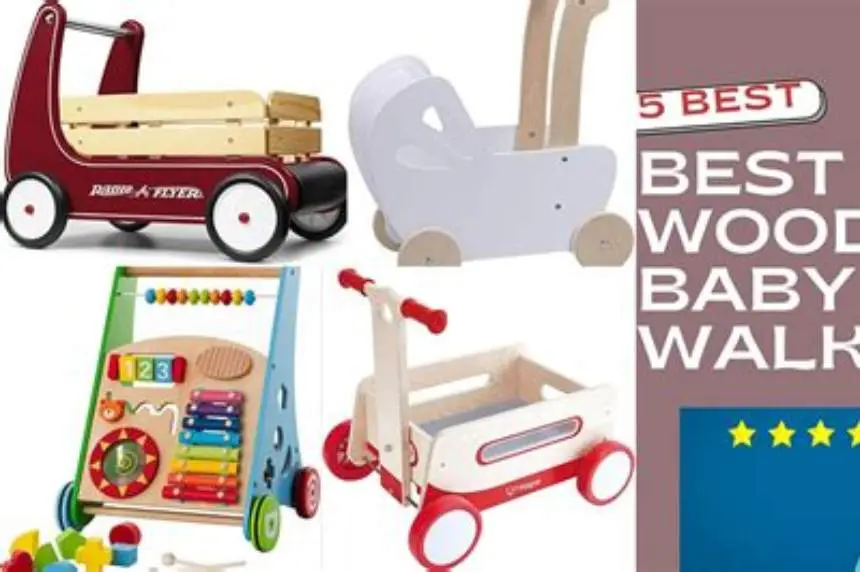
Wooden baby walkers usually have weight limits between 15 and 25 lbs, depending on construction and manufacturer's guidelines. The limit depends on the wood's thickness, joint strength, and wheel capacity. Exceeding this range risks structural failure and falls.
Age suitability typically starts at around 8 months, when the baby can sit steadily and attempts to pull up or take steps. The upper limit is about 15 months or once the baby starts walking confidently unaided. These limits depend on developmental milestones, not just age.
Manufacturers set these limits to prevent accidents caused by instability or overloading. Always check the specific model's label or instructions, as some high-end walkers support heavier weights up to 30 lbs with sturdier build quality.
Weight and age limits may shift depending on the design focus of the walker. For instance, some models emphasize early walkers for babies closer to 8 months old but restrict weight to 15 lbs, while others target older babies near 15 months with a sturdier build raising the limit to 25 lbs or more. The variance means parents must consider both age and weight together, not separately, to avoid unsafe situations. There is more on best baby walker for carpet in a separate guide.
An example: a baby weighing 22 lbs at 10 months fits many standard walkers' limits, but if that model caps at 20 lbs, the walker could fail. Conversely, a 16-month-old baby at 18 lbs might be too tall for a walker designed mainly for under-15-months, risking posture problems. Always check the manual's recommended age and weight range before purchase to confirm safety.
Which wooden walkers have wheels suitable for different floor types?
Wheel suitability depends heavily on their material and diameter. Rubber wheels usually grip hardwood or tile floors well without scratching, while plastic wheels can slip or damage delicate surfaces. Carpeted floors require wheels with a larger diameter, typically above 2 inches, to roll effectively.
Some walkers feature lockable wheels or removable wheel covers to adapt to multiple surfaces. This flexibility is vital if your baby uses the walker on varying floors, from hardwood to rugs. For the detail, see our notes on best backyard water slide for toddlers.
Choosing the right wheels prevents slips that could cause your baby to fall or the walker to tip. If your floor is delicate or uneven, test the wheels' grip and rolling resistance before purchase.
Wheel condition also affects suitability. Over time, wheels can wear down, harden, or accumulate debris, reducing traction. Regular inspection for cracks, flat spots, or dirt buildup ensures wheels function as intended on your floor types.
A practical check involves pushing the walker slowly across each of your main floor surfaces. The wheels should roll smoothly without sticking or sliding excessively. If the walker jerks or sounds rough, the wheels may be unsuitable or need cleaning or replacement. For the detail, see our notes on when can baby use exersaucer.
Some wooden walkers offer interchangeable wheels, letting you swap rubber for plastic depending on floor types. This adaptability extends walker usability across seasons and home areas, such as hardwood living rooms and carpeted bedrooms. Confirm whether wheels are replaceable or covered under warranty.
| Wheel Material | Best Floor Type | Pros | Cons |
|---|---|---|---|
| Rubber | Hardwood, tile | Good grip, quiet | Can wear down on rough surfaces |
| Plastic | Carpet, outdoor | Lightweight, cheap | Slippery on hardwood, noisy |
| Lockable | Multiple | Adjustable safety | More complex, higher cost |
Are wooden walkers with blocks or bricks safe and developmentally appropriate?
Walkers that include wooden blocks or bricks may engage fine motor skills but carry safety concerns. Blocks not securely attached can become choking hazards or cause trips. Loose pieces add weight unevenly, impacting stability.
Developmentally, walkers should encourage walking and balance, not just play. Babies learning to walk need stable support without distractions that might shift focus or cause imbalance.
If blocks are included, they must be large enough to prevent swallowing and firmly fixed or stored safely. Assess whether the design prioritizes walking support over play features.
A common issue with walkers featuring blocks is that babies curious about the blocks might try to pull them off or bite them, increasing choking risk if the blocks are detachable or poorly secured. Even fixed blocks must be checked regularly for loosening screws or glue deterioration.
Developmentally, walkers with too many play features can distract babies from focusing on balance and walking mechanics. A walker with a simple handle and base encourages stepping practice more effectively than one crowded with toys or blocks.
For example, a baby using a walker with a small attached block set might spend more time grabbing blocks than pushing the walker. This divided attention can slow walking progress or cause the baby to lose balance. For promoting walking, minimalism in walker design often proves safer and more effective.
How to ensure a wooden baby walker is stable and safe for your baby?
Stability depends on a wide base, low center of gravity, and secure joints. A base width at least 6 inches wider than the baby’s hips reduces tipping risk. The frame must feel solid with no wobble.
Check wheel attachment and locking mechanisms. Loose or uneven wheels create imbalance. All screws and joints should be tight and inspected regularly.
Avoid walkers with sharp edges, pinch points, or toxic paint finishes. Safety certification or compliance with ASTM F977-19 indicates adherence to standards.
Test stability by gently pressing down at several points. If it tips easily or feels flimsy, discard or repair before use.
The walker's height relative to your baby also influences stability. If the walker is too tall, the baby leans forward excessively, shifting the center of gravity and increasing tipping risk. If too low, the baby may crouch or lose grip, reducing control.
Measurement is key: ideally, the walker handle should reach just above the baby's waist when standing, allowing a natural arm bend. Adjustability in handle height is a valuable feature to accommodate growth and improve safety.
A stability test to perform involves gently rocking the walker side to side and front to back with no baby inside. Minimal movement indicates a solid base. Excessive wobble warns of instability that could endanger a baby during use. This check should be done regularly.
- Measure your baby’s hip width and ensure walker base exceeds it by 6 inches.
- Inspect all wheel mounts and tighten any loose screws.
- Check for smooth edges and secure paint finishes.
- Test walker stability by applying sideways pressure.
- Review manufacturer safety certifications.
What signs show a wooden walker is wrong for your baby's size or skills?
If your baby slouches or leans heavily when using the walker, it likely does not fit their height or weight. The walker should support an upright posture without forcing the baby to bend or stretch.
Difficulty pushing the walker or wheels that stick suggest the walker is too heavy or the wheels are inappropriate for your floors.
Frequent tipping or falling while using the walker is a clear sign the base is too narrow or the walker is unstable for your baby's skill level.
If your baby cannot hold the walker’s handle firmly, it may be too tall or the grip too large. Adjust to a size that matches your baby's arm length for control.
Discontinue use immediately if the walker causes falls or your baby cannot maintain balance safely.
Which wooden baby walker fits your baby's age and weight limits safely
Selecting the best wooden baby walker means matching your baby’s current weight within the walker’s specified limit and developmental ability. For babies between 15-25 lbs and ages 8-15 months, a sturdy model with a wide base and rubber wheels fits most homes.
If your floors are hardwood or tile, choose walkers with rubber or lockable wheels. For carpet, pick larger plastic wheels. Avoid walkers with loose blocks unless securely attached and large enough to prevent choking.
Check the walker’s stability carefully before each use, and make sure your baby can hold the handle comfortably without slouching or overreaching. Stop use if falls or instability occur.
The essential item to ensure ongoing safety is a baby scale to track your baby's weight accurately. This helps you know when the walker’s weight limit is approached and replacement or retirement is necessary.
Some wooden walkers include adjustable height settings or modular components, letting you adapt the walker as your baby grows. When choosing such models, ensure adjustments lock securely to maintain stability and do not create pinch points.
Consider also the surface area of the walker base. A wider base (measuring at least 24 inches in diameter) is more stable for larger babies near the upper weight limit. Narrower bases suit smaller babies but risk tipping if the baby leans or pushes strongly.
For example, a 14-month-old weighing 24 lbs benefits from a walker with a 26-inch wide base and rubber wheels that lock when needed. This combination supports confident steps on hardwood floors while preventing falls. Parents should confirm these features fit their baby's size and home environment before purchase.
Questions people still ask
Can I use a wooden baby walker on carpeted floors?
Yes, but select a walker with larger, plastic wheels that roll easily on carpet. Smaller rubber wheels tend to get stuck, making walking harder and less safe.
Are all wooden baby walkers safe for babies under 8 months?
No. Most wooden walkers require the baby to sit steadily and attempt walking, usually from 8 months onwards. Using it earlier can risk falls and poor posture.
How often should I check the walker’s stability and condition?
Perform a quick stability and joint check weekly, tightening loose parts immediately. Replace the walker if cracks, wobbling, or wheel damage appear.
Is it safer to buy a wooden walker with or without play blocks attached?
Walkers without detachable blocks are safer overall. If blocks are included, ensure they are fixed and large enough to avoid choking hazards.
What is the best way to measure my baby for walker fit?
Measure your baby’s hip width and arm length to ensure the walker base is wide enough and handle height matches, allowing upright posture and secure grip.