Which baby walker rolls well and stays stable on carpeted floors
The best baby walker for carpet has larger, rubberized wheels with multi-directional swivel and a stable, wide base to prevent tipping. This combination improves rolling on thick carpet pile and maintains safety by reducing wobble and falls.
On this page (8 sections)
- What matters most
- Why some baby walkers fail to roll on carpet
- Wheel designs that improve carpet mobility
- Safety considerations for walkers on carpet
- Recommendations for walker types suited to carpet
- Which baby walker rolls well and stays stable on carpeted floors
- How to test and maintain a baby walker for carpet use
- Questions people still ask
Part of our guide on do babies need play mats
The numbers
- Optimal wheel size
- 2 to 3 inches
- Wheel material
- rubber or soft plastic
- Base width
- at least 24 inches
- Swivel wheel benefit
- improved carpet turning
- Weight limit
- typically 15-25 kg
What matters most
- Large rubber wheels roll better on carpet than small plastic ones
- Wide bases increase stability, crucial on uneven carpet surfaces
- Swivel wheels improve maneuverability but must lock for safety
- Some walkers fail on carpet due to small wheels and narrow frames
- Safety features like brakes or wheel locks are essential on carpet
Why some baby walkers fail to roll on carpet
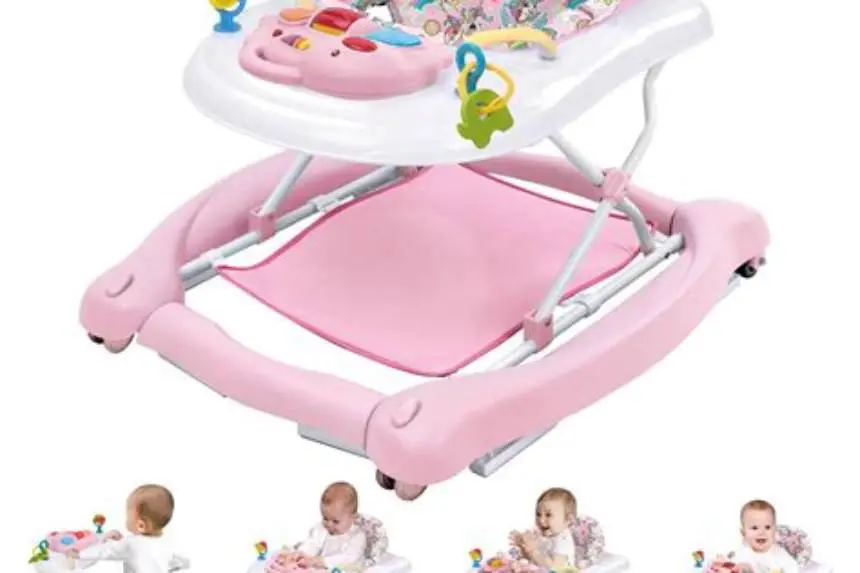
Many baby walkers struggle on carpet because their wheels are too small, usually under 2 inches in diameter, and made of hard plastic that sinks into carpet fibers. This results in high rolling resistance and jerky movement.
Narrow bases also contribute to failure by providing less weight distribution, causing wheels to push deeper into the carpet pile instead of gliding over it.
Carpet thickness and pile height vary widely; plush carpets over 1 inch thick create more resistance than low-pile or commercial grade carpets. Walkers designed for hard floors rarely perform well once placed on thick carpet.
This failure can frustrate both parents and babies, as the walker becomes difficult to move and less responsive, raising the risk of falls and tipping. We go through using exersaucer safely step by step elsewhere on the site.
The type of carpet fiber also influences walker performance on carpet. Synthetic fibers like nylon or olefin are denser and create a firmer surface, allowing wheels to glide more easily compared to natural fibers like wool, which tend to be softer and have more pile movement. For example, a walker that rolls smoothly on a nylon commercial carpet might struggle on a thick wool carpet with a 1.5-inch pile height.
Carpet padding thickness underneath the carpet affects stability. Thick padding softens the surface, increasing the chance of the walker sinking or wobbling. A carpet with a 1/2 inch padding can add significant rolling resistance compared to no padding or thin padding. Thus, even walkers with large wheels may feel sluggish or unstable on heavily padded carpet.
Wheel designs that improve carpet mobility
Wheels with 2 to 3 inches in diameter made of rubber or soft plastic reduce sinking and improve rolling over carpet fibers. Larger wheels distribute weight better and reduce resistance. People in this spot often ask about best wooden baby walker as well.
Multi-directional swivel wheels allow for easier turning and steering, especially on carpet where dragging motions happen. However, swivel wheels should include a locking mechanism to prevent sudden, uncontrolled swiveling.
Some walkers incorporate tread patterns on wheels that grip carpet lightly, aiding traction without sacrificing mobility. The softer wheel material also dampens noise and protects carpet fibers.
Choosing walkers with wheel assemblies designed for multiple surfaces rather than just hard floors greatly improves usability on carpet. Before you commit to anything, it is worth looking at activity mat play duration for babies.
Walkers with wheels that have a wider contact surface area also perform better on carpet by distributing weight and reducing sinking. For instance, a 3-inch rubber wheel that is 1 inch wide will spread the load more effectively than a narrow 3-inch wheel only 1/2 inch wide, reducing carpet fiber compression.
Another design feature helpful on carpet is dual-wheel assemblies, where two smaller wheels mounted side by side rotate independently. This allows the walker to adjust to uneven carpet fibers and improves rolling and steering. However, dual-wheel setups must be checked for debris accumulation, as carpet fibers can get caught between the wheels and hinder movement.
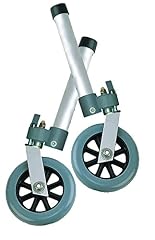
Drive Medical 10115 Swivel Lock Walker Wheels
Has wheels 5 inches in diameter which exceed the 2.5-3 inch size needed for carpet mobility and includes swivel lock feature
Safety considerations for walkers on carpet
Carpet adds instability because uneven surfaces and shifting fibers can cause wobbling. Walkers need wide, low centers of gravity to stay stable and avoid tipping.
Brakes or wheel locks prevent the walker from moving unexpectedly, especially on inclined carpeted floors or slopes where uncontrolled rolling is dangerous.
Weight limits on walkers are designed assuming firm surfaces; heavier babies or those pushing harder can cause more instability on carpet. Parents must check that the walker’s maximum weight accommodates their child safely.
Avoid walkers with narrow bases or tall frames because these increase the chance of falling on carpet. Stability matters more here than on smooth floors.
On carpeted floors, supervision is even more critical since the walker may behave unpredictably due to fiber resistance and uneven surfaces. Even the safest walker can tip if the child leans too far or encounters a snagging edge.
Parents should also ensure the walking area is free of obstacles that may catch the wheels or cause sudden stops, which could unbalance the child. Rugs with curled edges or thick thresholds between carpeted and hard floors are common hazards.
In homes with stairs or steps near carpeted areas, secure baby gates are essential as walkers can gain unexpected momentum on carpet slopes or transitions, increasing fall risk. Even a slight incline can cause a walker to accelerate, so brakes and locks are crucial safety features.
Recommendations for walker types suited to carpet
Walkers with wide frames, measuring at least 24 inches across, give a stable footprint on carpet. This size prevents tipping and distributes the baby's weight evenly across carpet fibers.
Models featuring large rubber wheels with a tread are best for carpet. They roll smoothly and reduce drag.
Walker designs that combine swivel and fixed wheels allow better maneuverability on carpeted floors without sacrificing control. Swivel wheels with locking systems are preferred.
Avoid lightweight walkers with small wheels or minimal base width; these are intended for hard floors and fail on carpet, frustrating parents and risking safety.
If your carpet is thick and plush, consider testing how the walker rolls on it before purchase or check reviews specifically mentioning carpet performance.
Some baby walkers offer adjustable wheel tension or height settings specifically designed to accommodate different carpet pile heights. For example, increasing wheel tension can prevent excessive swivel movement on thick carpets, improving control.
Exerciser-style walkers that also include padded seating can distribute the child’s weight more evenly, reducing pressure on wheels and improving rolling on soft carpet surfaces. Such designs, however, tend to be bulkier and less portable.
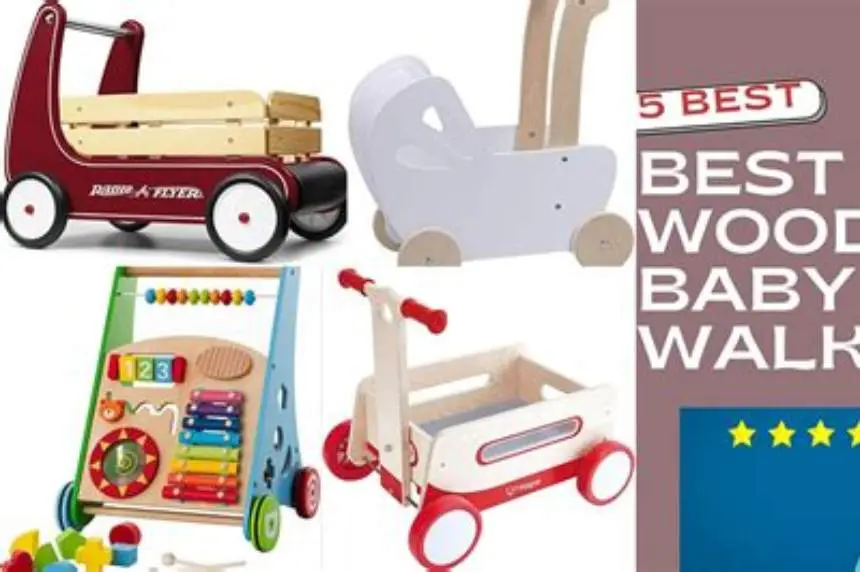
For very thick or shag carpets exceeding 1.5 inches in pile height, push wagons or push toys with large pneumatic or foam-filled tires may function better than traditional walkers, offering easier movement and improved stability though they are not walkers per se.
| Feature | Good for Carpet | Explanation |
|---|---|---|
| Wheel Size | 2 to 3 inches | Larger wheels glide over carpet fibers easier |
| Wheel Material | Rubber or soft plastic | Reduces sinking and improves traction |
| Base Width | ≥ 24 inches | Ensures stability on uneven carpet surfaces |
| Wheel Type | Swivel with lock | Improves maneuverability and safety |
| Frame Height | Low to medium | Lowers tipping risk on soft surfaces |
- Better traction and rolling on carpet
- Increased stability prevents tipping
- Swivel wheels aid turning on thick carpet
- May be heavier and bulkier than hard-floor walkers
- Swivel wheels require locking to avoid hazards
Which baby walker rolls well and stays stable on carpeted floors
The best baby walkers for carpet feature a combination of large wheels (2.5 to 3 inches), rubberized material, and a wide base at least 24 inches across. Walkers with these features roll smoothly on carpet without the child or parent needing extra force to move them.
Swivel wheels with locking mechanisms improve steering, especially on plush or uneven carpet. A stable, broad frame lowers the center of gravity and reduces tipping risk essential for carpeted usage.
Avoid walkers designed only for hardwood or tile floors as their small, hard wheels get stuck and their narrow frames tip easily on carpet piles.
Choosing a walker meeting these specs benefits both your child's mobility development and your peace of mind on carpeted floors.
How to test and maintain a baby walker for carpet use
Step 1: Place the walker on the carpeted area and push gently to check for smooth rolling without sticking or heavy resistance.
Step 2: Test the swivel wheels by turning the walker in place to ensure easy, controlled maneuvering.
Step 3: Check stability by lightly shaking the walker sideways to detect wobble or tipping tendencies.
Step 4: Engage any brakes or wheel locks to confirm they function well on carpet.
Step 5: Inspect wheels regularly for wear or debris that might reduce rolling efficiency or cause instability.
Regular wheel cleaning and lubrication (if the manufacturer allows) prolong rolling performance, particularly important on carpet where fibers and dirt accumulate.
- Place walker on carpet
- Push gently to test rolling resistance
- Turn walker to check swivel wheel function
- Shake walker to check stability
- Engage brakes or locks for safety
- Inspect and clean wheels regularly
Questions people still ask
Can I use any baby walker on carpeted floors?
No. Walkers with small, hard plastic wheels and narrow bases usually perform poorly on carpet, making them hard to push and unstable. Choose walkers specifically designed with larger rubber wheels and wide frames for carpet use.
Are swivel wheels safe on carpet?
Swivel wheels improve maneuverability but must have a locking feature on carpet to prevent sudden spins that can cause falls. Without locks, swivel wheels may pose safety risks.
How big should baby walker wheels be for carpet?
Wheels about 2 to 3 inches in diameter made of rubber or soft plastic roll best on carpet. Smaller wheels tend to get stuck and increase pushing effort.
Does carpet thickness affect walker performance?
Yes. Thicker, plush carpets create more rolling resistance and can cause instability. Walkers with larger wheels and wide bases perform better on thick carpet than those for hard floors.
Is a wider base always better for walkers on carpet?
Generally yes; wider bases provide more stability on uneven carpet surfaces and reduce tipping risk. However, extremely wide walkers might be hard to maneuver in tight spaces.