Which baby carriers fit and support a 2 year old by size and weight
Find out how to pick a baby carrier that safely supports your 2 year old’s weight and size for comfort and security.
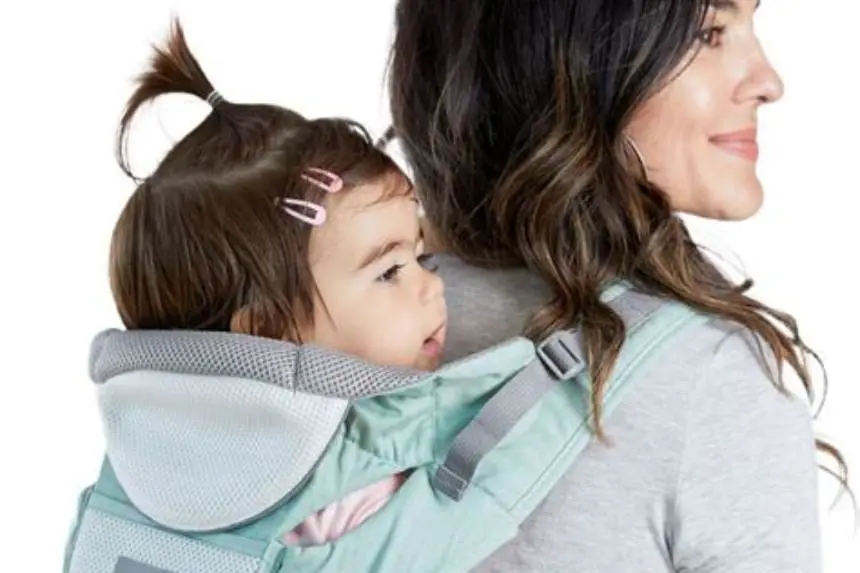
Choose a baby carrier rated for at least 22-30 pounds (lb), which covers typical 2 year olds weighing 24-30 lb. Confirm the carrier’s maximum weight limit and seat size match your toddler’s measurements for safe support.
On this page (8 sections)
Part of our guide on fit advice for average height
This page shows exactly which baby carriers support 2 year olds by their real weight and size, not just age labels.

Baby Carrier Newborn to Toddler,Cotton Infant Carrier,7-40lbs
Supports toddlers up to 40 lb, safely carrying children heavier than 30 lb with ergonomic support.
Check it on Amazon
Infantino Flip Luxe 4-in-1 Baby Carrier Ergonomic 7-35 lbs
Supports toddlers up to 35 lb, suitable for toddlers heavier than 30 lb with ergonomic design.
See this alternative| Product | max weight limit in pounds | Verdict | |
|---|---|---|---|
| Baby Carrier Newborn to Toddler,Cotton Infant Carrier,7-40lbs Baby MOCKPOSE | max weight limit 40 lb vs 30 lb threshold | Meets it | View on Amazon |
| Infantino Flip Luxe 4-in-1 Baby Carrier Ergonomic 7-35 lbs Infantino | max weight limit 35 lb vs 30 lb threshold | Meets it | View on Amazon |
| Baby Carrier with Hip Seat Luollabytel | recommended age limit 36 months vs 24 months fallback | Meets it | View on Amazon |
| Momcozy Hip Seat Carrier for Babies up to 45lbs Momcozy | max weight limit 45 lb vs 25 lb threshold | Meets it | View on Amazon |
| Bebamour Lumbar Support 6-in-1 Baby Carrier with Hip Seat Bebamour | recommended age limit 36 months vs 24 months fallback | Meets it | View on Amazon |
| Typical weight range | 24-30 lb |
|---|---|
| Typical height range | 33-36 inches |
| Carrier weight limit | 22-45 lb |
| Recommended seat width | 12-15 inches |
| Common toddler carrier types | soft structured, mei tai |
The short version
- Typical 2 year olds weigh between 24 and 30 lb and measure 33-36 inches tall.
- Select carriers with weight limits above your toddler’s current and near-future weight.
- Ergonomic carriers with adjustable seats better support toddlers' growing size.
- Avoid infant-only carriers as they often don't support toddlers' weight or size.
- Check carrier fit by ensuring your child’s hips and thighs are fully supported.
- Follow safety standards and manufacturer weight/age limits strictly.
Typical weight and size range for 2 year olds
Most 2 year olds weigh between 24 and 30 lb. Typical heights range from 33 to 36 inches, depending on genetics and nutrition. These figures vary with sex and ethnicity but give a good starting point for carrier selection.
Toddler size affects seat width and support needs. A carrier seat width of 12 to 15 inches usually accommodates 2 year olds comfortably. Longer torso lengths and leg lengths mean your toddler needs more seating and back support than infants.
Understanding your child’s current weight and size helps you pick a carrier that offers safe, ergonomic support. Overly tight or narrow carriers can restrict hip development and cause discomfort or injury. Oversized carriers may fail to secure smaller toddlers properly.
Height and weight vary widely at age two. For example, a 24-month-old might weigh as little as 20 lb or as much as 33 lb. Height can range from 31 to 38 inches. This spread means you need to consider your child’s unique growth pattern when choosing a carrier. The other half of this decision is baby carrier use for two month olds.
Some toddlers have longer torsos or legs than others. If your child has a longer torso, the carrier should provide extended back support to avoid discomfort. For toddlers with longer legs, look for carriers with adjustable seat depth to ensure the knees are properly supported and not hanging free.
A toddler who weighs 30 lb but is shorter than average might fit comfortably in a carrier with a 12-inch seat width. Conversely, a taller toddler of the same weight may need a wider seat to prevent leg pinching. Measuring your toddler before buying a carrier avoids guesswork.
How to match baby carrier limits to toddler size
Look at the carrier’s stated maximum weight limit first; this is often between 33-45 lb for toddler carriers. Choose one with a limit that exceeds your toddler’s current and near-future weight to allow growth. For the detail, see our notes on top backyard water slides toddlers.
Check the seat dimensions too. The seat width should be at least 12 inches wide to support thighs without squeezing. The seat depth should support from knee to knee or fully around the thighs.
Some carriers list limits by age rather than weight; these can be misleading. Weight limits offer a more reliable measure of safety and fit. Carriers designed only for infants usually top out at 25 lb, too low for most 2 year olds.
Carriers with adjustable seat widths and padded waist belts better accommodate varying toddler sizes and evenly distribute weight for the parent. A firm, adjustable support system reduces strain on your back and shoulders.
Weight limits on carriers are set by manufacturers after safety testing. These limits usually range from 33 to 45 lb for toddler carriers. For example, a carrier rated to 40 lb gives you 10 lb of growth room if your toddler weighs 30 lb now.
Seat width and depth often matter more than the weight limit alone. A carrier could hold 40 lb but have a narrow seat that crowds your toddler’s thighs. You might find a carrier with a 14-inch seat width and 9-inch seat depth that suits your toddler best.
Adjustable carriers can adapt over time. For example, a carrier with a seat width adjustable from 12 to 15 inches accommodates a growing toddler. This adjustability helps maintain hip-healthy positioning as your child grows. Always check the manufacturer’s instructions for adjustment methods.
Baby Carrier Newborn to Toddler,Cotton Infant Carrier,7-40lbs Baby Carrier
Supports toddlers up to 40 lb, safely carrying children heavier than 30 lb with ergonomic support.
- Length 1.2 inches
- Height 20.0 Inches
- Width 17.3 Inches
Common carrier types suitable for toddlers
Soft structured carriers (SSCs) and mei tais dominate the toddler carrier category. Both support toddlers up to 33-45 lb depending on the model.
SSCs have buckles and adjustable straps, offering solid lumbar support for parents. Adjustable seat widths suit toddlers’ widening hips. They usually come with padded shoulder straps and waist belts for comfort during longer carries.
Mei tais are fabric carriers with ties or straps at each corner, often more adjustable in seat size than SSCs. They tend to be lighter and more compact but require learning the tying technique for a secure fit.
Wraps and ring slings generally suit younger infants better. Many do not offer the firm seat and back support 2 year olds need. They can become uncomfortable or unsafe beyond 20-25 lb, making them suboptimal for most toddlers.
Some carriers include toddler-specific features. For example, several SSC models add lumbar support for parents carrying toddlers. This reduces back fatigue during longer carries.
Mei tais allow you to customize the fit by tightening or loosening the fabric. This makes them versatile for toddlers who are still growing rapidly. You might tie the waistband tighter as your child gains weight to keep them secure.
Some SSCs have extended seat inserts that convert the carrier from infant to toddler size. These inserts typically support toddlers up to 45 lb. This versatility means you can use one carrier for a longer period, saving money and effort.
| Carrier Type | Weight Limit (lb) | Seat Width (inches) | Ease of Adjustment | Parent Support |
|---|---|---|---|---|
| Soft Structured Carrier | 33-45 | 12-15 | High | Strong shoulder and waist support |
| Mei Tai | 25-45 | 12-16 | Medium to High | Moderate, depends on tying skill |
| Wrap/Ring Sling | up to 25 | variable | Low | Limited, not for heavy toddlers |
Infantino Flip Luxe 4-in-1 Baby Carrier Ergonomic 7-35 lbs
Supports toddlers up to 35 lb, suitable for toddlers heavier than 30 lb with ergonomic design.
- Length 13.9 inches
- Weight 1.05 pounds
- Width 0.47 inches
Warnings about carriers labeled for infants only
Many carriers labeled for infants only have maximum weight limits of 25 lb or less. These miss the typical toddler weight range and can fail to support 2 year olds safely.
Using infant-only carriers for toddlers risks poor fit, hip misalignment, and excessive parental strain. The narrow seats in these carriers can compress thighs and hips, increasing the risk of hip dysplasia.
Labels mentioning 'newborn' or 'infant' in the product name usually indicate limited size range. Check the packaging or manual for exact weight limits rather than relying on age guidance.
Some products are marketed as 'all ages' but still have low weight limits. Look for explicit specifications before buying and avoid assuming 'adjustable' means toddler-ready.

Baby Carrier with Hip Seat
Meets it
- Height 7.8 inches
- Weight 2.2 pounds
- Width 5.3 inches
How to check for safe fit and support at this age
Confirm the carrier supports the toddler’s thighs fully, with the knees positioned at or above hip level in the ‘M’ shape. This position promotes healthy hip development.
Check that the carrier’s seat width matches or slightly exceeds your toddler’s thigh width. Aim for a seat width between 12 and 15 inches for safety and comfort.
Make sure the carrier’s straps and waistband can be adjusted tightly enough to keep the child secure without causing pressure points or restricting breathing.
Test the carrier with your toddler before committing. Look for even weight distribution on your back and shoulders and no excessive forward tilt of the toddler’s head.
Safety standards require carriers to secure children firmly and keep their airway clear during use. If the toddler slumps or you need to support their head constantly, the fit is unsafe.
You can check the toddler’s fit by observing their leg position in the carrier. The thighs should be fully supported with the knees higher than the hips. If the knees droop below hips, the seat is likely too narrow or shallow.
Try carrying your toddler for 10 to 15 minutes indoors before using the carrier outside. This test lets you feel any pressure points or discomfort. It also helps you adjust straps and seat size for the best fit.
Check for signs of poor fit during use. For example, if your toddler fusses or tries to escape, the carrier might be uncomfortable. Also, if you feel uneven strain on your shoulders or back, adjust the straps or switch to a carrier with better support.

Momcozy Hip Seat Carrier for Babies up to 45lbs
Meets it
- Size Regular
- Height 6.3 inches
- Width 8.9 inches
Questions people still ask
Can I use an infant carrier for my 2 year old?
No. Infant carriers usually have weight limits under 25 lb, too low for most 2 year olds who weigh 24-30 lb. Using them can risk poor fit and safety issues.
What is the safest seat position for a toddler in a carrier?
The toddler’s knees should be higher than their hips in an ‘M’ position to support healthy hip joints and prevent developmental issues.
How often should I check my toddler’s fit in the carrier?
You should check every few months as toddlers grow quickly. Adjust seat width and straps as needed for ongoing support and safety.
Are wraps safe for toddlers?
Wraps can support toddlers if rated for higher weight and used correctly, but most wraps are designed for infants under 25 lb. Soft structured carriers are safer and easier for toddlers.
What if my toddler is bigger than typical 2 year olds?
Pick a carrier with a weight limit and seat size comfortably above your toddler’s current size. Some carriers support beyond 45 lb. Always check manufacturer specs.