Which sleep sack fits a rolling 0-3 month baby and car seat safely
Match sleep sacks to a rolling 0-3 month baby’s size and car seat use safely and comfortably.
Choose a sleep sack sized for babies 7-14 lbs with snug armholes and no loose fabric. For a rolling 0-3 month baby, find one that fits car seats without bunching or restricting movement.
On this page (8 sections)
- The short version
- Which sleep sack fits a rolling 0-3 months baby
- Muslin swaddle 120cm x 120cm fit and limitations
- Sleep sack for 6-week-old who rolls
- Swaddle blanket that fits 0-3 months car seat safely
- At what age can my baby start sleeping with a blanket
- Sleep sack wearable blanket for hot nights
- Questions people still ask
No listings publish weight range; length data mostly exceeds 24 inches fallback max; many listings lack relevant size data or have irrelevant sizes.
Closest of the ones checked: Yoofoss Baby Sleep Sack 0-6 Month 0.5TOG 100% Organic Cotton 2-Way — 28 inches against up to 24 inches length needed
babies over 14 lbs or larger than 24 inches length
parents needing heavy insulated sacks for cold climates
parents who want swaddling for non-rolling babies beyond 3 months
| Weight range | 7-14 lbs |
|---|---|
| Age range | 0-3 months |
| Swaddle size | 120 cm x 120 cm |
| Car seat safe | Yes, if no loose fabric |
| Ideal fabric | Breathable cotton or muslin |
The short version
- Sleep sacks sized for 7-14 lbs usually fit 0-3 month babies safely.
- Look for adjustable neck and armholes to prevent fabric bunching in car seats.
- Use wearable blankets designed with breathable fabrics for hot nights.
- Discontinue swaddling once baby shows rolling signs, switch to a safe sleep sack.
- Muslin swaddles 120cm x 120cm fit for swaddling but aren’t safe once rolling.
Which sleep sack fits a rolling 0-3 months baby
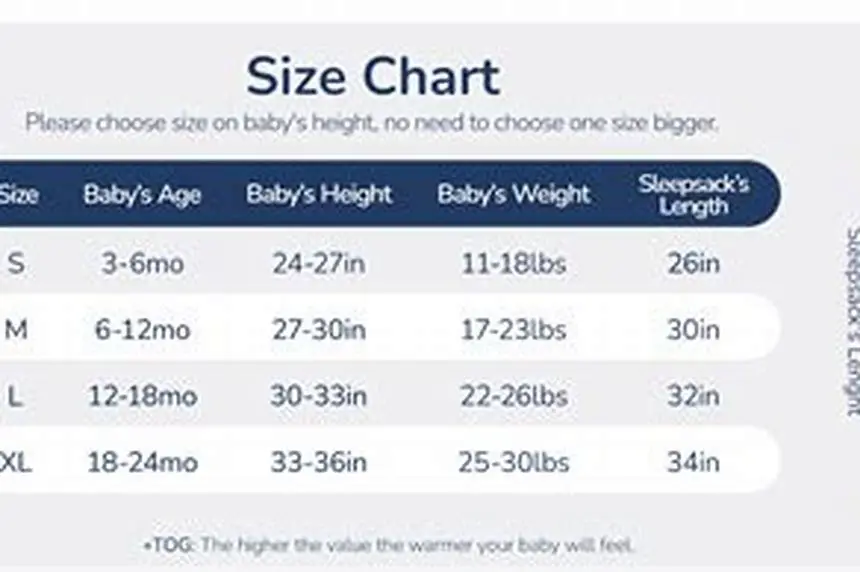
A rolling baby requires a sleep sack that fits snugly yet allows free arm movement. For 0-3 months, babies weigh between 7 and 14 pounds. Sleep sacks designed for this weight range usually fit well and reduce risk of loose fabric.
Choose sleep sacks with adjustable shoulder snaps or zippers. This limits excess fabric that could bunch up and cause discomfort or safety hazards, especially when babies roll. A sack that is too large can pose suffocation risks.
The fabric should be breathable to avoid overheating. Cotton or muslin blends suit most home temperatures and summer nights. Avoid fleece or thick polyester for newborns to prevent heat retention.
For rolling babies, avoid swaddle-type sacks with wings that restrict arms. Instead, pick wearable blankets or sacks that free arms but stay snug around the chest to prevent riding up. For the detail, see our notes on choosing the right car seat base.
Muslin swaddle 120cm x 120cm fit and limitations
A muslin swaddle measuring 120 cm by 120 cm fits most newborns comfortably for swaddling. This size allows wrapping without excess fabric that can loosen or get trapped.
Muslin is lightweight and breathable, ideal for regulating newborn body temperature. However, swaddles become unsafe once the baby starts rolling, usually around 6 weeks.
After rolling begins, this swaddle size is too large and loose for car seats or cribs without risk. Transition to a sleep sack designed for rolling babies to prevent fabric from bunching or covering the face. For the detail, see our notes on manual bulb nasal aspirator newborn.
The 120 cm by 120 cm muslin swaddle fits a wide range of newborn sizes but requires careful folding to avoid loose ends. When folding, keep fabric tight around the baby’s torso while leaving hips and legs room to move. This prevents hip dysplasia risks and reduces loose fabric near the face.
This size swaddle is not suitable for overnight use once the baby can roll. Rolling may cause the fabric to shift over the face, increasing suffocation risk. Parents often transition to smaller, fitted sleep sacks when rolling begins to keep the baby safe and comfortable.
Sleep sack for 6-week-old who rolls
At 6 weeks, many babies start rolling and need a different sleep solution. A sleep sack that fits 7 to 14 pounds, with secure armholes and no extra fabric, is safest. There is more on differences from sleepsuits in a separate guide.
Look for sacks with zip or snap closures that prevent gaps. Adjustable neck openings avoid fabric shifting over the head during movement.
The material should be soft and breathable to prevent sweating, especially if the baby sleeps in a room without air conditioning.
Sleepsacks that free arms prevent restricting natural rolling motions while protecting from loose blankets or covers. Before you commit to anything, it is worth looking at babygrow 12 months sizing chart.
At 6 weeks, a baby who rolls needs a sleep sack that fits snugly without restricting movement. For example, a sack labeled for 7 to 14 pounds with armholes measuring about 7 to 8 inches around provides a close fit without tightness. This size accommodates growth while reducing excess fabric.
Some sleep sacks come with adjustable shoulders or waistbands to customize fit as the baby grows. This flexibility helps maintain safety by preventing the sack from riding up or becoming loose during movement.
Check the sleep sack fit by placing it on your baby and ensuring you can slip only a finger under the armhole. Loose armholes can allow the baby to slide inside or get tangled, which is dangerous when rolling. Before you commit to anything, it is worth looking at handling newborn toughest weeks.
Swaddle blanket that fits 0-3 months car seat safely
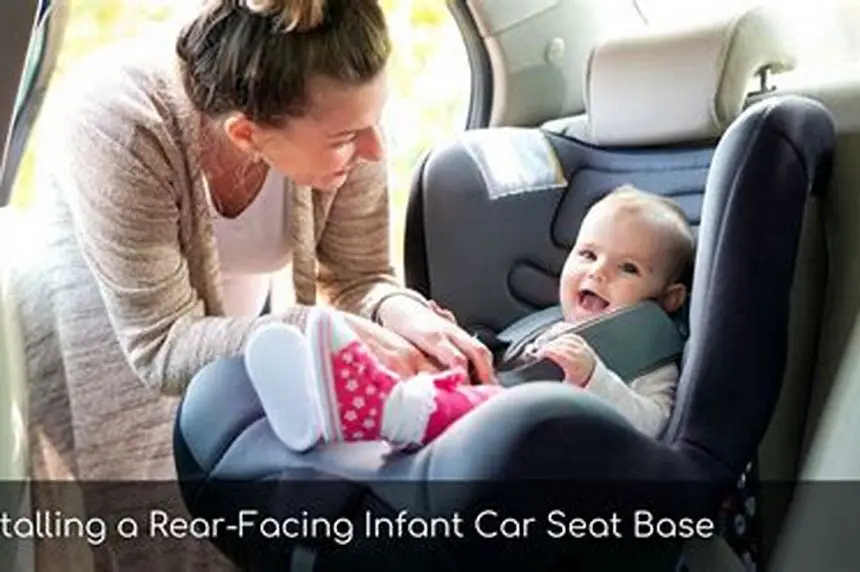
Car seat safety requires no loose fabric that can bunch or cover the baby’s face. A 120 cm by 120 cm muslin swaddle fits newborn size but is too loose for car seat use alone once rolling starts.
Use a sleep sack designed to fit inside car seats without restricting harness fit or movement. The sack should have a slim profile and fit 7-14 lb babies.
Check that the harness fits snugly over the sleep sack’s fabric, not under thick layers. This ensures crash safety and prevents slipping. We go through clothing fit for newborns step by step elsewhere on the site.
Avoid bulky or padded sleep sacks in car seats. Look for lightweight cotton sacks with minimal filling.
Using a swaddle blanket in a car seat requires extra caution. The 120 cm muslin swaddle is usually too large to use alone once rolling begins because it can bunch under the baby or interfere with harness straps. Always use a sleep sack specifically designed for car seat use in these cases.
A proper car seat sleep sack should be thin, with no padding, and fit snugly to the baby's torso. For example, look for a sack with a chest width of about 9 to 11 inches and a length of 18 to 22 inches for babies 7 to 14 pounds. This size fits most infant car seats safely.
Always place the car seat harness straps over the sleep sack, never under. This check confirms the harness can hold the baby securely in a crash. If the harness does not lie flat or feels loose, the sack is too bulky or ill-fitting for car seat safety.
At what age can my baby start sleeping with a blanket
The American Academy of Pediatrics advises against loose blankets for babies under 12 months. Blankets pose suffocation and overheating risks.
Most babies begin safely using a light blanket between 12 and 18 months when they can move independently and remove covers.
Before that age, wearable blankets or sleep sacks are safer alternatives for warmth without loose fabric.
Always assess room temperature and baby’s clothing layers before adding any blanket, even after 12 months.
Sleep sack wearable blanket for hot nights
For hot nights, use a sleep sack made of lightweight, breathable materials like muslin or cotton gauze. These fabrics allow airflow and reduce heat retention.
Avoid fleece or insulated sleep sacks, which can cause overheating and sweating in newborns.
Look for sleeveless or short-sleeve designs that increase ventilation while keeping the baby safe from loose sheets.
Choose sacks with moisture-wicking properties if you expect high humidity or warm climates.
Always monitor your baby’s temperature and avoid overdressing, even in a sleep sack.
Questions people still ask
Can I swaddle a baby who already rolls at 6 weeks?
No. Swaddling can restrict movement and increase risk of suffocation once rolling starts. Switch to a sleep sack that allows arm movement safely.
How do I measure if a sleep sack fits my baby for 0-3 months?
Check the weight range on the sack label, usually 7-14 lbs for 0-3 months. Fit should be snug at neck and armholes without excess fabric.
Are all sleep sacks safe for car seat use?
No. Only thin, snug-fitting sleep sacks without bulky padding are safe in car seats. Bulky sacks can interfere with harnesses and reduce crash protection.
When can I stop using wearable blankets and start with normal blankets?
Most experts advise waiting until 12 months when babies can adjust covers themselves. Before then, stay with wearable blankets or sleep sacks.
What fabrics are best for sleep sacks in hot weather?
Lightweight muslin and cotton blends provide breathability and moisture control, keeping the baby cool without sacrificing safety.