Cotton footed pajamas in a 61F room: how many layers
For a 61F room, start with one cotton footed pajama over a diaper. Check the back of your baby’s neck after settling. Add a sleep sack only if the neck feels cool, and follow the sack maker’s room-temperature chart. There is no universal cotton-to-tog conversion.
On this page (11 sections)
- Fit check
- What matters most
- A 61F room is cooler than common safe-sleep guidance
- One cotton footed pajama is the sensible starting layer
- Tog ratings describe insulation but differ between brands
- Cotton can need help in a colder room
- Check the neck or chest instead of the hands and feet
- Footed pajamas should leave room for movement
- Newborns need a correctly sized sleep space and sack
- Some babies need a different starting point
- Questions people still ask
Part of our guide on choosing sleep sacks for rolling babies

Gerber Baby-Boys 4-Pack Footed Pajamas
Puts one breathable 100% cotton layer on your baby for a 61°F room, with a front zipper and a fabric guard
Check it on Amazon
Gerber Baby Boys 4 Pack 'N Play Footie And Toddler Sleepers
A 100% cotton footed layer sized for a newborn, with fold-over mitten cuffs on smaller sizes and a zip front
See this alternative
Simple Joys by Carter's Baby and Toddler 3-Pack Snug-Fit Footed
Another single snug-fitting cotton layer for the crib, with a full-length zipper and a chin tab to keep the
See the budget option| Product | cotton layers (count) | Verdict | |
|---|---|---|---|
| Gerber Baby-Boys 4-Pack Footed Pajamas Gerber | 100% cotton, 1 layer per garment: 1 starting layer meets the 1-layer threshold | Meets it | View on Amazon |
| Gerber Baby Boys 4 Pack 'N Play Footie And Toddler Sleepers Gerber | 100% cotton jersey, 1 layer per garment: 1 starting layer meets the 1-layer threshold | Meets it | View on Amazon |
| Gerber Baby Girls 4-pack Footed Pajamas And Toddler Sleepers Gerber | 100% cotton footed pajamas, 1 layer per garment: 1 starting layer meets the 1-layer threshold | Meets it | View on Amazon |
| Simple Joys by Carter's Baby and Toddler 3-Pack Snug-Fit Footed Simple Joys by Carter's | Cotton snug-fit footed pajamas, 1 layer per garment: 1 starting layer meets the 1-layer threshold | Meets it | View on Amazon |
The numbers
- Room temp
- 61F (16C)
- Starting layer
- 1 cotton footed pajama
- Sack choice
- Use the brand’s chart
- Warmth check
- Back of neck or chest
- Foot fit
- Toes can wiggle freely
- Cold-room rule
- Add one change at a time
What matters most
- A 61F room is cooler than the 16C to 20C range commonly advised by the NHS and Lullaby Trust.
- Start with one cotton footed pajama, then use a neck check to guide another layer.
- Tog describes insulation, but ratings and charts differ between brands.
- Choose lighter jersey or rib cotton for mild coolness. Quilted cotton adds more warmth.
- Newborns need a correctly sized sleep sack and a clear, flat, separate sleep space.
A 61F room is cooler than common safe-sleep guidance
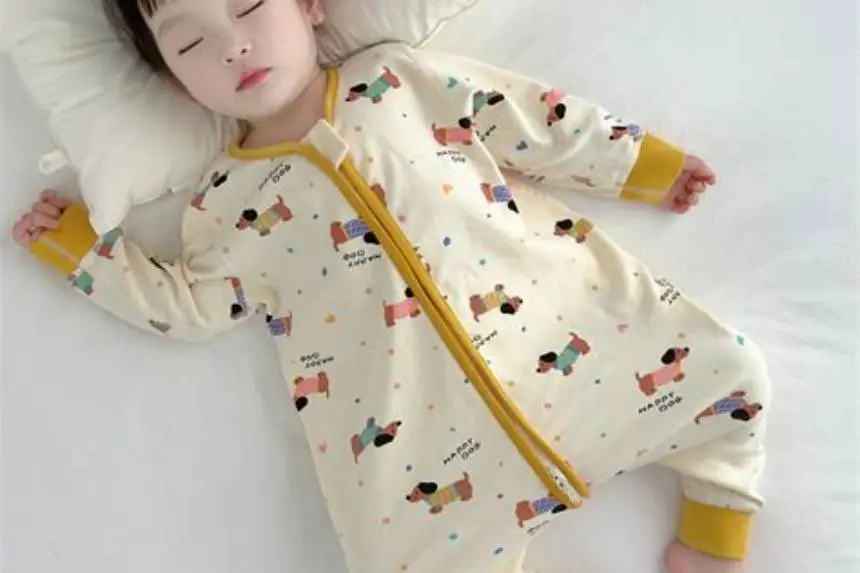
The NHS and the Lullaby Trust commonly advise a baby’s room temperature around 16C to 20C, or about 61F to 68F. A 61F room sits at the cool edge of that range, so clothing needs checking rather than guessing.
The temperature alone cannot choose the outfit. Your baby’s age, health, sleep sack, pajama fabric, and heating pattern all matter. A premature or unwell baby may need advice from a clinician.
Measure the room near the sleep space. A thermometer on a nearby shelf gives a useful reading, but it can differ near a window, heater, wall, or floor. The floor is often cooler than the thermostat, though the difference depends on the room and heating system.
| Room setup | Starting clothing | What to check |
|---|---|---|
| About 61F with light cotton | 1 footed cotton pajama | Neck warm, not sweaty |
| About 61F with thick cotton | Lighter sleep sack, or no sack | Chest not hot |
| Cooler room | Follow the sleep-sack maker’s chart | Recheck after one change |
| Uneven or drafty room | Measure near the crib | Avoid direct drafts and heaters |
One cotton footed pajama is the sensible starting layer
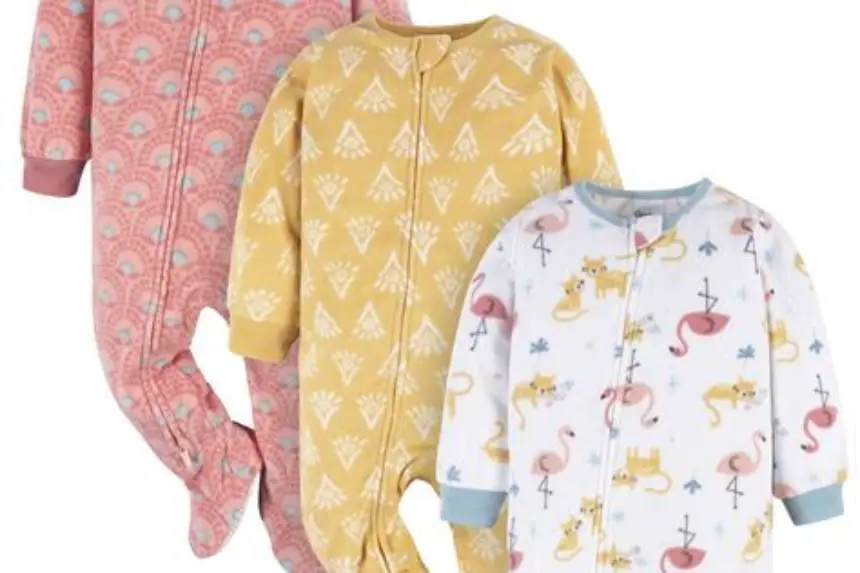
Put one cotton footed pajama over a diaper. Skip an extra onesie at first. This gives you a clear baseline for the neck check. Before you commit to anything, it is worth looking at what is a blanket sleeper.
A thin jersey or rib pajama usually adds less warmth than quilted cotton. Quilted fabric, brushed cotton, and thick terry hold more air. Match the sleep sack to the whole outfit, not just the fiber label.
If your baby’s neck feels comfortably warm and dry, leave the outfit alone. If it feels cool, add one light layer and check again later. If it feels hot, damp, or sweaty, remove a layer.
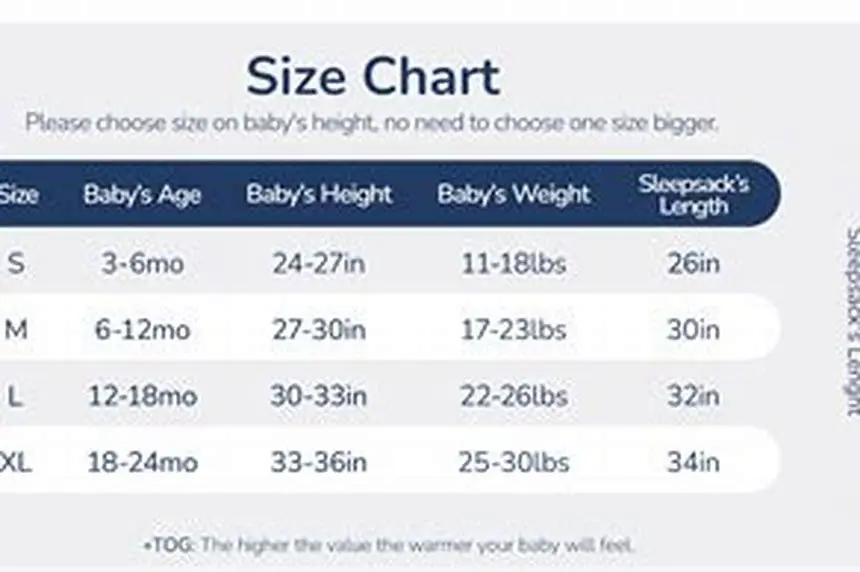
A sleep sack can sit over the pajamas when your baby needs more insulation. Follow its room-temperature chart and clothing instructions. A sack rating is a starting guide, not a promise that one number suits every baby. We cover baby clothing size tips in its own article.
| Cotton type | Warmth compared with thin jersey | Use at 61F |
|---|---|---|
| Jersey | Lighter | Good base layer |
| Rib knit | Light to medium | Good base layer |
| Brushed cotton | Medium | Use a lighter sack if needed |
| Quilted cotton | Warmer | Check carefully before adding a sack |
Gerber Baby-Boys 4-Pack Footed Pajamas
Puts one breathable 100% cotton layer on your baby for a 61°F room, with a front zipper and a fabric guard over the neck, though the zip only opens one way.
- Is adult product False
- Size 18 Months
Tog ratings describe insulation but differ between brands
Tog is a measure of thermal resistance. A higher number generally means more insulation. It does not tell you exactly how warm your baby will feel in a particular room.
Tog labels are not standardized as a complete outfit system across brands. One company’s chart may pair a 1.0 tog sack with lighter pajamas, while another gives different clothing advice. Read the chart supplied with the sack you own.
The NHS and Lullaby Trust provide room-temperature and safe-sleep advice, but they do not create one universal cotton-pajama conversion. Use their temperature guidance alongside the manufacturer’s instructions. We cover establishing routines early in its own article.
Check the sack size at the neck and armholes. It must not slip over your baby’s face. Never add loose blankets, weighted items, hats, or extra material inside the sack.
Gerber Baby Boys 4 Pack 'N Play Footie And Toddler Sleepers
A 100% cotton footed layer sized for a newborn, with fold-over mitten cuffs on smaller sizes and a zip front for night changes.
- Is adult product False
- Size 0-3 Months
- Height 5.0 inches
Cotton can need help in a colder room
Cotton works well as a base layer, but thin cotton gives limited insulation. A room below 61F may need a warmer sack or another fitted layer, depending on the pajama weight and your baby’s check.
Do not treat 59F as a universal cutoff. There is no single temperature where cotton suddenly stops working. Watch the neck, chest, and sleep pattern after the outfit has been in place.
For a colder room, choose one change. Add a thin fitted cotton layer, select a warmer pajama fabric, or follow the sack maker’s colder-room option. Avoid stacking a thick pajama with a thick sack without checking for heat.
Fixing the room may be easier than replacing sleepwear. A heater may cost less than buying a new wardrobe, but use it safely. Keep it away from the crib, curtains, and bedding. Follow its instructions, and avoid directing hot air at your baby.
| Fabric | What it offers | What to watch |
|---|---|---|
| Thin cotton jersey | Breathable base layer | May need a sack in a cool room |
| Rib cotton | A little more structure and warmth | Check the fit at the neck |
| Quilted cotton | More insulation | Can become too warm under a thick sack |
| Fleece or wool | More warmth than thin cotton | Use the maker’s guidance and check often |

Gerber Baby Girls 4-pack Footed Pajamas And Toddler Sleepers
Meets it
- Is adult product False
- Size 18 Months
- Height 3.66 inches
Check the neck or chest instead of the hands and feet
Feel the back of the neck or the upper chest through the clothing. It should feel comfortably warm, not hot, clammy, or distinctly cool. Hands and feet often feel cool even when the body is warm.
Check after your baby has settled, then make one change if needed. You do not need to keep disturbing a sleeping baby every few minutes. A repeat check later can confirm whether the new layer suits the room.
Remove a layer if the neck is hot, damp, or sweaty. Seek medical advice if your baby feels unusually cold or hot, looks unwell, breathes unusually, or is hard to wake.
A fussy baby may be cold, hot, hungry, or uncomfortable. Use the neck check with the whole picture rather than treating one waking as proof.
- Measure the room near the crib.
- Dress the baby in one starting outfit.
- Check the neck or chest after settling.
- Change one layer if the skin feels cool, hot, or damp.
- Check again later without adding repeated layers.
Simple Joys by Carter's Baby and Toddler 3-Pack Snug-Fit Footed Cotton Pajamas
Another single snug-fitting cotton layer for the crib, with a full-length zipper and a chin tab to keep the zip off the skin.
- Is adult product False
- Size 12 Months
Footed pajamas should leave room for movement
The feet should stay covered without pressing on the toes. Your baby should be able to wiggle every toe, and the fabric should not pull tight when the legs stretch.
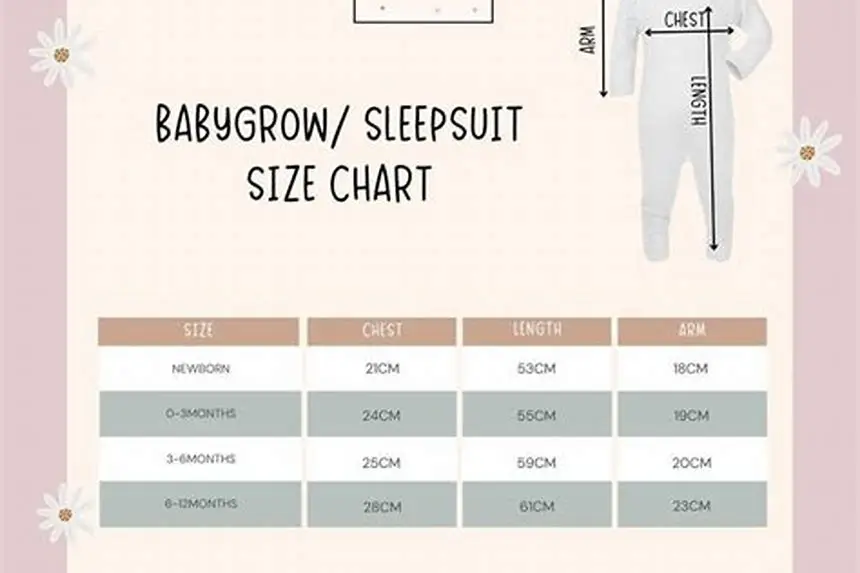
Do not rely on a fixed half-inch rule. Pajama shapes and sizes differ. Check the maker’s size chart, then look for pressure marks after wearing. Replace the pajamas if toes curl against the end or the foot bunches underneath.
The ankle cuff should stay in place without digging into the skin. The neck should sit close without choking or leaving loose fabric. A two-way zipper can make night changes easier.
Choose simple sleepwear without loose cords, bows, or detachable decorations. Follow the garment’s washing and flame-resistance instructions.
| Area | Good fit | Problem sign |
|---|---|---|
| Toes | Can wiggle freely | Pressed or curled toes |
| Foot | Lies flat without bunching | Fabric gathers under the sole |
| Ankle | Cuff stays in place | Cuff digs in or slips off |
| Neck | Close and comfortable | Loose gap or pressure mark |
| Body | Moves without pulling | Tight seams or twisted fabric |
Newborns need a correctly sized sleep space and sack
Footed pajamas over a diaper can be suitable for a newborn. The sleep sack must fit the newborn’s weight and length range, with a neck and arm openings that cannot let the baby slip inside.
Keep the baby on their back for every sleep. Use a firm, flat mattress with a fitted sheet. Keep the crib clear of loose blankets, pillows, bumpers, toys, and weighted products. The AAP and Lullaby Trust both advise a separate, clear sleep space.
Do not use a swaddle sack once your baby shows signs of rolling. Choose an arms-out sleep sack and follow the product instructions. Ask your clinician for personal advice if your baby was premature or has a medical condition.
Some babies need a different starting point
Babies who run hot may need only the cotton pajama at 61F. Babies who sweat easily need fewer layers, not a thicker sack. Check the neck before making a change.
Tummy sleeping raises safety concerns. Always place babies on their backs, and ask a clinician about any baby who rolls or sleeps in an unusual position. Do not use clothing to compensate for an unsafe sleep setup.
Toddlers have different mobility and safety needs. Check current safe-sleep guidance before using a blanket. Never use loose bedding for a baby who is not ready for it.
A clinician can help with babies who are premature, underweight, feverish, or unusually cold.
- Simple starting layer
- Easy neck check
- Cotton suits many mild cool rooms
- Thin cotton gives limited insulation
- Thick layers can overheat
- Tog charts differ by brand
For a 61F room, start with one cotton footed pajama over a diaper. Use the manufacturer’s sleep-sack chart and your baby’s neck or chest check to decide whether more warmth is needed.
Questions people still ask
What should my baby wear in a 61F room?
Start with one cotton footed pajama over a diaper. Check the neck or chest after settling. Add a fitted sleep sack only if the check or the maker’s chart supports it.
Can I put a onesie under footed pajamas?
You can add a thin fitted onesie if the neck stays cool. Check again after the change, and remove it if the skin becomes hot or damp.
What tog sleep sack should I use?
Use the chart from the sack’s manufacturer. Tog ratings are not fully standardized between brands, so one fixed rating cannot be safe for every outfit and room.
What if my baby’s feet feel cold?
Check the neck or chest. Cool feet are common. Add warmth only if the body also feels cool or your clinician advises it.
When should I switch from cotton?
Switch when the neck remains cool after one sensible fitted layer, or when the room is colder than your sleepwear handles comfortably. Choose a warmer fabric or follow the sack maker’s colder-room guidance.