What size babygrow fits a 12-month baby and a snug 6-month organic onesie
Get specific sizing for 12-month babygrows and snug 6-month organic onesies to dress your baby comfortably without overbuying.
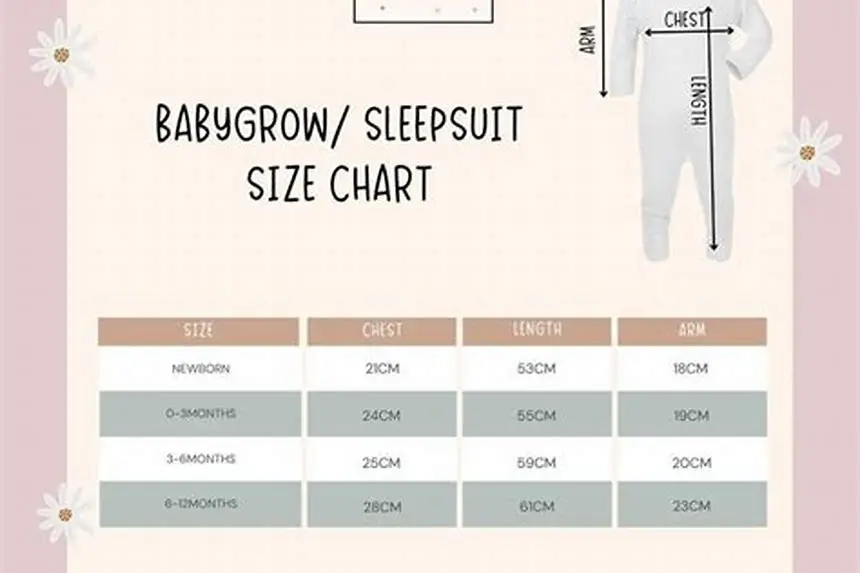
A 12-month babygrow usually fits babies weighing between 18-22 pounds and measuring 28-30 inches, but sizing varies with brand and fit; a 6-month organic cotton onesie fits snugly on babies around 16 pounds and 25 inches tall.
On this page (8 sections)
- The short version
- Babygrow sizing chart for 12 months
- Organic cotton onesie 6 month snug fit
- How to measure your baby for babygrow and onesie sizing
- Differences in fabric and fit affecting babygrow and onesie sizing
- Babygrow 12 months sizing chart comparison with 6-month onesie snug fit
- Choosing babygrow and onesie sizes based on your baby’s growth and body shape
- Questions people still ask
Part of our guide on best baby clothes for newborns 0-6 months
Precise baby sizing charts let you pick a 12-month babygrow and snug 6-month organic cotton onesie without guesswork or waste.
| 12-month babygrow weight | 18-22 lbs |
|---|---|
| 12-month babygrow height | 28-30 inches |
| 6-month onesie weight | around 16 lbs |
| 6-month onesie height | about 25 inches |
| Onesie fabric type | organic cotton |
The short version
- Babygrow 12 months suits babies 18-22 lbs and 28-30 inches tall
- Organic cotton onesies for 6 months fit babies around 16 lbs snugly
- Babygrow sizes vary by brand; check height and weight ranges
- Choose size based on your baby’s current measurements, not just age
- Fabric stretch affects snugness; organic cotton tends to fit tighter
Babygrow sizing chart for 12 months
Babygrows labeled for 12 months are typically intended for babies whose measurements fall near common industry examples: approximately 18–22 pounds and 28–30 inches. These figures come from widely used retail sizing references (for example, Carter’s and H&M children’s size guides) and represent approximate ranges, not hard rules. Brands differ: some use weight as the guiding metric, others list height or chest measurements; a 12-month label at one brand can fit very differently to a 12-month label at another.
Treat the numbers above as typical examples rather than guarantees. Always check the specific brand’s size chart before buying. If the product page links to a manufacturer chart (for example, Carter’s size guide or the H&M baby size chart), compare your baby’s current weight and height to the brand’s listed ranges. Fabric and cut matter: knit cotton with elastane will allow more give than a heavier woven organic cotton, and some manufacturers include notes on whether an item runs small, true to size, or large.
If your baby falls outside typical ranges, do more than simply pick the next age label. First, measure chest, waist and length, then consult the brand chart. If between sizes and you expect rapid growth, choosing the larger size gives room to grow; if your baby is long but slim, choose by height and check for narrow cuts. For significant outliers (for example, much heavier or much taller than the brand’s top range) contact customer service for garment measurements, look for styles advertised as ‘roomy’ or ‘adjustable’, or buy a size with fasteners that allow safer, more secure fit rather than an excessively loose babygrow.
| Size Label | Weight Range (lbs) | Height Range (inches) | Notes / Source |
|---|---|---|---|
| 9–12 Months | 15–20 | 26–29 | Example range on many retailer charts (see Carter’s / H&M for brand specifics) |
| 12 Months | 18–22 | 28–30 | Typical manufacturer guidance; check exact brand chart |
| 12–18 Months | 20–24 | 29–32 | Common larger-label option for roomier fit |
Organic cotton onesie 6 month snug fit
Organic cotton onesies labeled 6 months are commonly meant to fit babies in a typical retail range near 14–16 pounds and 24–26 inches, according to major brand size guides (for instance, take Carter’s or a mainstream retailer’s six-month recommendations as a reference). Because organic knit fabrics are often slightly firmer in hand than blended jerseys, these garments can feel snugger at the same numeric size than a blended cotton-elastane onesie would. Before you commit to anything, it is worth looking at baby onesie sewing guide.
Always treat the listed numbers as approximate. Sizes vary by manufacturer, by fabric composition and by cut. If the product page states “runs small” or shows customer photos, factor that into your decision. If your baby is near the upper edge of the brand’s 6-month weight or height range, expect less growing room; if near the lower edge, the fit will be roomier and likely last longer. Check sleeve and torso length measurements when available, because a baby can be long-and-lean or short-and-sturdy and still fall into the same weight band.
For babies who fall outside typical 6-month ranges, use these steps: measure chest, waist and length; consult the exact brand chart; contact customer service for flat garment measurements if needed. If your baby is long but light, pick by height; if heavy but short, pick by waist/chest and consider styles with stretch or snap openings. When in doubt, size up one label for a snug organic onesie if you want growth room, but prefer the next size down if you want a deliberately snug fit for swaddling or for layering under clothing.

GDMINLO Soft Tape Measure Double Scale Body Sewing Flexible Tailor Craft
No accuracy figures for weight or length measurement are published to confirm suitability for precise baby measurement.
How to measure your baby for babygrow and onesie sizing
Measuring your baby accurately is the key to choosing the correct babygrow or onesie size. Use a flexible measuring tape to measure the baby’s length from head to heel while lying flat. Weigh the baby on a digital baby scale for precise weight measurement. It helps to understand handling newborn toughest weeks before going further.
Take note of the baby’s current measurements and compare them to the size chart on the garment’s label or the retailer’s website. Do not rely solely on age because babies grow at different rates and the label’s age range is only a guideline.
Consider your baby’s growth trajectory: if your baby is growing quickly, buying a size slightly larger than the current measurements may save money in the short term. However, avoid size too large as it can be uncomfortable or unsafe.
- Lay baby flat on a safe surface.
- Measure head-to-heel length with a soft measuring tape.
- Weigh baby on a digital scale.
- Record measurements for reference.
- Compare measurements to sizing charts.
- Choose size closest to current or slightly larger measurements.
Differences in fabric and fit affecting babygrow and onesie sizing
Babygrows made from 100% organic cotton usually have less stretch compared to blends with elastane or polyester. This makes fit more precise but less forgiving. A 12-month babygrow in organic cotton might feel tighter than a blended fabric babygrow in the same size.
Onesies for 6 months in organic cotton often feel snug because the fabric is denser and less elastic than conventional cotton. Stretchy blends allow for more growing room, which can be ideal for quick-growing babies but might feel looser initially.
Fabric weight also influences fit and comfort. Lightweight organic cotton is breathable but may shrink slightly after washing, affecting fit. Always check if the garment has pre-shrunk fabric or care instructions that warn about shrinkage.
Babygrow 12 months sizing chart comparison with 6-month onesie snug fit
Here’s a direct comparison to help you see where a 12-month babygrow and a snug 6-month organic cotton onesie fit your baby in terms of weight and height. This helps avoid buying too large or too small and explains why a 6-month onesie can feel snug while a 12-month babygrow fits more comfortably.
Babies around 16 pounds and 25 inches generally wear 6-month onesies snugly, while 12-month babygrows gear for 18 to 22 pounds and 28 to 30 inches. If your baby is between these sizes, you may need to size up for onesies or size down for babygrows to get the right fit.
This comparison helps with layering choices. Snug 6-month onesies make good inner layers under roomier 12-month babygrows in cooler weather.
| Garment Type | Weight Range (lbs) | Height Range (inches) | Fit Notes |
|---|---|---|---|
| 12-month babygrow | 18-22 | 28-30 | Roomier fit for comfort and layering |
| 6-month organic onesie | 14-16 | 24-26 | Snug fit, minimal stretch |
Choosing babygrow and onesie sizes based on your baby’s growth and body shape
Babies grow at different speeds and have varied body shapes. Some are tall and slender, others short and stocky. This affects which size babygrow or onesie fits best even within the same weight or height range.
If your baby is tall but lean, a size based on height is better as longer garments prevent tightness in the torso or legs. For chubbier babies, weight-based sizing ensures the garment fits comfortably around the chest and belly without being too long.
Organic cotton onesies tend to fit tighter around the chest due to fabric weight and weave, so sizing up may help for babies with larger chest circumference. Keep in mind this could sacrifice some snugness that prevents fabric bunching.
Knowing your baby’s body shape helps you choose the right size and fabric blend: snug organic cotton for slender babies, a stretch blend for chunkier babies who need more room.
Questions people still ask
Can I buy a 12-month babygrow for a baby who is small for their age?
If your baby is smaller than typical size ranges for 12 months, consider sizing down to 9- or 6-12 months depending on weight and height. Always measure your baby before buying to ensure a comfortable fit.
Why does an organic cotton onesie feel tighter than other onesies?
Organic cotton has less blend and stretch, making it denser and less flexible than synthetic blends. This results in a snugger fit, especially in smaller sizes like 6 months.
How much growing room should a babygrow have?
Babygrows typically have 10-20% extra room in length and width for comfort and layering. Overly large sizes can cause safety risks from excess fabric.
Are all 12-month babygrows sized the same across brands?
No, sizing varies significantly between brands. Some run small or large compared to others. Always check each brand’s specific weight and height charts.
Should I size up a onesie if my baby is between sizes?
For snug fits in organic cotton onesies, sizing up is recommended if your baby is near the upper weight or height limit to avoid tightness and discomfort.