What is a baby blanket sleeper and how it differs from a sleepsuit or babygrow
Learn what a baby blanket sleeper is, how it differs from a sleepsuit or babygrow, and pick styles suited for your baby’s age and comfort.
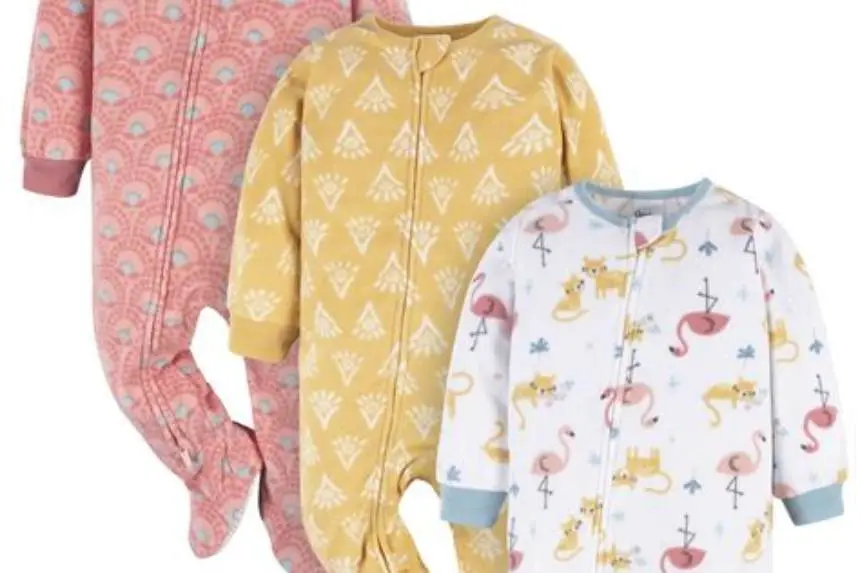
A baby blanket sleeper is a one-piece, often footed garment designed for warmth and comfort during sleep, usually thicker than sleepsuits and babygrows and often with full zips or snaps for easy diaper changes.
On this page (9 sections)
- The short version
- What is a baby blanket sleeper
- What is the difference between sleepsuit and babygrow
- Baby blanket sleepers with feet 3-6 months
- Zip sleeper 0-3 months with mitten cuffs
- Babygrows with zips for easy diaper changes
- Footed pajamas 3-6 months with non-slip soles
- Baby blanket sleeper 0-3 months cotton muslin
- Questions people still ask
Part of our guide on baby clothes for first six months
A baby blanket sleeper is a thicker, footed sleep garment that differs clearly from thinner sleepsuits and babygrows in warmth and design.
| Blanket sleeper thickness | Thicker than sleepsuits |
|---|---|
| Typical age range | 0-6 months mainly |
| Footed design | Yes, common |
| Closure types | Zips and snaps |
| Material example | Cotton muslin |
The short version
- Blanket sleepers are thicker, footed garments for sleep warmth.
- Sleepsuits and babygrows are lighter, less bulky sleepwear.
- Zippers and mitten cuffs aid diaper changes and prevent scratching.
- Features should match baby’s age and mobility for safety and comfort.
- Cotton muslin sleepers offer breathability especially for newborns.
What is a baby blanket sleeper
A baby blanket sleeper is a one-piece garment designed primarily for sleep that covers the entire baby’s body, including feet. It is thicker and more insulated than typical baby sleepsuits or babygrows, making it suitable for cooler environments or nights where extra warmth is needed.
Typically made from soft knit fabrics like fleece or brushed cotton, blanket sleepers often feature full-length zippers or snaps to enable easy diaper changes without taking the garment off. Their footed design keeps the baby’s feet warm without requiring separate socks or booties, which can be lost or uncomfortable.
Because they provide total coverage and warmth, blanket sleepers are a popular choice for infants, particularly from birth up to six months, when babies tend to sleep longer stretches and need consistent temperature regulation.
What is the difference between sleepsuit and babygrow
Sleepsuits and babygrows are terms often used interchangeably in the US and UK respectively, but subtle design differences exist. Both are one-piece garments meant for sleep and comfort, but babygrows tend to be slimmer and lighter, often without feet or with fold-over mitten cuffs only. We cover co sleeper bassinet that attaches to full size bed in its own article.
Sleepsuits typically have feet, providing warmth to the baby’s toes, and may be thicker or quilted depending on climate and season. Babygrows may be made from lighter cotton fabrics suited for warmer environments or indoor use.
Both designs prioritize easy diaper changes with zippers or snaps along the front or legs. The main difference lies in foot coverage and fabric weight: babygrows are less bulky, making them better for layering or warmer temperatures.
In some regions, the term 'babygrow' can also imply a softer, more flexible fit tailored for younger infants, whereas sleepsuits might be designed with slightly more structured seams for durability as babies become more active. For example, babygrows made from lightweight cotton often range between 100-150 grams per square meter (gsm), while sleepsuits might use fabrics weighing 150-200 gsm to provide added warmth. This weight difference influences how parents choose between the two based on seasonal needs.
A common check to distinguish these garments is to look at the ankle and wrist areas: babygrows generally have elasticized cuffs that you can fold over to act as mittens or to secure the garment, whereas sleepsuits often have fixed foot coverings and may lack fold-over wrist cuffs. This practical feature helps prevent scratching in babygrows and aids in temperature regulation, especially in warmer climates.
| Feature | Sleepsuit | Babygrow |
|---|---|---|
| Foot coverage | Often footed | Sometimes footless or fold-over mittens |
| Fabric weight | Thicker options | Generally lighter cotton |
| Closure style | Full front zips or snaps | Front zips or snaps |
| Best for | Cooler temperatures | Warm indoor or layered |
Baby blanket sleepers with feet 3-6 months
For babies 3-6 months old, footed blanket sleepers provide full-body warmth and comfort during sleep or rest. At this stage, babies start to move more, so sleepers designed with slight stretch and breathable fabrics keep them cozy without overheating.
Look for sleepers made from cotton blends or fleece with sealed seams that reduce drafts. Features like fold-over mitten cuffs prevent babies from scratching themselves, while zip covers or guards protect their delicate skin from zipper contact.
These sleepers often have non-slip soles on the feet to add safety when babies begin to crawl or stand, reducing the risk of slipping on smooth surfaces.
When selecting blanket sleepers with feet for 3-6 months, you need to consider the sizing carefully. Babies at this age grow rapidly, and a sleeper that is too tight can restrict movement, while too loose can cause fabric bunching, leading to discomfort or overheating. For instance, a 3-month-old baby typically wears sizes labeled 3-6 months, but individual measurements of chest and length should guide the choice to ensure a snug but comfortable fit.
A worked example: if a baby measures 24 inches in length and 17 inches around the chest, parents should look for sleepers specifying these dimensions rather than relying solely on age brackets. This practice helps in maintaining the sleeper's insulating properties without compromising mobility, which is essential as babies develop new motor skills during this stage.

Nursery Thermometer & Humidity Monitor
Provides nursery temperature and humidity readings with sleep clothing guidance to help avoid overheating muslin sleepers.
Zip sleeper 0-3 months with mitten cuffs
Newborn sleepers between 0-3 months often feature full-length zippers for quick diaper changes and fold-over mitten cuffs to protect tiny nails from accidental scratches. These zipped sleepers reduce dressing hassle and minimize disturbance to a sleeping baby.
The mitten cuffs also serve to keep hands warm when gloves are impractical. Soft cotton muslin or jersey knit fabric is preferred for this age group due to breathability and gentle touch on delicate skin.
Ensure the zipper has a fabric guard underneath to prevent the zipper from catching skin. The garment’s fit should be snug but not tight, allowing room for natural movements.
Babygrows with zips for easy diaper changes
Babygrows equipped with zippers instead of only snaps simplify diaper changes, especially during nighttime. The zipper usually runs from the neck or down one leg, allowing parents to access the diaper area quickly without removing the whole garment.
Compared to snaps, zippers provide a smoother, faster fastening method and reduce the chance of missing a snap, which can cause discomfort or leaks. However, zippers must have good quality guards to protect the baby's skin against pinching or irritation.
Parents should pick babygrows with sturdy zippers that glide easily and include zipper garages or fabric flaps to cover the zipper top for extra safety.
Footed pajamas 3-6 months with non-slip soles
Footed pajamas designed for babies aged 3-6 months often include non-slip soles on the feet. This feature is essential as babies start to test standing or crawling, reducing slips on hardwood or tile floors.
Materials for these pajamas vary but typically combine soft cotton or fleece with rubberized or silicone grips on the soles. Non-slip soles usually cover the entire foot bottom or key pressure points to maximize traction.
Parents should verify that the grips are securely attached and do not peel off, which could present choking hazards. Footed pajamas remain preferable to socks alone, which can easily fall off and provide no grip.
Baby blanket sleeper 0-3 months cotton muslin
Cotton muslin baby blanket sleepers for 0-3 months offer superior breathability and softness, ideal for newborn skin prone to heat rash or irritation. Muslin fabric is loosely woven, allowing better air circulation while still providing warmth.
These sleepers are typically lightweight, making them suitable for layering under warmer clothing or for use in mild climates. The fabric’s natural absorbency also helps wick moisture away, keeping babies dry and comfortable.
Muslin sleepers often have snap or zip closures and may include features like fold-over mittens and footed design. However, they are less insulating than fleece or heavier cotton, so parents should assess room temperature before selecting muslin for sleepwear.
A potential drawback of cotton muslin blanket sleepers is that their loose weave, while breathable, may diminish their effectiveness in retaining body heat during very cold nights. Parents using muslin sleepers in temperatures below 18°C (64°F) should add an additional layer, such as a thermal sleepsuit underneath, to maintain the appropriate sleep environment for the baby.
To confirm that the baby is comfortable in a muslin sleeper, a simple check is to feel the back of the baby’s neck or their tummy. If these areas feel cool to the touch, it indicates that the baby may require an extra layer. Conversely, if the skin feels moist or hot, the muslin sleeper is likely too warm for the current conditions. This check helps avoid risks of overheating or chilling, which can disrupt sleep and affect infant health.
Questions people still ask
Can a baby wear a blanket sleeper in warm weather?
Blanket sleepers are generally thicker and designed for cooler temperatures. For warm weather, lighter materials like cotton muslin or thinner sleepsuits are better to prevent overheating.
What is the safest closure type for baby sleepers?
Full-length zippers with fabric guards are considered safest and easiest for diaper changes, reducing pinching risks. Snaps are also safe but slower to operate.
Do all baby sleepers come footed?
No, many babygrows and sleepsuits come footless or with fold-over mittens instead of foot coverings, especially for warmer climates or older babies.
How do I know when a baby needs non-slip soles on pajamas?
Non-slip soles are useful when babies start crawling or attempting to stand, generally around 3-6 months, to prevent slipping on hard floors.
Can I use a muslin sleeper for overnight sleep?
Muslin sleepers suit mild temperatures but are not warm enough for cold nights without layering; monitor room temperature carefully to avoid baby getting too cold.