How to handle the toughest weeks in your newborn baby's first months
Find clear strategies to manage sleep deprivation, stress, and routines during your newborn’s challenging first months.
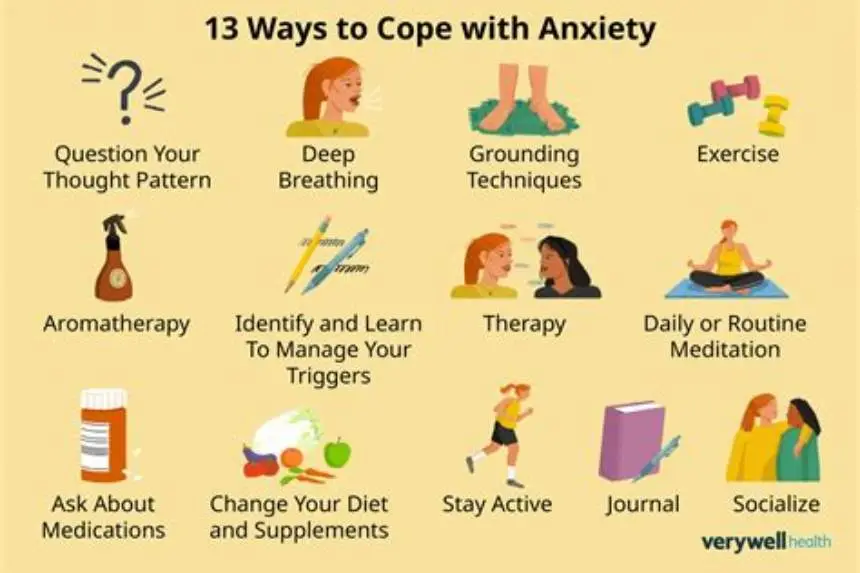
You cope in the first few months by managing sleep deprivation with short naps, establishing simple routines, asking for help early, and recognizing burnout signs before exhaustion peaks.
On this page (8 sections)
- The short version
- How to manage sleep deprivation and fatigue
- Ways to cope with feeling overwhelmed
- Simple daily routines that help parents regain control
- When to ask for help and how to recognize burnout
- How do you cope in the first few months by dressing baby comfortably without overbuying
- Practical tools that ease coping during the first months
- Questions people still ask
Part of our guide on baby clothes for first six months
Clear, practical steps to manage your newborn’s demanding first months and reduce stress without added confusion.
| Newborn sleep | 14-17 hours/day |
|---|---|
| Nap length | 15-45 minutes |
| Overwhelm risk | High first 3 months |
| Burnout signs | Irritability, fatigue |
| Baby clothes layers | 1-2 over body temp |
The short version
- Short naps ease sleep deprivation pressure
- Simple routines restore daily control
- Early help prevents burnout
- Recognize emotional overload signs
- Adjust baby clothing to comfort without excess
How to manage sleep deprivation and fatigue
Newborns sleep about 14-17 hours daily, often in short stretches of 2-4 hours. Parents usually get fragmented sleep, which accumulates to severe fatigue. Prioritize naps when your baby sleeps, even if short, usually 15-45 minutes, to maintain minimum alertness.
Avoid rigid sleep schedules early on. Instead, respond flexibly to your baby’s unpredictable sleep patterns to reduce stress. Use white noise or blackout curtains to help your baby sleep longer stretches when possible but accept that full nights come slowly.
Limit caffeine intake to avoid worsening sleep quality and dehydration. Track your own sleep deficit over days to know when acute rest is overdue. A basic sleep tracker app or journal can help you monitor this subtle but critical need.
Ways to cope with feeling overwhelmed
Feeling overwhelmed is common due to constant care demands and disrupted routines. Name your feelings instead of suppressing them; acknowledging stress reduces its impact. Share these feelings with a partner or friend to lessen isolation.
Break overwhelming tasks into small steps. For instance, change diapers only when necessary instead of obsessing over every minute. Emphasize achievable goals like feeding and soothing, not perfection in every moment.
Set clear boundaries around advice and unsolicited opinions. Your baby’s needs vary uniquely, so trust your observations over conflicting tips that increase confusion. Accept that some days will be harder and plan for mental breaks accordingly.
Recognize that feeling overwhelmed can intensify when your support system is limited or when you face unexpected challenges such as illness or feeding difficulties. In these moments, giving yourself permission to pause and prioritize your own mental health is crucial, even if it means postponing non-essential tasks. For example, if a diaper blowout happens right after a feeding, it’s okay to take a deep breath before cleaning up to prevent frustration from escalating.
Keep a small notebook or use a notes app to jot down moments when you feel overwhelmed and what triggered it. Reviewing these notes weekly can help identify patterns and allow you to anticipate and prepare for stressful situations, reducing their impact. For instance, you might notice evenings are hardest and arrange additional support or calming activities during that time.

1080P WiFi Baby Monitor With Camera And Audio,4" Screen,PTZ 360°,2.4GHz
Alerts you to your baby's cries with VOX cry detection and real-time alerts, helping you rest with up to 14 hours of continuous screen use.
Simple daily routines that help parents regain control
Establishing a few predictable daily routines can provide stability. Start small: a morning feeding ritual, a mid-day brief walk with the baby, a bedtime bath or massage. Repetition anchors your day and signals rest times to your baby.
Use feeding and diaper changes as natural breaks to check your own needs: hydrate, eat, breathe deeply. Prepare essentials nearby to avoid scrambling. Even a routine of 3-4 key moments per day can reduce chaos perception.
Routine doesn't mean rigidity. Allow flexibility around your baby’s cues. Adjust timing by blocks rather than clocks. This balance fosters calm for both you and baby, preventing overwhelm from unrealistic expectations.
Incorporate short, manageable self-care moments into your routines, such as sipping a cup of tea during a feed or spending five minutes stretching or meditating while the baby naps. These micro-breaks recharge your energy and improve resilience against stress. For example, a quick breathing exercise lasting just two minutes can lower your heart rate and calm your mind.
Track what parts of your daily routine feel most helpful and which cause stress. Adjust or eliminate activities that add pressure without benefit. For example, if a planned midday walk becomes stressful due to weather or timing, switch to indoor floor time or seated play. Flexibility in routines allows them to be a tool for control rather than a source of frustration.
When to ask for help and how to recognize burnout
Burnout surfaces as persistent irritability, exhaustion beyond physical tiredness, feeling emotionally numb or hopeless. Watch for these as red flags indicating you need support, not just rest.
Ask for help early: from partners, family, friends, or professionals. Even short breaks for meals, shower, or rest can reset your coping. Do not wait to feel 'at breaking point': early intervention prevents longer recovery.
Consider local parent support groups or counseling if stress persists. Sometimes, recognizing burnout requires honest self-checks or input from trusted others. Tracking mood or energy daily, with a simple app or journal, can highlight worsening trends.
How do you cope in the first few months by dressing baby comfortably without overbuying
Dress your newborn in 1-2 layers more than what you are comfortably wearing indoors, adjusting for room temperature (usually 68-72°F). Overheating is a risk; it’s safer to add a light blanket than heavy clothing.
Choose versatile, soft clothes that wash easily and fit snugly but allow movement. Avoid buying large quantities of one size; babies grow rapidly through sizes in just weeks, often needing fewer garments than expected.
Prioritize essentials: bodysuits, sleepers, a couple of hats and mittens. Resist buying many specialty items until you see your baby’s preferences and growth pace. Sort clothes by season and size to prevent clutter and wasted expense.
When selecting clothing, consider fabric breathability and ease of diaper access to reduce fussiness during changes. Cotton is often preferred for its softness and moisture-wicking properties, minimizing skin irritation. Avoid materials that are prone to overheating or that require complicated layers which can delay changes.
Limit clothing quantities by sharing hand-me-downs or borrowing from friends to reduce clutter and expense. For example, having only 5-7 bodysuits in rotation allows for regular washing without excess. Monitor your baby’s growth weekly; a single size may only be appropriate for 2-3 weeks, so avoid buying large sets upfront.
Test clothing comfort by observing your baby’s reactions during wear and after washing. Signs of discomfort include persistent fussiness, redness, or marks on the skin. Adjust clothing choices accordingly to maintain comfort and help your baby settle more easily through the day.
Room Temperature (°F) | Baby Clothing Layers |
|---|---|
| 68-72 | 1 layer + sleeper |
| 60-68 | 1 layer + sleeper + hat |
| Below 60 | 2 layers + sleeper + hat + mittens |
Practical tools that ease coping during the first months
A reliable baby monitor with sound and movement detection helps you rest while your baby naps safely nearby. This prevents unnecessary room visits that disturb your and baby’s sleep.
A sleep tracker or simple journal to log your baby’s naps and feedings gives you insight into patterns and progress, reducing guesswork and stress over unknowns.
A lightweight carrier or wrap supports hands-free closeness, calming your baby and freeing you for essential home tasks without overstretching.
Balancing your physical load with a good water bottle encourages hydration, crucial when managing fatigue.
Questions people still ask
What is the best way to handle night feedings without losing too much sleep?
Prepare all feeding supplies before bedtime to minimize disruption. Use dim lighting and quiet voices. Try to feed in the same place each night to create a soothing routine. Short naps for parents before or after feedings help mitigate sleep loss.
How can I tell if my feelings of overwhelm are normal or signs of postpartum depression?
Normal overwhelm fluctuates and often improves with rest and support. Persistent sadness, loss of interest, or thoughts of harm require professional evaluation. If your feelings interfere with daily functioning past two weeks, consult a healthcare provider promptly.
Is it really possible to establish routines so early with a newborn?
Yes, simple routines around feeding and sleep cues are possible and helpful. They don’t have to be strict schedules but consistent sequences that signal time for certain activities, easing transitions and reducing daily chaos.
When should I stop layering my baby’s clothes indoors?
Once your baby shows signs of regulating their body temperature better, often after 3 months, you can reduce layers to match ambient room temperature closely. Always check baby's neck or back for overheating and adjust accordingly.
How do I ask for help without feeling like I’m burdening others?
Ask specifically and clearly, offering time frames or tasks people can manage easily. Most caregivers want to help but don't know how. Expressing gratitude and explaining your needs makes it easier for them to step in.