How to safely use a baby nasal aspirator on newborns step-by-step
Use a baby nasal aspirator gently, no more than two or three times daily, clearing only visible mucus while avoiding deep insertion. Clean the tool thoroughly after use to prevent infection. Newborns need extra care in handling and suction pressure.
On this page (8 sections)
- What matters most
- What is a baby nasal aspirator and why it matters
- Is it safe to use nasal aspirators on babies?
- How to use a baby nasal aspirator correctly
- Differences between nasal aspirator types and when to use each
- Cotton swab with safety guard for newborn use
- When to seek help and avoid nasal aspirators
- Questions people still ask
Part of our guide on shampoos for sensitive skin
The numbers
- Max uses per day
- 3 times
- Nasal depth limit
- about 1 cm
- Suction time
- 5-10 seconds
- Newborn age
- 0-4 weeks
- Cleaning method
- warm soapy water
- Safety guard length
- 0.8-1.2 cm
What matters most
- Use the aspirator gently to avoid nasal tissue damage.
- Limit use to 2-3 times per day to prevent irritation.
- Clean the aspirator thoroughly after each use.
- Avoid deep insertion to keep your newborn safe.
- Consider cotton swabs with safety guards as a gentle alternative.
What is a baby nasal aspirator and why it matters
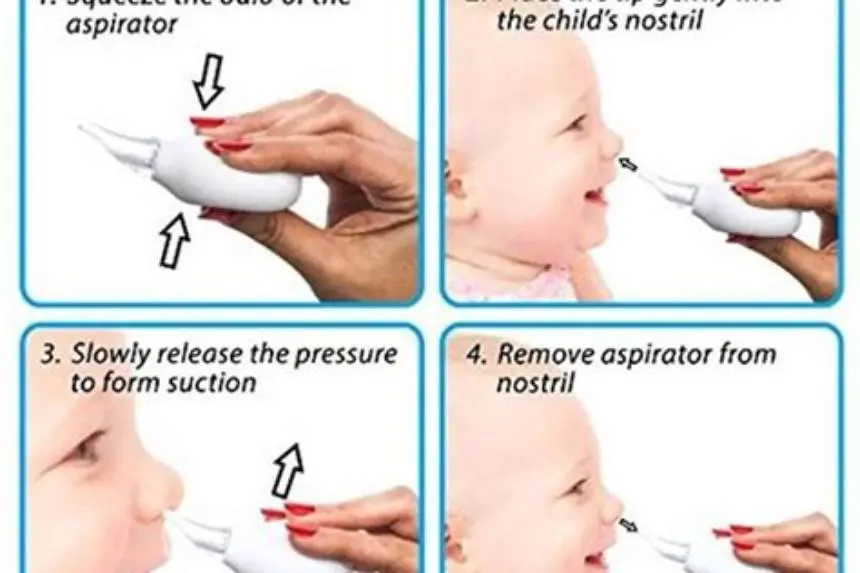
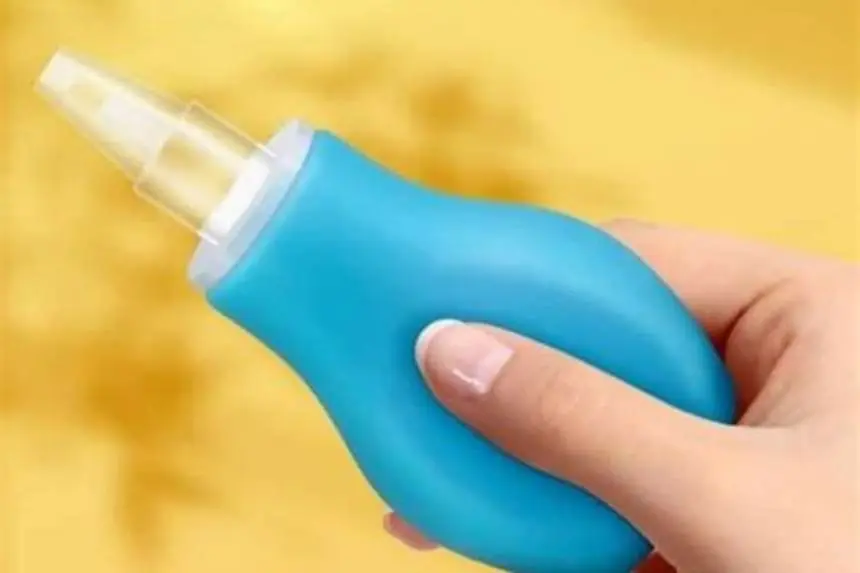
A baby nasal aspirator is a small device designed to clear mucus from your baby's nose. This helps newborns breathe better, especially when they can't blow their nose yet.
They come in different types like bulb syringes, manual pumps, or electric models. All work by creating suction to remove mucus gently.
Newborn noses are very small and delicate. Using the aspirator correctly avoids causing pain or injury.
Some aspirators have soft silicone tips to prevent irritation. These tips can be removed and cleaned separately, helping maintain hygiene. We cover removing cradle cap safely in its own article.
Mucus buildup blocks airways and can disrupt feeding and sleeping. Clearing it gently can improve your baby’s comfort and reduce fussiness.
Some aspirators include features like adjustable suction levels or different sized tips. These adapt the tool for several babies and ages, offering more comfort and safety.
If mucus is clear and thin, use the aspirator less often. Thick, colored mucus may need more frequent clearing but watch for signs of infection. For the detail, see our notes on best manual bulb nasal aspirator for 0-6 months.
Is it safe to use nasal aspirators on babies?
Nasal aspirators are safe if used carefully and sparingly. Experts recommend limiting use to no more than three times a day to avoid irritating your baby's nasal lining.
Overuse or forceful suction can cause nosebleeds or swelling, which makes breathing worse. Newborns’ nasal tissues are especially sensitive in the first four weeks.
Check your baby’s comfort during use. If you see redness, bleeding, or discomfort, pause and consult your pediatrician. Before you commit to anything, it is worth looking at disinfecting wipes safe for baby.
Babies born prematurely or with respiratory issues may require extra care. Consult your pediatrician before using an aspirator to avoid aggravating delicate airways.
Observe your baby’s reaction carefully. If they cry excessively or struggle to breathe after suction, stop and seek advice.
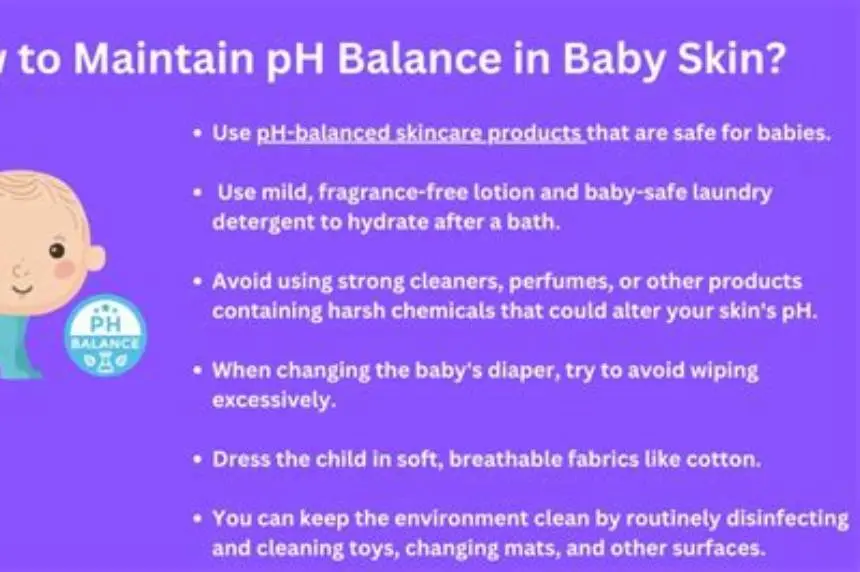
Babies with sensitive skin might react to aspirator tips made from certain materials. Silicone tips are usually best to reduce allergic reactions or irritations. Before you commit to anything, it is worth looking at sensitive skin pH-balanced wash.
The risk of nasal damage rises if suction is too strong. A good test is to watch the baby’s face during use. If they wince or pull back, reduce suction immediately.
If you notice persistent redness inside the nostrils after several uses, stop and seek advice. This helps avoid chronic irritation or infection.
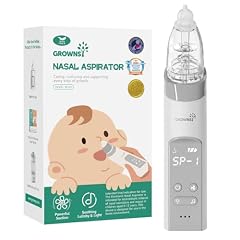
GROWNSY Baby Nasal Aspirator
Handles your newborn's delicate nose with 3 soft, flexible silicone tips designed for gentle suction.
How to use a baby nasal aspirator correctly
Before you start, wash your hands and the aspirator with warm soapy water. This prevents introducing bacteria.
Lay your baby on their back with the head slightly elevated to make suction easier.
Gently squeeze the bulb or activate the pump to release air before placing the tip at the nostril entrance: never insert it deeply.
Slowly release the bulb or suction control to draw out mucus. This usually takes 5-10 seconds per nostril.
Wipe the aspirator tip clean after each nostril and repeat only if needed, up to two or three times daily max.
If the mucus is thick, try softening it first with saline drops. Apply two to three drops per nostril and wait two minutes before suction.
For example, squeeze the bulb, place the tip just inside the nostril, then slowly release the bulb to draw out mucus. Repeat on the other side. Each suction should last no more than 10 seconds to avoid irritation.
After use, disassemble the aspirator if possible and soak parts in warm soapy water. Rinse well and air dry. This prevents bacteria buildup that could cause infections.
If your baby resists or cries a lot during suction, pause and try again later. Stress can worsen congestion temporarily.
Check the aspirator tip size matches your baby's nostrils. Tips too large can hurt; too small may not clear mucus effectively.
For example, a small newborn might need a 0.5 to 0.7 cm tip diameter, while older babies use slightly larger ones. Measure carefully for best fit.
- Wash hands and aspirator with warm soapy water.
- Lay baby with head elevated slightly.
- Squeeze bulb or pump to expel air.
- Place tip just inside nostril, avoid deep insertion.
- Release suction slowly to draw mucus.
- Clean tip and repeat gently if needed.
Differences between nasal aspirator types and when to use each
Bulb syringes are common and simple. They require you to squeeze and release manually. They are inexpensive but can lose suction over time.
Manual pump aspirators often have a mouthpiece for parents to control suction with their breath. They allow gentle control but require care to keep clean.
Electric aspirators provide consistent suction and often have adjustable power. They are best for frequent use but need charging or batteries and careful handling.
Your choice depends on your comfort, how often you expect to use it, and ease of cleaning.
Bulb syringes can lose suction after several uses. If you notice weak suction, replace the device rather than forcing more attempts.
Manual pump aspirators require steady breath control. Avoid strong suction that causes your baby to cough or pull back.
Electric aspirators often come with adjustable settings. Start on the lowest power and increase only if needed. Too strong suction can damage the nasal lining.
| Type | Suction Control | Cleaning Ease | Best Use Case |
|---|---|---|---|
| Bulb Syringe | Manual, less precise | Easy | Occasional use |
| Manual Pump | Controlled by parent breath | Moderate | Gentle suction needs |
| Electric Aspirator | Adjustable power | Requires disassembly | Frequent or heavy congestion |
Cotton swab with safety guard for newborn use
Cotton swabs designed with safety guards limit how far you can insert them into the nose. Guards typically allow only about 0.8 to 1.2 centimeters inside the nostril.
These swabs gently remove visible mucus without suction, which may be less stressful for very young or sensitive babies.
Use these swabs only on the outer parts of the nostril to avoid pushing mucus deeper or causing injury.
They make a good alternative or complement to nasal aspirators when mucus is not thick or deeply lodged.
When using cotton swabs, never twist them inside the nostril. Instead, gently wipe away mucus from the entrance.
If you see any redness or swelling after using swabs, stop immediately. These tools are gentle but can still irritate sensitive skin.
Cotton swabs with guards are best used for light mucus. For heavier congestion, nasal aspirators may be more effective.
When to seek help and avoid nasal aspirators
Avoid using a nasal aspirator if your baby has a nose injury, bleeding, or severe nasal swelling.
If you notice persistent nasal congestion lasting over a week or if suctioning worsens symptoms, call your pediatrician.
Do not use aspirators if your baby shows signs of difficulty breathing, high fever, or irritability.
Knowing when to stop helps prevent discomfort and serious issues.
Questions people still ask
Can I use a nasal aspirator on a newborn every day?
Use the nasal aspirator no more than 2-3 times daily to avoid nasal tissue irritation. Frequent suction can cause redness and swelling.
Is it safe to insert the aspirator tip deep inside the baby's nose?
No. Insert the tip no deeper than about 1 centimeter to prevent hurting delicate nasal tissue and causing bleeding.
How do I clean a baby nasal aspirator safely?
Wash the aspirator with warm soapy water after every use. Dry it fully before storing to prevent bacterial growth.
What are the alternatives to nasal aspirators for newborns?
Cotton swabs with safety guards can gently remove visible mucus without suction. Use them carefully just inside the nostril entrance.
What suction strength is safe for newborn babies?
Gentle suction lasting 5-10 seconds per nostril is safe. Avoid strong or prolonged suction that can damage nasal tissues.