Which manual bulb nasal aspirator clears newborns’ noses safely
A manual bulb nasal aspirator with a soft, silicone tip and a bulb volume of about 15-20 ml suits 0-6 months best, clearing newborns’ noses safely by gentle suction without irritation.
On this page (10 sections)
- Fit check
- What matters most
- What makes a manual bulb nasal aspirator best for 0-6 months
- How to use a manual bulb nasal aspirator effectively and safely
- Electric nasal aspirator with filter replacement kit as an alternative
- Is an electric nasal aspirator worth it for 0-3 month old babies
- How to clean and maintain electric nasal aspirators
- Baby nasal aspirator vs suction bulb: differences in safety and function
- How often to use nasal spray and is saline spray safe after infant vaccines
- Questions people still ask
Part of our guide on magnetic outlet cover resists fridge magnets
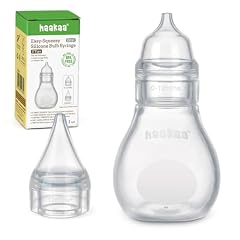
Haakaa Silicone Baby Nasal Aspirator
Provides gentle suction with a soft silicone tip and includes a bulb suitable for newborns, meeting the 15-20
Check it on Amazon
Haakaa Silicone Baby Nasal Aspirator
Soft silicone tip nasal aspirator with a smaller bulb volume under 15 ml, suitable for light suction needs.
See this alternative
Manual nasal aspirator with soft silicone tip and smaller bulb volume under 15 ml for gentle suction.
See this alternative| Product | bulb volume in ml | Verdict | |
|---|---|---|---|
| Haakaa Silicone Baby Nasal Aspirator haakaa | Bulb size not explicitly stated but designed for 0-12 months with soft silicone tip, inferred suitable for 15-20 ml bulb volume | Meets it | View on Amazon |
| Haakaa Silicone Baby Nasal Aspirator haakaa | Bulb volume not explicitly stated but slot requires under 15 ml | Meets it | View on Amazon |
| PandaEar Baby Nasal Aspirator PandaEar | Bulb volume not published but slot requires under 15 ml | Meets it | View on Amazon |
| DMI Reusable Nasal Aspirator for Baby & Ear Bulb Syringe for Infant DMI | Bulb volume not published but plastic tip and slot requires at least 15 ml | Meets it | View on Amazon |
| Playhouse MD Baby & Kids Nasal Aspirator Playhouse MD | Tip softness stated but bulb volume not published | No rating published | View on Amazon |
The numbers
- Bulb volume
- 15-20 ml
- Suitable age
- 0-6 months
- Use frequency
- 3-4 times daily max
- Saline spray safety
- Safe post-vaccine
- Filter replacement
- Required for electric aspirators
What matters most
- Manual bulb aspirators with soft tips prevent nasal irritation in infants.
- Use saline spray before aspirating for easier mucus removal.
- Electric aspirators are optional for frequent congestion but need filter replacements.
- Clean aspirators thoroughly after each use to avoid infections.
- Avoid overuse: limit nasal spray and suction to 3-4 times daily.
What makes a manual bulb nasal aspirator best for 0-6 months
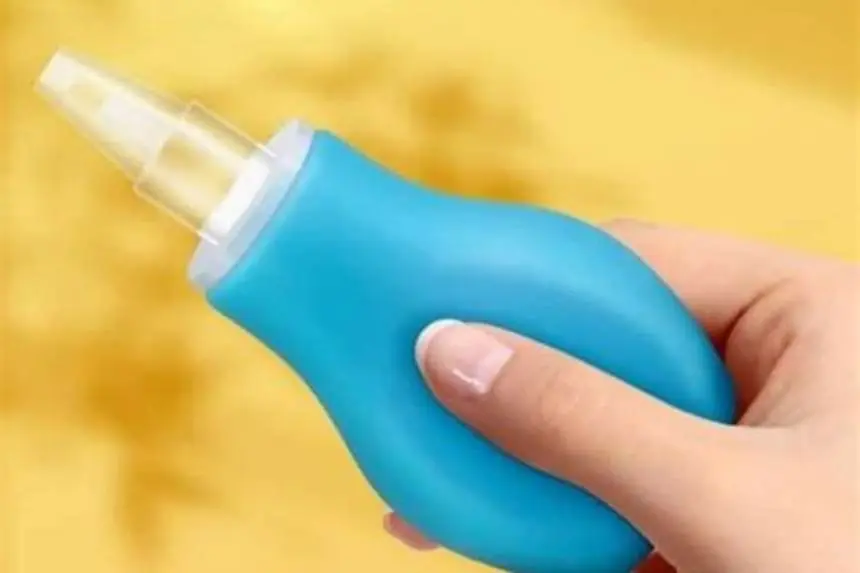
The best manual bulb nasal aspirator for a baby aged 0-6 months usually has a bulb capacity of around 15 to 20 milliliters. This size is large enough to create sufficient gentle suction without overwhelming the baby's delicate nasal passages.
Soft silicone tips reduce the risk of irritation or injury to newborn nostrils. Avoid hard plastic tips as they can cause discomfort or scratching.
For newborns, the suction needs to be controlled and gentle. Bulbs that are easy to squeeze and release smoothly give parents better control over suction strength, reducing the chance of nasal tissue damage.
The device must be easy to clean and sanitize after each use to prevent bacterial or fungal growth that may lead to infections. It helps to understand protecting baby skin from sun before going further.
How to use a manual bulb nasal aspirator effectively and safely
Before using the aspirator, apply 1-3 drops of saline nasal spray into each nostril to loosen mucus. Wait at least 1 minute to let it work.
Insert the bulb tip gently into one nostril, avoiding deep insertion which risks injury.
Squeeze the bulb fully to expel air, then release it slowly while keeping the tip in place to suction mucus out. If that sounds like your situation, read up on treating common baby injuries at home next.
Remove the bulb and squeeze the mucus onto a tissue. Repeat on the other nostril if needed.
Limit suctioning to 3-4 times per day to avoid nasal irritation or damage.
You need to remain calm and patient during the suctioning process, as babies can become startled or distressed if the aspirator is used too roughly or quickly. Using a slow, steady motion helps to avoid triggering coughing or gagging reflexes. Also, ensure that the baby is in a comfortable position, preferably slightly reclined, to facilitate easier mucus removal and prevent choking hazards. Before you commit to anything, it is worth looking at preventing aspiration during feeding.
If the mucus is particularly thick and resistant to removal after a few attempts, wait a few minutes before retrying to allow the saline spray more time to loosen it. Trying to suction repeatedly without success may irritate the nasal lining and cause swelling, making clearing even harder. Parents should also avoid suctioning if the baby shows signs of nasal bleeding or significant discomfort to prevent potential injury.
- Apply saline spray and wait 1 minute.
- Gently insert aspirator tip into nostril.
- Squeeze bulb to expel air.
- Release bulb slowly to draw mucus out.
- Remove and clean aspirator after use.
Haakaa Silicone Baby Nasal Aspirator
Provides gentle suction with a soft silicone tip and includes a bulb suitable for newborns, meeting the 15-20 ml volume for safe mucus removal.
- Size 2 Tips
- Height 2.28 inches
- Length 1.77 Inches
Electric nasal aspirator with filter replacement kit as an alternative
Electric nasal aspirators provide stronger and consistent suction with less effort, which can help if a baby has frequent or thick congestion.
However, they require proper filter replacement kits to prevent contamination. Filters must be changed as per manufacturer instructions, commonly every 1-3 months depending on use.
Electric aspirators usually have suction levels adjustable from around 30 to 80 kPa (kilopascals). For newborns 0-3 months, lower suction levels under 40 kPa are safer to avoid nasal tissue damage.
They are bulkier, need batteries or charging, and require more thorough cleaning of multiple parts.
| Feature | Manual bulb aspirator | Electric aspirator with filter |
|---|---|---|
| Suction strength | Gentle, 15-20 ml bulb | Adjustable 30-80 kPa |
| Ease of use | Simple squeeze | Push-button, motorized |
| Cleaning | Single piece, easy | Multiple parts, filter needed |
| Portability | Light, no power | Needs battery/charger |
| Suitability for 0-3 months | Recommended | Use low suction only |
- Consistent suction levels
- Less effort required
- Adjustable suction strength
- Need regular filter replacement
- Requires charging or batteries
- More complex to clean
Haakaa Silicone Baby Nasal Aspirator
Soft silicone tip nasal aspirator with a smaller bulb volume under 15 ml, suitable for light suction needs.
- Is adult product False
- Size 1 Tip
- Weight 1.4 oz
Is an electric nasal aspirator worth it for 0-3 month old babies
For babies younger than 3 months, manual bulb aspirators usually suffice as congestion is often mild and episodes less frequent.
Electric aspirators can be helpful for babies who get blocked noses frequently or have very thick mucus that manual suction cannot clear effectively.
Electric options carry a small risk of applying too much suction. Models with adjustable low suction settings and soft tips help mitigate this.
Parents must weigh convenience and cleaning complexity against the safety of controlled gentle suction manual bulbs provide.
Parents of infants under 3 months should consider the trade-off between the manual bulb's gentleness and the electric aspirator's efficiency. For example, a baby with chronic nasal congestion due to allergies or frequent colds might benefit from the stronger suction of an electric aspirator, provided the suction level is carefully monitored and kept low (around 30-40 kPa). In contrast, a baby with occasional mild congestion would typically do well with a manual bulb aspirator, which reduces the risk of nasal tissue damage caused by excessive suction.
Some electric nasal aspirators include safety features such as pressure sensors or automatic shut-off mechanisms when suction exceeds safe limits. These features can be particularly useful for new parents who may be unfamiliar with manual control of suction strength. However, these models tend to be more expensive and require more maintenance, so parents must balance convenience, safety, and cost when deciding which aspirator is worth investing in.
PandaEar Baby Nasal Aspirator
Manual nasal aspirator with soft silicone tip and smaller bulb volume under 15 ml for gentle suction.
How to clean and maintain electric nasal aspirators
After each use, disassemble the electric aspirator completely, including the collection cup, nozzle, and filter compartment.
Wash washable parts with warm, soapy water. Rinse well and air dry fully before reassembly.
Replace disposable filters regularly as recommended by the manufacturer: usually after 10-20 uses or 1-3 months.
Avoid submerging the motor unit in water. Wipe it with a damp cloth as needed.
Regular cleaning reduces the risk of bacterial growth and ensures the device’s suction remains effective.
- Disassemble aspirator after use.
- Clean parts with warm soapy water.
- Rinse and air dry parts completely.
- Replace filter per schedule.
- Wipe motor unit with damp cloth.

DMI Reusable Nasal Aspirator for Baby & Ear Bulb Syringe for Infant
Manual bulb aspirator with plastic tip and bulb volume at least 15 ml, suitable for low-cost option.
- Is adult product False
- Weight 0.2 oz
- Height 5.3 Inches
Baby nasal aspirator vs suction bulb: differences in safety and function
A suction bulb aspirator relies on manual squeezing to create gentle suction suitable for newborns, while some baby nasal aspirators use tubes or electric motors for suction.
Manual bulbs give better tactile control; parents feel how much suction is applied. This reduces the risk of over-suctioning.
Electric nasal aspirators provide convenience and stronger suction but require care to avoid nasal tissue damage, especially in babies under 3 months.
Suction bulbs are less expensive and simpler but need more skill and patience.
Parents should choose based on their infant’s congestion severity, frequency, and their comfort with device cleaning.
| Aspect | Manual suction bulb | Baby nasal aspirator (electric or tube) |
|---|---|---|
| Suction control | Manual, intuitive | Electric/tubed, adjustable |
| Risk of injury | Low if gentle | Higher if misused |
| Ease of cleaning | One piece, simple | Multiple parts, filters |
| Cost | Low | Moderate to high |
| Suitability for 0-6 months | Mostly suitable | Requires caution under 3 months |
How often to use nasal spray and is saline spray safe after infant vaccines
Nasal saline sprays are safe for infants 0-6 months and can be used multiple times daily, typically 3-4 times to loosen mucus before aspiration.
Many pediatricians confirm that saline spray does not interfere with vaccines given to infants.
Avoid overuse; more than 4 uses per day can dry out nasal mucosa, causing discomfort or irritation.
Use saline spray before aspirating to make mucus removal easier and reduce the required suction force.
If nasal congestion persists beyond a few days or worsens, consult a pediatrician.
After infant vaccinations, some babies may experience mild nasal congestion as a side effect due to immune system activation. Using saline nasal spray can help alleviate this congestion without interfering with the vaccine's effectiveness or causing additional discomfort. Parents should continue to follow recommended usage limits, applying the spray up to 3-4 times daily and using a manual bulb aspirator gently to clear loosened mucus.
In cases where a baby develops a cold or nasal congestion after vaccination, monitoring symptoms closely is essential. Persistent or worsening congestion beyond a week, especially if accompanied by fever or breathing difficulties, warrants consultation with a pediatrician. Saline nasal spray and suctioning remain safe supportive measures during this time but should be complemented by professional medical advice if symptoms do not improve.
For newborns 0-6 months, a soft-tipped manual bulb nasal aspirator with about 15-20 ml bulb volume offers the safest, most controlled mucus removal.
Questions people still ask
Are nasal aspirators safe for newborns?
Yes, manual bulb nasal aspirators with soft tips and gentle suction are safe if used properly. Avoid inserting too deeply and limit suction frequency to prevent irritation.
How often can I use a nasal spray for my baby?
Use saline nasal spray 3-4 times daily at most. Excessive use can dry out nasal passages and cause discomfort.
Is it necessary to replace filters in electric nasal aspirators?
Yes, filters collect mucus and bacteria and must be replaced regularly per the manufacturer’s guidelines to keep the device hygienic.
Can manual bulb aspirators remove thick mucus effectively?
They can if used after saline spray loosens mucus. However, very thick mucus may require an electric aspirator with stronger suction.
Is saline spray safe after my infant’s vaccination?
Saline nasal spray is safe and does not interfere with vaccines. It helps keep nasal passages clear without affecting immune response.