Which pH-balanced baby wash suits your sensitive newborn's skin
pH-balanced baby wash protects a newborn's acid mantle by staying between 4.5 and 5.5, which matters most for eczema-prone and dry skin.
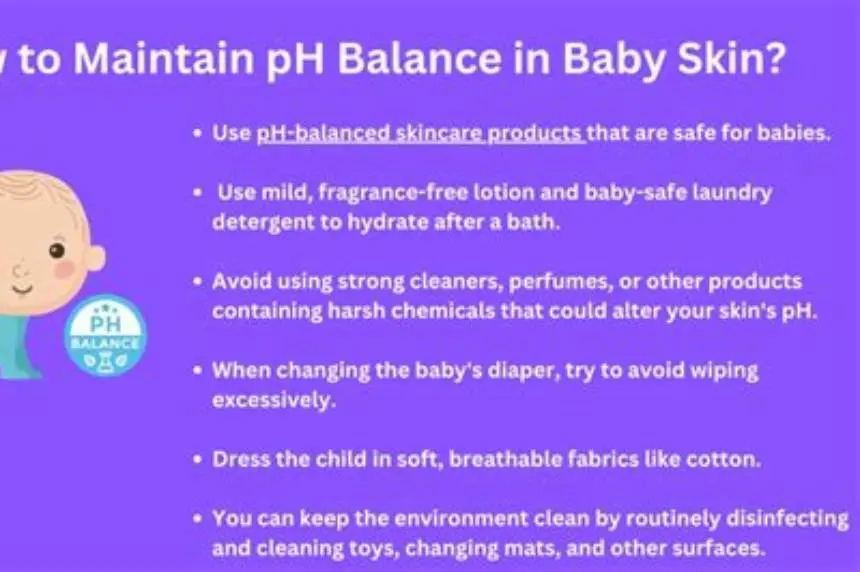
A pH-balanced baby wash for sensitive skin stays between 4.5 and 5.5, matching the skin's natural acid mantle. Pick one that lists its pH on the bottle and skips soap, sulfates, and fragrance.
On this page (9 sections)
- Fit check
- The short version
- What pH balance means for baby skin
- Why pH balance matters for sensitive skin
- How to identify truly pH-balanced baby washes
- Differences between sensitive skin washes and hypoallergenic labels
- What works when pH is not printed
- When to skip baby wash entirely
- Questions people still ask
Part of our guide on tear-free baby shampoo with no sulfates
Most baby washes labeled gentle or hypoallergenic still sit at pH 7 or higher, which strips the protective acid barrier newborn skin is still building.

Baby Dove Care Baby Wash Fragrance-Free Moisture 1 Pack 34 oz
Gently cleanses sensitive newborn skin with a hypoallergenic, fragrance-free formula free of sulfates and
Check it on Amazon
Aveeno Baby Cleansing Therapy Moisturizing Body Wash
Cleanses and soothes eczema-prone sensitive baby skin with a pH-balanced formula explicitly stated on the
See this alternative
Johnson's Baby Head-to-Toe Wash & Shampoo
Provides a hypoallergenic, pH-balanced baby wash safe for newborns, free of sulfates and dyes, dermatologist
See this alternative| Product | pH level | Verdict | |
|---|---|---|---|
| Baby Dove Care Baby Wash Fragrance-Free Moisture 1 Pack 34 oz Baby Dove | pH not stated but hypoallergenic, fragrance-free, no sulfates, dermatologist tested | Meets it | View on Amazon |
| Aveeno Baby Cleansing Therapy Moisturizing Body Wash Aveeno Baby | pH-balanced explicitly stated on listing | Meets it | View on Amazon |
| Johnson's Baby Head-to-Toe Wash & Shampoo Johnson's Baby | pH-balanced claim stated but no exact pH value | Meets it | View on Amazon |
| Cetaphil Baby Wash & Shampoo + Lotion Cetaphil | Dermatologist tested claim present, no explicit pH 5.5 | Meets it | View on Amazon |
| Baby Dove Sensitive Skin Care Baby Wash Rich Moisture 20 fl oz Baby Dove | Dermatologist tested claim present, no explicit pH 5.5 | Meets it | View on Amazon |
| Target pH range | 4.5 to 5.5 |
|---|---|
| Newborn skin pH | 5.5 initially, drops to 4.5-5.0 |
| Typical baby wash pH | 7.0 to 9.0 |
| Acid mantle develops | first 12 months |
| Bath frequency | 2-3 times per week maximum |
The short version
- Newborn skin takes 12 months to build its protective acid mantle at pH 4.5-5.5
- Most baby washes sit at pH 7-9, which disrupts the barrier and lets irritants in
- Look for pH printed on the bottle or packaging: if it's missing, assume it's too high
- Fragrance-free and sulfate-free matter only if pH is already in range
- Stop using any wash if skin turns red or dry within an hour of bathing
What pH balance means for baby skin
A newborn's skin sits at a pH around 5.5 right after birth, then drops gradually toward 4.5 to 5.0 over the first year. That acidic surface is called the acid mantle. It keeps moisture in and bacteria, allergens, and irritants out. When you wash with something alkaline (most soaps and many baby washes sit between pH 7 and 9) you push the skin's pH up temporarily. The barrier weakens. Water escapes, skin dries out, and irritants slip through the gaps.
Sensitive skin reacts faster. Babies prone to eczema, those with a family history of atopic dermatitis, or those who flush red after a bath have a thinner, less resilient barrier. Their skin takes longer to recover its normal pH after washing. A study tracking newborns found that using a wash above pH 7 increased transepidermal water loss by 30 to 40 percent within two hours. The skin stayed dry and tight until the next day.
PH-balanced baby wash stays between 4.5 and 5.5, so it cleans without shifting the skin's natural acidity. The barrier stays intact. You see this in practice when a baby's skin looks the same an hour after the bath as it did before: no red patches on the chest, no dry creases behind the knees. That steadiness is what pH balance delivers, and it matters most in the first six months when the acid mantle is still forming.
Most baby washes do not print their pH anywhere. If the bottle says gentle, mild, or tear-free but does not say pH-balanced, assume it sits closer to neutral or alkaline. Soap-based formulas nearly always land above pH 8. Syndets (synthetic detergent bars) can go either way. The only reliable signal is a number on the package or an explicit claim that the formula is pH 5.5 or lower. We cover disinfecting wipes safe for baby in its own article.
Why pH balance matters for sensitive skin
Sensitive skin loses water faster than resilient skin, and its barrier repairs more slowly after disruption. When pH climbs above 6.0, the enzymes that build and maintain the skin's outer layer start working less efficiently. The lipid barrier thins. Ceramides (fats that glue skin cells together) break down faster than they are replaced. The result is a leaky barrier that cannot hold moisture or block allergens.
Eczema-prone babies show this vulnerability early. Their skin has fewer ceramides to begin with, and a genetic variant in the filaggrin protein makes the barrier even more fragile. Washing with an alkaline product accelerates the breakdown. One dermatology trial compared two groups of newborns at high risk for eczema: one bathed with a pH 5.5 wash, the other with a standard baby wash at pH 7.8. After three months, the pH 5.5 group had half the incidence of visible eczema. The difference was the wash.
Parents often focus on fragrance, dyes, and parabens. Those can irritate, but they are not the main problem. A fragrance-free wash at pH 8 still disrupts the barrier. A wash with a light fragrance at pH 5.0 usually does not. pH is the threshold that decides whether the barrier survives the bath intact. Everything else is secondary. We go through reusable swim nappy fitting step by step elsewhere on the site.
You will know within a few baths whether pH matters for your baby. Sensitive skin shows its hand quickly: redness on the torso, rough patches on the arms, or cracked skin in the neck folds within an hour or two of drying off. If you see that, pH is the first thing to check. If the skin stays smooth and calm, you have more latitude: plain water or a wash without a printed pH might work fine.
Baby Dove Care Baby Wash Fragrance-Free Moisture 1 Pack 34 oz
Gently cleanses sensitive newborn skin with a hypoallergenic, fragrance-free formula free of sulfates and dyes, dermatologist tested for safety.
- Height 8.7 inches
- Weight 1.8 pounds
- Length 3.03 inches
How to identify truly pH-balanced baby washes
A pH-balanced baby wash prints its pH on the bottle, the box, or the product detail page. Look for "pH 5.5" or "pH-balanced to skin's natural acidity" in the title or the first few bullet points. If the listing says dermatologist-tested or gentle but does not mention pH, it probably sits closer to neutral. Brands that formulate for sensitive skin usually lead with the pH number because it is their main selling point.
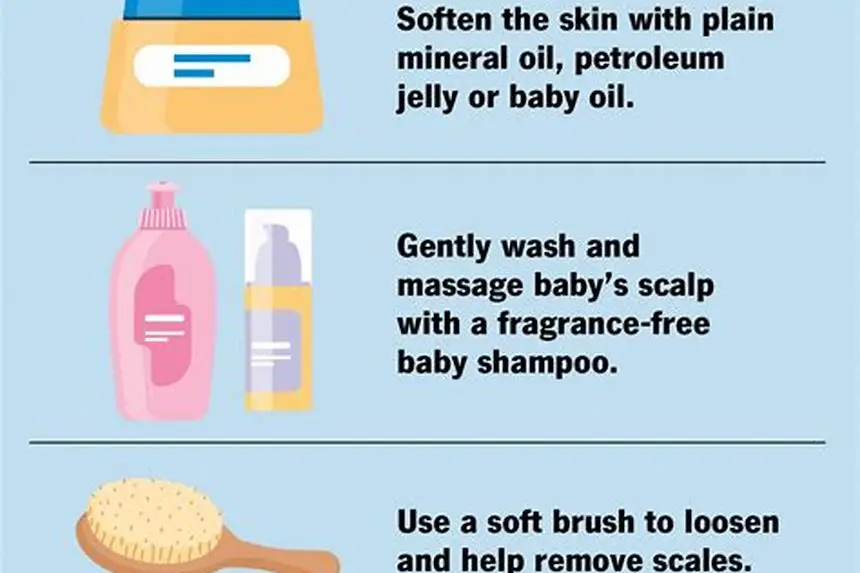
When the pH is not printed, check the ingredient list. Soap-based washes (those listing sodium tallowate, sodium cocoate, or sodium palmate) nearly always sit above pH 8 because soap is alkaline by chemistry. Syndets and sulfate-free formulas can go either way. Cocamidopropyl betaine, decyl glucoside, and coco-glucoside are mild surfactants that work at lower pH, but the final formula depends on buffers and pH adjusters the maker adds. If you see citric acid or sodium citrate near the end of the list, the maker is likely pulling the pH down. Before you commit to anything, it is worth looking at how to help with baby cradle cap.
Some washes claim pH-balanced without stating a number. That is better than nothing, but it leaves room for interpretation: pH 6.5 is technically balanced relative to tap water at pH 7, but it is still too high for newborn skin. The safest bet is a product that commits to 5.5 or lower in writing. If you cannot find that, look for one tested by pediatric dermatologists and labeled for eczema-prone skin. Those are usually formulated in the right range even when the number is not printed.
Testing pH at home is possible but inconvenient. pH test strips cost a few dollars and cover the range you care about. Squeeze a small amount of wash into a dish, dip the strip, and compare the color to the chart. Anything reading 5.5 or below is safe. Strips are not precise to the decimal, but they will tell you whether a wash sits at 5, 7, or 9, which is enough to decide. Most parents skip this step and trust the label, which works fine if the label actually makes a pH claim.
| Wash type | Typical pH | Suitable for sensitive skin |
|---|---|---|
| Soap-based bar or liquid | 8.0–10.0 | No |
| Standard baby wash (tear-free) | 7.0–8.0 | No |
| Syndet bar (synthetic detergent) | 5.5–7.5 | Sometimes—check label |
| pH-balanced liquid wash | 4.5–5.5 | Yes |
| Plain water | 7.0 (tap) to 6.5 (filtered) | Yes for most newborns |
Aveeno Baby Cleansing Therapy Moisturizing Body Wash
Cleanses and soothes eczema-prone sensitive baby skin with a pH-balanced formula explicitly stated on the bottle, dermatologist tested and free of sulfates and soap.
- Weight 9.6 oz
- Height 5.90 inches
- Length 2.83 inches
Differences between sensitive skin washes and hypoallergenic labels
Hypoallergenic means the formula omits common allergens like fragrance, dyes, lanolin, and certain preservatives. It does not mean the wash is pH-balanced. A hypoallergenic product at pH 7.5 will not trigger an allergic reaction, but it will still dry out sensitive skin by disrupting the barrier. The label addresses one risk and ignores another.
Sensitive skin washes are a broader category. Some are hypoallergenic and pH-balanced. Others are hypoallergenic but sit at neutral pH. A few are pH-balanced but contain a light fragrance. The term is not regulated, so brands define it however they want. The only way to know what sensitive means for a specific product is to read the pH claim and the ingredient list.
Dermatologist-tested is a step up. It means a dermatologist reviewed the formula or supervised a patch test on a group of volunteers. It does not guarantee the pH is correct, but products that pass dermatologist testing are more likely to land in the right range. Look for "tested by pediatric dermatologists" or "suitable for eczema-prone skin" as secondary signals when pH is not printed. Those claims usually come with formulations designed to protect the barrier.
Tear-free is unrelated to sensitivity. It means the surfactants are mild enough not to sting the eyes, which is helpful during a bath but has nothing to do with skin pH or barrier protection. Most tear-free washes sit at neutral pH because that is gentler on the eyes. That same neutral pH is too high for the skin. If a wash is both tear-free and pH-balanced, the maker will say so. If it only says tear-free, assume the pH is optimized for eyes, not skin.
- Hypoallergenic: skips common allergens but may still disrupt pH - check the number
- Sensitive skin: vague term, can mean hypoallergenic, pH-balanced, or just lightly fragranced
- Dermatologist-tested: more reliable for barrier safety, especially when tested by pediatric dermatologists
- Tear-free: formulated for eye comfort at neutral pH, often too high for skin protection
Johnson's Baby Head-to-Toe Wash & Shampoo
Provides a hypoallergenic, pH-balanced baby wash safe for newborns, free of sulfates and dyes, dermatologist tested though exact pH not stated.
- Is adult product False
- Height 9.5 inches
- Length 2.5 inches
What works when pH is not printed
Many solid products do not print their pH on the bottle, especially if they were formulated before pH became a common selling point. If you already own a wash and your baby's skin is calm and smooth after bathing, you do not need to replace it. The test is the skin itself: if there is no dryness, no redness, and no rough patches within a few hours of the bath, the pH is probably fine.
If you are choosing a new wash and pH is not listed, prioritize products explicitly labeled for eczema-prone or atopic skin. Those are nearly always formulated at the low end of the pH range. Brands like Eucerin, Aveeno Baby Eczema Therapy, and Cetaphil Baby have a track record of hitting pH 5.5 or lower even when the number is not printed on every bottle. You are betting on the formulation reputation rather than a verified figure, which is riskier but often works.
Another fallback is to wash with plain water most of the time and use a pH-balanced wash only when the baby is visibly dirty: after a blowout, when there is dried milk on the neck, or when the diaper area needs more than a wipe. Newborns do not get dirty in ways that require daily washing. Two or three baths a week with water and a weekly wash for problem areas keeps the skin clean without repeated barrier disruption. This approach buys you time to find a wash you trust.
If the wash you have is clearly too alkaline (skin turns red, gets flaky, or develops eczema patches after every bath) switch immediately. Do not wait to find the perfect product. Use water only until a pH-balanced replacement arrives. A week or two without any cleanser is better for sensitive skin than continued use of the wrong one. The acid mantle will start to recover within a few days once you stop stripping it.

Cetaphil Baby Wash & Shampoo + Lotion
Dermatologist tested and hypoallergenic baby wash and shampoo kit designed for sensitive skin, though no explicit pH 5.5 claim.
- Height 2.0 inches
- Length 7.0 inches
- Width 3.0 inches
When to skip baby wash entirely
Most newborns do not need soap or wash at every bath. Their skin produces very little oil, they do not sweat much, and they are not crawling through dirt. Plain lukewarm water cleans a newborn adequately for the first few weeks and often well into the first few months. You only need a cleanser for areas that get genuinely soiled: diaper zone, neck folds where milk and spit-up collect, and creases where sweat or drool might sit.
If your baby has no history of eczema and their skin stays smooth and hydrated after water-only baths, keep doing that. Adding a wash introduces a variable that can only make things worse. You are not undertreating the skin by skipping cleanser: you are protecting the acid mantle by leaving it alone. This is especially true in winter or dry climates, where the air already pulls moisture from the skin.
When you do need a wash, use it sparingly. A dime-sized amount is enough for the whole body. Work it gently into the areas that need it (diaper area, neck, underarms) and rinse thoroughly with clean water. Avoid scrubbing. The goal is to lift dirt and oils without grinding the wash into the skin or leaving residue behind. Rinse twice if the water still feels slippery. Residue from even a gentle wash can sit on the skin and cause irritation.
Some parents worry that skipping wash means the baby is not clean. That is a cultural assumption, not a medical one. Pediatricians and dermatologists generally agree that water is sufficient for healthy newborn skin. The threshold for needing cleanser is visible soil or a strong odor. If you do not see or smell either, the baby is clean.
Questions people still ask
Can I use adult pH-balanced body wash on my baby?
Not usually. Adult washes are often formulated for skin that is oilier and more resilient than a newborn's. Even if the pH is in range, they may contain exfoliants, fragrances, or preservatives that irritate infant skin. Stick with products specifically tested for babies.
How long does it take for the acid mantle to recover after using the wrong wash?
The skin's pH typically returns to baseline within 6 to 12 hours if you stop using an alkaline product. Visible symptoms like dryness or redness may take a few days to clear. If eczema has developed, recovery depends on treatment and may take longer.
Do pH-balanced washes lather like regular baby soap?
No. Most pH-balanced washes foam very lightly or not at all because strong lathering agents are alkaline. The lack of lather does not mean the wash is not working. It just means the formula is genuinely mild.
Is there a difference between pH-balanced and pH-neutral?
Yes. pH-neutral means pH 7, which is the middle of the scale and matches pure water. pH-balanced for skin means pH 4.5 to 5.5, matching the skin's natural acidity. Neutral is too high for newborn skin. Look for balanced, not neutral.
Can tap water affect my baby's skin pH even if I use a pH-balanced wash?
Possibly. Tap water in some areas sits above pH 8, especially in regions with hard water. If your baby's skin reacts even with a good wash, try rinsing with filtered or distilled water for the final rinse to see if it helps. Most babies tolerate tap water fine.