What to put in baby hair and how to safely remove cradle cap scales
To help with baby cradle cap, use gentle oils like mineral or coconut oil to soften scales, then carefully brush with a soft baby brush or fine-toothed comb after a warm bath. Avoid harsh scrubbing to prevent skin irritation.
On this page (8 sections)
Part of our guide on sulfate-free tear-free shampoo
The numbers
- Common age
- 0-6 months
- Treatment oil
- mineral or coconut
- Bath frequency
- 3-4 times weekly
- Scale removal tool
- soft baby brush
- Typical duration
- weeks to months
What matters most
- Use gentle oils to soften cradle cap scales before removal.
- Remove scales with a soft brush or fine comb after bathing.
- Avoid heavy oils or scratching to protect baby's delicate skin.
- Regular washing with baby shampoo helps prevent recurrence.
- Check for irritation to adjust treatment accordingly.
What to put in baby hair for cradle cap
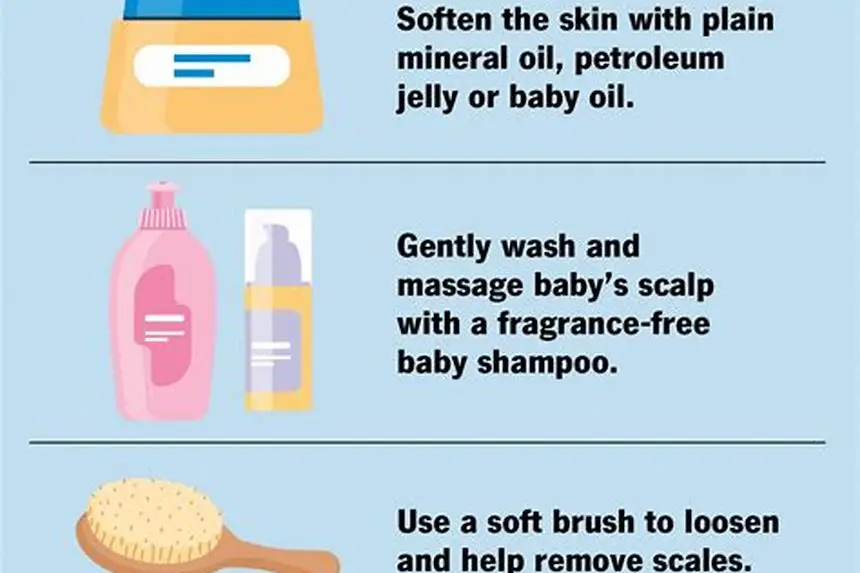
Cradle cap scales soften best when treated with certain mild oils that do not irritate baby skin. Mineral oil and coconut oil are widely used because they are gentle and effective at loosening the dry, flaky patches.
Apply about a teaspoon of your chosen oil to the affected scalp area, rubbing gently with your fingertips to coat the scales. Let the oil sit for about 15 to 20 minutes to break down the hardened skin.
Avoid heavier oils like olive oil or baby oil formulations with fragrances and additives, as these may clog pores or provoke irritation, worsening the cradle cap.
In some cases, baby hair with cradle cap may benefit from natural oils rich in fatty acids, such as jojoba oil or almond oil, but only if the baby’s skin is not sensitive or allergic. Testing a small amount on a patch of skin first helps ensure no adverse reaction occurs. It helps to understand sensitive skin pH-balanced wash before going further.
You need to avoid putting any oils on an inflamed or broken scalp, as this can trap bacteria and worsen the condition. If the skin appears red or cracked, seek pediatric advice before applying anything to the scalp.
How to help cradle cap for a baby
The best help combines gentle cleansing and careful scale removal. Bathe your baby 3-4 times a week with a mild baby shampoo that does not dry the scalp further.
After applying oil and letting it soak, use a soft baby brush or a fine-toothed comb to gently loosen and remove the loosened scales. Be patient and avoid forceful rubbing, which can irritate skin. We cover can you put sunscreen on a baby in its own article.
If scales remain thick or inflamed, consult your pediatrician for advice. Sometimes medicated shampoos are warranted, but they must be used carefully to avoid drying effects.
Consistency is crucial when helping cradle cap. Treatment should continue even if improvements seem slow, as scales can take weeks to fully clear. Overly frequent washing or aggressive treatment can irritate the skin and prolong symptoms.
If you notice scaling worsening despite gentle care, or if your baby develops redness and swelling, these may indicate a secondary infection or eczema, requiring medical evaluation. Before you commit to anything, it is worth looking at fit nuby tub in small sink.
| Tool | Gentleness | Effectiveness | Ease of use |
|---|---|---|---|
| Soft baby brush | High | Good | Easy |
| Fine-toothed comb | Medium | Very good | Moderate |
| Washcloth rubbing | Low | Poor | Easy |
Does baby oil help cradle cap
Baby oil can help soften cradle cap scales if it is pure mineral oil without fragrances or additives. However, many commercial baby oils include scents or other chemicals that might irritate a baby’s sensitive skin.
Using baby oil occasionally can facilitate scale removal, but it should not replace regular washing or be applied too frequently. Overuse may clog pores and increase cradle cap severity.
For safety, choose a baby oil labeled hypoallergenic and fragrance free or prefer pure mineral oil or coconut oil instead.
The effectiveness of baby oil depends significantly on its purity and the absence of added ingredients. Pure mineral oil, when used correctly, can reduce cradle cap scales by softening them enough to be gently removed without scraping.
A practical test is to apply the oil, wait 15 minutes, then gently rub with a soft cloth. If the crusts come away easily and the skin underneath looks healthy, baby oil is helping. If the skin appears irritated or the scales harden, discontinue use.
- Softens scales effectively
- Readily available and easy to apply
- May irritate sensitive skin if fragranced
- Can clog pores if overused
How to remove cradle cap in babies
Removing cradle cap scales requires patience and gentleness to avoid damaging delicate skin. After bathing and softening scales with oil, use a soft brush or fine comb to loosen flakes.
Do this in small sections, applying light strokes to lift the scales. Avoid sharp tools or vigorous scrubbing, which can cause redness and inflammation.
Rinse the scalp with warm water after removal to clear any residue. Repeat treatment several times weekly until scales improve.
A helpful tip is to remove cradle cap scales over a sink or bath to catch flakes and avoid mess. Using a damp soft cloth after brushing can pick up loosened flakes effectively.
For very stubborn scales, repeating the oil application and gentle brushing over several days is safer than trying to remove everything at once, which risks damaging the scalp.
After each session, observe the scalp for signs of redness or discomfort; if these develop, pause treatment and consult a healthcare professional.
- 1. Apply a teaspoon of mineral or coconut oil to dry scalp.
- 2. Let oil soak for 15-20 minutes.
- 3. Use a soft baby brush or fine-toothed comb gently to lift scales.
- 4. Wash baby’s hair with mild shampoo and rinse well.
- 5. Pat scalp dry with a soft towel.
How to prevent cradle cap
Preventing cradle cap involves keeping the baby's scalp clean and hydrated without over-drying. Bathing your baby 3-4 times weekly with a gentle, tear-free baby shampoo is enough for most.
Avoid heavy oils or lotions daily, as they can build up and worsen scaling. Instead, gently massage the scalp during baths to promote circulation and natural skin renewal.
Regular brushing with a soft brush helps prevent scale buildup. Watch for signs of irritation and adjust care to maintain skin balance.
Environmental factors can influence cradle cap development. For example, dry indoor heating during winter months may dry out the scalp more, requiring slight adjustments in care such as more frequent moisturizing baths.
Conversely, very humid climates may increase oiliness, so lighter care routines and less frequent oil application might be necessary to prevent buildup.
Monitoring your baby’s scalp regularly helps tailor preventive measures effectively throughout the year.
- Bath frequency - 3 to 4 times per week
- Use mild, fragrance-free baby shampoo
- Avoid daily heavy oil applications
- Gently brush scalp regularly
- Monitor skin condition for changes
What to put in baby hair and how to safely remove cradle cap scales
The exact combination of gentle oil application and mechanical removal is key to managing cradle cap safely. Start by applying mineral or coconut oil to the baby's scalp to loosen scales.
After 15-20 minutes, softly brush or comb away the softened flakes. Follow with a mild shampoo wash to cleanse residual oils and flakes.
Continue this routine twice weekly until cradle cap clears. Interrupt treatment if redness or irritation develops, and consult a healthcare provider if severe.
This approach balances effective scale removal while respecting baby skin fragility, avoiding harsh chemicals or aggressive scrubbing.
Questions people still ask
Is cradle cap contagious between babies or adults?
Cradle cap is not contagious. It is caused by excess oil and skin cell buildup, not by infection, so it cannot spread from baby to baby or adult.
Can cradle cap cause discomfort or pain to my baby?
Usually cradle cap does not cause pain or irritation. If the scalp becomes red, swollen, or your baby seems uncomfortable, consult your pediatrician.
How long does cradle cap usually last?
Cradle cap often resolves within a few weeks to several months, depending on treatment and skin condition. Persistent cases may need medical advice.
Are medicated shampoos safe for newborns with cradle cap?
Medicated shampoos should only be used if recommended by a doctor and used carefully, as they can be harsh on delicate newborn skin.
Can diet affect cradle cap severity in babies?
There is no clear evidence that infant diet influences cradle cap. It mostly relates to skin oil production and natural shedding.