Which disinfecting wipes are safe for baby skin
Most disinfecting wipes contain harsh chemicals that irritate baby skin. Learn which ingredients are safe and when to use them.
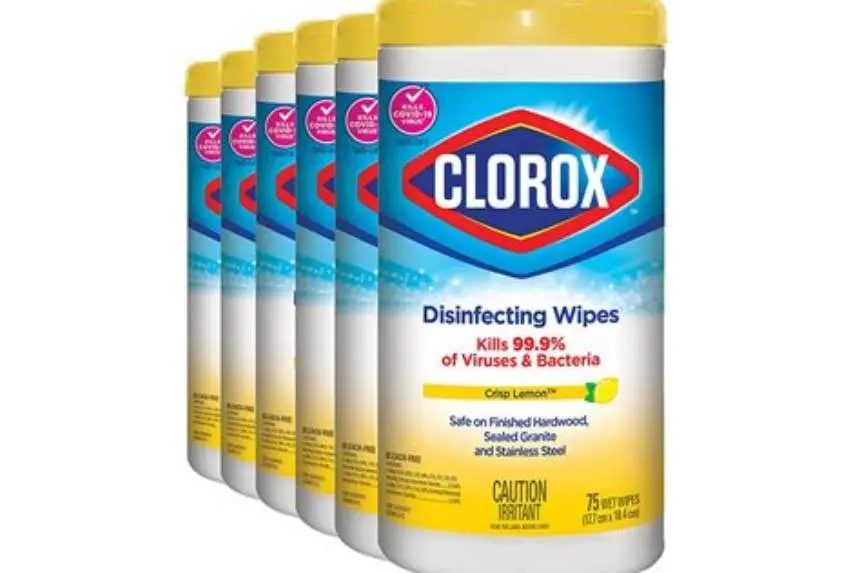
Most disinfecting wipes are not safe for baby skin. Standard disinfectants like Clorox and Lysol contain harsh chemicals that irritate delicate skin. Look for wipes labeled alcohol-free, fragrance-free, and specifically marked safe for skin contact.
On this page (8 sections)
- The short version
- Are disinfecting wipes safe for newborn and infant skin
- Which ingredients in wipes to avoid for babies
- When to use disinfecting wipes versus regular baby wipes
- Options for sensitive and eczema-prone skin
- Do disinfecting wipes kill germs without harming baby skin
- Reading labels and identifying safe formulations
- Questions people still ask
Part of our guide on shampoos for sensitive skin
Most parents reach for disinfecting wipes on baby skin without realizing the label explicitly warns against it.
| Safe for newborns | Water-only or 99% water wipes |
|---|---|
| Alcohol limit | Under 20% if used on skin |
| Rinse wait time | Let surface dry, then rinse |
| Diaper wipes | No disinfectants needed |
| Most toxic ingredient | Quaternary ammonium compounds |
The short version
- Read the label: most disinfecting wipes say 'not for personal use' and aren't meant for skin
- Avoid quaternary ammonium compounds, bleach, alcohol above 60%, and synthetic fragrances on baby skin
- Use regular baby wipes for diaper changes and hands; reserve disinfecting wipes for surfaces only
- Water Wipes and sensitive-skin formulas work for newborns without disinfecting chemicals
- Disinfecting wipes kill germs on high chairs and toys, but rinse with water before baby touches them
Are disinfecting wipes safe for newborn and infant skin
No. Standard disinfecting wipes are not safe for newborn or infant skin. The label on Clorox, Lysol, and similar products states 'not for personal use' because they contain chemicals designed to kill pathogens on hard surfaces, not gentle enough for human skin. Newborn skin is thinner and more permeable than adult skin, absorbing chemicals faster and reacting more severely. The pH of disinfecting wipes runs 7 to 11, while baby skin sits naturally around 5.5. That alkaline shift breaks down the skin barrier within minutes.
Disinfecting wipes rely on quaternary ammonium compounds, bleach, or high-percentage alcohol to destroy bacteria and viruses. These ingredients strip the natural oils that protect baby skin from moisture loss and infection. You'll see redness, dryness, or a rash within hours of contact. Infants under three months have almost no ability to metabolize and clear these chemicals, so even small exposures carry risk.
Some wipes marketed as 'baby-safe disinfecting wipes' exist, but read the ingredient list. If it lists benzalkonium chloride, didecyldimethylammonium chloride, or any word ending in -onium, it's a quat disinfectant. Safe for a toy that gets rinsed. Not safe for a baby's bottom or hands that go straight into the mouth. The concentration matters less than the compound itself when skin contact is involved.
Water Wipes and similar brands use 99.9% water and a drop of fruit extract. Those are safe for newborns from day one. They don't disinfect anything, but newborns don't need surfaces disinfected around them constantly. Regular cleaning with soap and water handles the bacterial load in a home without the chemical exposure. For the detail, see our notes on bathing a baby safely.
Which ingredients in wipes to avoid for babies
Quaternary ammonium compounds top the list. These are the active disinfectants in most wipes: benzalkonium chloride, benzethonium chloride, alkyl dimethyl benzyl ammonium chloride. They kill bacteria by rupturing cell membranes, which also disrupts the lipid layer in baby skin. Repeated exposure links to contact dermatitis and respiratory irritation when babies inhale residue from their hands. Quats don't rinse off easily, so they stay on skin for hours.
Bleach and sodium hypochlorite appear in Clorox and hospital-grade wipes. Bleach causes chemical burns on infant skin at concentrations above 0.5%, and most disinfecting wipes run 0.5% to 2%. Even diluted, bleach oxidizes the proteins in skin cells, leading to cracking and weeping rashes. It also releases chlorine gas when it reacts with urine or acidic diaper creams, creating a respiratory hazard in enclosed spaces like a changing table.
Alcohol above 60% dries out baby skin instantly. Isopropyl alcohol and ethanol evaporate quickly, taking moisture with them and leaving skin tight and flaky. Alcohol also stings on any broken skin, which is common in the diaper area. Some wipes contain 10% to 20% alcohol as a preservative rather than a disinfectant; those are less harsh but still unnecessary for routine baby care. We cover how long wipes stay effective in its own article.
Synthetic fragrances and parfum hide dozens of unlisted chemicals, some of which are allergens or endocrine disruptors. Fragrance is the most common cause of contact dermatitis in children under two. If a wipe smells like lavender, citrus, or 'fresh linen,' it contains fragrance compounds that have no place on baby skin. Even 'unscented' wipes sometimes include masking fragrances to cover the smell of other ingredients, so look for labels that say fragrance-free explicitly.
Parabens (methylparaben, propylparaben) and phenoxyethanol preserve wipes from mold and bacteria during storage. Both are safe in low concentrations for adults, but babies metabolize them poorly. Parabens mimic estrogen weakly, and while the risk is debated, there's no reason to add them when safer preservatives like citric acid work fine. Phenoxyethanol at concentrations above 1% has caused vomiting and central nervous system depression in infants, though that usually requires ingestion rather than skin contact.
- Quaternary ammonium compounds: benzalkonium chloride, didecyldimethylammonium chloride, alkyl dimethyl benzyl ammonium salts
- Bleach and sodium hypochlorite: any concentration on baby skin
- Alcohol: isopropyl alcohol or ethanol above 20%
- Fragrance or parfum: includes hidden allergens and irritants
- Parabens and phenoxyethanol: endocrine concerns in infants

Amazon Brand - Mama Bear 98% Water Baby Wipes, Hypoallergenic, Fragrance
Keeps your baby’s skin safe with a 98% water formula free from alcohol and fragrance, minimizing irritation risks.
When to use disinfecting wipes versus regular baby wipes
Use regular baby wipes for diaper changes, wiping hands and faces, and cleaning skin. Baby wipes contain water, mild cleansers like cocamidopropyl betaine, and moisturizers like aloe or glycerin. They're designed to match the pH of baby skin and leave the protective barrier intact. Disinfecting isn't necessary or helpful here because you're removing dirt and feces, not sterilizing the skin. A baby's microbiome needs normal bacteria to develop; over-sanitizing disrupts that process. People in this spot often ask about electric toothbrush for 6 month old as well.
Use disinfecting wipes on hard surfaces that multiple people touch or that come into contact with raw food, illness, or outdoor dirt: high chair trays, changing table surfaces, toy bins, doorknobs, car seat buckles. Let the surface stay wet for the contact time listed on the label, usually 4 to 10 minutes, to actually kill pathogens. Then wipe it again with a damp cloth or let it air-dry before the baby touches it. That rinse step matters because disinfectant residue transfers to hands and then to mouths.
Disinfecting wipes make sense during stomach bugs or flu season, when you need to break the chain of transmission. If one family member is sick, disinfect the bathroom, kitchen counters, and shared toys once or twice a day. Outside of illness, regular cleaning with soap and water keeps a home safe without the chemical load. Babies build immune systems by encountering normal household bacteria, not by living in a sterile bubble.
Never use disinfecting wipes on pacifiers, bottle nipples, teething toys, or anything that goes directly into a baby's mouth. Those items get cleaned with hot soapy water or run through the dishwasher. The risk of ingesting disinfectant residue outweighs any germ-killing benefit. If you're worried about a toy being dirty after it falls on the ground outside, rinse it under the tap. That's enough. The other half of this decision is newborn hospital bag zinc cream.
| Task | Use baby wipes | Use disinfecting wipes |
|---|---|---|
| Diaper changes | Yes | No |
| Cleaning hands and face | Yes | No |
| High chair tray after meals | Wipe food off first | Yes, then rinse |
| Changing table surface | For light cleaning | Yes, between babies or after illness |
| Toys that go in mouth | Yes | No, rinse with water instead |
| Toys from outdoor playground | Yes | Yes if shared with sick children, then rinse |
| Car seat buckles and straps | Yes for daily grime | Yes monthly or after spills |
Options for sensitive and eczema-prone skin
Water Wipes contain 99.9% water and 0.1% grapefruit seed extract. No preservatives, no fragrance, no alcohol. They work for newborns with eczema, cradle cap, or any reactive skin because there's almost nothing in them to react to. The downside is they're wetter than standard baby wipes and can feel cold, and they cost about twice as much per wipe as drugstore brands. They also dry out quickly if the package isn't resealed tightly.
Pampers Sensitive and Huggies Natural Care use water and mild surfactants without fragrance or alcohol. Both are hypoallergenic and safe for babies with mild sensitivity. They clean better than water-only wipes because the surfactant lifts oils and feces, but they still carry a small risk of reaction in babies with severe eczema. Test a wipe on the inside of your baby's forearm before using it on the diaper area. Wait 24 hours and look for redness or raised bumps.
Seventh Generation Free & Clear and Honest Company wipes use plant-based ingredients and skip most synthetics. They're thicker and more textured than water wipes, which helps with sticky messes. Both contain some preservatives to prevent mold, but they choose ones with better safety profiles: potassium sorbate and citric acid instead of parabens. Babies with mild to moderate eczema usually tolerate these well. There is more on gentle cradle cap treatment in a separate guide.
For babies with severe eczema or open skin from scratching, even gentle wipes can sting. Use a soft washcloth dipped in lukewarm water instead. Pat rather than wipe, and apply a thick emollient like petroleum jelly or Aquaphor immediately after to lock in moisture. Wipes of any kind dry the skin because they evaporate, and evaporation pulls water out of the skin's surface layer. That's fine for healthy skin but worsens eczema flares.
Avoid any wipe labeled antibacterial for babies with eczema. Those contain triclosan or benzalkonium chloride, both of which kill the skin's beneficial bacteria and make eczema worse. The skin microbiome in eczema-prone babies is already disrupted; adding a topical antibiotic every diaper change drives that imbalance further.
Do disinfecting wipes kill germs without harming baby skin
They can't do both at the same time. Disinfecting wipes kill germs by disrupting cell membranes, denaturing proteins, or oxidizing cellular structures. Those mechanisms don't distinguish between bacterial cells and human skin cells. A wipe strong enough to kill norovirus or influenza A in four minutes will also strip the lipid barrier from baby skin in that same timeframe. The harm is dose-dependent but inevitable.
A handful of wipes marketed as 'baby-safe disinfectants' exist, usually with plant-based active ingredients like thymol or citric acid. These are gentler but far weaker. They may reduce bacterial counts by 90% to 99% rather than the 99.9% to 99.99% that hospital-grade wipes achieve. That's fine for a toy or a countertop, but it's not true disinfection by EPA standards. The label will say 'sanitizer' instead of 'disinfectant' to reflect the lower kill rate.
If you need to disinfect something your baby will touch soon, use the wipe on the surface, let it dry completely, then wipe the surface again with a damp cloth. That removes most of the chemical residue. The CDC advises this two-step process in childcare settings: disinfect, wait, rinse. It cuts germ transmission by 60% to 80% compared to cleaning alone, without leaving babies exposed to quats or bleach.
For baby skin itself, the answer is you don't disinfect it. Healthy skin has a resident bacterial population that protects against infections. Disinfecting wipes wipe that away along with the harmful bacteria, and the harmful ones grow back faster because they're more aggressive colonizers. You end up with skin that's more vulnerable, not less. Soap and water, or a plain baby wipe, remove pathogens mechanically by lifting them off the surface. That's enough for a baby who isn't immunocompromised.
Reading labels and identifying safe formulations
Start with the front label. If it says 'disinfectant,' 'antibacterial,' 'kills 99.9% of germs,' or shows an EPA registration number, it's not for baby skin. EPA-registered products are pesticides under federal law, designed for surfaces. The back label will include directions like 'wash hands after use' or 'keep out of reach of children,' which tells you it's not safe for repeated skin contact.
Flip to the ingredient list. Safe baby wipes list water first, followed by mild cleansers and moisturizers. Ingredients appear in descending order by weight, so if water isn't first, the wipe is mostly chemicals. Look for recognizable plant extracts like aloe, chamomile, or vitamin E, and simple preservatives like citric acid or potassium sorbate. If the list includes words you can't pronounce or any -onium compound, choose a different product.
Check for certification marks. The National Eczema Association seal means the product passed testing for skin sensitivity and pH balance. Hypoallergenic is an unregulated marketing term, so it means less than you'd think, but it still signals the manufacturer tested for common allergens. Dermatologist-tested is nearly meaningless; any product can claim it after a single test on a handful of adults. Focus on the ingredient list more than the marketing language.
Watch for 'unscented' versus 'fragrance-free'. Unscented means fragrance was added to mask chemical smells, so it still contains fragrance compounds. Fragrance-free means no fragrance at all. Some wipes smell faintly of their raw materials, like a slightly soapy or fruity scent from the cleanser or plant extract. That's fine. A strong artificial smell is a red flag.
When in doubt, test the wipe on your own inner forearm and leave it for five minutes. If your skin feels tight, stings, or turns red, don't use it on your baby. Adult skin is tougher and less reactive, so anything that bothers you will be worse on infant skin. Keep the test wipe and check the spot again in 24 hours for delayed reactions.
- Front label: EPA registration number or 'kills germs' means not for skin
- Ingredient list: water first, no quats, no fragrance, no alcohol above 20%
- Certifications: National Eczema Association seal is meaningful, 'hypoallergenic' less so
- Fragrance-free beats unscented: true fragrance-free has no added scent compounds
- Forearm test: if a wipe irritates your skin, it will harm baby skin more
Questions people still ask
Can I use disinfecting wipes on a baby's toys?
Yes, but rinse the toy with water after the surface dries. Disinfecting wipes leave chemical residue that transfers to a baby's hands and mouth. Let the wipe stay on the toy for the contact time listed on the label, usually four to ten minutes, to kill germs. Then wipe it down with a damp cloth or rinse under the tap. For toys that go directly in the mouth, skip disinfecting wipes entirely and wash with hot soapy water instead.
What should I use to clean my baby's hands when we're out?
Bring a travel pack of fragrance-free baby wipes or water wipes. Regular baby wipes remove dirt, food, and most germs without the harshness of hand sanitizer or disinfecting wipes. If your baby has eczema or very dry skin, carry a small spray bottle of water and a soft cloth. Hand sanitizer with 60% alcohol is safe for babies over two months in small amounts, but it stings on broken skin and dries out hands quickly.
Are Clorox or Lysol wipes ever safe for baby skin?
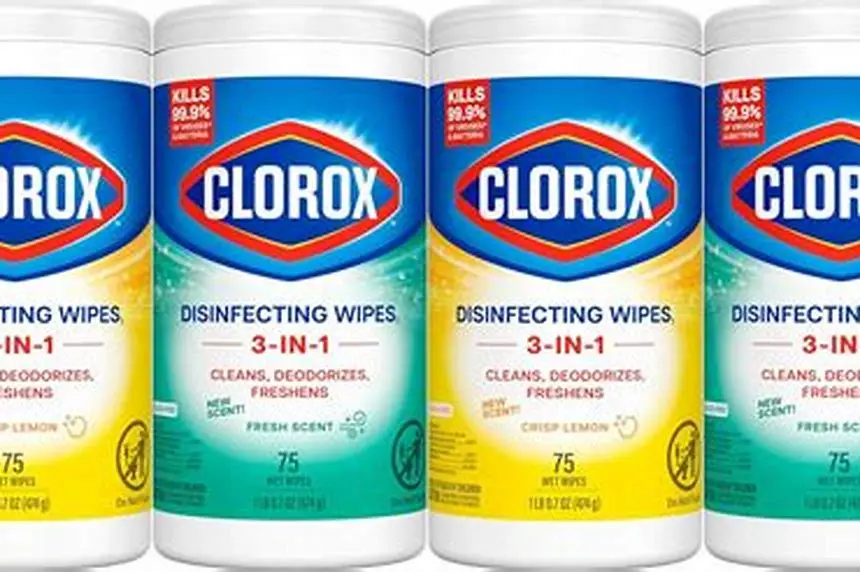
No. Both contain quaternary ammonium compounds or bleach at concentrations that irritate and damage infant skin. The label on these products explicitly states they are not for personal use. Even a single wipe can cause redness, dryness, or a chemical burn on a baby's bottom or hands. Use them only on hard surfaces, and keep them completely separate from baby wipes to avoid grabbing the wrong package during a diaper change.
How do I know if a wipe caused a rash on my baby?
Look for redness, raised bumps, or dry patches that appeared within hours of using a new wipe. The rash usually shows up where the wipe touched: the diaper area, hands, or face. Stop using the wipe immediately and switch to plain water on a soft cloth for a few days. If the rash fades, the wipe was the cause. If it spreads or weeps, see your pediatrician to rule out infection or severe contact dermatitis.
Can I make my own baby wipes at home to avoid chemicals?
Yes, but homemade wipes carry a mold risk if you don't use them quickly. Mix two cups of water, two tablespoons of coconut oil, one tablespoon of liquid castile soap, and a few drops of tea tree oil as a preservative. Cut a roll of strong paper towels in half, soak them in the mixture, and store in an airtight container. Use them within one week and discard any that smell off or look discolored. This works for older babies, but newborns do better with commercial water wipes that are sterile.