How to feed a newborn baby with a bottle safely and comfortably
Step-by-step practical advice on feeding a newborn baby with a bottle safely and comfortably, reducing mess and stress.
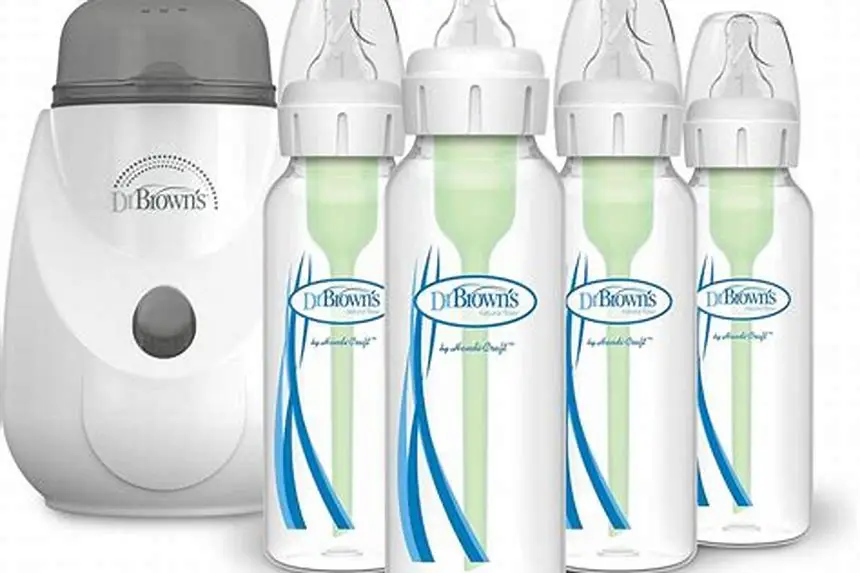
To feed a newborn baby with a bottle safely and comfortably, hold baby semi-upright, tilt the bottle to fill the nipple with milk, pace the feed to avoid choking, and burp regularly to reduce gas. Clean bottles thoroughly after each use.
On this page (8 sections)
Part of our guide on nipple fit for Tommee Tippee bottles
Straight talk on bottle feeding newborns with practical tips that reduce mess, stress, and safety risks for new parents.
| Baby angle | 45 degrees |
|---|---|
| Burp frequency | every 2-3 oz |
| Milk temperature | 98.6°F (body temp) |
| Bottle cleaning | after each feed |
| Feed duration | 15-30 minutes |
The short version
- Hold baby at a 45-degree angle to prevent choking
- Keep nipple filled with milk to reduce swallowing air
- Pace feeding; allow baby to suck and pause
- Burp baby every 2-3 ounces to minimize gas
- Sterilize bottles and store safely to prevent infection
How to prepare a bottle feed
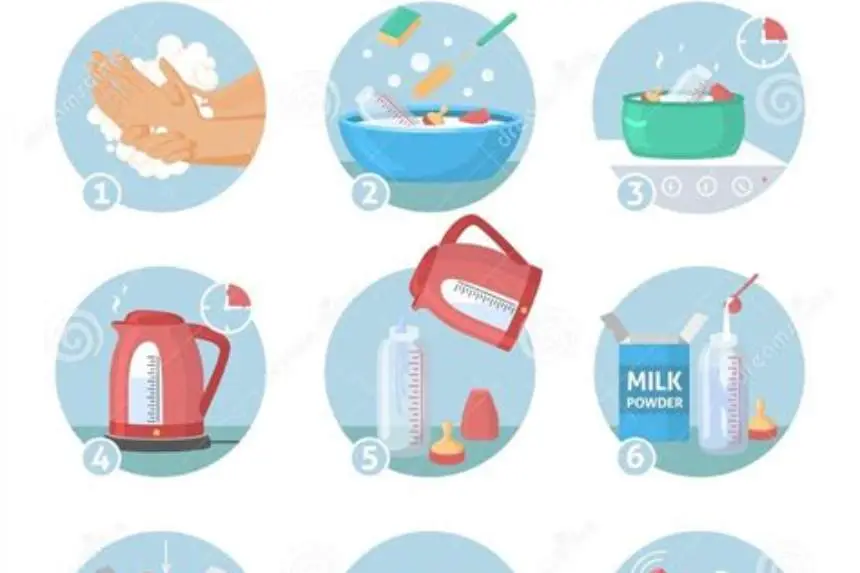
Prepare the bottle by washing hands and sterilizing all parts before first use and regularly after. Use formula or expressed breast milk at about 98.6°F, close to body temperature, to avoid upsetting your baby's digestion. Test temperature by dropping a little milk on your wrist; it should feel warm, not hot.
Mix formula powder with water exactly as the manufacturer instructs. Wrong ratios can cause dehydration or poor nutrition. Use clean, safe water; if in doubt, check local water advisories or boil and cool before mixing.
Fill the bottle with the prepared milk, assemble it tightly to avoid leaks, and ensure the nipple hole size suits newborn flow rates: usually very small to prevent choking and overfeeding. A slow-flow nipple reduces the risk of gas and spit-up.
If you use expressed breast milk, store it in the refrigerator at 39°F (4°C) or below and use it within 4 days. Freeze milk you won’t use within that time and thaw in the fridge before feeding. Avoid refreezing thawed milk. Before you commit to anything, it is worth looking at reducing overfeeding with paced bottles.
Use a clean bottle for each feed to avoid bacterial growth. If you prepare bottles ahead, label them with the time made and discard any leftovers after feeding. This prevents feeding your baby spoiled milk, which can cause stomach upset.

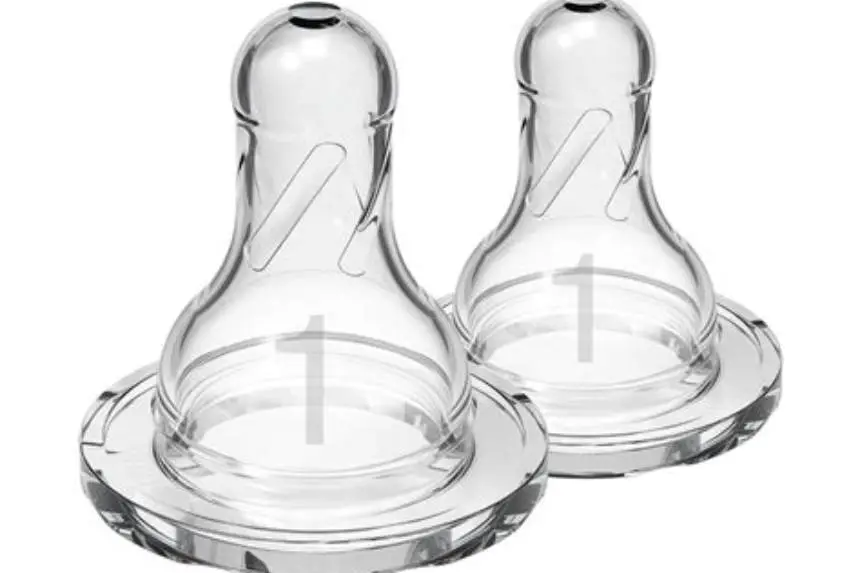
Enfamil Slow-Flow Soft Nipple for premature Infants
Has a 0.4 mm single-hole opening designed specifically for premature infants, controlling milk flow for safe feeding.
How to hold the baby and bottle
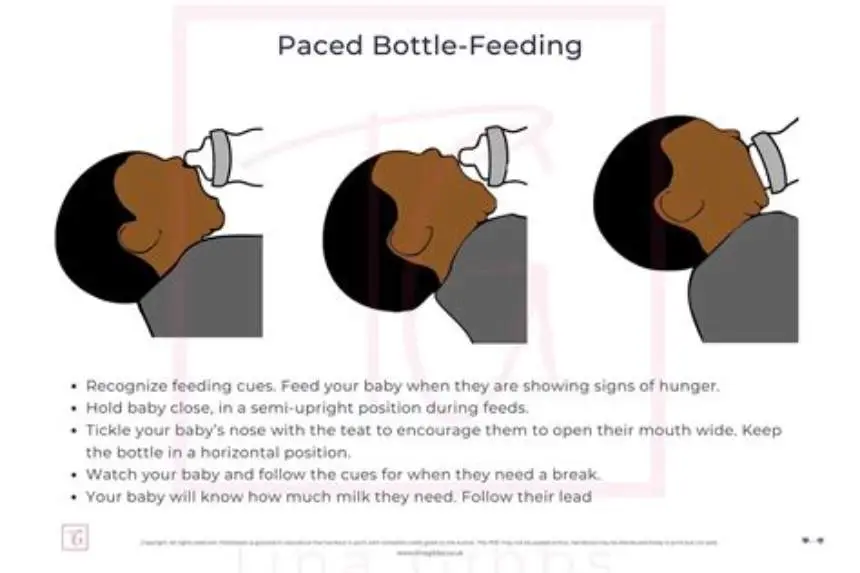
Hold the baby in a semi-upright position, around a 45-degree angle. This angle helps milk flow down safely and lowers choking risks. Avoid feeding a baby lying flat, which can cause milk to pool at the throat.
Support your baby's head and neck firmly but gently. Their neck muscles are weak and need support to swallow safely. Use your arm or a pillow for stability. There is more on understanding newborn crying in a separate guide.
Hold the bottle so the nipple is always full of milk. This prevents your baby from swallowing air, which can cause gas and fussiness. Tilt the bottle gradually as your baby feeds to keep the nipple filled without forcing milk too fast.
How to pace feeding to avoid choking or gas
Pace feeding by allowing your baby to suck and swallow at their own rhythm. Resist the urge to hurry or tilt the bottle aggressively. Pause every few sucks to give your baby time to breathe and swallow safely.
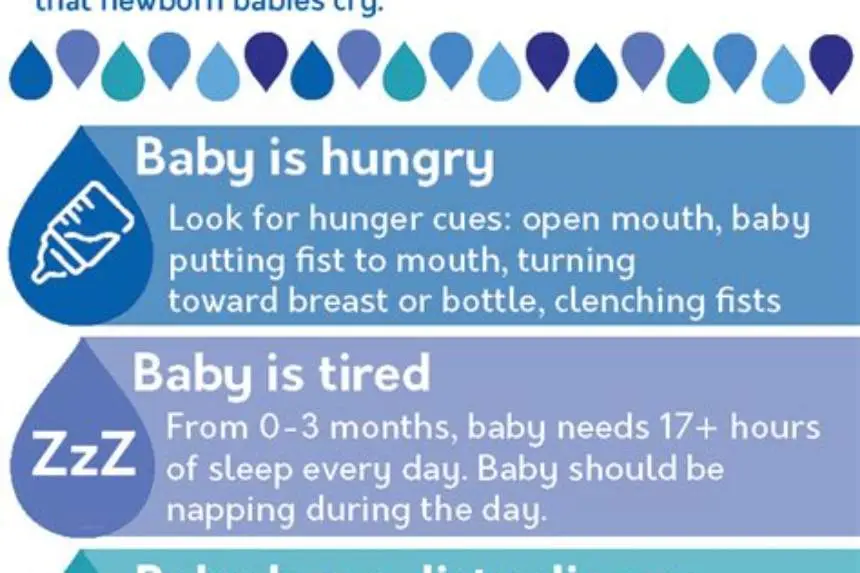
Watch for cues like slowing down or turning away, which signal your baby’s fullness or need for rest. Forcing feeds can increase spit-up and gas. We cover bottle preparation and cleaning in its own article.
Burp your baby every 2-3 ounces or every 5 minutes during feeding if the feed is slow. Burping releases swallowed air, reducing discomfort and colic risks.
If your baby coughs or gags during feeding, stop and let them settle before continuing. This reaction can mean the flow is too fast or the nipple hole is too large. Try switching to a slower flow nipple to reduce choking risks.
Keep an eye on your baby's breathing throughout feeding. If you notice wheezing, persistent coughing, or color changes, pause feeding and seek medical advice. These signs could indicate feeding difficulties or allergies needing professional care.
- Feed with the nipple filled with milk, tilted slightly.
- Offer 3-5 sucks, then pause or lower the bottle.
- Look for swallowing and comfortable breathing.
- Burp every 2-3 ounces or if baby shows discomfort.
- Repeat until the baby signals fullness.
How to clean and store bottles safely
After every feed, wash bottles, nipples, and caps in hot soapy water or a dishwasher if dishwasher-safe. Use a bottle brush to reach all inside areas, removing milk residues that harbor bacteria.
Sterilize bottles frequently during a newborn’s first months, especially if your baby was premature, ill, or has a weak immune system. Sterilizers use boiling steam or chemical solutions to kill microbes effectively.
Store bottles and nipples in a clean, covered container once dry to prevent dust or germs contaminating them before next use. Prepared formula should be used within 1 hour or refrigerated promptly and used within 24 hours.
- Wash immediately after feeding
- Use bottle brush for thorough cleaning
- Sterilize regularly or as recommended
- Store in covered clean container
- Refrigerate prepared formula within 1 hour
How to feed a baby with less mess and stress
Choose a bottle with an anti-colic vent system. These often reduce air swallowing, making feeding calmer and decreasing spit-up incidents. They require matching nipples recommended by the manufacturer to work correctly.
Use a paced feeding technique that mimics breastfeeding rhythms. This helps your baby control milk intake, reducing gagging or choking and keeping feeding times manageable.
Position yourself comfortably, use pillows for support, and keep burp cloths handy. Staying relaxed helps your baby stay calm too. Babies pick up on tension, which can increase fussiness.
Expect some spills with newborns. Use bibs and washable pads to protect clothes and surfaces. Clean up gently but promptly to keep feeding enjoyable for both.
Avoid overfeeding by recognizing fullness cues like turning away from the bottle, closing the mouth, or falling asleep. Pressuring your baby to finish a bottle can cause discomfort and more spit-up.
Use cloth bibs with waterproof backing to catch dribbles and keep your baby dry. Change bibs frequently during feeding sessions. This reduces skin irritation and keeps your baby comfortable.
- Anti-colic bottles reduce gas and spit-up
- Paced feeding adapts to baby's rhythm
- Comfortable setup reduces stress
- Anti-colic systems can be harder to clean
- Paced feeding takes more time
- Extra cleaning needed after spills
How to feed with a bottle: common questions answered
How often should I feed a newborn with a bottle? Typically, every 2-3 hours or 8-12 times per 24 hours depending on your baby's appetite and doctor advice.
What if my baby refuses the bottle? Try different nipples or temperature adjustments. Skin-to-skin contact and calm surroundings can help acceptance.
Can I warm bottles in a microwave? No, microwaving causes uneven heating and hot spots that can burn your baby’s mouth. Use warm water baths or bottle warmers instead.
Should I hold the bottle or prop it? Always hold the bottle during feeding to control flow and prevent choking.
Questions people still ask
How do I know if the bottle temperature is right?
Drop a few drops of milk on your wrist. It should feel warm or neutral, never hot.
How can I prevent my baby from swallowing air?
Keep the nipple filled with milk and hold the bottle tilted. Use slow-flow nipples and pace feeding.
When should I switch nipple sizes?
Switch when your baby feeds too slowly or shows frustration, usually after 6 to 8 weeks or as needed.
Is sterilizing bottles always necessary?
Sterilizing is most critical in the first 3 months, after illness, or for preemies. Otherwise, thorough washing can suffice.
What if my baby spits up a lot during bottle feeding?
Feed slowly, burp frequently, and ensure proper positioning. Excessive spit-up may need pediatric advice.