How to prepare and clean formula bottles safely including pre-making
Prepare formula bottles by using safe water at 158°F (70°C) or higher to mix formula powder, clean bottles thoroughly after each use, and store prepared bottles safely if pre-making. Use bottled water only if it meets safety standards.
On this page (8 sections)
- What matters most
- How to prepare formula bottles safely
- Can I use bottled water for formula preparation
- How to clean and care for baby bottles including Comotomo
- Can you prepare formula bottles in advance
- Best practices for feeding with less mess and stress
- How to choose water and equipment for safe formula feeding
- Questions people still ask
Part of our guide on best slow flow nipple for newborn
The numbers
- Safe water temp
- ≥158°F (70°C)
- Pre-made storage
- Up to 24 hours refrigerated
- Bottle cleaning frequency
- After every use
- Bottled water for formula
- Only if safe for infants
- Formula powder bacteria heat kill
- At 158°F (70°C)
What matters most
- Use water heated to at least 158°F (70°C) to kill bacteria in formula powder.
- Clean bottles after every feed with hot soapy water or in a dishwasher.
- Pre-made formula bottles can be stored up to 24 hours refrigerated.
- Only use bottled water for formula if labeled safe for infant consumption.
- Clean Comotomo and similar bottles by disassembling and thorough washing.
How to prepare formula bottles safely
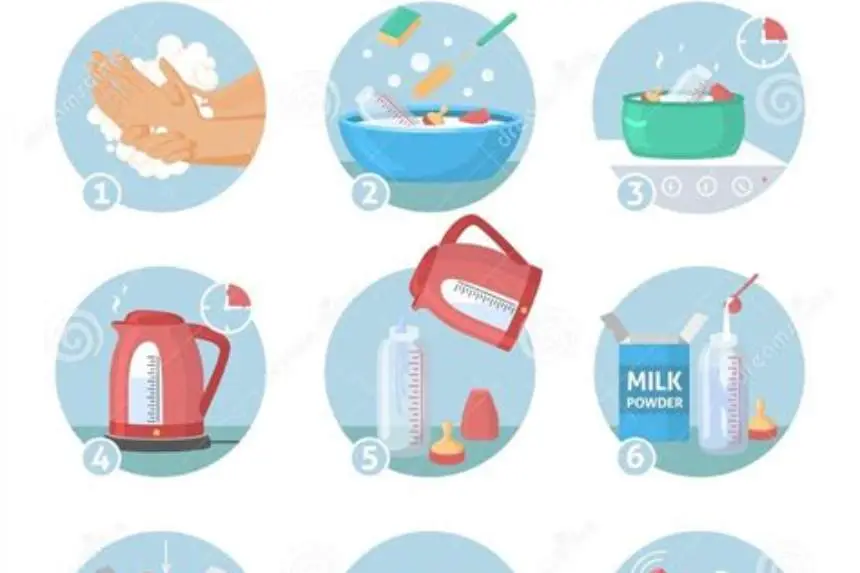
Start by using water heated to at least 158°F (70°C). This temperature is critical to kill potential bacteria found in formula powder. Measure water carefully before mixing to maintain nutrient balance. Avoid overheating as it can damage nutrients. Pour the hot water into a sterilized bottle, then add formula powder.
Stir or shake the bottle vigorously to dissolve the powder fully without lumps. After mixing, cool the bottle quickly by placing it under cold running water or in a bowl of cold water. Always test the temperature before feeding by dropping a little on your wrist; it should feel lukewarm, not hot.
Never prepare formula bottles at room temperature alone since water below 70°C won’t kill bacteria. Avoid using microwaves to heat formula as they create uneven hot spots that can burn your baby. Instead, use a bottle warmer or the cold water method to regulate temperature safely.
| Water Temperature | Purpose | Risks if Not Met |
|---|---|---|
| <70°C (158°F) | Insufficient bacteria kill | Risk of infection from powder bacteria |
| ~70°C (158°F) | Optimal bacteria kill | Safe preparation temperature |
| >70°C | Possible nutrient degradation | Reduced nutrient value if overheated |
Can I use bottled water for formula preparation
You can use bottled water for formula but only if it’s labeled safe for infant consumption. Bottled water varies widely in mineral content, sodium levels, and purity. Some brands have high mineral content unsuitable for babies, potentially stressing their kidneys. People in this spot often ask about steps to clean baby bottles as well.
If tap water is safe and meets local health standards, it’s generally the preferable option since you can heat it to 158°F (70°C) to kill bacteria. Bottled water may not reach those temperatures if used directly and lacks guarantees for sterilization.
When traveling or if tap water quality is uncertain, choose bottled water marked as low mineral or suitable for infant feeding. Always boil bottled water before formula preparation if uncertain of its safety, then cool it as described.
How to clean and care for baby bottles including Comotomo
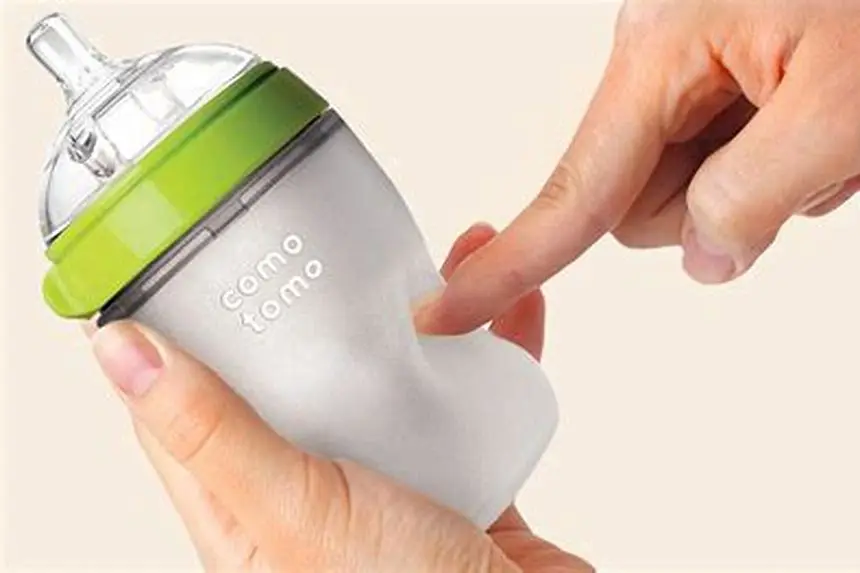
Every bottle, including popular soft silicone types like Comotomo, must be cleaned thoroughly after each feeding. Disassemble all parts: nipples, caps, rings, and bottles. Use hot, soapy water and a bottle brush to clean every crevice. Rinse well to remove soap residue. The other half of this decision is feeding a baby with a bottle safely.
Dishwashers are effective for cleaning hard plastic or glass bottles at high temperatures but check manufacturer instructions for silicone bottles. Comotomo bottles can be dishwasher safe on the top rack but need close inspection for any residue inside folds.
Sterilize bottles regularly using boiling water (at least 158°F/70°C) or steam sterilizers, especially for infants under 3 months or with compromised immunity. Over time, replace nipples every 1-2 months or sooner if damaged to avoid leaks or bacterial growth.
- Disassemble: separate all bottle parts for cleaning.
- Scrub: use dedicated brushes for bottles and nipples.
- Dishwasher: top rack only for silicone bottles like Comotomo.
- Sterilize: boil or steam regularly for newborn safety.
- Replace nipples: every 1-2 months or when worn.
Can you prepare formula bottles in advance
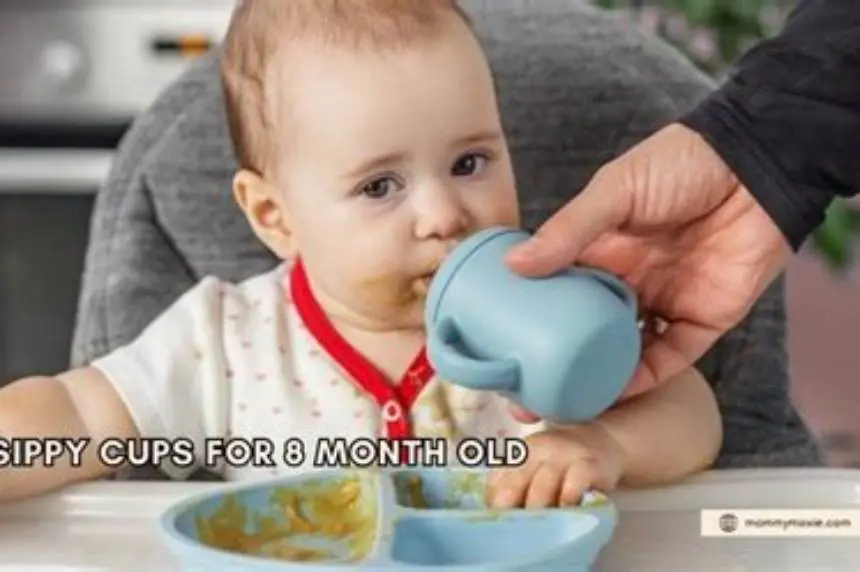
Yes, you can prepare formula bottles in advance but with strict storage limits. Once mixed, bottles should be cooled quickly and stored in the refrigerator at or below 40°F (4°C). Formula bottles stored this way remain safe for up to 24 hours only. The other half of this decision is can an 8 month old use a sippy cup.
Never leave prepared formula at room temperature for more than 2 hours as bacteria multiply rapidly, increasing infection risk. Before feeding, warm the bottle gently by placing it in warm water, never microwaving.
If a baby starts feeding and does not finish the bottle within 1 hour, discard the remainder to prevent bacterial growth. Pre-making can save time but requires reliable refrigeration and planning to avoid waste.
- Heat water to 158°F (70°C) or above.
- Mix formula powder and water in sterilized bottle.
- Cool bottle quickly under running water.
- Store bottle in refrigerator at ≤40°F (4°C).
- Use within 24 hours; discard leftovers after feeding.
Best practices for feeding with less mess and stress
To reduce spills and stress, always check bottle temperature before feeding and ensure the nipple flow suits your baby’s age and feeding ability. Use bottles designed to reduce colic, which also lessen air intake and fussiness.
Prepare feeding stations with all needed items close by: bottles, wipes, burp cloths, and a trash container. This minimizes interruptions and helps maintain a calm feeding environment. Use bottle warmers with temperature control to deliver consistent warmth.
Consider pre-measured formula powder dispensers for quick, precise preparation when out and about. Label pre-made bottles with preparation time and date to avoid guesswork and ensure safety. These practices prevent hurried, stressful feeding sessions.
- Check bottle temperature on wrist before feeding.
- Use age-appropriate nipple flow rate.
- Prepare a tidy feeding station.
- Use bottle warmers with temperature control.
- Label pre-made bottles with date and time.
How to choose water and equipment for safe formula feeding
The water you use must be safe, low in minerals, and either boiled or ready-to-feed bottled water for infants. A water thermometer is the simplest tool to verify it reaches 158°F (70°C) for safe formula preparation. Without it, guessing water temperature risks underheating or overheating.
Choose bottles and nipples compatible with your baby's feeding needs and easy to clean. Some silicone bottles, like Comotomo, offer gentle feeding but require meticulous cleaning. Avoid bottles with hard-to-reach parts that trap residue.
Invest in a steam sterilizer or plan regular boiling of bottles to maintain hygiene. A reliable bottle brush set designed for different parts helps prevent bacterial buildup. These tools support safer feeding and save time in busy routines.
Following the 158°F water temperature rule and thorough cleaning practices is the best way to safely prepare formula with minimal risk.
Questions people still ask
Can I use microwave to warm formula bottles?
Microwaves heat formula unevenly, creating hotspots that can burn a baby’s mouth. Instead, warm bottles by placing them in warm water or using a bottle warmer with temperature control.
What if I forget to sterilize bottles after use?
Cleaning with hot, soapy water is essential after every feed, but sterilizing is especially important for babies under 3 months or with weak immune systems. If you forget sterilizing occasionally, thorough washing still reduces most bacteria.
How do I know if bottled water is safe for formula?
Look for labeling that states the water is suitable for infant feeding or low mineral content. If unsure, boil bottled water before use to ensure safety.
Is it safe to reuse leftover formula from a feeding?
No. Once feeding starts, bacteria from the baby’s mouth can contaminate the formula. Any leftover formula should be discarded within 1 hour to avoid illness.
How often should I replace nipples on baby bottles?
Replace nipples every 1 to 2 months or sooner if damaged or cracked, to maintain hygiene and prevent feeding problems.