How paced bottle feeding helps newborns feed at their own pace
Paced bottle feeding helps newborns drink at a comfortable rhythm by controlling flow and timing so the baby, not the bottle, sets the pace. The caregiver slows delivery (mainly by using a slow-flow nipple and a near-horizontal bottle position) and responds to the baby’s cues to reduce overfeeding, choking, and stress.
On this page (10 sections)
- What matters most
- What is paced bottle feeding
- How paced bottle feeding works (consolidated explanation of flow and angle)
- How to do paced bottle feeding step by step
- Testing nipple flow at home (practical, simple method)
- Why paced feeding matters for newborns (benefits)
- Tools, gear, and practical considerations
- Potential risks, contraindications, and when to seek help
- Common challenges and troubleshooting
- Questions people still ask
Part of our guide on slow flow baby bottle nipple for breastfed newborn
The numbers
- Typical flow guidance
- Approximate slow-flow range; parents should test for their setup (see testing tips below)
- Burp frequency
- Every 2–3 minutes or when baby pauses/changes sucking pattern
- Feeding duration
- Often 20–30 minutes for a feeding session, but depends on baby and feeding stage
- Bottle angle
- Near-horizontal so milk just fills the nipple tip without flooding the opening
- Recommended nipple type
- Slow-flow nipple appropriate to baby’s age and suck strength
What matters most
- Paced feeding supports a baby’s natural suck-swallow-breathe pattern and reduces the risk of overfeeding.
- Control flow mainly with a slow-flow nipple and a near-horizontal bottle position; test flow at home to be sure it’s appropriate.
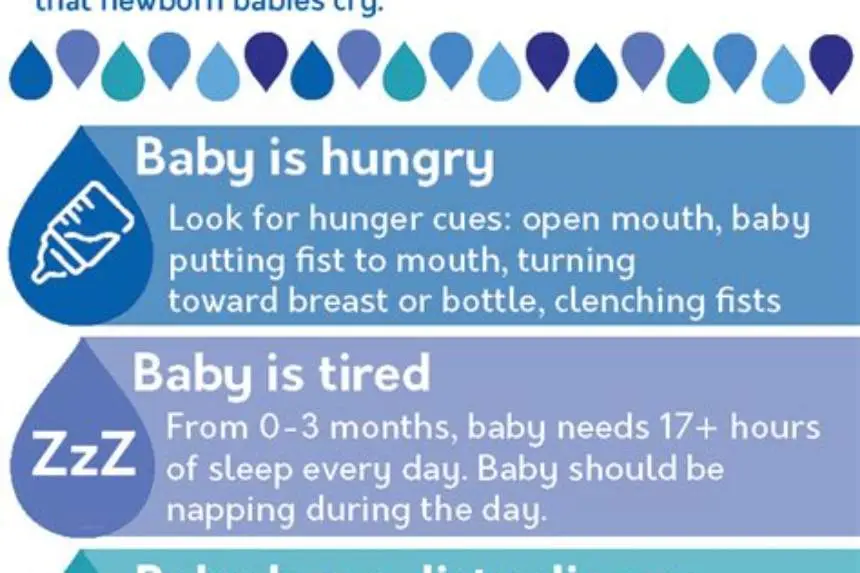
- Offer feeds when the baby shows hunger cues and pause frequently for breaths and burps.
- Typical paced feeding sessions often last 20–30 minutes, but this varies widely by infant age and appetite.
- If you have concerns (poor weight gain, weak suck, or respiratory problems), consult a pediatrician or feeding specialist before or during paced feeding.
What is paced bottle feeding
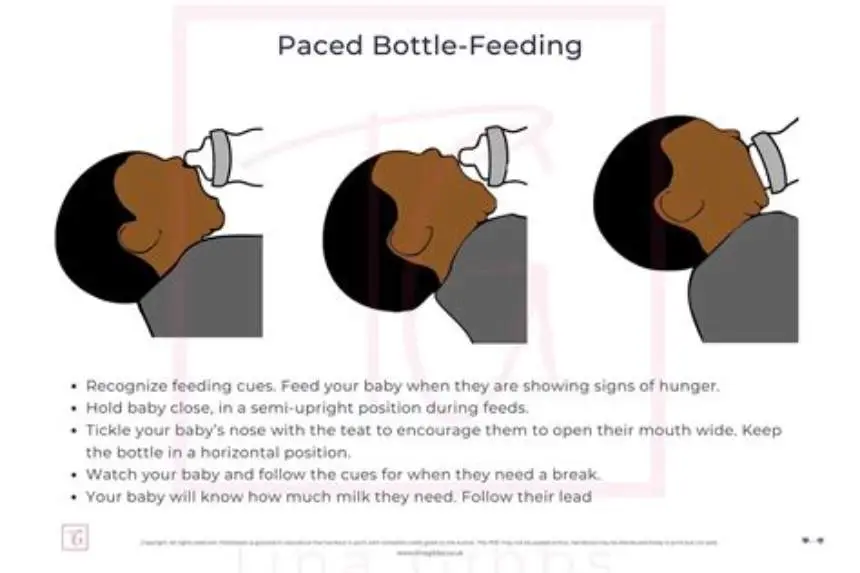
Paced bottle feeding is a caregiving method that lets infants control when they suck, pause, and swallow during bottle feeds. The goal is to approximate the rhythm of breastfeeding so that milk is delivered in bursts the baby can manage, reducing the chance of choking, gulping, or swallowing excess air.
Instead of tipping the bottle so milk pours continuously, caregivers use techniques and equipment (primarily a slow-flow nipple and a gentle, near-horizontal bottle angle) to keep milk delivery dependent on the baby’s active sucking. That gives the infant more opportunity to pause, breathe, and indicate fullness.
Paced feeding is appropriate from the newborn period onward and is commonly used for babies who seem to feed very fast, gulp frequently, or spit up often. It’s also a useful approach for parents who want bottle feeding to resemble breastfeeding rhythmically.
How paced bottle feeding works (consolidated explanation of flow and angle)
Paced feeding works by making milk flow contingent on the baby’s sucking rather than gravity alone. Two key factors control flow: the nipple’s flow characteristics (hole size, shape, and material) and the bottle angle. Holding the bottle near-horizontal reduces the gravitational push of milk into the nipple; milk should only pool enough to fill the nipple tip so the baby needs to draw it out actively. We go through what age can baby use silicone feeder step by step elsewhere on the site.
Flow rates quoted in consumer or professional guidance can vary because flow depends on nipple design and milk viscosity (breastmilk and formula behave slightly differently). Some feeding guides and lactation/feeding specialists describe slow-flow nipples in ranges that, when measured, correspond to small amounts of milk per second under test conditions. Because these numbers change by brand and testing method, treat any specific figure as an approximate target rather than an absolute rule.
A practical household approach is to test the nipple and bottle you plan to use (see “Testing nipple flow at home” below). If milk pours out easily with no suction or drips rapidly when the bottle is near-horizontal, the flow is likely too fast for paced feeding. If the baby must work but is able to maintain feeding with periodic pauses, the flow is closer to the intended outcome.
How to do paced bottle feeding step by step
1) Prepare a slow-flow nipple appropriate for the baby’s age (start with the slowest option if unsure). Position the baby in a semi-upright or supported upright hold to aid breathing and comfort. The other half of this decision is how to feed with a bottle.
2) Hold the bottle near-horizontal so milk just fills the nipple tip but does not flood the opening. Offer the nipple and let the baby take a few sucks. Watch for natural pauses; when the baby stops sucking or takes a breath, you can tip the bottle slightly to keep the nipple full but don’t force milk out.
3) Allow short feeding bursts followed by pauses. If the baby looks to be gulping or coughing, allow an extended pause and consider a smaller-hole (slower) nipple.
4) Burp the baby every 2–3 minutes or whenever they pause and seem to have swallowed air. Frequent burping can reduce discomfort. We go through assessing feeding methods step by step elsewhere on the site.
5) Stop the feed when the baby turns away, loses interest, or repeatedly refuses the nipple. Do not force the baby to finish the bottle; paced feeding’s purpose is to let the infant signal fullness.
- Choose an appropriately slow nipple (try the slowest if you’re unsure).
- Hold baby upright or semi-upright.
- Hold bottle near-horizontal so the nipple tip is filled, not flooded.
- Allow the baby to suck in bursts and pause for breaths.
- Burp every 2–3 minutes or when the baby pauses.
- Stop when the baby indicates fullness or disinterest.
Testing nipple flow at home (practical, simple method)
Because labels and marketing vary, test your specific nipple and milk mix at home before relying on it for paced feeding. A quick, practical test uses a syringe or measuring cup and a stopwatch or timer:
1) Fill the bottle with 10–20 ml of the milk you’ll feed (breastmilk or the prepared formula you plan to use). There is more on how to clean comotomo baby bottle in a separate guide.
2) Hold the bottle as you will for paced feeding (near-horizontal so the milk just fills the nipple tip) and activate the nipple as the baby would (some parents lightly squeeze the bottle once to start a small stream; others simply hold it horizontal without squeezing).
3) Time how long it takes for about 10 ml to come out of the nipple under those conditions. If milk pours out in one or two seconds for 10 ml, the flow is likely too fast. If it takes many tens of seconds and the baby can’t sustain feeding, it may be too slow.
4) Use this information to try a different nipple size or brand. The aim is a flow that requires the baby to actively suck but does not exhaust them: adjust until feeding sessions feel comfortable and the baby takes appropriate pauses.
Note: This home test is a practical guide and not a laboratory standard. If your baby has special feeding needs (prematurity, poor weight gain, or medical problems), consult a feeding specialist or pediatrician who can perform professional flow testing and make individualized recommendations.
Why paced feeding matters for newborns (benefits)
Paced feeding reduces the chances of overfeeding by letting infants stop when they’re full. Rapid bottle flow can bypass an infant’s natural pauses and fullness signals, increasing the risk of swallowing excess milk and air.
When milk flow matches the baby’s sucking and breathing rhythm, there is less coughing, choking, and gulping. That can translate into less gas and fewer spit-ups for many babies, and may be particularly helpful for infants who show signs of fast feeding.
Paced feeding also supports development of oral motor coordination: the baby practices active sucking interspersed with breaks to breathe and swallow, which is an important skill for feeding development.
Tools, gear, and practical considerations
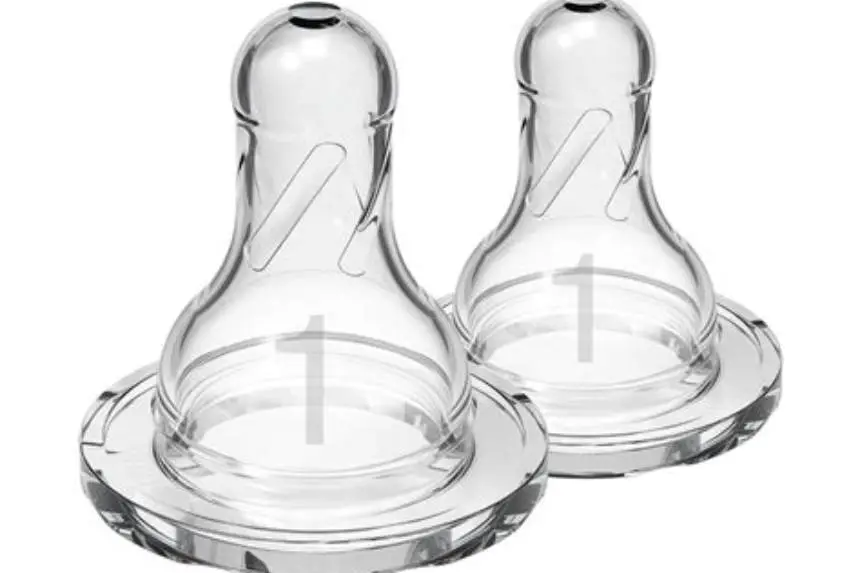
A slow-flow nipple is the principal tool for paced feeding. Brands and models vary widely; try several options if one seems too fast or too slow. Rather than relying solely on brand promises, use the home testing method above.
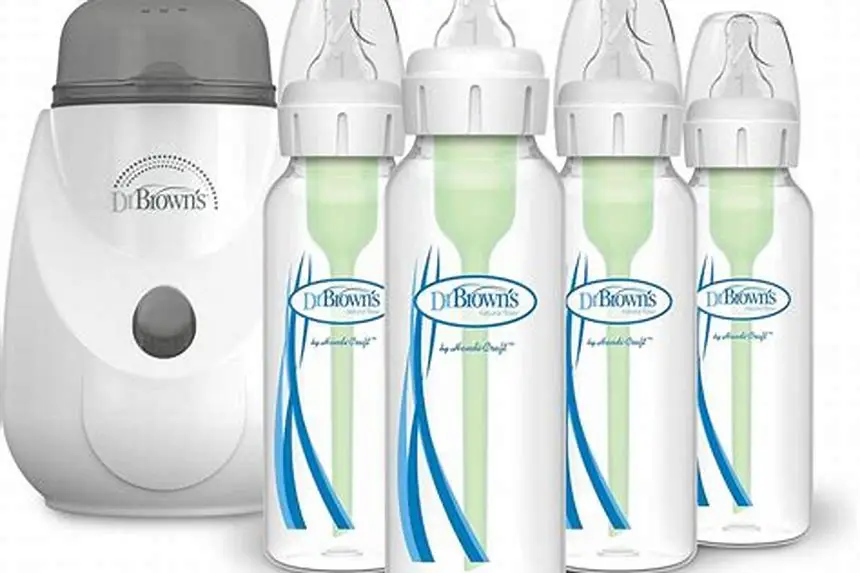
Some bottle systems are marketed specifically for paced feeding and include wide-neck shapes or special venting to reduce air swallowing. These can help but are not strictly required: any bottle that allows a near-horizontal hold and a slow nipple can work.
Costs for nipples and bottles vary by brand, material, and retailer. Rather than focusing on price, look for a nipple and bottle that provide an appropriate flow for your baby and that you can test at home.
Comfortable holding positions or a feeding pillow can reduce caregiver fatigue during longer paced feeds, but they are optional. The key is a stable hold that keeps the bottle at the intended angle and lets you respond easily to the baby’s cues.
Potential risks, contraindications, and when to seek help
Paced feeding is generally safe for healthy infants, but if done incorrectly it can cause problems. If the nipple is too slow for a baby with a weak suck, the infant may not get enough milk, leading to inadequate intake, slow weight gain, or dehydration. Conversely, if the nipple is too fast, the baby may gulp, swallow excess air, or cough.
Infants with certain medical conditions (such as severely uncoordinated suck-swallow-breathe patterns, some neurological disorders, significant respiratory problems, or certain congenital anomalies) may need evaluations and specialized feeding strategies from a pediatrician, neonatologist, or speech/feeding therapist. Paced feeding techniques should be adapted under professional guidance in these situations.
Watch for signs that the baby is not getting enough: less frequent wet diapers, poor weight gain, lethargy, or prolonged distress during feeds. If any of those occur, stop experimenting at home and consult your pediatrician immediately.
If you’re unsure how to pace feeds or how to test flow safely, ask a lactation consultant, occupational therapist (feeding specialist), or pediatrician to observe a feed and provide tailored advice.
Common challenges and troubleshooting
Some babies resist paced feeding at first, especially if they’re used to faster flow. Gradually introduce paced techniques and be patient: many infants adapt over several feeds.
If a baby fusses or turns away often, confirm they are hungry before starting and minimize distractions. Sometimes starting a feed with a few quick, gentle sucks (without tipping the bottle) can help the baby engage.
Caregivers may become tired holding the bottle steady for longer feeds. Finding a comfortable support for the arm or experimenting with short breaks to burp and reposition can help maintain consistency.
If spit-up or gas is frequent and severe despite paced feeding, discuss with a pediatrician to rule out reflux, food intolerance, or other issues; paced feeding can reduce but not eliminate these problems.
Questions people still ask
Can paced bottle feeding prevent colic?
Paced feeding can reduce swallowed air and rapid overfeeding, factors that may contribute to fussiness labeled as colic in some infants. However, colic has multiple causes, and paced feeding is not a guaranteed prevention.
How do I know if my baby is feeding too fast?
Signs include frequent gulping, choking, coughing, or continuous, rapid sucking with few pauses. If you notice these, test the nipple flow and try a slower nipple or a more horizontal hold.
Is paced feeding suitable for all babies?
Many healthy newborns benefit from paced feeding. Babies with weak suck, medical complexity, or certain feeding disorders should be evaluated by a pediatrician or feeding specialist to determine the best approach.
How long should a paced feeding session last?
A common guideline from parenting resources and feeding practitioners is around 20–30 minutes per session for many infants, but actual duration varies by age, appetite, and baby’s energy. Treat 20–30 minutes as a typical range rather than a strict rule; monitor baby’s cues and weight gain.
Do I need special bottles for paced feeding?
Special ‘paced-feeding’ bottle systems can help, but any bottle that works with a slow-flow nipple and can be held near-horizontal will do. The crucial factor is appropriate flow, not a specific brand.