How to clean Comotomo baby bottles and are they good for breastfed babies
Clean Comotomo bottles by disassembling all parts and washing with warm water and mild soap; sterilize them by boiling for 5 minutes or using a steam sterilizer. Their soft silicone nipples mimic breastfeeding well, supporting breastfed babies.
On this page (8 sections)
- What matters most
- How to clean Comotomo baby bottles properly
- How to sterilize Comotomo bottles safely
- Are Comotomo bottles suitable for breastfed babies
- Common mistakes to avoid when cleaning and using Comotomo bottles
- Step-by-step: cleaning and sterilizing Comotomo bottles
- What to buy to care best for Comotomo bottles
- Questions people still ask
Part of our guide on nipple fit for Tommee Tippee bottles
The numbers
- Cleaning water temp
- Warm, 100°F+ (
40°C) - Sterilizing time
- 5 minutes minimum
- Material
- Silicone
- Suitable for breastfed
- Yes
- Disassembly parts
- 4 (bottle, nipple, collar, inner vent)
What matters most
- Use warm, soapy water and a soft bottle brush for cleaning
- Sterilize by boiling or steam sterilizer for at least 5 minutes
- Disassemble all Comotomo bottle parts for thorough cleaning
- Silicone nipples suit breastfed babies by mimicking natural latch
- Avoid harsh brushes or detergents that can damage silicone
How to clean Comotomo baby bottles properly
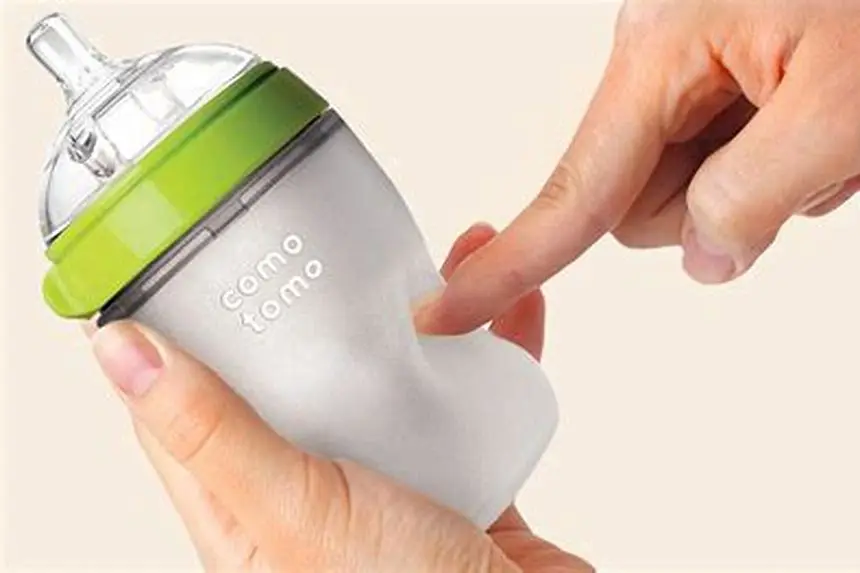
Comotomo bottles are made from soft silicone, which requires gentle cleaning to avoid damage. You must fully disassemble the bottle into its four parts: the bottle body, nipple, collar, and inner vent. Each part traps milk residue differently, so all need attention.
Wash all parts separately with warm water (above 100°F or 40°C) and a mild, fragrance-free dish soap to avoid irritating your baby or degrading the silicone. Use a soft bottle brush or sponge dedicated to baby bottles to scrub gently. Avoid abrasive tools or harsh detergents that can cause microtears in the silicone.
Pay special attention to the nipple’s inside, which can trap milk droplets. Comotomo’s wide-neck design allows easier access than thinner-neck bottles, but a nipple brush is still useful for full cleaning. Rinse all parts thoroughly under running water to remove soap traces.
If you notice a persistent odor after cleaning, soaking the disassembled parts in a mixture of white vinegar and water (1:3 ratio) for 15 minutes can help neutralize smells without harming silicone. Rinse thoroughly afterward to remove any vinegar taste. Also, drying the parts completely before reassembly helps prevent mold and bacterial growth, especially in humid environments. Before you commit to anything, it is worth looking at bottle feeding techniques.
When cleaning the bottle body, check for any cracks or discoloration that could harbor bacteria or indicate silicone degradation. Replace parts at the first sign of damage. Using distilled or filtered water for rinsing can reduce mineral deposits on the silicone, especially in areas with hard tap water, which can affect bottle hygiene over time.
- Disassemble - fully separate all parts
- Use warm water - above
100°F(40°C) - Mild soap - fragrance-free and gentle
- Soft brush - avoid scrubbing silicone harshly
- Rinse well - no soap residue allowed
How to sterilize Comotomo bottles safely
Sterilizing Comotomo bottles is essential to kill bacteria and viruses, especially for newborns under three months or if the baby has a weakened immune system. The safest methods are boiling or using a steam sterilizer designed for baby bottles.
Boil all disassembled parts in clean water at a rolling boil (212°F or 100°C) for at least 5 minutes. Ensure the silicone parts are fully submerged and not touching the pot’s bottom to avoid damage from intense direct heat. Remove with clean tongs and air dry on a sterile surface. It helps to understand how to prepare formula bottles before going further.
Alternatively, electric steam sterilizers designed for baby bottles are convenient and maintain consistent sterilizing temperatures around 212°F. Avoid microwave sterilizing bags if possible, as uneven heat can degrade silicone over time. Regular sterilizing maintains hygiene and prolongs bottle life.
- Boil for 5 minutes minimum at 212°F (
100°C) - Use a steam sterilizer as an alternative
- Avoid microwave bags to protect silicone
- Always sterilize disassembled parts separately
- Air dry on clean, sterile surfaces
Are Comotomo bottles suitable for breastfed babies
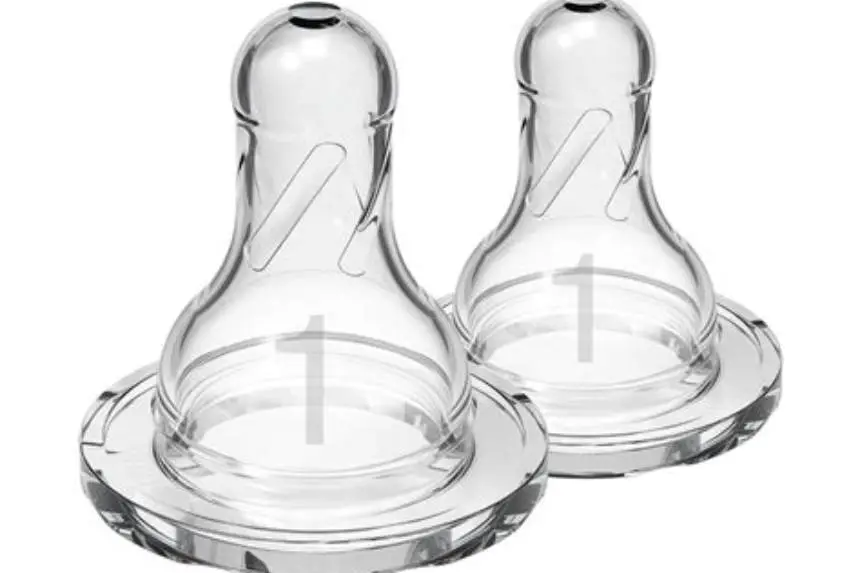
Comotomo bottles are widely recommended for breastfed babies because their wide, soft silicone nipples closely mimic the shape and feel of a mother’s breast. This design supports a natural latch and sucking motion, reducing nipple confusion.
The nipples have a natural teat shape and a slow flow rate, helping the baby control milk intake more effectively, which aligns well with breastfeeding patterns. Many parents report fewer feeding transitions issues compared to harder plastic bottles with narrow nipples. Before you commit to anything, it is worth looking at accurate measuring for 150ml bottles.
Nevertheless, every baby is unique. Some breastfed infants may still experience some adjustment delay when switching from breast to bottle. Observing your baby’s feeding cues and flow preference helps decide if Comotomo is the right bottle for your child.
The nipple’s soft material and wide base encourage a feeding experience closely aligned with breastfeeding by allowing a natural tongue movement and latch. This is particularly beneficial for babies who have difficulty transitioning between breast and bottle, as the nipple flow mimics natural milk flow rates of about 2-4 ml per minute under typical feeding conditions.
However, some breastfed babies may prefer even slower flow nipples or require paced feeding techniques with Comotomo bottles to prevent overfeeding or gas. Adjusting the feeding position to a more upright posture while using Comotomo bottles can also help reduce the risk of colic or reflux, supporting a comfortable transition from breastfeeding.
| Feature | Comotomo Silicone Nipple | Standard Plastic Nipple |
|---|---|---|
| Material | Soft silicone | Hard plastic or silicone |
| Shape | Wide, breast-like | Narrow, artificial |
| Flow Control | Slow flow, natural | Faster, less controlled |
| Latch Support | High, mimics breast | Lower, more artificial feel |
| Suitability for Breastfed Babies | High | Moderate to low |
- Soft, flexible nipple
- Mimics breastfeeding latch
- Slow flow matches breastfed pace
- Wide neck easy to clean
- Silicone texture differs slightly from skin
- May not suit all infants
- Nipples can wear faster than plastic
Common mistakes to avoid when cleaning and using Comotomo bottles
A frequent error is not fully disassembling the bottle before cleaning, leaving hidden milk residue in the inner vent and collar. This residue can cause bacterial growth. Always separate all four parts for thorough washing and sterilizing.
Another mistake is using hot water that is too cold (below 100°F or 40°C), which reduces detergent effectiveness and may leave fats and proteins behind. Use water that feels warm or slightly hot to the touch but safe for skin.
Failure to rinse well can leave soapy film on silicone, which might irritate your baby or affect milk taste. Thorough rinsing is non-negotiable every time. Do not crowd bottles together while sterilizing; they need space for steam circulation.
Avoid using dishwasher cycles with heated dry for Comotomo bottles: the intense heat may degrade silicone faster than hand washing and sterilizing methods.
A notable mistake is neglecting to inspect the silicone nipples regularly. Over time, tiny tears or thinning areas can develop, which may not be immediately visible but can harbor bacteria or cause feeding issues. Replacing nipples every 1-3 months or sooner if damaged is crucial for safety and performance.
Another common oversight is using tap water alone for rinsing, particularly in regions with hard water. Minerals can build up on silicone surfaces, leading to a cloudy appearance and potential bacterial growth niches. Using filtered water for the final rinse can preserve the bottle’s clarity and hygiene.
Step-by-step: cleaning and sterilizing Comotomo bottles
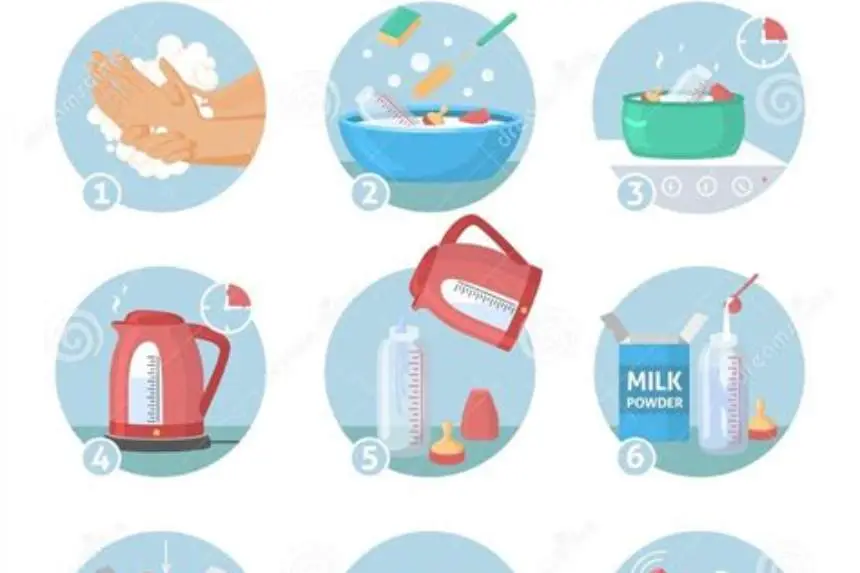
- Disassemble the bottle into its four parts: bottle body, nipple, collar, and inner vent.
- Rinse each part under warm running water to remove leftover milk.
- Fill a basin with warm water (above 100°F / 40°C) and add mild baby-safe dish soap.
- Use a soft bottle brush to clean inside the bottle and a nipple brush to clean inside the nipple thoroughly.
- Rinse all parts under running water to remove soap residue.
- To sterilize, boil all parts in clean water for at least 5 minutes or place them in an electric steam sterilizer for the recommended cycle.
- Remove parts carefully using sterilized tongs and place on a clean, sterile surface to air dry.
What to buy to care best for Comotomo bottles
To clean and maintain Comotomo bottles properly, you will need a soft silicone-compatible bottle brush and a nipple brush explicitly made for soft nipples. Some bottle brushes have hard bristles that can damage silicone surfaces quickly.
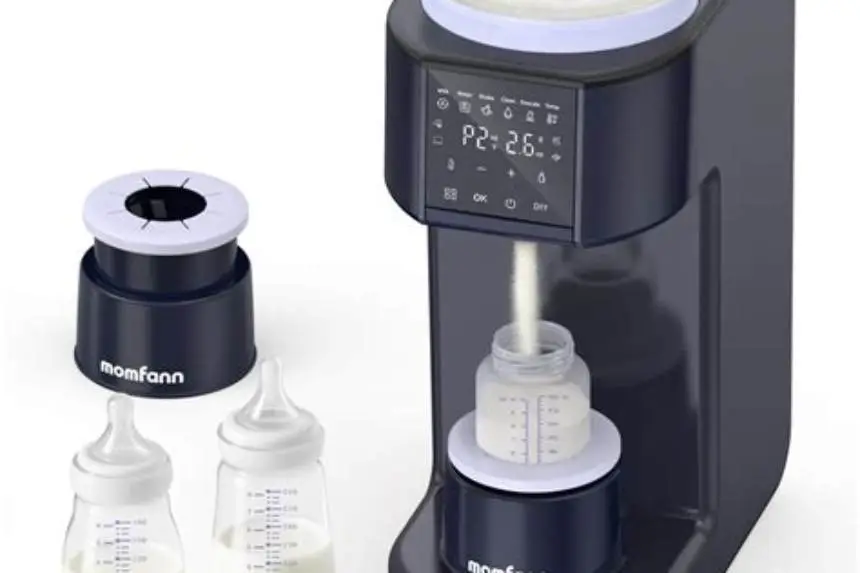
A steam sterilizer designed for baby bottles is highly recommended for convenient daily sterilizing without risking damage from excessive boiling direct heat. If affordability or space is a concern, a simple pot for boiling water will suffice but requires careful attention.
Avoid generic cleaning sponges or dish brushes, as they can harbor bacteria or scrape the silicone. Dedicated cleaning tools ensure your Comotomo bottles stay hygienic and intact longer.
Comotomo bottles are an excellent choice for breastfed babies when cleaned and sterilized properly, balancing natural nipple feel with hygiene.
Questions people still ask
Can I clean Comotomo bottles in the dishwasher?
While Comotomo bottles are technically dishwasher safe, repeated dishwasher washing, especially using heated dry cycles, can degrade the silicone faster. Hand washing with warm soapy water and sterilizing regularly is safer for longevity.
How often should I sterilize Comotomo bottles?
Sterilize Comotomo bottles daily for babies under three months or with compromised immunity. For older babies, sterilizing 2-3 times a week combined with thorough washing is usually sufficient.
What if my breastfed baby refuses the Comotomo bottle?
Every baby differs. Try different nipple flow rates or warming the bottle slightly to simulate breast milk temperature. If refusal persists, consult your pediatrician or try an alternative bottle designed specifically for breastfed infants.
How long does a Comotomo nipple last?
Nipples made from silicone can last 1-3 months depending on use and cleaning methods. Inspect regularly for tears or discoloration and replace if damaged to maintain hygiene and safety.
Can I use harsh detergents with Comotomo bottles?
No. Harsh detergents can damage silicone and irritate your baby. Always use a mild, fragrance-free baby-safe dish soap.