Why is my newborn crying constantly after feeding attempts fail
Understanding feeding-related reasons behind your newborn's constant crying and how to assess feeding gear and methods for less mess and stress.
Newborns often cry constantly after feeding attempts fail because they may be hungry, uncomfortable with feeding gear like bottles or nipples, or struggling with flow rate and latch issues causing frustration and distress.
On this page (8 sections)
- The short version
- Why do newborns cry so much
- What feeding issues cause constant crying
- How to check if bottles or nipples suit the baby
- When crying signals a feeding problem to act on
- Why is my newborn crying constantly after feeding attempts fail
- How to feed a baby with less mess and stress
- Questions people still ask
Part of the guide: Will the Stokke Tripp Trapp newborn set fit your chair and table height?
This guide explains specific feeding-related reasons why your newborn cries constantly and how to verify your feeding gear matches their needs to reduce stress.
| Typical cry duration | 1-3 hours daily |
|---|---|
| Nipple flow rate | varies, 1-3 ml/sec |
| Feeding intervals | 2-3 hours on average |
| Milk intake newborn | 45-90 ml per feed |
The short version
- Newborns cry mainly due to hunger or feeding discomfort.
- Feeding gear like bottles and nipples must suit baby's flow needs.
- Check if nipple flow is too fast or slow causing fussiness.
- Constant crying can signal feeding problems needing action.
- Proper fit and technique reduce feeding time and mess.
Why do newborns cry so much
Newborns cry up to 1-3 hours daily on average, primarily to signal needs like hunger, discomfort, or tiredness. Crying is their main communication method as they cannot express specific issues otherwise.
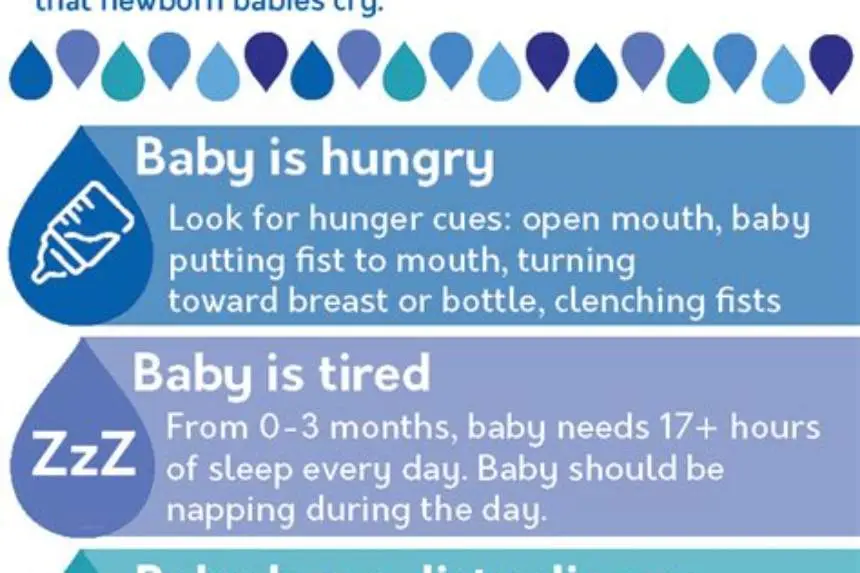
Hunger is the leading cause; newborns have small stomachs holding roughly 45-90 ml per feeding, requiring frequent feeds every 2-3 hours. When feeding attempts fail, crying increases due to frustration and unrelieved hunger.
Other reasons include gas, temperature discomfort, or overstimulation. Newborns are sensitive to their environment. Crying patterns can differ widely between babies: some are naturally fussier or have stronger cries when unsettled.
Crying intensity and duration can vary significantly with the newborn's temperament and health status. For example, babies born prematurely or with medical conditions like acid reflux may cry more frequently and for longer periods due to discomfort or feeding difficulties. In healthy, full-term newborns, crying tends to peak around 6 weeks of age before gradually declining. This peak is often called the “witching hour” and can last several hours a day, making it important for caregivers to differentiate normal crying from cries indicating urgent needs. Monitoring crying patterns alongside feeding schedules helps identify when crying is due to hunger versus other causes. We cover nipple fit for Tommee Tippee bottles in its own article.
What feeding issues cause constant crying
Feeding-related crying often arises from problems like poor latch, nipple flow mismatches, and air swallowing causing discomfort or inadequate milk intake.
If a nipple flows too quickly, a newborn may choke or gulp, leading to gas and fussiness. If too slow, the baby tires and becomes frustrated, crying after unsuccessful feeding attempts.
Bottle shape and material can affect feeding ease; rigid bottles might increase air intake compared to flexible ones, leading to gas and crying. Feeding positions also influence milk flow and swallowing comfort.
Reflux or mild digestive issues can cause pain during or after feeding, prompting persistent crying. Identifying if crying coincides with feeding attempts helps isolate feeding issues from other causes.
Feeding issues such as tongue-tie or lip-tie can restrict the newborn’s ability to latch properly, leading to inefficient feeding and prolonged frustration that causes crying. These anatomical restrictions may require assessment by a healthcare professional. Some babies have sensory sensitivities that make them intolerant to certain bottle textures or flavors from formula, which may trigger fussiness and crying after feeding attempts. Identifying such sensitivities through trial and error with different formula types or bottle materials can reduce crying episodes.
How to check if bottles or nipples suit the baby
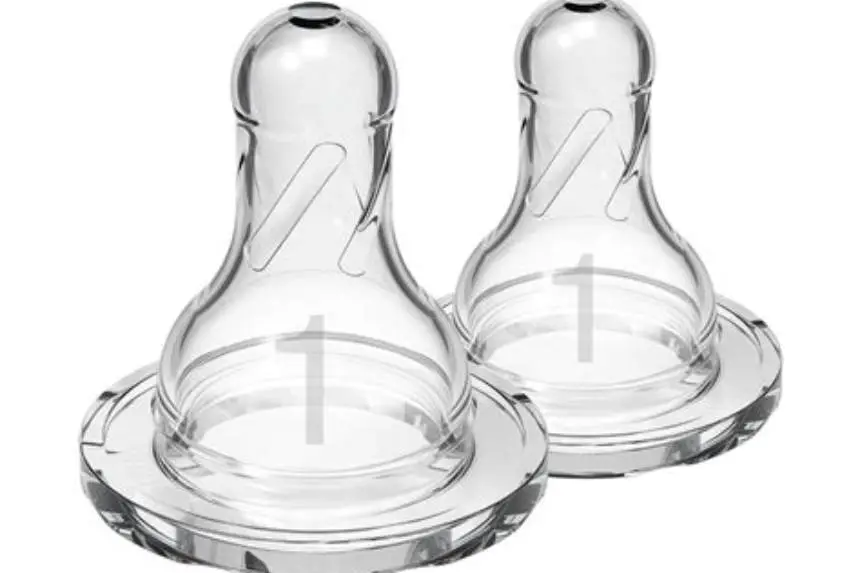
Start by testing nipple flow rate suitable for newborns, generally targeting 1-3 ml per second flow depending on baby's strength and age. Too fast or slow flow causes feeding distress.
Use a flow tester device to measure milk delivery rate if uncertain. It helps confirm if a nipple meets the target flow range for your baby’s developmental stage.
Observe baby’s behavior: effortless sucking with minimal pauses and no coughing indicates a good match. Frequent choking or long feeding times suggest flow or shape mismatches.
Try different nipple shapes and materials, as some babies prefer wider or softer nipples matching breastfeeding feel, reducing confusion and fussiness.
Check for leaks or air bubbles in the bottle system: they increase swallowed air, causing gas and crying. Vacuum or vented bottle designs help reduce air intake.
When crying signals a feeding problem to act on
Crying linked to feeding problems needs prompt action if persistent despite attempts to soothe, or if accompanied by poor weight gain, vomiting, or dehydration.
Watch for signs like prolonged feeding times over 40 minutes, frequent choking, refusal to feed, or grimacing after feeds indicating pain or reflux.
If constant crying worsens during or after feeding attempts, it often points to a discomfort that requires adjusting feeding methods or gear. Medical advice should be sought when feeding issues impair growth or hydration.
Early intervention often prevents feeding frustration from escalating into feeding aversion, reducing stress and improving baby's wellbeing.
Why is my newborn crying constantly after feeding attempts fail
When feeding attempts fail, crying is usually due to hunger, discomfort from feeding gear, or digestive upset like gas or reflux.
Mismatch of nipple flow rate, bottle shape, or feeding position can cause poor milk transfer, frustrating your baby who cannot self-correct like adults.
Babies also cry if they swallow excess air during feeding, which leads to gas pains. Using vented bottles or slow flow nipples can reduce this.
Checking the fit of feeding gear against your baby’s cues and developmental stage is key to reduce crying related to feeding attempts.
Adjustments such as changing nipple flow, switching to a more flexible bottle, or altering feeding position can quickly improve feeding success and reduce crying.
In some cases, crying after failed feeding attempts may be a sign of underlying medical conditions such as cow’s milk protein allergy or lactose intolerance, which cause gastrointestinal discomfort. Babies with these conditions often display persistent crying related to feeding attempts despite adjustments in feeding techniques or equipment. Signs that point towards an allergy include blood or mucus in stools and excessive irritability after feeding. Consulting a pediatrician for appropriate testing and dietary recommendations can significantly alleviate feeding-related crying in these situations.
It is also important to consider the timing and environment of feeding. Newborns may cry if feeding attempts coincide with overstimulation or fatigue. Feeding in a quiet, dimly lit room, maintaining consistent routines, and ensuring the baby is calm before feeding can reduce crying caused by stress or discomfort unrelated to hunger or equipment. Observing and responding to early hunger cues rather than waiting for intense crying can prevent feeding frustration and decrease crying episodes.
How to feed a baby with less mess and stress
Minimize mess by choosing bottles and nipples designed to reduce spills and drips, plus easy-clean materials. Practice a feeding position that keeps baby semi-upright to reduce spit-up and choking.
Use burping breaks during feeding to lessen air swallowing and gas buildup, reducing crying episodes.
Keep feeding gear clean and properly assembled to prevent leaks and maintain flow consistency.
Adopt a calm, consistent feeding routine to soothe the baby and create positive feeding associations.
If bottle feeding, try paced feeding technique to mimic breastfeeding flow, allowing baby to regulate intake and avoid overeating or frustration.
- Choose a slow flow nipple appropriate for your newborn.
- Hold baby semi-upright during feeding to aid swallowing.
- Pause every few minutes to burp and check baby’s comfort.
- Use vented bottles to minimize air intake and gas.
- Maintain a calm environment to reduce baby's stress.
Questions people still ask
How can I tell if my newborn is hungry or just uncomfortable?
Hunger crying is rhythmic and increases if feeding is delayed, while discomfort crying is often more intense and irregular, sometimes accompanied by pulling legs up or arching back.
What signs show a nipple flow is too fast for my baby?
If your baby coughs frequently, chokes during feeds, or seems overwhelmed and pulls away from the nipple, the flow may be too fast.
Can feeding gear cause my baby to swallow air and cry more?
Yes. Bottles without proper venting or nipples that collapse can cause excess air swallowing, leading to gas and crying.
How do I know when to seek medical advice for constant crying?
If crying is persistent, feeding is difficult, baby is not gaining weight, or if there is vomiting and dehydration, contact a healthcare provider promptly.
Is it normal for newborns to cry after every feeding attempt?
Occasional crying after feeding can be normal due to digestion or gas, but constant crying after every feeding attempt suggests an underlying feeding issue to address.