When can a baby safely start using a silicone feeder and how to use it
Babies can typically start using a silicone feeder at about 6 months old, when they show readiness for solid foods and can sit with minimal support. This timing depends on developmental milestones and the specific feeder’s age and weight guidelines.
On this page (8 sections)
- What matters most
- Recommended age to start using a silicone baby feeder
- How to introduce a silicone feeder safely
- How to use a feeding bottle with a spoon effectively
- Safety standards and checking product limits
- Benefits and drawbacks of silicone feeders compared to alternatives
- When can a baby safely start using a silicone feeder and how to use it with a bottle
- Questions people still ask
Part of our guide on best slow flow nipple for newborn
The numbers
- Recommended start age
- 6 months
- Sitting ability
- Minimal support needed
- Choking hazard
- Monitor closely
- Feeder safety
- Follow maker’s limits
What matters most
- Start silicone feeders around 6 months when solid feeding begins
- Watch for baby’s ability to sit up and hold objects before introduction
- Introduce feeders gradually to monitor for allergies and choking risks
- Use a feeding bottle with spoon carefully to control flow and reduce mess
- Check product age and weight recommendations for safety assurance
Recommended age to start using a silicone baby feeder
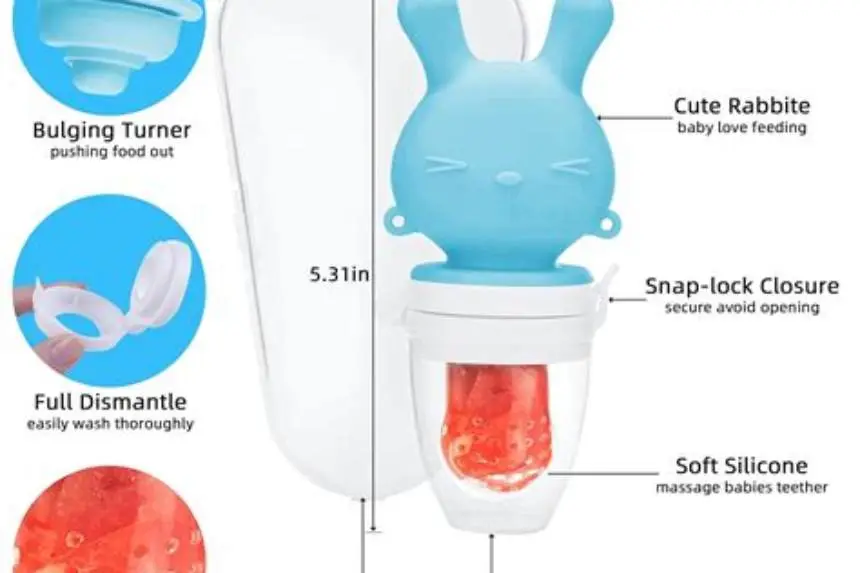
Silicone feeders are generally recommended for introduction when a baby is about 6 months old, coinciding with the age most start solid foods. This age aligns with developmental readiness, including the baby’s ability to sit upright with minimal support and to grasp objects reliably. The 6-month mark is a guideline, not a hard rule; some babies may be ready a little earlier or later depending on individual growth patterns.
Manufacturers often specify minimum age and weight limits for their silicone feeders, such as 6 months and around 15 pounds. These limits exist for safety reasons, mainly to reduce choking risks and ensure the baby can handle the feeder’s weight and shape comfortably. Parents should always check these limits before buying or using a feeder.
Starting too early, before a baby can sit well or control tongue and jaw movements, increases the risk of gagging or choking because the baby lacks the coordination to manage solids safely. Waiting until the baby is developmentally ready also reduces frustration and messy feeding sessions.
- Supports self-feeding skills
- Minimizes choking risk if used at right age
- Encourages safe introduction to solids
- Not suitable if baby can’t sit steadily
- May be rejected by some babies at start
- Requires close supervision
How to introduce a silicone feeder safely
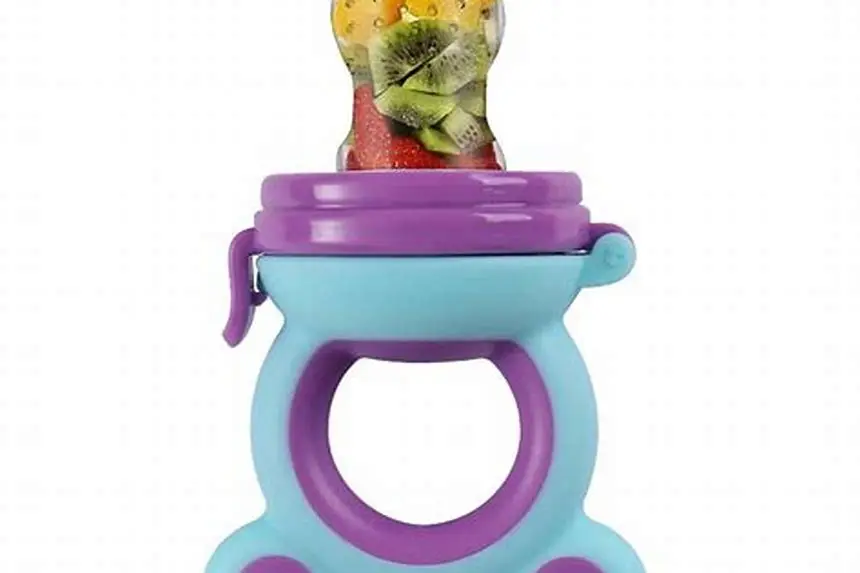
Introduce silicone feeders gradually by starting with soft, single-ingredient foods, such as pureed fruits or vegetables, placed inside the feeder. Begin with short feeding sessions of 5-10 minutes to observe how your baby reacts and adjust accordingly. Always supervise your baby closely during use, as feeders are not without choking hazards if used incorrectly. Before you commit to anything, it is worth looking at food feeder for gag reflex.
Clean and inspect the feeder before each use to ensure no tears or damage to the silicone, which could pose a choking risk if small pieces detach. Use a feeder with secure locking mechanisms to prevent unintended openings. Introducing one new food at a time through the feeder helps identify food intolerances or allergies.
Keep the baby seated upright during feeding to reduce aspiration risk. If the baby shows distress, coughing, or gagging beyond mild reflex, remove the feeder immediately and consult a pediatrician if necessary.
- Gradual introduction reduces allergy risk
- Encourages independent feeding
- Safer than loose solids
- Requires constant supervision
- Cleaning can be cumbersome
- Not foolproof against choking
How to use a feeding bottle with a spoon effectively
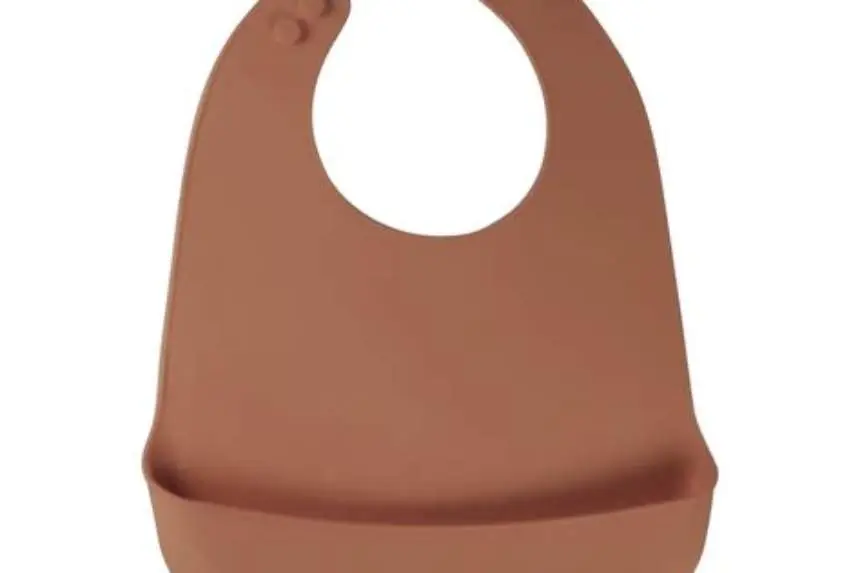
Using a feeding bottle with a spoon attachment allows you to offer semi-solid or pureed foods in a controlled flow, reducing mess. Choose a bottle with a soft, flexible spoon tip attached to the nipple area. Fill the bottle with the desired food consistency: thick enough to hold but fluid enough to be squeezed out gently. Before you commit to anything, it is worth looking at using bibs with pouch feature.
To feed, hold the bottle at a slight angle and gently squeeze to release small amounts onto the spoon tip. Approach the baby’s mouth slowly to let them taste and swallow without overwhelming them. This method is especially helpful for babies transitioning from liquids to solids who may struggle with traditional spoons.
After feeding, clean all bottle parts thoroughly to remove any food residue and prevent bacterial growth. Reheating of food in the bottle should be avoided or done carefully to prevent hot spots that could burn the baby’s mouth.
- Reduces mess and waste
- Controls food flow for baby
- Facilitates transition to solids
- Requires cleaning of extra parts
- May be unfamiliar to baby
- Not suitable for thick or chunky foods
Safety standards and checking product limits
Every silicone feeder should meet ASTM or CPSIA safety standards for baby products, ensuring materials are BPA, phthalate, and lead-free. These standards also regulate choking hazards by testing parts for size and durability. Always check the packaging or manufacturer website for compliance certifications before purchase. We go through feeding bottles replacement schedule step by step elsewhere on the site.
Pay attention to the feeder’s specified minimum and maximum weight and age limits. For example, a feeder may be rated for babies from 6 to 12 months and up to 20 pounds. Using a feeder outside these parameters may increase safety risks or reduce feeding effectiveness.
If your baby shows any reaction to the silicone material, such as rash or irritation around the mouth, discontinue use and consult a healthcare provider. Replacing feeders at least every 6-12 months or sooner if damaged is recommended to maintain safety and hygiene.
- Ensures product safety
- Prevents choking risks
- Maintains feeding hygiene
- Different brands vary in limits
- Some certifications can be unclear
- May require frequent replacement
Benefits and drawbacks of silicone feeders compared to alternatives
Silicone feeders provide a safer alternative to giving babies whole or chopped solids by enclosing food in a chewable, mesh or silicone pouch. They reduce choking risk while promoting self-feeding skills. Their flexible design and soft texture help soothe teething gums.
However, some parents find mesh feeders harder to clean thoroughly, leading to potential mold growth if not dried properly. Traditional spoons allow more direct feeding control but increase mess and may overwhelm new eaters. Plastic or metal teething rings offer soothing but no feeding function.
Choosing between silicone feeders and other feeding tools depends on your baby’s developmental stage, mess tolerance, and your willingness to supervise closely. Silicone feeders are especially useful for babies just starting solids who are not ready for finger foods.
| Feature | Silicone Feeder | Traditional Spoon | Mesh Feeder |
|---|---|---|---|
| Choking Risk | Low if used properly | Higher without supervision | Low but mesh can tear |
| Cleaning Ease | Moderate, dishwasher safe | Easy | Difficult, risk of mold |
| Mess Level | Low | High | Low |
| Soothing Effect | Yes, soft silicone | No | Yes, but delicate mesh |
| Baby Independence | Encourages self-feeding | Dependent on parent | Encourages self-feeding |
- Reduces choking hazard effectively
- Supports self-feeding development
- Softer texture soothes gums
- Cleaning can be time-consuming
- Some babies reject feeders initially
- Not suited for chunky foods
When can a baby safely start using a silicone feeder and how to use it with a bottle
A baby can safely start using a silicone feeder once they reach about 6 months and demonstrate key developmental signs: sitting with little support, good head control, and interest in solid foods. This age aligns with pediatric recommendations for introducing solids to reduce allergy risks and ensure the baby can handle new textures safely.
Using a feeding bottle with a spoon is a helpful companion method to silicone feeders. It allows you to offer pureed foods with controlled flow, reducing spills and helping babies transition from liquids to solids gradually. The spoon attachment on the bottle should be used gently, with the baby sitting upright and supervised at all times.
These feeding tools together can decrease feeding stress for parents and mess for the household, especially when starting solids for the first time. However, always follow the specific feeder’s instructions and safety guidelines to avoid choking risks and ensure hygienic practices.
- Confirm baby can sit upright with minimal support and shows readiness for solids.
- Choose a silicone feeder that meets safety standards and age/weight recommendations.
- Prepare soft, single-ingredient foods for the feeder; introduce slowly and watch for reactions.
- Use a bottle with spoon attachment to offer purees in manageable amounts, controlling flow by gentle squeezes.
- Clean feeding tools thoroughly after each use to maintain hygiene and inspect for damage regularly.
- Always supervise feeding sessions closely to react quickly to any choking or distress.
Starting silicone feeders at about 6 months with proper supervision is a balanced, effective way to ease babies into solids safely.
Questions people still ask
Can babies younger than 6 months use silicone feeders?
Using silicone feeders before 6 months is generally unsafe due to choking risks and developmental readiness. Babies need to sit up and control their tongue and jaw movements first.
How often should I clean a silicone feeder?
Clean feeders thoroughly after every use with hot soapy water or a dishwasher, and check for damage regularly to prevent mold and bacteria buildup.
What foods are best for silicone feeders?
Soft, single-ingredient purees or small, soft pieces of fruits and vegetables work best. Avoid hard, sticky, or chunky foods that might block the feeder or pose choking risks.
Does using a bottle with a spoon help transition to solids?
Yes, it offers controlled flow and familiar bottle-feeding motions while introducing new textures, making the transition less stressful for babies.
What should I do if my baby gags on the feeder?
Gagging is a reflex to protect the airway; it’s common but if excessive, stop feeding and consult your pediatrician to ensure the baby is ready.