Sleepwear flame standard for newborn clothes and compliance
Most parents think newborn sleepwear must say flame resistant to be legal. It does not. US law allows two paths: snug-fitting cotton that meets 16 CFR 1615 size limits, or flame-resistant polyester that passes the same 16 CFR 1615 burn test.
On this page (9 sections)
- Fit check
- What matters most
- What the sleepwear flame standard for newborn clothes actually says
- Why flame resistance matters for newborn sleepwear even at home
- How to check if sleepwear meets the standard before you buy
- Snug-fitting cotton and flame-resistant polyester handle risk differently
- How many newborn sleepers you actually need without overbuying
- Check the label and fit in four steps before washing
- Questions people still ask
Part of our guide on choosing sleep sacks for rolling babies

Yoofoss Baby Pajamas 100% Organic Cotton Newborn Sleepers Boys
Protects newborns with 100% organic cotton snug-fit sleepers certified by CPSC for safe, breathable sleep.
Check it on Amazon
Ensures newborn safety with tight-fitting cotton footed sleepers labeled as snug-fit per CPSC standards.
See this alternative
Offers newborns snug-fit organic cotton sleepers with tagless neckline and zipper guard for comfort and
See this alternative| Product | compliance label (count) | Verdict | |
|---|---|---|---|
| Yoofoss Baby Pajamas 100% Organic Cotton Newborn Sleepers Boys Girls Yoofoss | CPSC-certified safe fabrics, 100% organic cotton material | Meets it | View on Amazon |
| Amazon Essentials Disney Amazon Essentials | Tight-fitting, not flame resistant, labeled snug-fitting | Meets it | View on Amazon |
| Owlivia Baby Footed Pajamas Owlivia | 100% GOTS-certified organic cotton fabric, snug-fit design stated | Meets it | View on Amazon |
| FIEMOL Baby Boy Sleepers 100% Cotton Footie Pajamas FIEMOL | CPSC-certified, 100% premium cotton | Meets it | View on Amazon |
| Yoofoss Baby Pajamas 100% Organic Cotton Newborn Sleepers Boys Girls Yoofoss | CPSC-certified safe fabrics, 100% cotton material | Meets it | View on Amazon |
The numbers
- Governing law
- 16 CFR 1615 sizes 0-6X
- Second law
- 16 CFR 1616 sizes 7-14
- Two ways to pass
- snug fit or flame resistant
- Snug fit fabric
- usually cotton or cotton blend
- Flame resistant fabric
- usually 100% polyester
- Label must say
- one exact phrase required
What matters most
- All US sleepwear sizes 0 to 6X must meet 16 CFR 1615 by being snug or flame resistant
- Check for one of two exact phrases on hangtag and sewn label
- Snug cotton must fit close with no loose fabric, flame-resistant is usually 100% polyester
- You need 3 to 5 sleepers in newborn size, not a full drawer
- Loose cotton sleepwear without either label is not compliant, even if soft
What the sleepwear flame standard for newborn clothes actually says
The sleepwear flame standard for newborn clothes in the US is 16 CFR 1615 under the Flammable Fabrics Act, enforced by the CPSC. It covers sizes 0 through 6X, which includes every newborn, 0-3 months and 3-6 months sleeper you buy. The rule sets a vertical burn test. Fabric must self-extinguish and not burn the full length quickly. That test holds in new condition and after 50 washes if the maker claims durability.
You pass 16 CFR 1615 one of two ways. One is flame-resistant fabric that is treated or is inherently slow to ignite. That is usually 100% polyester and the label must say flame resistant. The other is snug-fitting cotton or blend that fits close to the body so there is little air to feed a flame. That garment must meet the CPSC snug-fit dimensions for chest, waist, hips, and length for its size.
For newborns both paths are legal and common. A 0-3 months cotton footed sleeper can be compliant as snug fit. A 0-3 months polyester fleece sleeper can be compliant as flame resistant. The size on the package decides which dimensions apply. The fabric content tells you which path the maker used. Next you need to know why that tight or treated rule exists for a baby who cannot walk.
- 16 CFR 1615: sleepwear sizes 0 to 6X, includes newborn and infant
- 16 CFR 1616: sleepwear sizes 7 to 14, for older children
- Both standards use the same general flammability test, different sizing tables
Why flame resistance matters for newborn sleepwear even at home
Newborns cannot roll away from heat in 2 to 4 seconds, which is how fast loose cotton can ignite near a space heater, stove, or candle. Loose fabric traps air. Air feeds flame. A snug layer leaves less air and less fabric to catch. A flame-resistant fiber chars instead of burning fast. That buys you seconds to pick up the baby. That is the whole point of the standard. For the detail, see our notes on store wool baby clothes.
The risk is not the crib. It is the room where sleepwear is worn. Kitchens, living rooms with portable heaters, and power outages with candles are the exposures the CPSC design assumes. Newborn sleepwear is worn for most of the day, not just night. You carry the baby through those spaces. A loose gown can brush a burner or heater guard. A snug sleeper hugs the body and cuffs the wrist and ankle.
That is why loose cotton without a snug or flame-resistant claim fails the rule, even if it feels soft and breathable. Cotton burns readily unless it is held close to skin. Getting the fit or fiber wrong costs you the protection you paid for, and you may wash and shrink it into the wrong shape. So you want a simple way to verify the claim before you buy.
Yoofoss Baby Pajamas 100% Organic Cotton Newborn Sleepers Boys Girls Clothes
Protects newborns with 100% organic cotton snug-fit sleepers certified by CPSC for safe, breathable sleep.
- Size Newborn
How to check if sleepwear meets the standard before you buy
Start with the hangtag and the sewn side label, not the front of the package. Compliant sleepwear must carry one of two exact statements. One is flame resistant or meets 16 CFR 1615 as flame resistant. The other is wear snug-fitting or for snug fit, not flame resistant. The wording is tight. If you see neither phrase, treat it as not sleepwear or not compliant. Ask the seller to show the sewn label photo. For the detail, see our notes on organic cotton baby blanket.
Check the fabric and the fit clues in the listing. Flame-resistant newborn sleepwear usually lists 100% polyester and often says flame resistant in the bullets. Snug-fit sleepwear usually lists 100% cotton or cotton blend and says snug fit, with a size chart showing chest and length in inches. If a cotton sleeper is described as roomy or oversized, it cannot meet the snug dimensions. That is a fail.
Do a quick home test before washing. Hold the sleeper up to your newborn or a doll in that size. Snug means the fabric touches the torso and limbs with no billowing, and cuffs stay at wrist and ankle when you lift the arms. If you can pinch more than about 0.5 to 1 inch of loose fabric at the chest, size down. This check takes a minute and saves you from keeping a noncompliant size.
- Hangtag phrase: flame resistant - usually 100% polyester, passes 16 CFR 1615
- Hangtag phrase: wear snug-fitting - usually cotton, meets CPSC snug dimensions
- No phrase on tag or listing - do not use as sleepwear, use as daywear only
Amazon Essentials Disney
Ensures newborn safety with tight-fitting cotton footed sleepers labeled as snug-fit per CPSC standards.
- Size Newborn
Snug-fitting cotton and flame-resistant polyester handle risk differently
Snug-fitting cotton works by geometry. Less air between fabric and skin means a flame has less oxygen and less material to climb. It must meet the CPSC snug-fit measurements for that size, so the chest, waist, seat, and length are limited in inches. It feels breathable in warm rooms and after many washes it stays compliant because the protection is the fit, not a finish. The catch is you must keep the size truly snug. If that sounds like your situation, read up on where to buy newborn hat soft cotton next.
Flame-resistant polyester works by chemistry. The fiber itself resists ignition and self-extinguishes in the lab test after 50 washes when the maker uses a durable treatment or inherent fiber. It can be cut a bit roomier than snug cotton and still pass. It handles cold rooms well as fleece. The trade is feel and heat. Some babies run warm in 100% polyester fleece, and you must follow wash instructions so you do not coat the fiber with fabric softener that can reduce resistance.
Pick snug cotton if your home runs 68 to 72°F and you want a breathable daily sleeper. Pick flame-resistant polyester if you need warmth without blankets or your baby outgrows snug sizing fast and you want a little more room. Both are legal when labeled correctly. Neither is safe if it is loose cotton with no claim. That choice decides how many you should buy in each size.
| Path | How it passes | Typical fabric | Fit | Wash note |
|---|---|---|---|---|
| Snug-fitting | Meets CPSC snug dimensions under 16 CFR 1615 | cotton or cotton blend | close to body, cuffs at wrist and ankle | stays compliant if size stays snug |
| Flame-resistant | Passes vertical burn test under 16 CFR 1615 | 100% polyester | can be slightly roomier | follow label, avoid softener if warned |
- cotton snug: breathable, soft, no chemical finish
- polyester flame-resistant: warm, self-extinguishing, roomier cut
- cotton snug: must stay snug, size outgrows fast
- polyester flame-resistant: can feel warm, needs label wash care
Owlivia Baby Footed Pajamas
Offers newborns snug-fit organic cotton sleepers with tagless neckline and zipper guard for comfort and safety.
- Is adult product False
- Size 3-6 Months
How many newborn sleepers you actually need without overbuying
Newborns live in sleepwear. You will change it for spit-up and diaper leaks 1 to 3 times per day. Three to five sleepers in newborn and 0-3 months covers washing every 1 to 2 days without a pile of outgrown clothes. Buy more in 3-6 months if your baby is close to 8 to 10 pounds at birth. That size lasts longer. This keeps you compliant and comfortable without stocking sizes you never use.
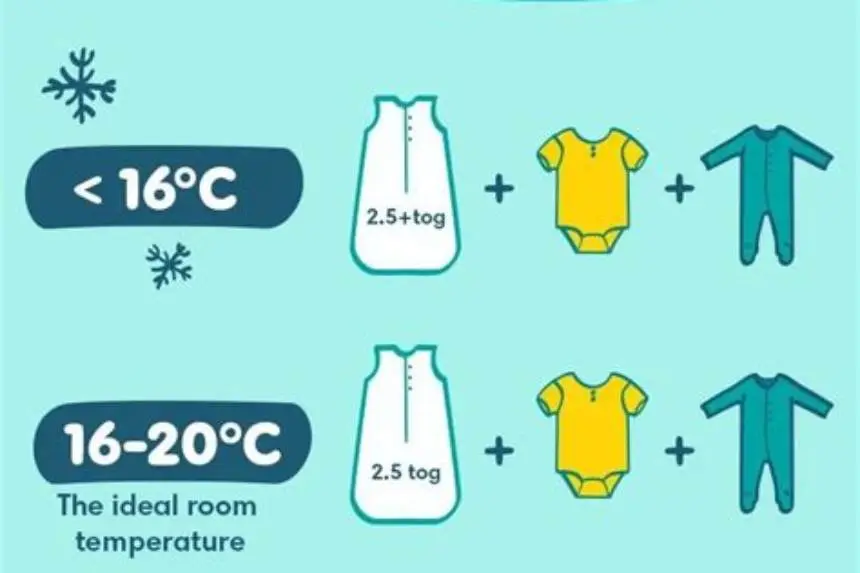
Choose fabric by season and room temp, not by what looks cute. In a warm home above 72°F, snug cotton in single layer prevents overheating. In a cool home below 68°F, a flame-resistant polyester fleece adds warmth without a blanket, which you should not use in the crib. Check your thermostat at night. That one reading tells you which pile to reach for. You will worry less and wash less.
What getting it wrong costs is not just money. Loose, noncompliant sleepwear may be pulled from sale but you still own it, and you will not know until you look for the label. Oversized cotton gowns feel gentle yet they are the shape the standard was written to stop. Buying three correct sleepers you can verify beats buying eight soft ones you cannot. Keep receipts and tags until you confirm fit after one wash.
- Newborn size: 2 to 3 snug or flame-resistant sleepers if baby is under 8 pounds
- 0-3 months: 3 to 5 sleepers total, mix by room temperature
- 3-6 months: add 2 to 3 when you see snug fit getting tight at chest or length

FIEMOL Baby Boy Sleepers 100% Cotton Footie Pajamas
Provides newborns ultra-soft 100% cotton snug-fit footed pajamas with CPSC certification and convenient 2-way zipper.
- Size 3-6 Months
Check the label and fit in four steps before washing
You can verify compliance in under two minutes with the garment in your hands. Do it before you wash or gift it, so you can exchange it. You need the hangtag, the sewn side label, the fabric content line, and a tape measure or a piece of string you can measure. No tools beyond that. This is the same check a store should be able to show in photos if you buy online.
If any step fails, do not use that piece as sleepwear. Use it as daywear under supervision or return it. The standard is not about brand trust. It is about the words on that specific garment and whether the size you bought still fits snugly after it shrinks. One wash can change fit by 0.25 to 0.5 inch in length.
This routine also keeps you from overbuying. Once you know which phrase and fabric you prefer for your room, you can reorder the same construction in the next size. You spend less and you know the label will read right.
- Read the hangtag: find flame resistant or wear snug-fitting. No phrase means not compliant sleepwear.
- Read the sewn label: confirm fabric is 100% polyester for flame resistant or cotton/blend for snug, and note care warnings.
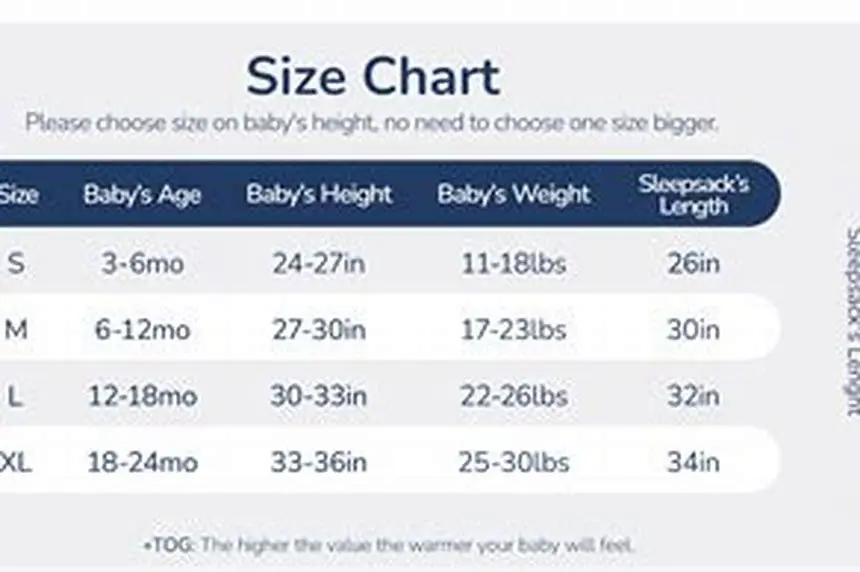
- Check the size chart: compare chest and length in inches to your baby, not just months on the tag.
- Try for snug: dress baby or doll, lift arms, check cuffs stay and you cannot pinch loose fabric at chest.
Questions people still ask
Is snug-fitting cotton safe without flame-resistant treatment?
Yes, when it meets the CPSC snug dimensions under 16 CFR 1615 and the label says wear snug-fitting. The close fit is the protection. It must stay snug after washing.
Can a cotton sleeper be labeled flame resistant?
Rarely. Most flame-resistant newborn sleepwear is 100% polyester because the fiber itself resists burning. Cotton would need a treatment that often does not hold for 50 washes.
What if the sleepwear has no flame label at all?
Then it is not compliant sleepwear. Some tight loungewear is sold as daywear to avoid the sleepwear rule. Do not use it for sleep unless the maker clearly states it meets 16 CFR 1615.
Do tight-fitting sleepers run small?
They are cut to CPSC snug measurements, so they feel smaller than loose daywear in the same months size. Use the inch chart for chest and length, not age alone.
Does fabric softener affect flame resistance?
It can. Some flame-resistant polyester labels warn against softener or certain detergents. Follow the sewn care label so the finish lasts.