What first aid kit fits a baby under 1 year and covers their needs safely
A baby under 1 year needs first aid supplies matched to their size, skin sensitivity, and the emergencies you can actually treat at home.
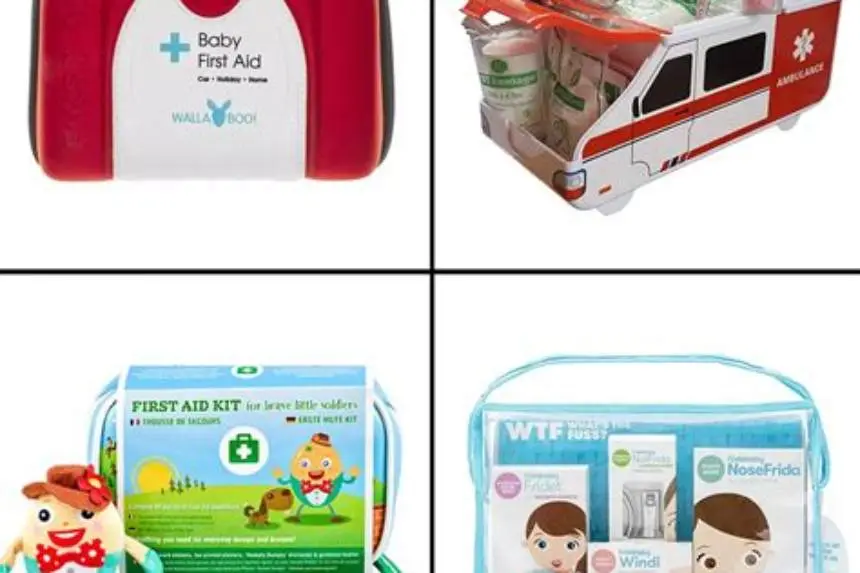
A first aid kit for a baby under 1 year needs infant-dosed fever reducer, a digital rectal thermometer, saline drops, a bulb syringe, gauze for umbilical care, and petroleum jelly. Skip adhesive bandages, topical anesthetics, and anything with aspirin.
On this page (8 sections)
- The short version
- Which first aid items are safe and appropriate for babies under 1 year
- What a first aid kit for infants must include and why
- How to use first aid items for common infant emergencies
- Why some common first aid items for older kids are not suitable for infants
- Pre-made kits versus building your own for an infant
- When first aid is not enough and you need to call for help
- Questions people still ask
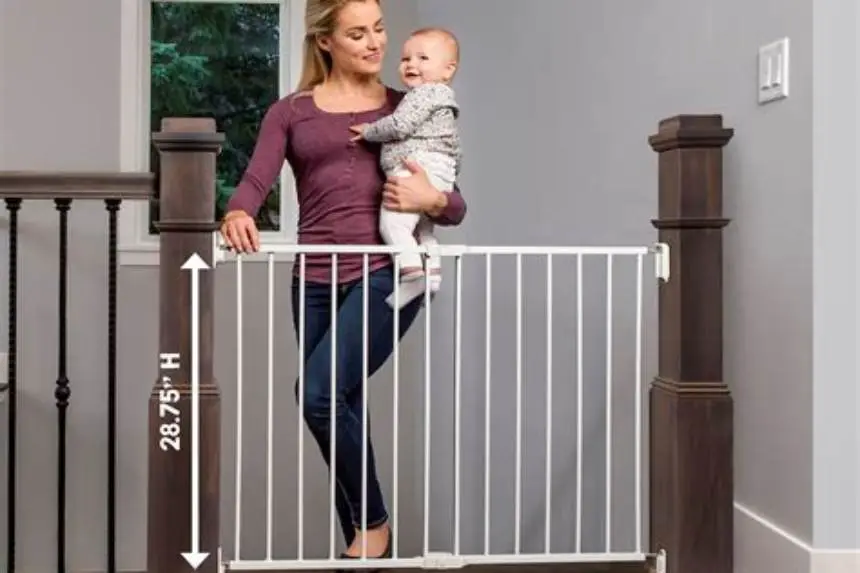
Part of our guide on one-hand latch baby gate options
Most pre-made first aid kits skip items babies actually need and include supplies that are unsafe or useless for infants under 12 months.
None of the main slot listings explicitly state age range including 0 months; companion slot listings specify newborn suitability.
Families with multiple children who want one kit for all ages
Parents expecting pre-made kits labeled 'baby' to actually fit infant needs
Homes more than 20 minutes from urgent care where you need wilderness-level supplies
| Thermometer type | digital rectal for under 3 months |
|---|---|
| Fever threshold | 100.4°F rectal requires a call |
| Bandage alternative | petroleum jelly on gauze |
| Pain reliever | acetaminophen only, dosed by weight |
| Choking hazards | adhesive strips, cotton swabs |
The short version
- Rectal thermometers give the only reliable readings for babies under 3 months
- Adhesive bandages are a choking hazard and don't stick to baby skin
- Fever reducers must be infant-formulated and dosed by weight, not age
- Most cuts and scrapes on babies heal faster uncovered with petroleum jelly
- Pre-made kits aimed at families include items unsafe for infants
Which first aid items are safe and appropriate for babies under 1 year
A rectal digital thermometer is the only accurate way to measure fever in a baby under 3 months. Forehead and ear models can read 1 to 2°F low, which means you miss a dangerous fever. Rectal readings are accurate to within 0.2°F when used correctly. You need this precision because 100.4°F or higher in a newborn requires immediate medical attention, and a forehead thermometer that reads 99.8°F could be masking a real 101°F.
Infant acetaminophen dosed by weight is the only pain and fever reducer safe for babies under 6 months. Ibuprofen is not approved until 6 months, and aspirin is never given to children due to Reye's syndrome risk. The dose is 10 to 15 mg per kilogram of body weight every four to six hours. A 10-pound baby gets roughly 45 to 68 mg, not the 80 mg a toddler takes. Pre-made kits rarely include this, so you add it separately and keep the dosing chart from your pediatrician taped inside the kit.
Saline nasal drops and a bulb syringe or nasal aspirator clear congestion without medication. Babies under 1 year cannot blow their nose, and decongestant drugs are not approved for infants. You put two drops of saline in each nostril, wait 30 to 60 seconds, then suction gently. This works for colds, dry air, and the stuffy breathing that wakes them at night. It is one of the most-used items in the kit.
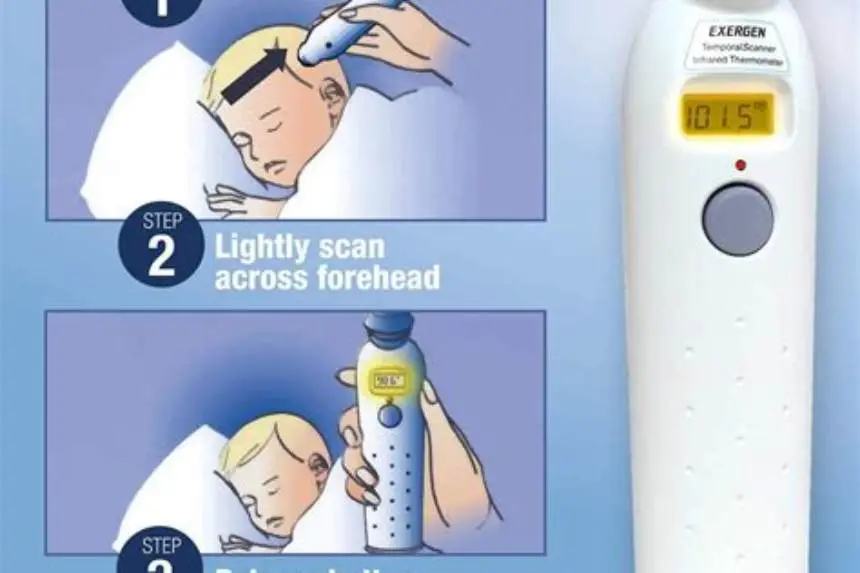
Petroleum jelly on sterile gauze replaces adhesive bandages for cuts and scrapes. Adhesive strips do not stick well to baby skin, they collect lint and milk, and they are a choking hazard if the baby peels one off. A smear of petroleum jelly keeps the wound moist, which heals faster than letting it dry out. You secure the gauze with medical tape if needed, but most small scrapes on a baby heal fine uncovered once cleaned. For the umbilical stump in the first two weeks, you keep sterile gauze and alcohol wipes or just let it air-dry, depending on what your pediatrician recommends. We go through what is a temporal artery thermometer step by step elsewhere on the site.
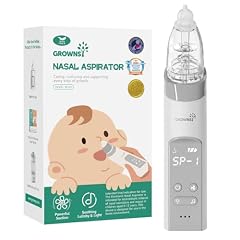
GROWNSY Baby Nasal Aspirator
Designed for newborns with soft silicone tips and adjustable suction, safe for babies from birth.
What a first aid kit for infants must include and why
Start with the thermometer and fever supplies: a digital rectal thermometer, a small tube of petroleum jelly for lubrication, and alcohol wipes to clean the tip. Add a dosing syringe or dropper for liquid medicine and a printed chart showing acetaminophen doses by weight. That chart matters more than the medicine itself, because you will buy the medicine at the pharmacy with your pediatrician's guidance, but the chart reminds you of the correct dose at 2 a.m. when the baby has a fever.
The respiratory and nasal care items come next: saline nasal drops in individual vials or a small bottle, a bulb syringe, and optionally a battery-powered nasal aspirator if you find the bulb syringe too weak. Babies breathe through their nose almost exclusively for the first few months, so a blocked nose is a real problem. You also keep a small jar of petroleum jelly for dry, cracked nostrils in winter.
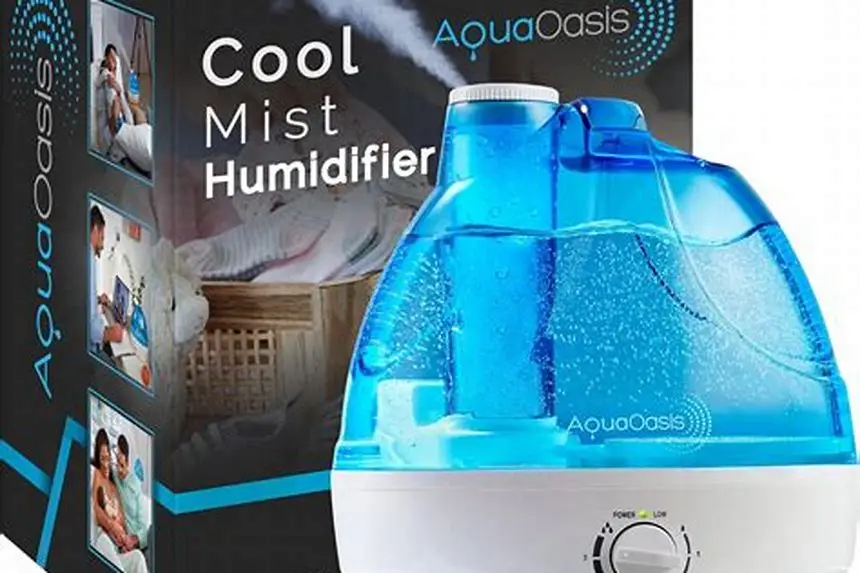
Wound care for a baby means sterile gauze pads in two-inch and four-inch sizes, medical tape that is gentle on skin, a small tube of petroleum jelly or an antibiotic ointment your pediatrician approves, and a pair of blunt-tip scissors for cutting tape and gauze. You skip adhesive bandages entirely. If a cut is large enough to need real coverage, you are calling the pediatrician or heading to urgent care. Most of what you treat at home is a scraped knee once the baby starts crawling, a scratched cheek from their own fingernail, or a friction burn from rubbing their face on the crib sheet. Before you commit to anything, it is worth looking at portable cool mist humidifier for 200 sq ft nursery.
The last category is irritation and sting relief: a tube of 1% hydrocortisone cream for rashes and bug bites, a small bottle of liquid antihistamine if your pediatrician has given you a dose for allergic reactions, and tweezers for splinters. Hydrocortisone is safe on babies for short-term use on small areas, but you check with your pediatrician before using it on the face or diaper area. For bee stings, you scrape the stinger out with a credit card edge rather than pulling it with tweezers, then apply a cold compress and watch for swelling.
- Thermometer set: digital rectal, petroleum jelly, alcohol wipes, and a printed temperature reference card
- Nasal and respiratory: saline drops, bulb syringe or aspirator, petroleum jelly for dry nostrils
- Wound care: sterile gauze pads, medical tape, petroleum jelly or antibiotic ointment, blunt scissors
- Irritation relief: 1% hydrocortisone cream, antihistamine with pediatrician dosing, tweezers for splinters
How to use first aid items for common infant emergencies
For a fever, take a rectal temperature first. Coat the thermometer tip with petroleum jelly, lay the baby on their back, hold both ankles in one hand with knees bent, and insert the tip half an inch into the rectum. Most digital models beep in 10 to 30 seconds. If the reading is 100.4°F or higher and the baby is under 3 months old, you call the pediatrician immediately. For older babies, you give acetaminophen at the weight-based dose, offer frequent feeding to prevent dehydration, and dress them in light layers. Recheck the temperature in four hours.
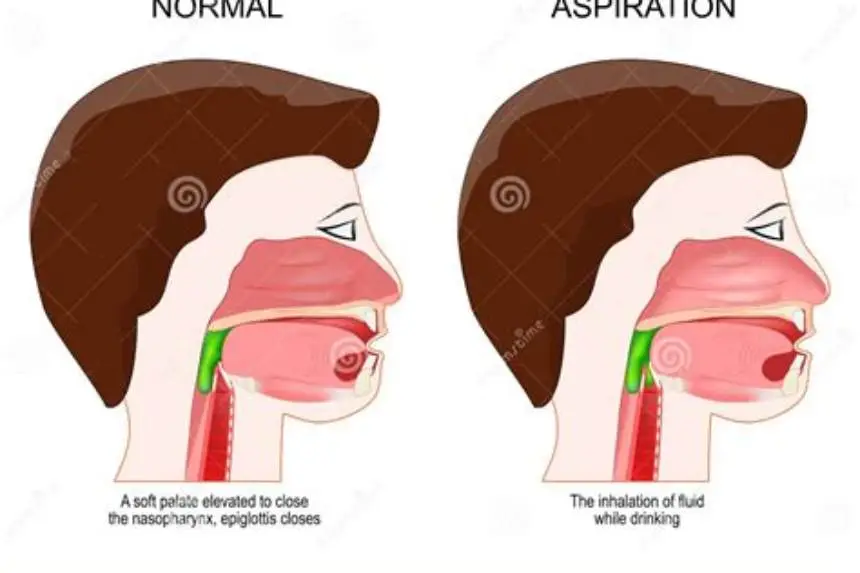
For nasal congestion, lay the baby on their back or hold them upright. Put two drops of saline in one nostril, wait 30 to 60 seconds for it to loosen the mucus, then use the bulb syringe by squeezing it first, inserting the tip just inside the nostril, and releasing slowly to create suction. Wipe the syringe and repeat on the other side. Do this before feedings and before bed, because a clear nose makes it easier for the baby to eat and sleep. Suction too often and you irritate the lining, so limit it to three or four times a day unless the pediatrician says otherwise. Before you commit to anything, it is worth looking at what causes a person to aspirate.
For a small cut or scrape, rinse the area with clean water, pat it dry with sterile gauze, and apply a thin layer of petroleum jelly. Cover it loosely with gauze and tape if the baby will leave it alone, or leave it uncovered if they are grabbing at it. Change the dressing once a day and watch for redness spreading beyond the wound edge, which signals infection. If the cut is longer than half an inch, gapes open, or will not stop bleeding after five minutes of gentle pressure, you go to urgent care.
For a bee sting or bug bite, scrape out the stinger if you see one, then wash the area and apply a cold compress for 10 minutes. A thin layer of hydrocortisone cream reduces itching. Watch for swelling that spreads beyond the sting site, hives elsewhere on the body, or difficulty breathing. Those are signs of an allergic reaction and you call 911. Most bug bites on babies swell more than they do on adults because infant skin reacts strongly, but the swelling stays local and fades in a day or two.
Why some common first aid items for older kids are not suitable for infants
Adhesive bandages are a choking hazard for babies who put everything in their mouth. A baby will peel off a bandage and chew it, and the adhesive does not stick well to their soft, oily skin anyway. The plastic backing can block the airway if swallowed. Even if the bandage stays on, it traps moisture and bacteria against the wound, which is the opposite of what promotes healing. Petroleum jelly on gauze, or no covering at all, works better for the shallow scrapes babies get.
Cotton swabs are dangerous for cleaning ears or noses. Inserting anything into a baby's ear canal can puncture the eardrum or push wax deeper. Earwax is protective and usually works its way out on its own. For the nose, a cotton swab is too rigid and can scratch the delicate lining, causing a nosebleed. A bulb syringe or soft-tipped aspirator is the safe tool for nasal mucus. You use cotton balls or soft cloths to clean around the outside of the ear or nose, never inside.
Hydrogen peroxide and rubbing alcohol are too harsh for baby skin. Hydrogen peroxide damages new tissue and slows healing. Rubbing alcohol stings and dries out the wound. Both were common in older first aid advice, but current pediatric guidance says to clean cuts with plain water or saline and keep them moist with petroleum jelly or antibiotic ointment. You do use alcohol wipes to sterilize the thermometer or tweezers, but not on the baby's skin.
Cough and cold medicines are not approved for children under 4 years, and many are restricted under 6 years. Studies found they were no more effective than placebo in young children and carried risks of overdose and side effects. The FDA issued a warning in 2008, and manufacturers withdrew infant formulations. If your baby has a cough or congestion, you use saline and suction, a cool-mist humidifier, and time. No syrup or tablet helps, and some can harm.
| Item | Why it's unsuitable | Safe alternative |
|---|---|---|
| Adhesive bandages | Choking hazard, poor adhesion, traps moisture | Petroleum jelly on gauze or uncovered |
| Cotton swabs | Can damage ear canal or nasal lining | Bulb syringe for nose, cloth for outer ear |
| Hydrogen peroxide | Damages new tissue, slows healing | Plain water or saline rinse |
| Cough syrup | Not approved under 4 years, risk of overdose | Saline drops, humidifier, time |
Pre-made kits versus building your own for an infant
Most pre-made first aid kits are designed for families with older children, not infants. They include adhesive bandages in several sizes, antiseptic wipes, a forehead thermometer, and sometimes medications dosed for children over 2 years. A kit labeled 'baby' or 'infant' is better, but you still check the contents against the list above. Many infant kits include a rectal thermometer, saline, and a bulb syringe, which are the three must-haves. They often skip the dosing chart, antibiotic ointment, and hydrocortisone, so you add those separately.
Building your own kit lets you include exactly what your pediatrician recommends and skip what you do not need. You buy a small plastic bin with a handle and compartments, about the size of a shoebox, and fill it. This costs roughly the same as a pre-made kit but gives you more of the items you will actually use. For example, you might buy a four-pack of saline vials instead of the single vial in a kit, or add a backup bulb syringe because they get lost. You also choose the brands your pediatrician prefers for thermometers and ointments.
The advantage of a pre-made infant kit is that it arrives complete and organized, and you do not have to research every item. It includes a carrying case, usually with labeled compartments, which makes it easier to find what you need in a stressful moment. The disadvantage is that you pay for items you might not use, such as a non-contact thermometer that is not accurate enough for a newborn, or a teething gel you would never apply. If you choose a pre-made kit, open it as soon as it arrives and check that it has the rectal thermometer, saline, and bulb syringe. If not, return it and buy those separately.
Whether you build or buy, update the kit every six months. Replace expired saline and ointments, check that the thermometer battery works, and add a new dosing chart if your baby has gained weight and the dose has changed. Store the kit in a place every caregiver knows about, such as the nursery closet or the kitchen counter, not buried in a cabinet. You want it within arm's reach when the baby has a nosebleed at midnight or a fever at dawn.
- Pre-made kits arrive organized and ready to use
- Building your own includes only what you need
- Infant-specific kits usually have the right thermometer
- Pre-made kits often include items unsafe for infants
- Family kits skip fever dosing charts and saline
- Building your own takes research and shopping time
When first aid is not enough and you need to call for help
A fever of 100.4°F or higher in a baby under 3 months old requires a call to the pediatrician or a trip to the emergency room, even if the baby seems otherwise fine. Newborns can have serious infections without obvious symptoms, and fever is treated as an emergency until proven otherwise. For babies 3 to 12 months old, you call if the fever lasts more than 24 hours, if the baby is unusually fussy or lethargic, or if other symptoms like vomiting or a rash appear. Do not wait to see if it gets better on its own.
Difficulty breathing shows up as fast breathing, grunting with each breath, flaring nostrils, or the skin sucking in between the ribs. A baby who is congested but breathing comfortably can be treated at home with saline and suction. A baby who is working hard to breathe, turning blue around the lips, or wheezing needs emergency care. Respiratory distress in infants escalates quickly, so you call 911 rather than driving to the hospital yourself, because paramedics can give oxygen on the way.
Uncontrolled bleeding from a cut that soaks through a gauze pad in less than five minutes, or a head injury with any loss of consciousness, is beyond first aid. Apply firm pressure with clean gauze and call 911. For a deep cut, do not remove the gauze once it is soaked, because that disrupts the clot. Add more gauze on top and keep pressure steady until help arrives. Head injuries in babies are hard to assess at home because they cannot tell you if they are dizzy or have a headache, so any significant blow to the head gets checked by a professional.
Poisoning or choking requires immediate action. If the baby swallows something toxic, call Poison Control at 1-800-222-1222 before doing anything else. They will tell you whether to induce vomiting, give water, or go to the ER. Do not follow internet advice for poisoning, because the right response depends on what was swallowed. For choking, if the baby can cough or cry, do not interfere. If they cannot make noise and are turning red or blue, perform infant back blows and chest thrusts as taught in infant CPR class. If you have not taken that class, take it. You will use the first aid kit for small problems, but CPR training is what saves a life.
- For fever in a baby under 3 months: call pediatrician or go to ER immediately
- For breathing trouble: call 911 if nostrils flare, skin retracts between ribs, or lips turn blue
- For uncontrolled bleeding: apply firm pressure, do not remove soaked gauze, call 911
- For poisoning: call Poison Control (1-800-222-1222) before taking any action
- For choking with no sound: perform infant back blows and chest thrusts, call 911
Questions people still ask
Can I use a forehead thermometer instead of a rectal one for my newborn?
Not for a baby under 3 months. Forehead and ear thermometers can read 1 to 2 degrees low, which means you might miss a dangerous fever. Rectal readings are accurate to within 0.2 degrees. Once your baby is older than 3 months and you know what a normal temperature feels like, you can use a forehead model for quick checks and switch to rectal if you get a worrying reading.
How often should I replace the items in an infant first aid kit?
Check the kit every six months. Replace saline drops and ointments when they expire, usually within one to two years of opening. Test the thermometer battery and replace it if readings seem slow. Update the dosing chart whenever your baby gains enough weight to move to the next dose tier. Gauze and tape last indefinitely if kept dry.
Is it safe to give ibuprofen to a baby under 6 months?
No. Ibuprofen is not approved for babies under 6 months old. Acetaminophen is the only fever and pain reliever cleared for infants from birth. Even after 6 months, you check with your pediatrician before giving ibuprofen, because it can irritate the stomach and should not be used if the baby is dehydrated.
What do I do if my baby pulls off a bandage and puts it in their mouth?
Sweep your finger through their mouth to remove it if you can see and reach it safely. Do not try to grab it if it is farther back, because you might push it deeper. If the baby swallowed it and is breathing normally, call your pediatrician for guidance. Most small adhesive strips pass through the digestive system without harm, but choking is the real danger. This is why you skip bandages entirely and use petroleum jelly on gauze.
Can I use the same first aid kit for my 3-year-old and my baby?
You can keep one kit for the household, but you need separate dosing charts and fever reducers for each child. A 3-year-old can have ibuprofen and a higher dose of acetaminophen than a baby. Mark the bottles clearly or use separate containers inside the kit. Adhesive bandages and sting relief wipes are fine for the older child but not safe for the baby, so keep those in a section the baby cannot reach if the kit lives in a shared space.