Zinc oxide cream for newborn hospital bag when and why to pack
Know when and why to pack zinc oxide cream in your newborn's hospital bag for effective skin protection and diaper rash prevention.
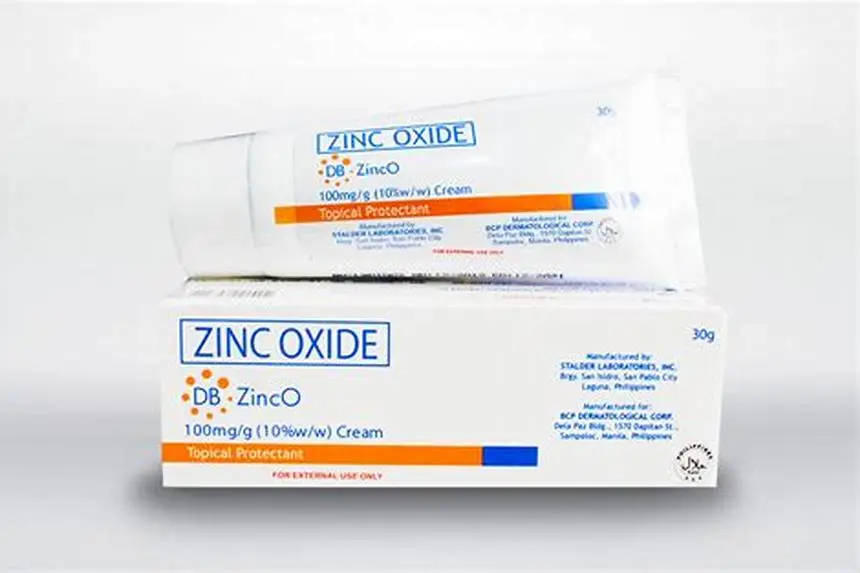
Include zinc oxide cream with at least 10-20% concentration in your newborn hospital bag. It's safe for babies when used as a barrier cream to prevent diaper rash under cloth diapers, applied in a thin layer during diaper changes.
On this page (8 sections)
- The short version
- Is zinc oxide cream safe for newborns
- How to use zinc oxide cream under cloth diapers
- What concentration of zinc oxide cream is suitable for babies
- When and why to include zinc oxide cream in a hospital bag
- Choosing the right zinc oxide cream for your newborn hospital bag
- Who should not use zinc oxide cream or avoid certain types
- Questions people still ask
Part of our guide on tear-free baby shampoo with no sulfates
Avoid diaper rash with the right zinc oxide cream packed in your newborn’s hospital bag from day one.
| Safe concentration | 10-20% zinc oxide |
|---|---|
| Typical diaper rash onset | 1-2 weeks |
| Application frequency | Every diaper change |
| Cream layer thickness | Thin, even coating |
| Use under cloth diapers | Yes, safe |
| Include in hospital bag | From birth |
The short version
- Zinc oxide cream with 10-20% concentration protects newborn skin effectively.
- Use a thin layer under cloth diapers to prevent and treat diaper rash.
- It is safe for newborns when used as directed, avoiding ingestion.
- Pack zinc oxide cream in your hospital bag from day one for skin care.
- Choose creams without added fragrances or harsh chemicals for safety.
Is zinc oxide cream safe for newborns
Zinc oxide cream is generally safe for newborns when used as a protective barrier on the skin. Its safety depends on the concentration, which should be between 10% and 20% for effective protection without irritation. This concentration range has been established based on common pediatric use and dermatologist recommendations.
The cream should be applied in a thin, even layer to prevent skin barrier damage while creating a protective seal against moisture and irritants. Avoid applying thick layers to prevent clogging the skin’s pores.
Parents must keep the cream away from the baby's mouth and eyes to avoid ingestion or irritation. Some zinc oxide creams contain added ingredients such as fragrances or preservatives that can cause reactions; opt for a simple formula without these additives.
How to use zinc oxide cream under cloth diapers
When using cloth diapers, zinc oxide cream still works effectively as a barrier cream if applied correctly. A thin layer prevents moisture from irritating the skin while allowing the diaper fabric to breathe. People in this spot often ask about best organic diapers for newborns as well.
Apply the cream at every diaper change, particularly if you notice redness or irritation starting. This keeps the skin protected from urine and feces, both of which can cause diaper rash quickly in newborns.
Cloth diapers are more absorbent than disposables but need thorough cleaning and drying to avoid trapping moisture. Zinc oxide cream does not affect the absorbency but can leave residue. Wash cloth diapers with a detergent that removes zinc oxide buildup to keep them effective.
If your newborn’s skin shows signs of persistent redness despite regular zinc oxide cream application, consider inspecting the diaper fit. A diaper that is too tight can trap moisture and cause chafing, worsening irritation. Adjusting the diaper size or style may reduce the rash and complement the cream’s protective effect. If that sounds like your situation, read up on folded waterproof changing pad 12 inch next.
In cases where cloth diapers are used in a hospital setting, you need to carry extra supplies of zinc oxide cream, as hospital laundry processes might not remove all diaper rash irritants. For example, applying zinc oxide cream every 2 to 3 hours during diaper changes can prevent rash onset, as newborns typically require 8 to 12 diaper changes daily. Keeping a small, dedicated container in the hospital bag ensures cream availability at all times.
To confirm zinc oxide cream is helping, monitor the baby's skin after a few days of consistent application. The redness should diminish, and the skin should feel less inflamed. If irritation persists or worsens, consult a healthcare provider to rule out other causes like yeast infection or allergic reactions.
- Apply after gently cleaning and drying the diaper area.
- Use a pea-sized amount spread thinly over the skin.
- Reapply at every diaper change for best protection.
- Ensure cloth diapers are cleaned properly to avoid residue.
What concentration of zinc oxide cream is suitable for babies
Cremes containing 10% to 20% zinc oxide provide the right balance of protection and safety for newborn skin. Lower concentrations might not protect well enough, while higher concentrations do not necessarily improve effectiveness and could increase irritation risk.
Choose a zinc oxide cream with minimal added ingredients. Avoid fragrances, parabens, or dyes, especially for newborns with sensitive skin. The cream must be thick enough to adhere but should spread easily without causing discomfort.
Concentration is usually listed on the packaging. If it is not visible, avoid the product, as safety and effectiveness cannot be assured. For hospital bags, pick a cream specifically marketed for babies or diaper rash.
When and why to include zinc oxide cream in a hospital bag
Pack zinc oxide cream in your newborn’s hospital bag from day one. Hospitals often provide disposables, but you may prefer cloth diapers or want to be prepared for diaper rash prevention immediately after birth.
Newborn skin can be vulnerable to irritation from frequent wetness, especially in the first two weeks when bowel movements are frequent and diaper changes are numerous. Zinc oxide cream acts as a barrier, reducing redness and rash development.
Including it early avoids last-minute rushing and ensures you have a trusted product. Some babies develop skin sensitivity from hospital detergents or wipes, making barrier cream even more important.
Hospitals rarely stock zinc oxide creams suitable for newborns, so bringing your own ensures you control the formulation and avoid unwanted additives.
The timing of packing zinc oxide cream is also influenced by your birth plan. For example, if you anticipate a hospital stay longer than 48 hours, having enough cream on hand is crucial since diaper rash can develop quickly in this period. A small tube of 1 to 2 ounces suffices for hospital use and travel, providing enough for frequent diaper changes without excess bulk.
Zinc oxide cream also plays a role in soothing the perineal area if the newborn experiences minor skin abrasions or sensitivity from early wiping. Applying the cream cautiously not only prevents diaper rash but also aids in healing minor skin irritations, which are common during the first week at home or in hospital.
Some hospitals may use different brands or products than what parents prefer or trust. Bringing your own zinc oxide cream avoids potential confusion and ensures your baby uses a familiar, tested product immediately after birth. This can be reassuring for new parents managing sensitive newborn skin.
- Start using zinc oxide cream even before rash appears to prevent irritation.
- Bring a cream suited for newborn skin with no harsh additives.
- Early use reduces risk of painful rashes during hospital stay.
- Prepare for cloth diaper use if preferred over disposables.
Choosing the right zinc oxide cream for your newborn hospital bag
Look for zinc oxide creams labeled for newborn or sensitive skin use, with 10-20% zinc oxide concentration. The formula should be free from fragrances, parabens, and unnecessary preservatives to avoid skin reactions.
Some creams include additional soothing ingredients like calendula or aloe vera, which can benefit irritated skin but may increase sensitivity risk for some babies. Test a small amount on newborn skin before full use if uncertain.
Avoid creams that feel greasy or are hard to spread; a smooth, easy-to-apply consistency encourages regular use. Creams in tubes or small tubs of 1-2 ounces fit conveniently in hospital bags without excess weight or space.
Read labels carefully. If the zinc oxide percentage is not specified, or the product has many additives, seek alternatives.
| Feature | Ideal Cream | Cream with Additives |
|---|---|---|
| Zinc Oxide Concentration | 10-20% | Variable or unspecified |
| Added Fragrances | None | Common, avoid for newborns |
| Consistency | Smooth, easy to spread | Sometimes greasy or thick |
| Packaging | Small tube or tub (1-2 oz) | Varied sizes |
| Additional Soothing Ingredients | Optional, hypoallergenic | May cause sensitivity |
Who should not use zinc oxide cream or avoid certain types
Newborns with diagnosed allergies or severe skin conditions should consult a pediatrician before zinc oxide cream use. While rare, some babies can develop contact dermatitis from zinc oxide or additives.
Avoid creams with added fragrances, parabens, or dyes for any newborn, as these increase the risk of irritation.
Babies who have experienced adverse reactions to barrier creams in the past require specific medical advice before reusing zinc oxide-based products.
If your newborn’s rash worsens despite zinc oxide cream use, seek medical advice rather than increasing application frequency or thickness.
- Babies with known skin allergies: consult a doctor first.
- Avoid fragranced or chemically laden creams for sensitive newborn skin.
- Do not use if rash worsens or if baby develops new irritation.
- Seek pediatric guidance when in doubt.
Questions people still ask
Can zinc oxide cream cause allergies in newborns?
Allergic reactions to zinc oxide cream in newborns are uncommon but possible, especially if the cream contains fragrances or preservatives. Use a simple, fragrance-free formula and test a small amount on the baby's skin first.
How often should zinc oxide cream be applied under cloth diapers?
Apply the cream at every diaper change, usually every 2-3 hours in newborns, especially if redness or irritation is present. A thin layer is sufficient to protect the skin without clogging diaper fabric.
Is a higher zinc oxide concentration better for diaper rash?
No. Concentrations above 20% do not necessarily improve protection and may irritate sensitive newborn skin more. Stick to 10-20% for safe and effective results.
Can zinc oxide cream be used immediately after birth?
Yes, applying zinc oxide cream from the first diaper changes helps prevent irritation and rash, especially with frequent newborn diaper changes.
Will zinc oxide cream stain cloth diapers?
Yes, zinc oxide cream can leave residue on cloth diapers. Proper washing with a detergent that breaks down oils is necessary to maintain absorbency.