Can a newborn sleep safely in a crib and when is it right to start
Find age and safety limits for newborns in cribs and practical advice on starting crib sleep, including twins and unsettled babies.
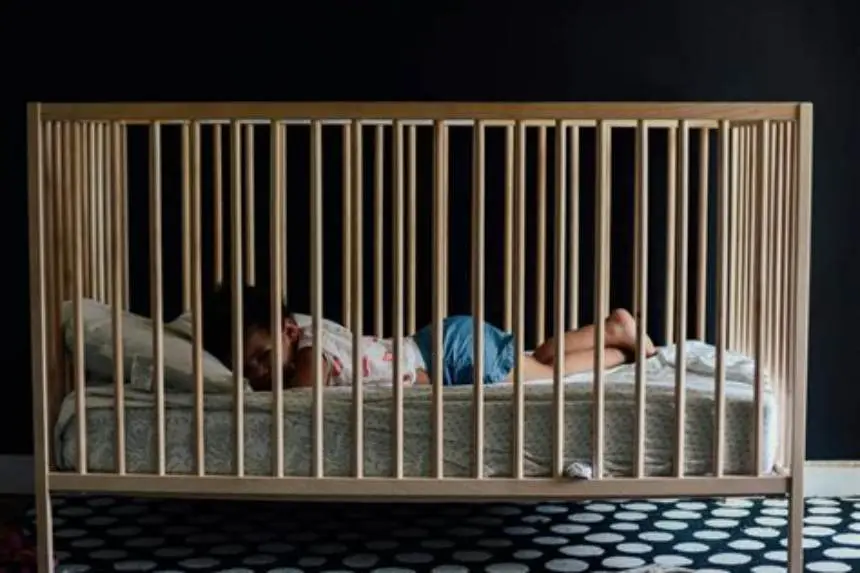
Newborns can sleep in a crib if it meets current safety standards and the baby fits the size and weight limits, usually after the first few weeks. Twins often need separate cribs. Always ensure a firm, flat mattress and no loose bedding.
On this page (8 sections)
Part of our guide on co sleeper mattress height fit
This guide clarifies exactly when a newborn can safely start sleeping in a crib, including twins and baby sleep challenges.
| Newborn crib start age | 4-6 weeks |
|---|---|
| Bassinet weight limit | Usually 15-20 lbs |
| Crib mattress firmness | Firm, flat |
| Twin crib sharing | Not recommended |
| Safe crib bedding | None, or fitted sheet only |
The short version
- Newborns usually start crib sleep after 4 weeks or when outgrowing bassinet
- Safety standards require firm, flat mattresses and no loose bedding
- Twins should not share a crib due to space and safety risks
- Babies who resist cribs may need a calm, consistent routine
- Monitor growth to switch from bassinets to cribs safely
Can newborn babies sleep in a crib?
A newborn baby can sleep in a crib if the crib meets the latest safety standards and the mattress is firm and flat. The crib should have no drop sides and the mattress should fit tightly without gaps.
However, many newborns begin life in bassinets or bedside sleepers designed for smaller sizes. Cribs are typically recommended when the baby is about 4 to 6 weeks old or reaches the bassinet's weight or length limit, often around 15 to 20 pounds.
Sleeping in a crib too early can increase risks if the baby is very small or the sleep environment isn’t set up properly. The American Academy of Pediatrics recommends placing babies on their backs to sleep on a firm surface free of soft items.
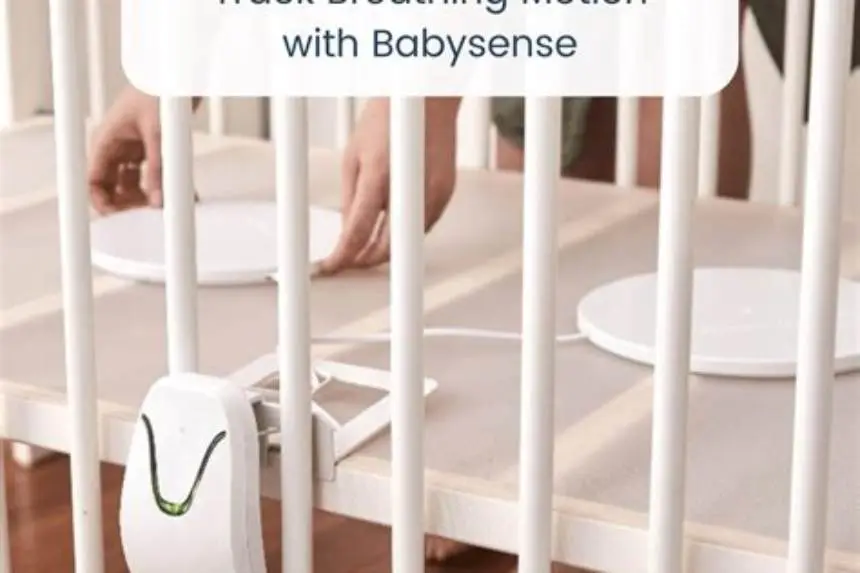
If your newborn has medical issues or was born prematurely, check with your pediatrician before using a crib. Some babies may need specialized sleep equipment or monitoring. For example, a baby born at 35 weeks might still be small at 6 weeks, so a bassinet or hospital-grade sleeper could be safer. It helps to understand video baby monitor with breathing sensor before going further.
Also, the room temperature affects crib safety. Keep the nursery between 68 and 72 degrees Fahrenheit. Overheating raises the risk of Sudden Infant Death Syndrome (SIDS). Dress the baby in light sleepwear and avoid blankets or pillows that could cause overheating or suffocation.
Should newborns sleep in a crib or bassinet?
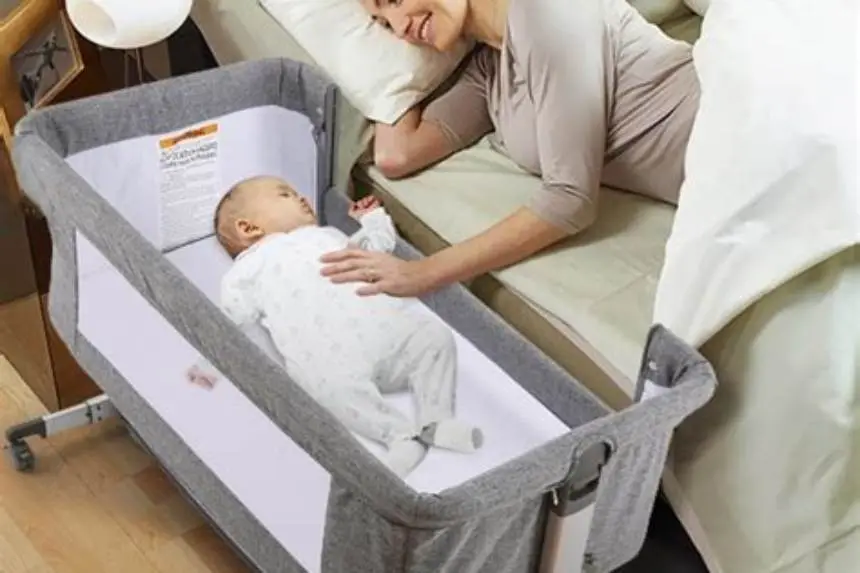
Bassinet sleep is often better for the first 4 to 6 weeks due to its smaller size and portability, which helps parents monitor the newborn closely. Bassinets usually have weight and length limits around 15 to 20 pounds or 28 inches.
Cribs are larger and safer for longer-term use as newborns grow, but their size can be intimidating to a very small baby. A crib is the right choice once the baby outgrows the bassinet or becomes more mobile. We cover small space baby sleep options in its own article.
Choose a bassinet if you need close access overnight or have limited space. Switch to a crib when your baby reaches the bassinet’s limits or shows signs of rolling or pushing up.
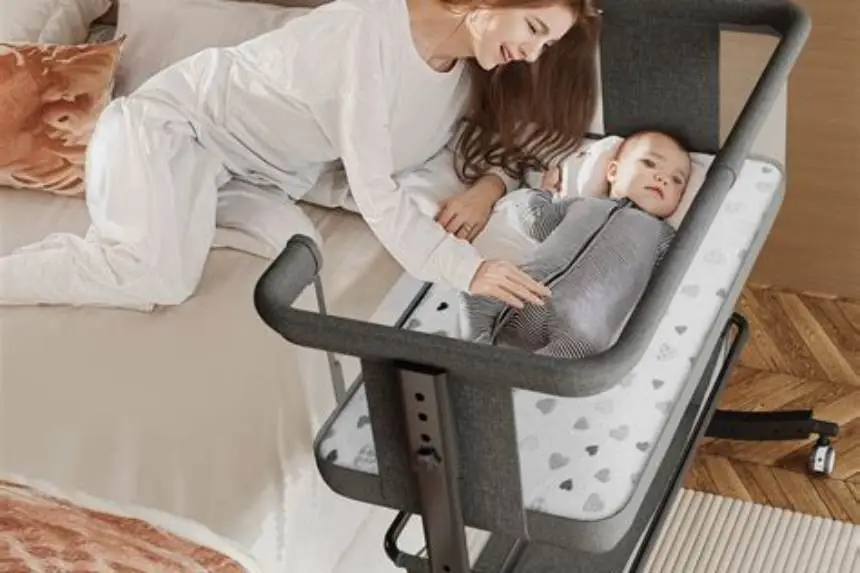
The bassinet’s closeness to your bed helps with night feedings and comfort, especially during the newborn phase when sleep is fragmented. This proximity can lower risks related to bed sharing, such as suffocation or falls.
If space is tight, bassinets offer a compact solution that fits in small rooms or apartments. Cribs require more floor space and can be cumbersome to move. Some bassinets even come with wheels to shift easily from room to room.
On the other hand, some parents find cribs easier to clean and maintain. Crib mattresses are often firmer and easier to replace than bassinet pads. Parents should weigh portability against long-term use and safety.
| Feature | Bassinet | Crib |
|---|---|---|
| Weight limit | 15-20 pounds | Up to 50 pounds or more |
| Size | Smaller, portable | Larger, stationary |
| Use period | First 4-6 weeks | From 4-6 weeks onward |
| Monitoring ease | High | Lower |
| Safety | Safe within limits | Safer long-term |

Letmxiu Premium Crib & Toddler Mattress,100% Knitted Fabric
Fits standard cribs snugly with no gaps, providing a firm and supportive sleep surface for newborns with dimensions 52" x 27.6" x 5".
Can newborn twins sleep in the same crib?
Newborn twins should not sleep in the same crib. A crib designed for one baby cannot safely accommodate two newborns due to limited space and increased risk of accidental suffocation or overheating.
Each twin needs a separate sleep surface meeting safety standards. This prevents crowding and allows enough firm, flat space per baby, which is crucial for safe sleep.
Parents of twins often opt for two bassinets or two cribs set close together. Some specially designed twin cribs exist, but they must meet rigorous safety rules and fit each baby comfortably.
Parents tempted to have twins share a crib to save money should consider the risks carefully. Sharing a surface increases the chance one baby could accidentally cover the other’s face or cause overheating.
If space or budget constraints exist, consider placing two bassinets or cribs side by side. This lets you keep the twins close without crowding. Each baby needs a mattress that fits snugly and a separate sleep area free of loose bedding.
Even specially designed twin cribs require strict supervision. Watch for signs one twin tries to climb over or crowd the other. Safety guidelines always prioritize individual sleep spaces for each infant.
When can a baby start sleeping in a crib?
Babies usually start crib sleep between 4 and 6 weeks old, after outgrowing a bassinet or other small sleep space. This timing depends on baby size, weight, and development.
Check the bassinet’s weight and length limits. Once your baby exceeds these, transition to the crib for safety.
Also consider your baby’s ability to roll or push up. These movements often start around 3 to 4 months, making crib sleep necessary regardless of size.
Start the crib transition gradually to help your baby adjust. Use familiar bedding and keep the sleep environment calm to reduce resistance.
Some babies may start sleeping in a crib earlier if they are larger or if the bassinet is outgrown quickly. For example, a baby weighing 18 pounds at 4 weeks can transition sooner than a smaller baby. Always ensure the crib mattress is adjusted to the highest setting at first for easier access.
Transitioning gradually helps the baby feel secure. Begin with naps in the crib before moving to overnight sleep. This approach helps reduce resistance and builds positive associations with the new sleep space. Monitor your baby during this phase to catch any distress or waking increases.
How long can a baby sleep in a crib?
Babies can sleep in a crib from about 4 weeks old until roughly 2 to 3 years, depending on size and development. Cribs typically support babies up to 50 pounds or when they can climb out.
Watch for signs your child is ready for a toddler bed: climbing out, outgrowing crib bars, or needing more space. Transition before climbing attempts to prevent injury.
Keep the crib mattress firm and flat throughout use to maintain safe sleep. Replace the mattress if it sags or wears out.
Safe crib use includes no loose bedding, pillows, bumper pads, or stuffed animals until after age 1 or until the child can safely manage them.
What to do if a baby won't sleep in a crib?
Babies may resist sleeping in a crib due to unfamiliarity, comfort issues, or separation anxiety. Establish consistent routines and soothing pre-sleep rituals to ease the transition.
Use swaddling carefully and only when recommended, as some babies respond well while others dislike it. White noise machines and dim lighting can create a calming atmosphere.
If your baby still refuses the crib, try placing the crib near your bed or using a crib that converts to a bassinet for familiarity.
Consult with a pediatrician if sleep resistance continues, as discomfort or health issues might cause it.
- Routine: consistent bedtime and calming activities reduce resistance
- Comfort: check mattress firmness and room temperature
- Proximity: place crib near parents initially
- Soothing: white noise or swaddling may help some babies
Questions people still ask
Can a newborn sleep safely in a crib from day one?
A newborn can sleep in a crib from day one only if the crib meets all safety standards and the baby fits the size and weight limits. Most parents use a bassinet initially because it is smaller and easier to monitor.
Why is a firm mattress important for newborn crib sleep?
A firm mattress reduces the risk of suffocation and Sudden Infant Death Syndrome (SIDS). Soft surfaces can create gaps or indentations that trap the baby’s face, so a flat, firm surface is essential.
Can twins share the same crib to save space?
No. Twins must have separate cribs to avoid overcrowding. Shared sleep surfaces increase risks of suffocation and overheating, so two individual sleep spaces are necessary.
What if my baby won’t settle in the crib at night?
Try a consistent bedtime routine, swaddling if appropriate, and white noise. Ensure the crib environment is comfortable and close to you at first. Consult a pediatrician if problems persist.
How do I know when to move my baby from bassinet to crib?
Move your baby when they exceed the bassinet’s weight (usually 15-20 pounds) or length limits, or when they start to roll or push up. This ensures safety and enough sleep space.