Is a bassinet safe overnight and how long can babies use mini
A bassinet is safe for overnight sleep only under strict conditions: it must meet current safety standards, have a firm mattress, and be used until baby reaches about 15 pounds or can push up. Mini cribs can be used safely until about 35 inches tall or 2 years old, while convertible cribs last longer depending on conversion type.
On this page (8 sections)
- What matters most
- Are bassinets safe for overnight sleep
- How long can a baby sleep in a mini crib
- How long can a toddler sleep in a convertible crib
- Key features of a safe sleep crib
- Setting up bassinets and portable play yards in small apartments
- How to convert a crib to a toddler bed safely
- Questions people still ask
Part of our guide on co sleeper mattress height fit
The numbers
- Bassinet weight limit
- ≈15 pounds
- Mini crib height limit
- ≈35 inches
- Convertible crib lifespan
- up to 5 years or more
- Minimum mattress firmness
- 6.5-8.0 ILD
- Standard apartment door width
- 28 inches
What matters most
- Bassinet overnight use is safe if weight and age limits are followed.
- Mini cribs support babies up to ~35 inches tall, usually up to 2 years.
- Convertible cribs transition to toddler beds and even full-size beds.
- Firm mattresses without crib bumpers are essential for safe sleep.
- Portable play yards are a practical alternative in small apartments.
Are bassinets safe for overnight sleep
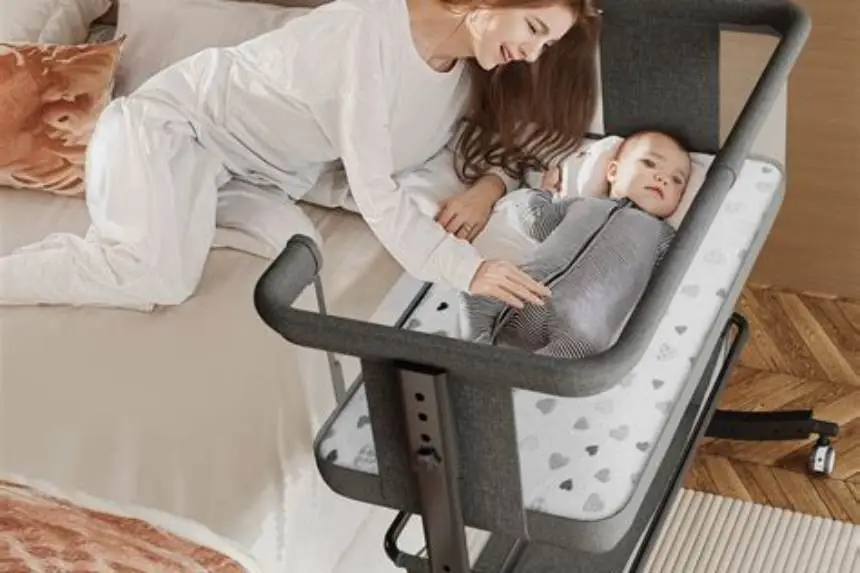
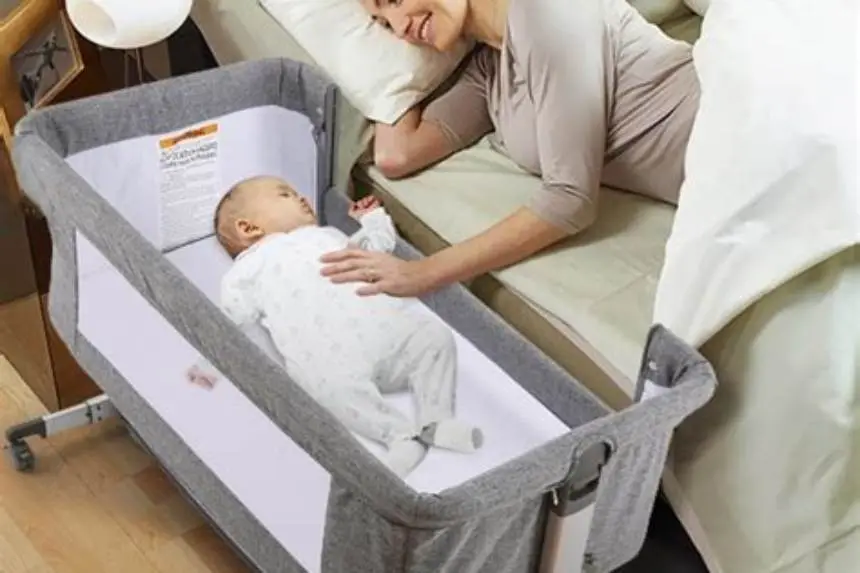
Bassinets can be safe for overnight sleep if they meet all current safety standards and are used within recommended limits. The key figure to watch is the baby's weight: most bassinets support babies up to about 15 pounds or until the baby can push up or roll over, which typically happens around 3 to 4 months.
The mattress inside the bassinet must be firm and flat with no soft bedding or crib bumpers, which can pose suffocation risks. The bassinet's base should be sturdy and stable to prevent tipping. Any hanging toys or pillows should be removed at night to maintain a safe sleep environment.
If your baby's weight approaches the limit or their mobility increases, it is time to transition to a mini crib or standard crib. Using a bassinet beyond these conditions raises risks of falls or suffocation due to instability or inadequate space.
How long can a baby sleep in a mini crib
Mini cribs typically accommodate babies until they reach about 35 inches in height or roughly 2 years old, whichever comes first. This height limit is important as it ensures the baby cannot climb out, posing fall hazards. If that sounds like your situation, read up on crib use at age three next.
Mini cribs use a standard-sized firm crib mattress without any crib bumpers or padding, which is essential for safe sleep. The mattress firmness should register around 6.5 to 8.0 ILD (Indentation Load Deflection) to prevent suffocation risk.
Parents often choose mini cribs for small spaces or as a transition piece after a bassinet. It is critical to check the manufacturer's stated weight and size limits, as these can vary. When the baby nears these limits, upgrading to a convertible crib or toddler bed is necessary.
Another factor to consider with mini cribs is the baby's weight, which typically should not exceed about 30 pounds. Even if the child's height is under the maximum, surpassing the weight limit can compromise the crib's structural integrity and safety. The other half of this decision is best way to sleep with pillow.
For example, a baby who is 20 months old, weighs 28 pounds, and is 33 inches tall may still fit comfortably in a mini crib. However, if the baby becomes more active and starts climbing, even within these limits, parents should consider transitioning to a more secure sleeping arrangement to prevent falls. Checking the crib regularly for loose parts or damage is also essential to maintain safety.
How long can a toddler sleep in a convertible crib
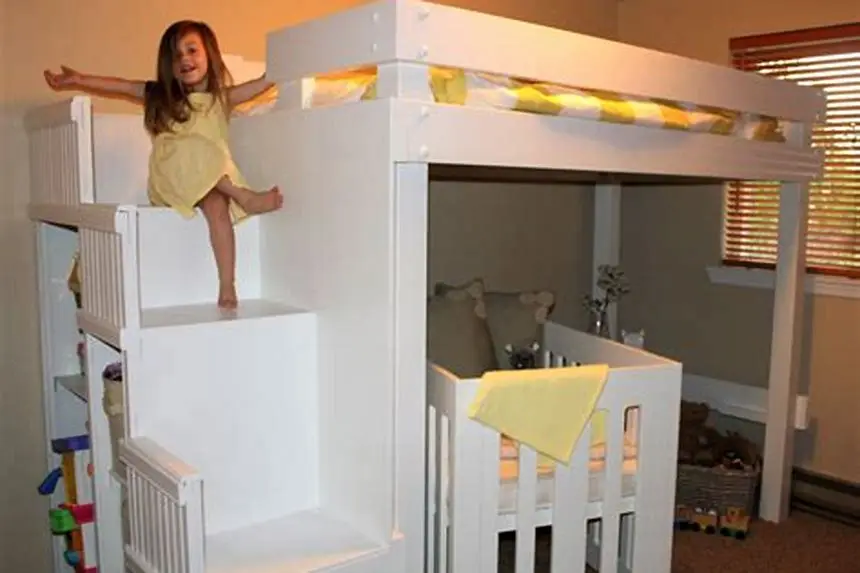
Convertible cribs can last from infancy through early childhood, often supporting children up to about 50 inches tall or 5 years old, depending on the model and conversion options. Many convert to toddler beds by removing one side, and some extend further to full-size beds.
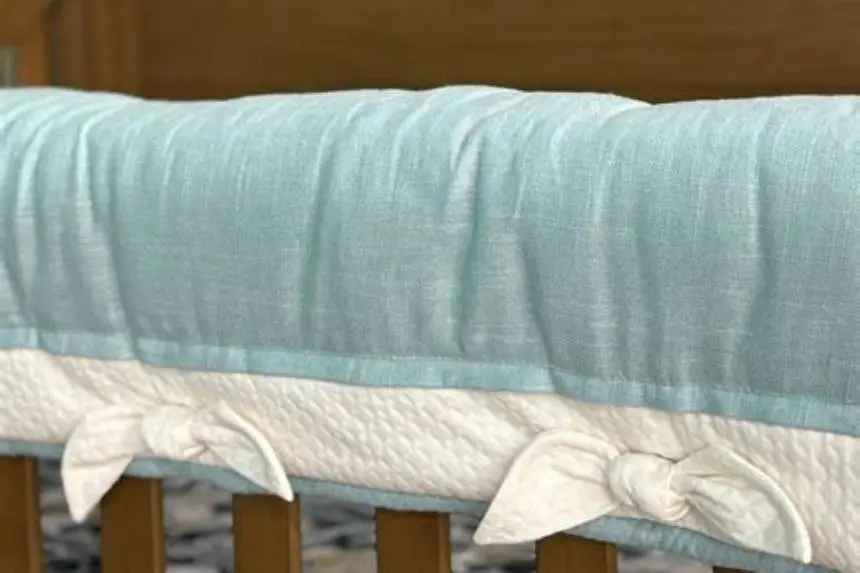
Safety checks are critical during conversion. Make sure all hardware is properly tightened and conversion kits are genuine parts. The mattress must never sag or be too soft; firmness standards remain the same as for bassinets and cribs. For the detail, see our notes on measuring crib rails for covers.
Convertible cribs are especially useful in small homes where the same piece of furniture can grow with the child, saving space and money. However, parents must be vigilant about correct assembly to avoid gaps or hazards.
Toddlers who begin to climb out of convertible cribs may need to transition sooner than the height or age limits suggest. Climbing can lead to falls, which are a common cause of injury in early childhood.
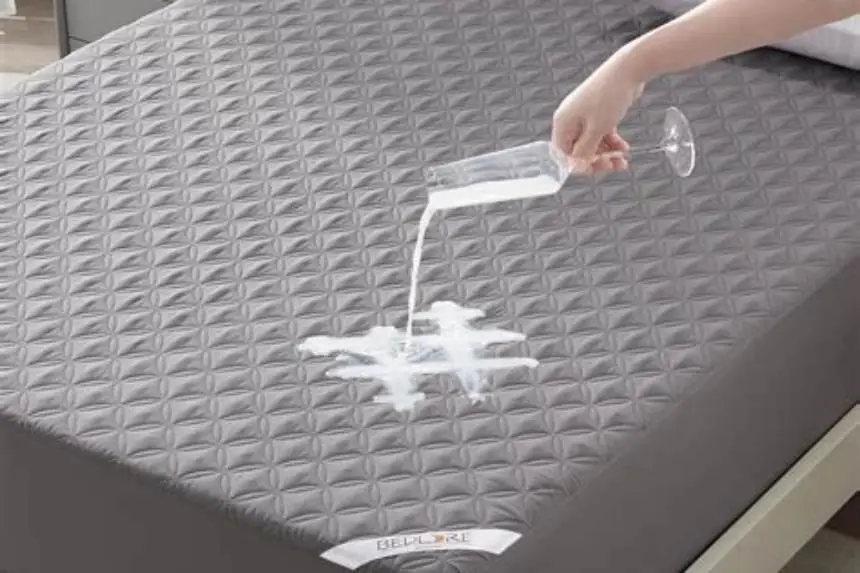
A practical safety check is to observe whether the child is attempting to climb over the crib rails. If so, lowering the mattress height to its minimum may help, but a timely move to a toddler bed or full-size bed is often necessary to avoid injury. People in this spot often ask about what is a waterproof mattress protector as well.
Key features of a safe sleep crib
A safe crib includes a firm, flat mattress that fits snugly with less than 1.5 cm gap between mattress and crib walls to prevent entrapment. Crib bumpers, pillows, and soft bedding should be completely avoided.
Slat spacing is critical: it must be less than 2 3/8 inches (60 mm) to prevent a baby's head from slipping through. The crib frame must be sturdy and free from loose or missing parts.
Drop side cribs are widely banned due to safety risks. Even older models should not be used as their mechanisms can fail, causing entrapment or collapse.
Adjustable mattress heights are helpful for newborns and babies who cannot yet sit or stand, but lower the mattress as your baby grows and becomes mobile to avoid climbing risks.
Setting up bassinets and portable play yards in small apartments
In small living spaces, bassinets and portable play yards offer compact alternatives to cribs. The key is ensuring they fit comfortably while allowing access and ventilation.
A standard portable play yard measures about 40 inches square and must fit through typical apartment doors, which are often 28 inches wide. Folding or partially disassembling may be necessary to move it inside.
The mattress for the play yard should be firm and fit snugly. Use only the mattress designed for the play yard to avoid gaps.
Portable play yards are versatile for supervised sleep and play but should not replace a crib for long-term sleep if your baby exceeds age or weight limits.
How to convert a crib to a toddler bed safely
Converting a crib to a toddler bed involves removing one side rail and sometimes adding a guardrail. This conversion is safe when the child is at least 18 months old and weighs less than the crib’s specified limit.
Use only the manufacturer’s conversion kit or approved parts to ensure a secure fit. Loose or missing hardware is a common safety hazard.
After conversion, check that there are no gaps larger than 1.5 cm where the child could get caught. The mattress should remain firm and fit snugly.
Supervise the child closely initially, as toddler beds allow easier climbing in and out, increasing fall risk.
Keep the room free of cords, loose bedding, and other hazards that the child can reach more easily now.
- Remove one side rail from the crib according to manufacturer instructions.
- Install the toddler bed guardrail using supplied hardware.
- Check all screws and fittings are tight and secure.
- Verify mattress fits snugly with no large gaps.
- Place bed away from windows and cords to reduce hazards.
Questions people still ask
Can baby sleep overnight in a bassinet safely?
Yes, a baby can sleep overnight in a bassinet if the bassinet meets safety standards, has a firm mattress, and the baby is under about 15 pounds or unable to push up or roll over.
Is crib padding safe for babies?
Crib padding or bumpers are not safe and are linked to suffocation and entrapment risks. Experts recommend against any padding inside sleep surfaces.
Will a 40 inch portable play yard fit through a 28 inch apartment door?
A 40 inch play yard will not fit through a 28 inch door fully assembled, but can usually be carried in folded or disassembled if the model allows.
When should a child stop sleeping in a crib?
Children should move out of a crib when they exceed height or weight limits, typically around 35-50 inches tall or by age 2-5, or when they start climbing out.
How firm should a mattress be for safe baby sleep?
Baby mattresses should register around 6.5 to 8.0 ILD in firmness, meaning they resist indentation to prevent suffocation hazards.