Which video baby monitor with breathing sensor fits a 28x52 crib mattress
For a 28x52 crib mattress, a video baby monitor with an under-mattress breathing sensor pad designed for standard crib sizes fits best, attaching securely under the mattress without gaps. Choose units with crib-rail mounting for video with night vision in small nurseries.
On this page (8 sections)
- What matters most
- How to select a baby monitor that attaches to a 28x52 crib mattress
- Video baby monitor with night vision for a small nursery
- Best baby monitor that detects breathing for a 28x52 crib mattress
- Movement sensor pad that works without subscription and fits 28 x 52 mattress
- Breathing monitor under mattress versus wearable for newborns
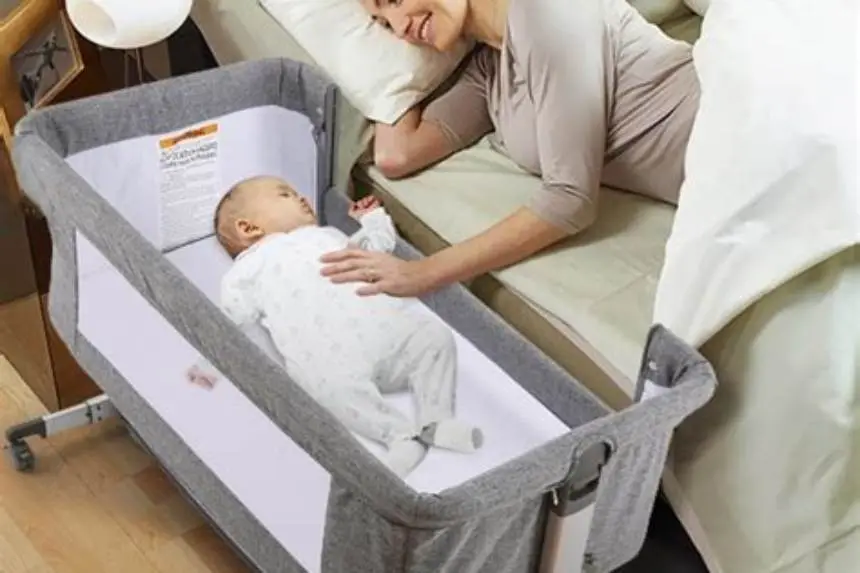
- All-in-one bassinet smart crib baby monitors and whether they fit standard 28x52 cribs
- Questions people still ask
Part of our guide on cleaning ease of co sleepers
No listings publish sensor pad size or crib compatibility meeting 27x51 inches requirement
parents needing wearable monitors for direct respiration
nurseries with non-standard crib sizes outside 27x51 inches range
users who want video monitors mounted directly on mattress
The numbers
- Crib mattress size
- 28 x 52 inches
- Sensor pad thickness
- under 1 inch
- Video monitor mounting
- crib rail
- Night vision
- included
- Subscription cost
- none for sensor pads
What matters most
- Under-mattress sensor pads fit standard 28x52 crib mattresses when sized properly.
- Crib-rail mounting video monitors are ideal for small nurseries and stable viewing angles.
- Breathing sensor pads without subscriptions avoid ongoing costs and privacy issues.
- Wearable breathing monitors differ by being direct but less suited for crib use.
- All-in-one bassinet smart cribs simplify setup but rarely fit standard cribs or sizes.
How to select a baby monitor that attaches to a 28x52 crib mattress
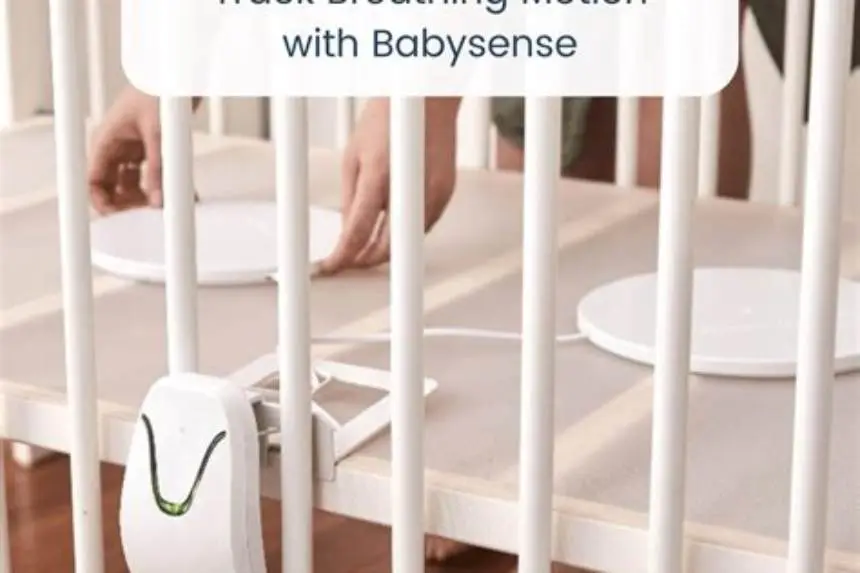
A 28x52 inch crib mattress is the US standard size, so breathing sensor pads designed for standard cribs generally fit well if the sensor pad dimensions are close to 27-28 inches wide and 51-52 inches long. The pad must lie flat under the mattress without folds or gaps to ensure accurate detection.
Video baby monitors that attach directly to the mattress are rare because the mattress moves and can damage the sensor or camera. Instead, sensor pads are placed under the mattress, while video units mount securely to the crib rail for stability and an unobstructed view.
Crib rail mounting brackets are adjustable and fit rails up to about 1.5-2 inches thick, which works on most cribs with a 28x52 mattress. This setup keeps the video camera stable and focused on your baby while the breathing sensor stays hidden under the mattress.
Video baby monitor with night vision for a small nursery
Night vision is essential if your nursery has low or no ambient light during sleep. Most video baby monitors designed for small nurseries include infrared night vision that automatically activates when the room darkens. If that sounds like your situation, read up on crib safety for newborns next.
For a 28x52 crib mattress setup in a small nursery, choose a video monitor with a wide field of view (usually around 100-130 degrees) and digital pan/tilt features to cover the entire crib area without blind spots. This reduces the need for extra cameras or manual repositioning.
Compact video monitors with adjustable mounting straps fit tightly to crib rails, preventing wobble that affects image quality. Ensure the monitor’s wireless range covers the nursery and adjacent living spaces where you’ll monitor your baby.
In addition to night vision, some video baby monitors include temperature sensors that display the nursery’s ambient temperature on the parent unit. This helps ensure the baby’s environment stays within the safe range of 68-72°F, important for newborn wellbeing. When selecting a monitor, verify if it offers this feature and if its temperature readings remain accurate over time.
For example, a video monitor with a 120-degree field of view and 4x digital zoom can capture the entire 28x52 crib mattress area clearly at once, making it easier to spot subtle movements or changes in the baby’s position without adjusting the camera frequently. This reduces interruptions during sleep monitoring and enhances peace of mind.
Best baby monitor that detects breathing for a 28x52 crib mattress
Breathing monitoring usually relies on sensor pads placed under the mattress. These pads detect movement with pressure sensors that pick up subtle chest rises and falls, triggered by the baby’s breathing. For a 28x52 mattress, choose a pad sized close to the mattress dimensions to avoid false alarms from uneven coverage.
Some breathing monitors require monthly subscriptions for cloud storage or advanced alerts. If you want to avoid ongoing costs, pick models that operate fully offline with local alerts only.
Movement sensor pads come calibrated to detect breathing rates between 30-60 breaths per minute, which covers normal newborn ranges. Pads failing to detect this range or with loose mattress fit may cause false alarms or missed events.
Some breathing sensor pads include sensitivity adjustment settings to fine-tune detection according to mattress thickness and baby’s weight. For a 28x52 mattress that is thicker than average (over 8 inches), increasing sensitivity can prevent missed breathing signals caused by mattress cushioning absorbing the baby’s movements.
A worked example: If a sensor pad lists sensitivity adjustable within 50-100 grams of pressure change, and your mattress compresses 70 grams under the baby’s chest movements, set sensitivity slightly below 70 grams to detect breathing without triggering false alarms from minor mattress shifts. This calibration ensures reliable alerts during naps and nighttime sleep.
If the sensor pad is too small relative to the mattress (say 24x48 inches instead of close to 28x52) false alarms can increase because the baby’s chest may move outside the sensor area. Confirm the product dimensions before purchase to avoid this issue.
- Reliable breathing detection when sensor fits mattress
- No subscription options available
- Local alerts reduce privacy concerns
- Pads must be flat and undisturbed under mattress
- Not wearable— no direct skin contact
- False alarms if mattress moves too much
Movement sensor pad that works without subscription and fits 28 x 52 mattress
Movement sensor pads that do not require subscriptions send alerts directly to the parent unit without cloud storage or smartphone apps. This eliminates monthly fees and reduces data privacy risks.
Look for sensor pads that specify compatibility with standard crib mattress sizes like 27-28 inches wide by 51-52 inches long. Pads smaller or larger than this range may fail to detect breathing reliably or will be cumbersome to place securely under the mattress.
Avoid pads that advertise app-only alerts unless they also provide a dedicated parent monitor. A reliable non-subscription sensor pad includes a parent unit with visible and audible alerts for immediate response.
A notable model example is a movement sensor pad measuring 27.5x51.5 inches that pairs with a parent monitor providing visible LED alerts and audible alarms without requiring Wi-Fi or cellular connections. This model operates fully offline, which appeals to parents wanting simple, reliable monitoring without ongoing subscription costs or privacy concerns.
When installing the sensor pad under the 28x52 mattress, ensure the pad lies completely flat and centered to avoid uneven pressure points that can cause intermittent alerts. A simple test is to press firmly on different mattress areas and verify that the parent unit responds consistently, confirming proper sensor coverage.
Occasionally, a sensor pad might emit false alarms due to mattress thickness or placement near crib springs. To mitigate this, some models offer a trial period with return options, allowing you to test compatibility with your specific mattress and crib setup risk-free.
Breathing monitor under mattress versus wearable for newborns
Under-mattress breathing monitors detect movement from the baby’s chest and abdomen without any contact, making them less intrusive and safer for newborns prone to skin sensitivity or discomfort.
Wearable breathing monitors directly measure the baby’s respiratory rate through sensors attached to clothing or the skin. They provide more direct measurement but require correct placement and can cause skin irritation or detachment issues.
If your priority is minimal disturbance and continuous crib monitoring with no risk of dislodged sensors, under-mattress pads are better. Wearables suit active babies or caregivers wanting direct data on breathing patterns beyond crib times.
Both types need careful fitting and regular testing. However, wearable monitors typically need recharging more often and can be less practical overnight.
| Feature | Under-mattress sensor pad | Wearable monitor |
|---|---|---|
| Contact with baby | None, under mattress | Direct skin/clothing contact |
| Ease of use | Place once, forget | Needs daily positioning |
| Data accuracy | Indirect, movement-based | Direct respiratory measurement |
| Risk of false alarms | Lower if mattress stable | Higher if sensor detaches |
| Comfort | No discomfort risk | Possible skin irritation |
| Battery life | Longer, fewer charges | Shorter, frequent charging |
All-in-one bassinet smart crib baby monitors and whether they fit standard 28x52 cribs
All-in-one smart cribs and bassinets integrate video monitors, breathing sensors, soothing sounds, and movement alerts in a single unit. They offer convenience but typically fit only their own mattress sizes, often smaller than 28x52 inches standard cribs.
If you have a standard 28x52 crib mattress, these units are usually incompatible unless you replace the crib or use a specially sized smart bassinet. They are better suited for parents wanting a self-contained sleep system.
Smart cribs often come with proprietary breathing sensors embedded in the mattress or frame. This eliminates the need for aftermarket sensor pads but at higher initial cost and less flexibility for crib size changes.
Consider an all-in-one smart crib if you plan to invest in new nursery furniture and want integrated sleep monitoring. Otherwise, choose modular video monitors and sensor pads to fit your existing crib and mattress.
Questions people still ask
Can I mount a video baby monitor directly on the crib mattress?
No, video monitors require stable mounting like crib rails. Mattress mounting risks damage and poor image stability.
Are breathing sensor pads safe under crib mattresses?
Yes, if the pad is thin (under 1 inch), fits the mattress, and lies flat without folds to avoid pressure points or false alarms.
Do all video monitors with breathing sensors require subscriptions?
No. Many breathing sensor pads and basic video monitors work offline without monthly fees. Check product details for subscription requirements.
Which is better for newborn breathing monitoring: wearable or under-mattress?
Under-mattress sensors are less intrusive and better for crib use, while wearables provide more direct data but require careful placement.
Can I use a smart bassinet monitor with my existing crib mattress?
Usually not. Smart bassinets are designed for their own mattresses, often smaller than standard 28x52 cribs.