What makes a baby mattress protector waterproof and which fits your crib size
Learn what waterproof means for baby mattress protectors and how to match one to your crib mattress size for safety and comfort.
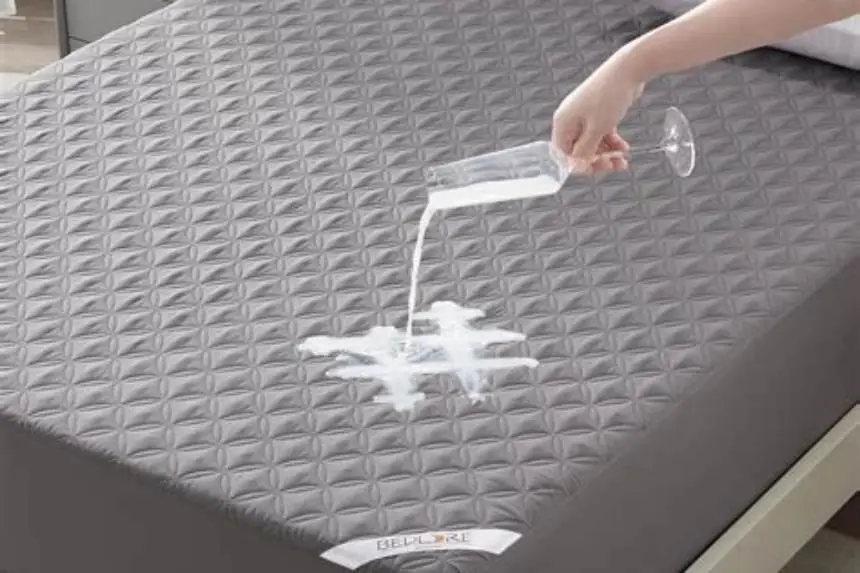
A waterproof mattress protector is a cover with a thin, non-porous layer (often polyurethane) that stops liquids like urine from soaking into the mattress, keeping a baby’s crib clean and dry while allowing some breathability depending on the material.
On this page (8 sections)
- The short version
- Definition of waterproof mattress protector materials and construction
- Differences between waterproof and water-resistant protectors
- How waterproof protectors affect baby mattress breathability and comfort
- Which sizes and baby beds use waterproof mattress protectors
- Care and cleaning relevant to waterproofing
- Safety considerations for baby use of waterproof mattress protectors
- Questions people still ask
Part of our guide on co sleeper bassinet that attaches to full size bed
Understand precisely what waterproof means for baby mattress protectors and how to pick the right size and material for your crib mattress.
| Common membrane | polyurethane |
|---|---|
| Typical thickness | 30-150 microns |
| Crib mattress size range | 27-28" x 52-58" |
| Wash temperature max | 40°C (104°F) |
| Waterproof vs water-resistant | sealed vs coated |
| Typical mattress protector life | 2-5 years |
The short version
- Waterproof protectors block liquid penetration with a thin, sealed layer.
- Waterproof differs from water-resistant, which only slows liquid absorption.
- Protectors affect mattress breathability; breathable membranes balance comfort and protection.
- Choose sizes matching crib mattress dimensions precisely to avoid hazards.
- Proper cleaning maintains waterproofing and hygiene without damage.
Definition of waterproof mattress protector materials and construction
A waterproof mattress protector typically uses a thin layer of polyurethane or vinyl bonded to or sandwiched between soft fabrics like cotton or polyester. The core material blocks liquid passage by acting as a barrier, preventing urine, spills, or other fluids from reaching the mattress beneath.
The polyurethane layers are usually between 30 and 150 microns thick, enough to stop fluid penetration but thin enough to maintain some flexibility. Vinyl layers are less breathable and thicker but provide strong waterproofing.
Construction styles include fitted sheets with elastic edges or zippered encasements that fully surround the mattress. The choice affects fit, ease of cleaning, and how well the protector stays in place during sleep.
Some protectors use laminates that bond waterproof membranes to fabric with heat or adhesives, while others insert a membrane between fabric layers for durability. It helps to understand duration limits for mini bassinets before going further.
Differences between waterproof and water-resistant protectors
Waterproof protectors have a non-porous membrane that completely blocks liquids under normal crib use conditions, so no fluid passes through unless the membrane is damaged.
Water-resistant protectors only slow the penetration of liquids. They resist spills by repelling liquid on the surface, but if the spill is large or prolonged, some fluid can seep through to the mattress.
Water-resistant options often rely on fabric treatments or coatings that wear off with washing or time, while waterproof membranes maintain their barrier if undamaged. If that sounds like your situation, read up on changing pads for on-the-go use next.
Choosing between the two depends on your tolerance for mattress stains and how much you want to rely on the protector versus additional mattress pads or liners.
| Feature | Waterproof | Water-Resistant |
|---|---|---|
| Liquid barrier type | Non-porous membrane | Surface coating or treatment |
| Effectiveness | Stops all liquid under normal use | Delays liquid penetration |
| Breathability | Varies; often moderate | Usually higher breathable |
| Durability | Lasts years if undamaged | Wears off with washing |
| Cleaning care | Wash gently to protect membrane | Less sensitive |

Crib Mattress Protector Sheets Fitted Waterproof Crib Mattress Pad Cover
Fits exact crib mattress dimensions 52 x 28 inches with a breathable TPU membrane that balances waterproofing and comfort.
How waterproof protectors affect baby mattress breathability and comfort
Waterproof membranes reduce air and moisture vapor flow compared to uncovered mattresses. Breathability is crucial because newborns release heat and moisture through skin and bedding.
Polyurethane laminates with micro-pores allow some vapor to pass, balancing waterproofing and comfort. Vinyl membranes block air and moisture vapor almost completely, risking heat buildup. It helps to understand when to start crib sleep before going further.
Protectors with breathable membranes reduce sweating and overheating risk, helping maintain a calm and safe sleep environment.
The fabric cover also affects feel; soft cotton or bamboo topsheets improve comfort over synthetic surfaces.
Keep in mind, very thick or rigid protectors can alter mattress firmness and disrupt the intended sleep surface safety recommended for infants.
Breathability differences become more critical in warmer climates or during summer months, when a baby’s skin is more prone to sweating. For example, a polyurethane protector with a microporous membrane typically allows about 500 to 1500 grams of water vapor to pass through per square meter per 24 hours (g/m²/24h), depending on thickness and fabric cover. Vinyl protectors often have a vapor permeability near zero, increasing the risk of heat stress if used for prolonged periods without ventilation.
Some waterproof protectors incorporate mesh panels or moisture-wicking fabric layers on the sides or corners to improve airflow without compromising core waterproofing. This design can reduce moisture buildup and enhance comfort, especially for babies who sweat more or have sensitive skin. When selecting a protector, check if the product specifies its moisture vapor transmission rate (MVTR) to gauge breathability.
In practice, if a baby frequently wakes with damp bedding or shows signs of heat rash, the mattress protector’s breathability may be insufficient. A simple test is to place a wet cloth under the protector on the mattress overnight; if the surface underneath stays dry, the protector is working as intended. However, if moisture collects underneath, the membrane may be too impermeable or damaged, requiring replacement.
Which sizes and baby beds use waterproof mattress protectors
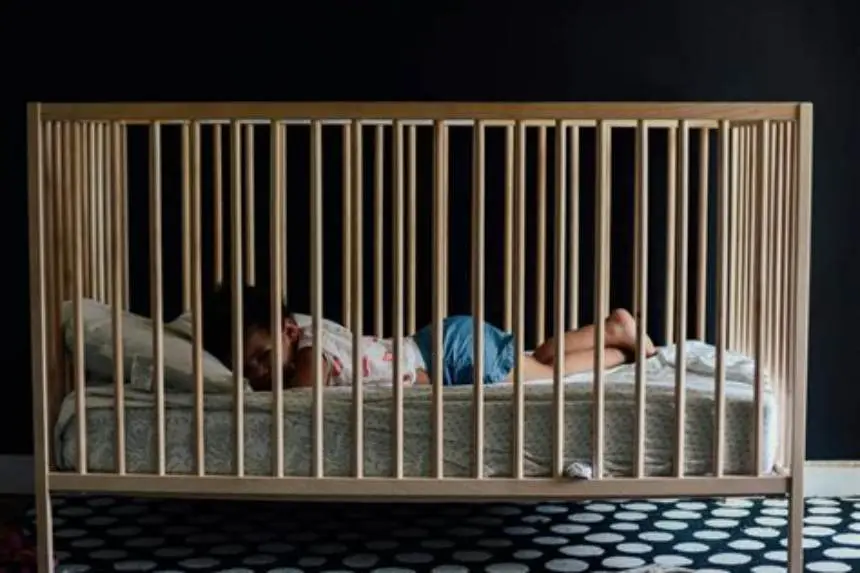
Most standard crib mattresses in the US measure about 27 inches wide by 52 inches long, but sizes vary from about 26.5 to 28 inches wide and 51.5 to 58 inches long, especially for bassinets and mini cribs.
Waterproof mattress protectors come in several sizes to match these dimensions exactly. A poor fit creates loose fabric or wrinkles that pose suffocation hazards.
Some protectors are designed for full crib mattresses, others for mini cribs or portable bassinets. Always measure your mattress thickness and dimensions before buying.
Fitted sheet style protectors need the correct depth matching mattress thickness, which ranges from 4 to 8 inches commonly.
If you use a non-standard mattress, look for protectors labeled as ‘universal’ or ‘adjustable,’ but test fit carefully.
In addition to length and width, mattress thickness is a critical dimension often overlooked. Crib mattresses can vary from 4 inches to as thick as 8 inches, especially those with added foam or pillow-top layers. A waterproof protector must have deep enough pockets or elastic edges to accommodate this thickness without slipping off. For example, a protector designed for a 5-inch mattress might not fit securely on an 8-inch mattress, causing wrinkles or bunching.
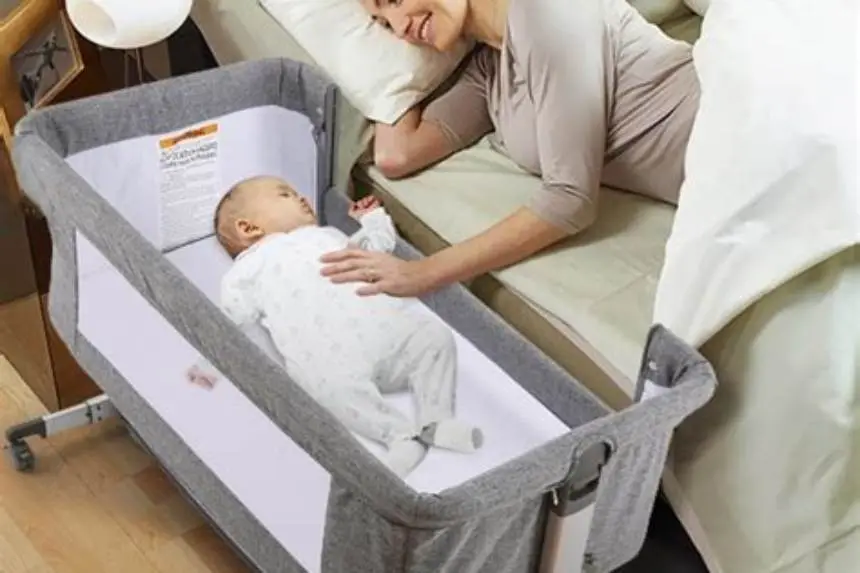
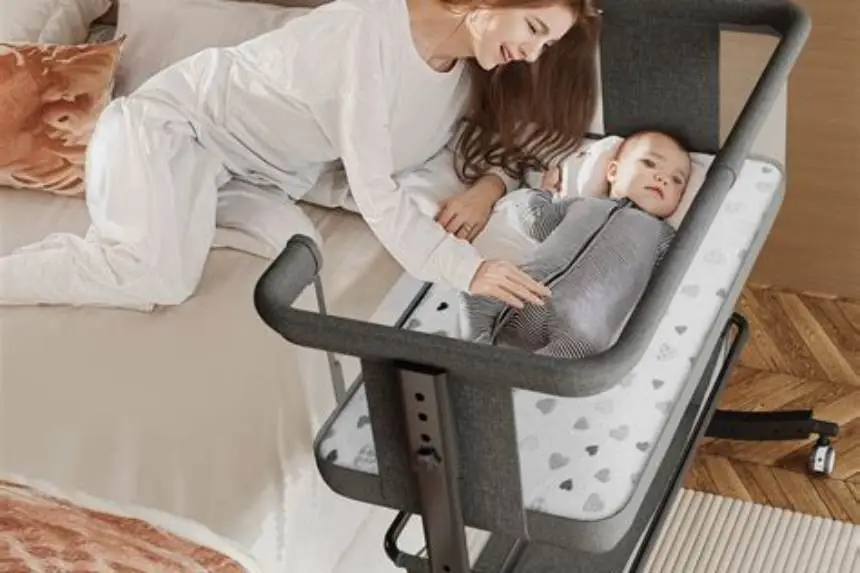
Specialty baby beds such as co-sleepers or convertible cribs may use non-standard mattress sizes as well, sometimes triangular or irregular shapes. Waterproof protectors for these beds are less common and often custom or adjustable-fit models are necessary. Parents should always measure all three dimensions (length, width, and thickness) precisely before purchasing.
Some manufacturers offer adjustable or universal protectors that feature stretchable fabrics and elastic bands to fit a range of mattress depths from 4 to 9 inches. While convenient, these may fit less snugly than custom-sized protectors, so checking the fit and the protector’s ability to stay securely in place is essential to avoid safety hazards.
- Standard crib mattress: ~27" x 52" x 5-6" thick
- Mini crib mattress: ~24" x 38" x 4-6" thick
- Portable bassinet mattress: ~15" to 17" wide, length varies
- Measure mattress before ordering to ensure proper fit
Care and cleaning relevant to waterproofing
Waterproof mattress protectors need gentle cleaning to maintain their barrier. Most manufacturers recommend washing at or below 40°C (104°F) and avoiding bleach or harsh detergents that degrade membranes.
Avoid drying in high-heat settings; tumble dry on low or air dry to prevent membrane cracking or shrinking.
Do not iron or dry clean, as heat damages waterproof layers.
Washing frequency depends on use but typically every 1-2 weeks or immediately after soiling.
Regular inspection for tears or thinning spots is necessary since damage compromises waterproofing and mattress protection.
- Remove protector from mattress carefully to avoid tears.
- Machine wash on gentle cycle with mild detergent at ≤40°C.
- Tumble dry low or air dry thoroughly before reuse.
- Check for membrane damage or fabric wear before reinstalling.
Safety considerations for baby use of waterproof mattress protectors
Safety standards require mattress protectors to be free from toxic chemicals that could off-gas in a baby’s sleep environment. Look for products certified free of phthalates, formaldehyde, and flame retardants.
A waterproof protector should never alter the mattress firmness or create suffocation hazards by bunching up or slipping.
Use only protectors designed for infant use with secure fitted or zippered styles that don’t create loose surfaces.
Avoid thick padding layers or foam toppers included with protectors as these can increase SIDS risk by reducing the firmness of the sleep surface.
Always check for manufacturer weight and age limits and ensure the protector fits your exact mattress size.
Some waterproof protectors include flame retardant chemicals to meet flammability standards, but these substances may cause skin irritation or have other health concerns. Choosing protectors that comply with baby product safety certifications such as OEKO-TEX® or GREENGUARD® Gold can reduce exposure to harmful chemicals.
Another safety consideration is allergen resistance. Waterproof membranes can trap dust mites or allergens if not cleaned regularly, potentially worsening baby allergies or eczema. Using a protector with an antimicrobial or hypoallergenic fabric layer can help reduce these risks.
Regularly check the protector for signs of wear such as cracking, peeling, or stiffness, which indicate degraded membranes. A simple test is to sprinkle a small amount of water on the surface; if droplets bead and do not soak in, the protector still functions. If water quickly penetrates, the protector should be replaced immediately to maintain a safe, dry sleeping environment.
Questions people still ask
Can I use any waterproof protector on a baby crib mattress?
No. Baby crib mattress protectors must fit snugly to avoid loose fabric, be free of toxic chemicals, and maintain mattress firmness. Adult-sized or generic protectors often fail these safety requirements.
How can I tell if a protector is truly waterproof?
Check product details for a membrane material like polyurethane and read customer reports or tests for no leakage under wet conditions. Water-resistant protectors delay but don’t fully block liquid.
Will a waterproof protector make my baby too hot?
Some reduce breathability, especially vinyl types, which can increase heat retention. Choose protectors with breathable polyurethane membranes and soft fabric topsheets to balance protection and comfort.
Should I replace my waterproof protector regularly?
Yes. Most last 2-5 years, depending on use and care. Damage to the membrane or fabric reduces waterproofing and hygiene, so inspect regularly and replace if compromised.
Can I use a waterproof protector on a bassinet mattress?
Only if the protector matches the bassinet’s mattress size exactly. Bassinet mattresses are smaller and thinner than standard crib mattresses, so specific protectors for those sizes are needed.