Which organic diaper rash cream clears severe or sensitive baby skin rashes
Organic diaper rash creams containing zinc oxide (commonly used in concentrations around 10–15%) together with soothing botanicals like calendula or aloe vera are effective for many severe or sensitive rashes. For rashes that bleed, ooze, or persist beyond a few days, seek medical advice and stop home treatment until evaluated.
On this page (9 sections)
- What matters most
- Which organic ingredients soothe severe diaper rash
- How to tell if diaper rash is too severe for natural creams alone
- When to seek medical advice alongside using organic creams
- How organic creams differ in effectiveness for sensitive skin
- Which organic diaper rash cream clears severe or sensitive baby skin rashes
- Brand examples and verified organic-certified products
- How to prevent diaper rash and keep baby dry and rash-free
- Questions people still ask
Part of our guide on replacement diaper genie bags locations
The numbers
- Zinc oxide
- commonly formulated in 10–15% range
- Rash healing time
- several days with proper care; seek help if no improvement
- Sensitive skin
- fragrance-free creams
- Rash requiring doctor
- bleeding or oozing
- Common soothing botanicals
- calendula, aloe vera
What matters most
- Choose creams with zinc oxide (commonly formulated in the 10–15% range) for severe rashes
- Look for soothing natural ingredients like calendula and aloe vera
- Stop organic cream use and see a doctor if rash bleeds, oozes, or worsens after a few days
- Monitor rash severity to decide when natural creams suffice
- Sensitive skin needs fragrance-free, hypoallergenic formulas
Which organic ingredients soothe severe diaper rash
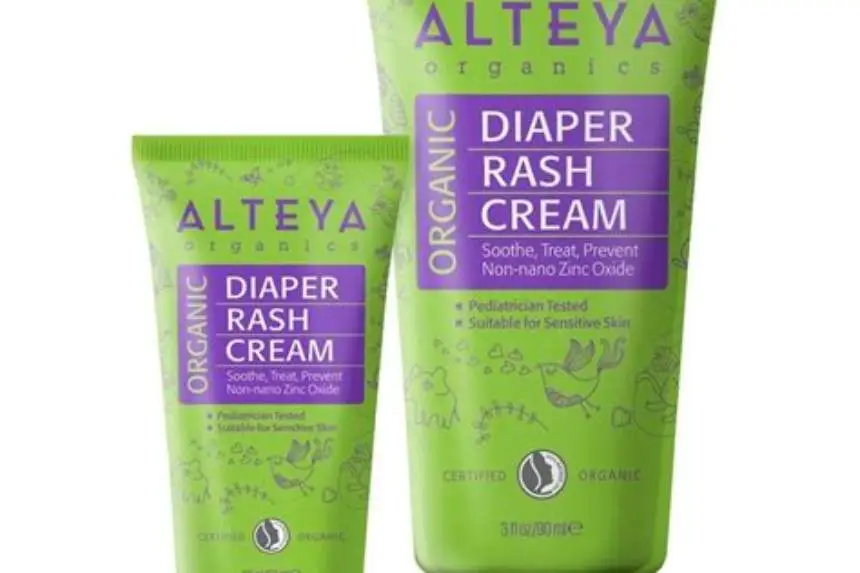
Severe diaper rash often involves inflamed, red, and painful skin patches that may crack or peel. Many effective organic diaper rash creams include zinc oxide. Zinc oxide is a physical skin protectant that forms a barrier to reduce contact with moisture and irritants; commercial formulations vary, and concentrations commonly fall in the general 10–15% range for products intended to give a durable barrier.
Alongside zinc oxide, botanicals such as calendula, aloe vera, and chamomile are included for their reported anti-inflammatory and soothing properties. Calendula has a traditional use for reducing redness and supporting skin regeneration, and aloe vera is used for hydration and relief of minor irritation.
Choose creams specifically labeled as certified organic or containing certified-organic ingredients when avoiding synthetic additives is important to you. Certified-organic products are audited and must meet defined standards that reduce the risk of certain synthetic preservatives, fragrances, or dyes that can irritate sensitive skin.
- Zinc oxide: commonly formulated in a 10–15% range for barrier effect
- Calendula: soothes and may reduce inflammation
- Aloe vera: hydrates and can relieve itching
- Avoid parabens and synthetic fragrances in sensitive formulas
How to tell if diaper rash is too severe for natural creams alone
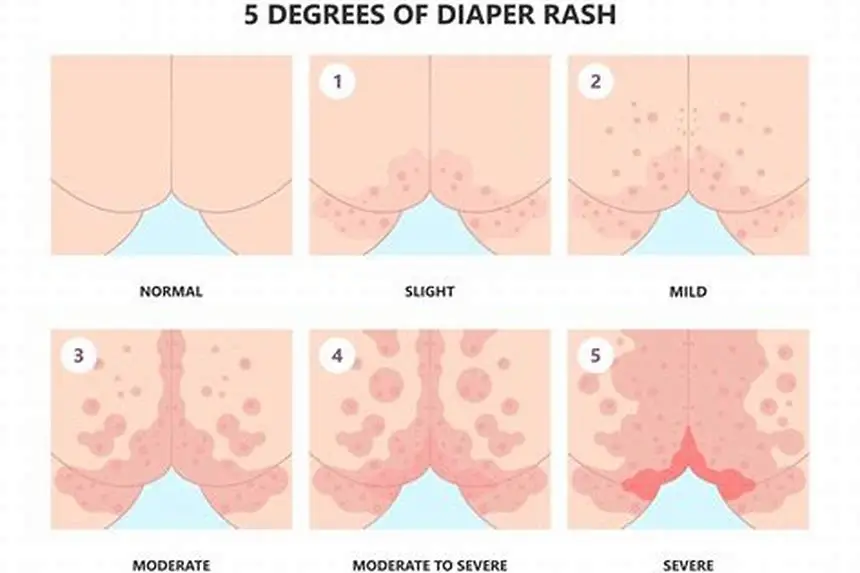
A rash that is too severe for organic creams alone shows clear signs such as bleeding, open sores, or persistent oozing. If the rash does not improve after several days of consistent care with an appropriate barrier cream and hygiene measures, it is likely time to consult a clinician. It helps to understand burning sensation from diaper cream before going further.
Severe redness spreading beyond the diaper area or accompanied by fever suggests possible infection and needs professional assessment. Look for swelling, warmth, pus, or crusting as signs of bacterial or fungal involvement.
If the baby becomes unusually irritable, refuses feeding, or shows systemic illness signs, stop over-the-counter creams and seek medical care promptly.
Mild rashes that are localized with intact skin often respond to barrier creams and supportive care. If the skin becomes cracked, spreads rapidly, or the baby’s condition changes, these are warning signs that natural treatments alone may not be enough. The other half of this decision is protecting nipples during pregnancy.
A simple at-home check: press gently on a red area. If the skin briefly blanches (turns white) and then returns to red, the inflammation may be superficial; if the flush remains or the area feels hot, deeper inflammation may be present and professional evaluation is advised.
- Bleeding or open sores: stop creams, see doctor
- Rash not improving after a few days: medical advice needed
- Widespread redness or fever: sign of infection
- Baby unusually irritable or refuses feeding: urgent care required
When to seek medical advice alongside using organic creams
Seek medical advice when a rash worsens or fails to improve within several days despite appropriate care with a barrier cream and good hygiene. Consult your pediatrician if you see bleeding, crusting, pustules, or signs consistent with bacterial or fungal infection.
If your baby has fever (generally considered 100.4°F / 38°C or higher), vomiting, lethargy, or reduced feeding, arrange immediate evaluation. Barrier creams and organic products support skin health but are not substitutes for prescription antifungal or antibacterial treatments when infection is present. The other half of this decision is cloth and disposable organic choices.
A clinician may prescribe topical antifungal agents, low‑potency steroid creams, or antibiotics when indicated. Follow professional guidance on combining those treatments with over‑the‑counter organic creams so they do not interfere with prescription therapies.
- Seek advice if rash worsens after several days
- Look for signs of infection like pus or crusting
- Fever over 100.4°F requires urgent evaluation
- Follow pediatrician’s directions on combining treatments

The Honest Company Diaper Rash Cream
Contains zinc oxide but no organic certification seals shown, so it may not meet organic criteria.
How organic creams differ in effectiveness for sensitive skin
Sensitive baby skin is more reactive to irritants and fragrances. For sensitive skin, choose organic diaper creams that are explicitly labeled fragrance-free and hypoallergenic and that list a short, transparent ingredient list.
Simple formulations that combine zinc oxide with gentle emollients like shea butter or coconut oil and botanicals such as calendula tend to produce fewer reactions. Shea butter provides moisturization and helps support the skin barrier when used in moderate amounts. Before you commit to anything, it is worth looking at pampers pure or water wipes comparison.
Some products add probiotics or prebiotics with the aim of supporting the skin’s microbiome; current evidence is preliminary and benefits may vary by product. If you are considering such products, look for clinical evidence on the manufacturer’s site and test cautiously.
The effectiveness of any cream depends on the baby’s individual skin condition and allergy history. Perform a patch test on a small area of the thigh for 24–48 hours before broad application to check for adverse reactions.
Texture and absorption matter: a formulation that leaves an opaque, thick layer often indicates a stronger physical barrier, while very thin or transparent creams may give less persistent protection. Choose a texture that suits your baby’s tolerance and the frequency you can realistically reapply between diaper changes.
- Fragrance-free and hypoallergenic formulas for sensitive skin
- Shea butter moisturizes without excessive irritation
- Calendula soothes and reduces redness
- Probiotics may support skin health but evidence is not conclusive
Which organic diaper rash cream clears severe or sensitive baby skin rashes
The most useful organic diaper rash creams for severe or sensitive rashes combine a zinc oxide skin protectant (products commonly use concentrations in the 10–15% range) with calming botanicals such as calendula and aloe vera. These products work by protecting the skin from moisture and helping soothe inflamed tissue.
Pick brands that transparently list zinc oxide concentration and that carry a recognized organic certification seal if organic sourcing is a priority. Read the ingredient list for any potentially irritating additives and prefer short, clear formulations.
Apply a barrier cream at each diaper change or as directed on the product to keep skin dry and protected. If severe rash signs persist beyond several days or if the rash worsens, stop home treatment and consult a healthcare provider.
Instead of relying on a single percentage claim for effectiveness, use observable measures at home: an effective barrier cream will typically leave an opaque, white layer that resists immediate rubbing off during routine cleaning. If a product appears transparent, beads up, or rubs off too easily, consider one with higher zinc oxide content or richer emollients for severe cases.
| Ingredient | Effectiveness for Severity | Suitability for Sensitive Skin | Protection Type |
|---|---|---|---|
| Zinc oxide (commonly 10–15% in stronger barrier creams) | High for severe rashes | Good, forms physical barrier | Physical barrier, anti-irritant |
| Calendula | Moderate soothing | Excellent, anti-inflammatory | Anti-inflammatory |
| Aloe vera | Moderate soothing | Excellent, hydrating | Moisturizing and anti-itch |
| Shea butter | Low as primary treatment for severe rash | Excellent, moisturizing | Skin barrier support |
Brand examples and verified organic-certified products
If you want certified-organic options, look for products that display a recognized certification (for example, the USDA Organic seal in the U.S. or equivalent national organic seals). Below are brand examples that offer diaper-area balms or creams with certified-organic formulations; links provided go to the brand or certification pages so you can verify current product status and ingredient lists before purchase.
Earth Mama - Earth Mama Organics offers a diaper balm and other baby care products made with organic botanicals; check the product page and certification statements for the specific item (manufacturer information): https://earthmamaorganics.com
Badger - Badger has baby care balms and some products certified organic; confirm individual product certification and the product label for zinc oxide concentrations: https://badgerbalm.com
Weleda - Weleda products are widely used for sensitive skin and are certified by independent natural/organic standards in many markets; verify the specific product’s certification on Weleda’s site: https://www.weleda.com
When choosing a product, confirm the certification shown on the packaging or the product page and read the ingredient list for zinc oxide percentage. Certification status and product formulations can change, so verify at time of purchase.
- Look for a recognized organic certification (USDA Organic, ECOCERT, or equivalent)
- Check the specific product page for certification and ingredient percentages
- Verify current formulation before relying on a product for severe rashes
How to prevent diaper rash and keep baby dry and rash-free
Preventing diaper rash is more effective than treating it. Frequent diaper changes, every 2 to 3 hours or immediately after soiling, reduce prolonged moisture contact that triggers rash.
Use breathable, natural-fiber diaper covers or cloth diapers when possible to reduce humidity. Barrier creams with zinc oxide provide protection during changes but do not replace thorough cleaning and drying.
Allow the diaper area to air dry whenever possible and avoid wipes with alcohol or fragrance. A proper diaper fit avoids chafing and excess moisture.
Consistent application of a suitable organic diaper rash cream at each diaper change supports skin health, especially in babies prone to sensitive skin or with prior rashes.
- Change diapers every 2–3 hours or when soiled
- Clean gently with water or mild wipes, then air dry
- Apply organic barrier cream at each diaper change
- Use breathable diaper covers and avoid tight fits
- Monitor skin daily for early signs of rash
Questions people still ask
Can I use organic diaper rash cream on newborn skin?
Yes, but choose fragrance-free, hypoallergenic formulas and consider products with zinc oxide in the milder end of available concentrations. Patch test first to ensure no reaction on very young or highly sensitive newborn skin.
How long does it take for an organic cream to clear severe diaper rash?
It can take several days with consistent cleaning, barrier cream use, and hygiene. If there’s no improvement or the rash worsens after a few days, seek medical attention.
Are natural ingredients always safer than synthetic ones for diaper rash?
Not always. Some natural ingredients can irritate sensitive skin. Look for short ingredient lists, fragrance-free labeling, and certified-organic seals if avoiding certain synthetics is a priority. Patch test any new product.
When should I stop using an organic diaper rash cream?
Stop if the rash bleeds, oozes, crusts, or worsens after several days, and seek medical advice to avoid complications.
Do organic creams prevent diaper rash better than regular creams?
Prevention depends primarily on hygiene and diaper changes. Organic creams can reduce exposure to some synthetic irritants and provide an effective barrier when properly formulated, but good care practices are the main preventive factor.