What is nipple cream for pregnancy and which are baby-safe options
Nipple cream during pregnancy soothes nipple soreness, prevents dryness and cracking, and prepares skin for breastfeeding. Safe creams avoid harmful ingredients and support skin healing for both mother and baby.
On this page (8 sections)
- What matters most
- What nipple cream does during pregnancy
- Why pregnant women use nipple cream
- How to tell if a nipple cream is safe for mother and baby
- Common ingredients to avoid
- What is nipple cream for pregnancy and how to identify baby-safe options
- How to use nipple cream effectively during pregnancy
- Questions people still ask
Part of our guide on pregnancy and height changes
The numbers
- Common use
- Prevent nipple soreness
- Safe ingredient type
- Natural oils and butters
- Ingredients to avoid
- Parabens, fragrances
- Application period
- Last trimester onwards
- Effectiveness
- Reduces cracking risk
What matters most
- Nipple cream protects nipples from dryness and soreness during pregnancy.
- Choose creams with safe, natural ingredients free from harsh chemicals.
- Avoid creams with parabens, fragrances, and certain preservatives.
- Safe creams support breastfeeding by maintaining skin integrity.
- Applying cream regularly during late pregnancy builds skin resilience.
What nipple cream does during pregnancy
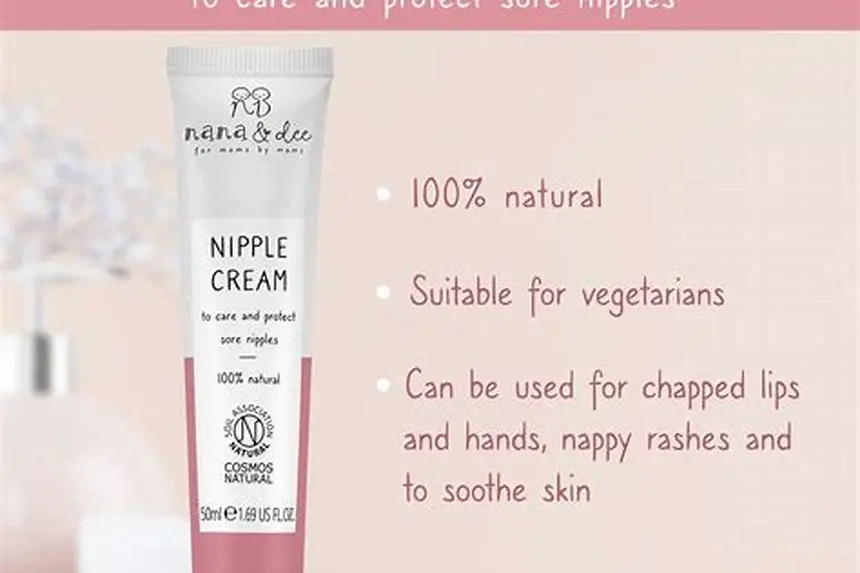
Nipple cream is applied during pregnancy primarily to soothe and protect nipples as they undergo changes preparing for breastfeeding. The nipple and areola skin often becomes dry, itchy, or cracked due to hormonal shifts and increased sensitivity.
Typical effects of nipple cream include moisturizing the skin to prevent dryness, reducing irritation, and promoting the healing of minor cracks or fissures. This reduces discomfort and lowers the risk of skin breaks that can make breastfeeding painful or increase infection risk.
The cream also helps soften and prepare the skin for the physical demands of breastfeeding, which can begin immediately after birth. A more resilient nipple surface often means less pain during latching and feeding.
In some cases, nipple creams include ingredients that promote collagen production, which improves the skin's elasticity and resilience around the nipple and areola. This can be particularly helpful as the skin stretches during pregnancy and breastfeeding. For example, creams containing vitamin E or allantoin support tissue repair and reduce inflammation, aiding in quicker recovery from minor irritations. The other half of this decision is pregnancy spacing recommendations.
A practical check to confirm a nipple cream’s effectiveness is to observe the skin condition over a week of regular use. If dryness lessens and minor cracks begin healing without new discomfort, the cream is likely performing well. Should irritation or redness worsen, discontinue use and consult a healthcare provider, as this indicates the cream may not suit your skin type.
Why pregnant women use nipple cream
Pregnant women use nipple cream mainly to counter the common symptom of nipple soreness and sensitivity that arises as the body prepares for breastfeeding.
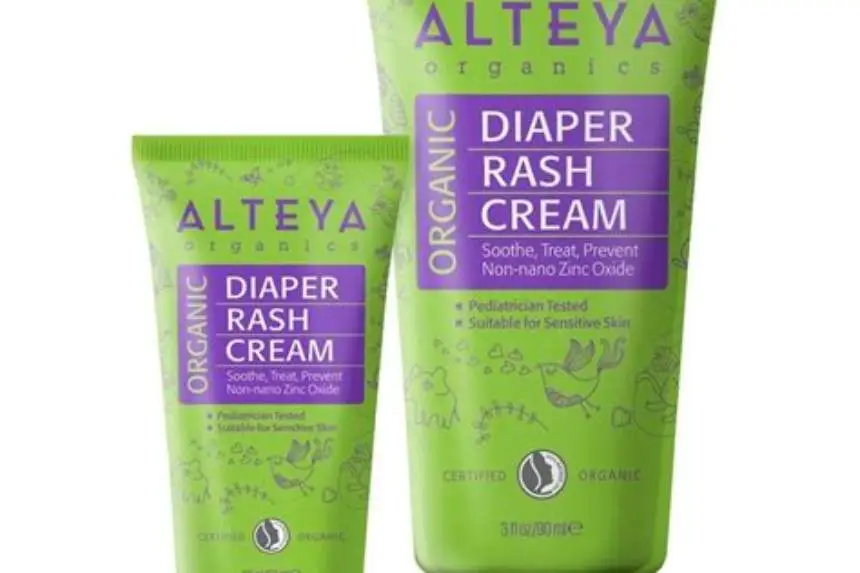
Many experience dry, flaky skin or even cracks around the nipple area, starting usually in the last trimester. These conditions can become painful and lead to complications when breastfeeding begins. It helps to understand organic cream for diaper rash before going further.
Nipple creams serve as a preventive measure, reducing discomfort by maintaining skin moisture and elasticity. This also helps avoid interruption in breastfeeding caused by nipple pain or damage.
Some women also report that nipple creams ease itchiness caused by stretched skin, making daily life more comfortable in late pregnancy.
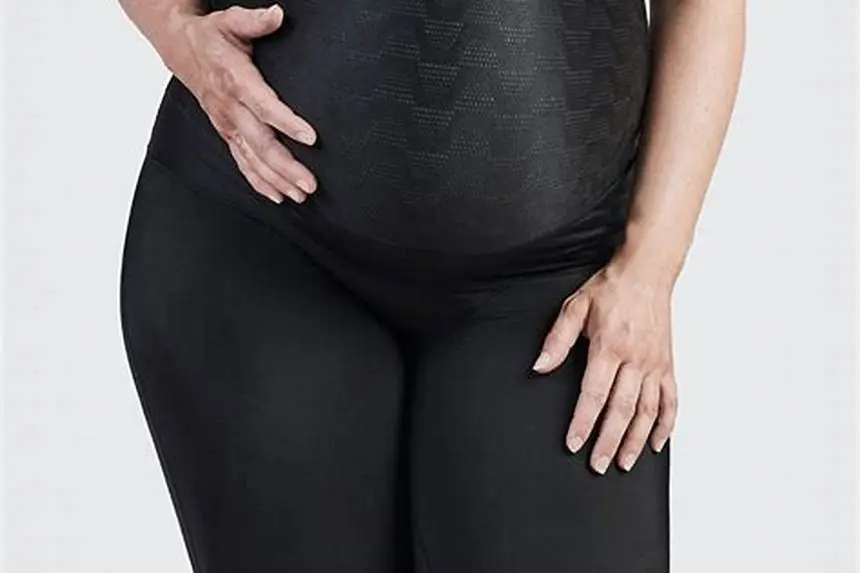
Some women may find nipple creams helpful not only during pregnancy but also for managing postpartum nipple pain when breastfeeding begins. In fact, clinical guidelines often recommend starting use in late pregnancy to build a protective skin barrier that reduces soreness after birth. There is more on fit guide for pregnancy leggings in a separate guide.
A typical range of nipple discomfort during pregnancy can vary from mild itchiness to sharp pain when touched, affecting about 50-70% of pregnant women by the third trimester. For example, a woman experiencing flaking and itching at 32 weeks gestation may apply cream twice daily and notice relief within 5 to 7 days, improving comfort significantly.
How to tell if a nipple cream is safe for mother and baby
A nipple cream is safe for mother and baby if it contains ingredients that do not pose risks of irritation, allergic reaction, or toxicity. Safety is critical because the cream’s residue may be ingested by the newborn during breastfeeding.
Look for creams labeled as free from parabens, synthetic fragrances, preservatives like methylisothiazolinone, and chemicals such as petrolatum or mineral oil that can clog pores.
Certified organic or natural ingredient lists are often indicators, but always check for specific allergenic or irritant substances.
Creams using natural oils like coconut, shea butter, lanolin (purified medical grade), and vitamin E are generally safe and beneficial.
The product should be hypoallergenic, dermatologist-tested, and specifically noted as safe for use during pregnancy and breastfeeding.
Some manufacturers provide third-party testing results to verify the absence of harmful substances and confirm hypoallergenic claims. Checking for such documentation adds confidence in a product’s safety profile.
If a nipple cream includes lanolin, confirm it is pharmaceutical or medical grade, as this version is purified to remove impurities that may cause allergic reactions. Dermatologist approval is another strong indicator of safety for both mother and baby.
Always perform a patch test by applying a small amount of cream on the inner forearm for 24 hours before widespread use. Lack of redness, swelling, or itching confirms a low risk of allergy.
| Ingredient | Safety Status | Effect |
|---|---|---|
| Medical-grade lanolin | Safe | Moisturizes and heals skin |
| Petrolatum (petroleum jelly) | Disputed | Can clog pores, avoid if sensitive |
| Parabens | Avoid | Potential hormone disruptors |
| Synthetic fragrance | Avoid | Can cause irritation or allergy |
| Shea butter | Safe | Natural moisturizer |
| Mineral oil | Disputed | May block skin pores |
Common ingredients to avoid
Avoiding harmful ingredients is essential when selecting nipple cream during pregnancy. Some substances, though common in skincare, can be unsafe for breastfeeding mothers and babies.
Parabens are preservatives linked to hormone disruption and should be avoided in nipple creams. Fragrances, even labeled 'natural', often cause allergic reactions or irritation.
Chemicals like formaldehyde releasers and methylisothiazolinone are toxic sensitizers that appear in some preservatives and can cause skin inflammation.
Petroleum derivatives such as mineral oil or petrolatum may block pores and could trap bacteria, increasing infection risk, especially on damaged skin.
It’s best to stay away from creams containing steroids or ingredients not approved for use during pregnancy and breastfeeding.
What is nipple cream for pregnancy and how to identify baby-safe options
Nipple cream for pregnancy is a topical moisturizer designed to soothe, protect, and prepare the nipple skin as it changes before breastfeeding begins.
Such creams prevent dryness, cracking, and irritation caused by hormonal changes and skin stretching.
To identify baby-safe options, check the ingredient list strictly for natural, non-toxic substances and confirm the product label states it is safe for use during pregnancy and breastfeeding.
Look for certifications such as organic, hypoallergenic, or dermatologist tested, and avoid any product with questionable preservatives or synthetic additives.
Read reviews from other pregnant or breastfeeding mothers and consult healthcare providers if uncertain about a product’s safety.
How to use nipple cream effectively during pregnancy
Apply nipple cream beginning in the third trimester once or twice daily, especially after showering or bathing when skin is drier.
Use clean hands to gently rub a pea-sized amount over the nipples and surrounding areola, allowing full absorption without leaving thick residue.
Avoid washing off the cream immediately; some formulations are designed to remain on the skin to provide ongoing moisture and protection.
Consistency is key: regular application supports skin integrity and reduces the chance of developing painful cracks or soreness.
If irritation occurs, discontinue use and consult a healthcare professional.
Be aware that the frequency of application may need adjustment based on individual skin response and environmental factors. For example, during colder months or dry climates, applying nipple cream up to three times daily might be necessary to maintain adequate hydration.
It is important not to over-apply, as excessive residue might interfere with the baby’s latch during breastfeeding. A thin, fully absorbed layer is optimal. If residue build-up occurs, gently wiping the nipple with a clean, warm cloth before feeding can help.
Some users find that combining nipple cream application with gentle breast massage improves circulation and skin softness. Massaging cream into the areola in small circular motions for 1-2 minutes enhances absorption and promotes skin elasticity.
- Clean your hands thoroughly before application.
- Squeeze a small amount (pea-sized) of nipple cream onto your fingertips.
- Gently rub the cream onto each nipple and surrounding areola.
- Allow the cream to absorb completely; do not rinse off.
- Repeat once or twice daily, starting from the last trimester.
Questions people still ask
Can nipple cream be used before breastfeeding starts?
Yes, applying nipple cream during the last trimester can prevent dryness and soreness, preparing the nipples for breastfeeding.
Is it necessary to remove nipple cream before nursing?
Most baby-safe nipple creams are designed to remain on the skin and are safe for the baby; however, always check the product instructions.
Are natural ingredients always safe in nipple creams?
Natural ingredients are generally safer but can still cause allergies; you need to test a small skin area before full use.
What should I do if nipple cream causes irritation?
Stop using the cream immediately and consult a healthcare professional to check for allergies or infections.
Can nipple creams prevent nipple cracks completely?
They reduce the risk by keeping skin moisturized and resilient but cannot guarantee complete prevention; proper breastfeeding technique also matters.