Why does diaper rash cream burn my baby’s skin and what to check
Burning happens when high-zinc formulas meet broken skin or when preservatives cause contact dermatitis: here's how to tell which and what to use instead.
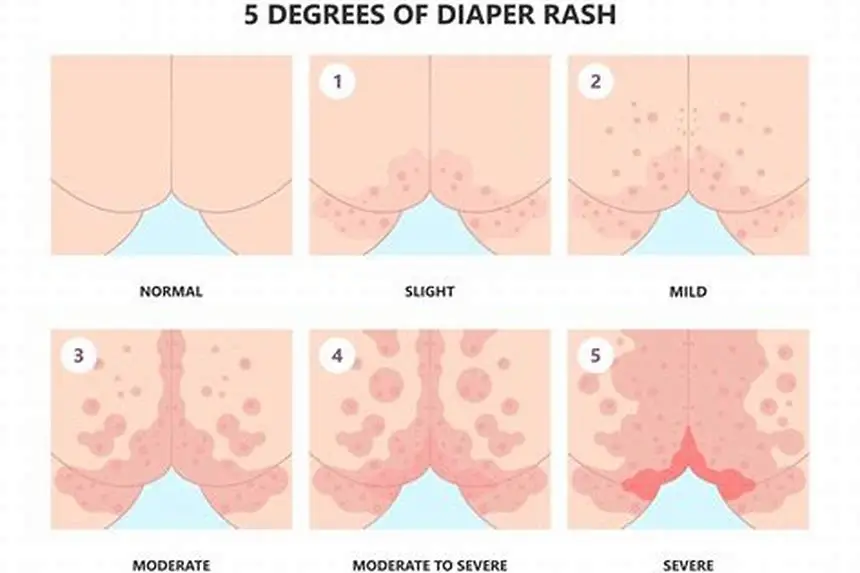
Diaper rash cream burns when zinc oxide contacts broken skin, when preservatives like parabens cause allergic contact dermatitis, or when the skin barrier is already compromised. The reaction depends on both the ingredient list and the condition of your baby's skin.
On this page (10 sections)
- The short version
- Which ingredients in diaper rash creams can cause burning
- How skin condition determines whether a cream will burn
- The moisture balance problem
- When burning signals allergy versus irritation
- What to do if cream burns baby skin
- How to select creams for sensitive or broken skin
- Reading labels for hidden irritants
- Recognizing when to see a doctor instead of switching creams
- Questions people still ask
Part of our guide on matching refill bags to your model
Most parents blame the cream itself, but burning usually signals that the skin barrier is already broken or that a specific preservative is triggering contact dermatitis.
| Most common cause | Zinc oxide on broken skin |
|---|---|
| Allergen rate | 2-3% of babies react to preservatives |
| When to stop | Redness spreads or burning lasts 5+ minutes |
| Safest barrier | 100% petrolatum, no additives |
The short version
- Zinc oxide stings on raw or weeping skin because it draws moisture from exposed tissue
- Parabens, fragrance, and lanolin are the most common allergens in diaper creams
- If burning starts after several uses, suspect contact dermatitis rather than irritation
- Petrolatum-only products protect without burning when the skin is broken
- Stop the cream immediately if redness spreads beyond the original rash
Which ingredients in diaper rash creams can cause burning
Zinc oxide causes a stinging sensation when it contacts raw or weeping skin. Concentrations range from 10% to 40% in most diaper creams, and higher percentages intensify the reaction on broken skin. Zinc oxide works by creating a physical barrier and absorbing moisture, but that same moisture-wicking action pulls fluid from exposed tissue and nerve endings. The cream itself isn't damaging anything: your baby feels the draw on already-raw skin.
Preservatives are the second most common culprits. Parabens (methylparaben, propylparaben) appear in roughly half of commercial diaper creams to prevent bacterial growth. They cause allergic contact dermatitis in 2 to 3% of babies, usually after repeated exposure rather than the first application. Benzyl alcohol and phenoxyethanol are alternatives, but they can also trigger reactions in sensitized skin.
Fragrance compounds and essential oils burn when the skin barrier is compromised. Lavender oil, chamomile extract, and synthetic fragrance blends contain volatile organic compounds that penetrate broken skin more easily than intact epidermis. Even "natural" or "plant-based" creams cause reactions if they include botanical extracts with high phenol or terpene content. A cream that smells pleasant is more likely to sting.
Lanolin and beeswax are occlusive agents that occasionally cause contact dermatitis. Lanolin allergy affects about 1 to 2% of the population, and babies with eczema or a family history of wool allergy are at higher risk. Beeswax itself rarely burns, but commercial beeswax often contains propolis residue, which is a known sensitizer. If the cream lists "cera alba" or "white beeswax," propolis contamination is possible. We cover newborn hospital bag zinc cream in its own article.
| Ingredient | Typical concentration | Reaction type | Timing |
|---|---|---|---|
| Zinc oxide | 10-40% | Stinging on raw skin | Immediate |
| Parabens | 0.1-0.3% | Allergic contact dermatitis | After 3-10 uses |
| Fragrance/essential oils | 0.5-2% | Irritation, burning | Immediate to 2 hours |
| Lanolin | 2-10% | Contact dermatitis | After 2-7 uses |
How skin condition determines whether a cream will burn
Intact skin tolerates zinc oxide and most preservatives without discomfort. The stratum corneum (the outermost layer of dead, flattened cells) blocks irritants and allergens from reaching live tissue and nerve endings. When that barrier is whole, even a 40% zinc oxide paste feels neutral. The cream sits on the surface and doesn't penetrate deeply enough to cause sensation.
Broken or weeping skin has lost its protective layer. Diaper rash that reaches the second stage (redness with small open sores, peeling edges, or a shiny, raw appearance) exposes the dermis. Zinc oxide applied here contacts capillaries and sensory nerves directly, and the alcohol or glycerin base in the cream compounds the sting. The same cream that worked yesterday now burns because the skin condition changed overnight.
Fungal diaper rash from Candida creates a different vulnerability. The rash appears as bright red patches with satellite lesions: small red dots just beyond the main area. Fungal enzymes digest the outer skin layers, leaving microscopic gaps that let cream ingredients seep through. A baby with candidal rash often cries the moment any cream touches the area, regardless of formulation. The yeast itself has already compromised the barrier. It helps to understand organic cream for diaper rash before going further.
Eczema and atopic dermatitis lower the threshold for irritation even when the skin looks mostly intact. Babies with eczema have reduced filaggrin production, a protein that binds skin cells together and holds moisture. Their baseline barrier function is weaker, so ingredients that wouldn't bother a baby with normal skin (like fragrance at 1% or coconut oil) can provoke burning or redness within minutes.
The moisture balance problem
Healthy skin in the diaper area maintains a moisture content between 10% and 20% by weight. Urine, stool, and occlusion from the diaper raise that to 40% or higher, which swells the skin cells and makes them fragile. Zinc oxide draws moisture out to restore balance, but on already-macerated skin that dehydration feels like a chemical burn. The baby isn't reacting to toxicity: they're reacting to a sudden shift in tissue hydration.

Vaseline Pure Ultra White Petroleum Jelly Ointment
Provides a pure white petrolatum ointment with no fragrance or additives, suitable as a moisture barrier that does not sting broken skin.
When burning signals allergy versus irritation
Irritant contact dermatitis happens on first exposure and resolves when you remove the cream. The baby cries, you wipe off the product, and within 10 to 20 minutes the discomfort fades. The skin may stay red for a few hours, but it doesn't worsen. This is the body reacting to a physical or chemical insult: too much fragrance, too high a zinc concentration on raw skin, or alcohol in the base. It's not an immune response. People in this spot often ask about wipe effectiveness duration as well.
Allergic contact dermatitis develops after repeated use: typically the third to tenth application. The immune system recognizes a protein or chemical as foreign, and the next exposure triggers inflammation. The burning starts 30 minutes to 2 hours after you apply the cream, and the rash spreads beyond the original diaper area. You might see tiny blisters, oozing, or a border of redness extending onto the thighs or abdomen. The reaction persists for 24 to 48 hours even after you stop using the product.
Timing tells you which you're dealing with. Immediate burning that stops when you wipe the cream off points to irritation. Delayed burning that gets worse over the next hour, or a rash that appears the day after application, suggests allergy. Allergic dermatitis also tends to recur in the same pattern each time you use that cream or another product with the same preservative.
A patch test by a pediatric dermatologist confirms allergy. The doctor applies small amounts of suspected ingredients to the baby's back, covers them for 48 hours, and reads the skin response. A positive test shows redness, swelling, or vesicles at the site of a specific chemical. Parents sometimes try informal patch tests at home by applying a dot of cream to the inner forearm, but that's less reliable: diaper skin is more permeable than arm skin, and you may get a false negative.
- Irritant reaction: immediate burning, resolves in 10-20 minutes, skin returns to baseline within hours
- Allergic reaction: delayed burning 30 minutes to 2 hours after application, redness spreads, lasts 24-48 hours
- Recurrence: allergic dermatitis repeats with every exposure; irritation depends on skin condition each time
What to do if cream burns baby skin
Stop the cream immediately and rinse the area with lukewarm water: not wipes, which contain their own preservatives and surfactants. Pat dry with a soft cloth rather than rubbing. Leave the skin open to air for 10 to 15 minutes if the baby will tolerate it. Air exposure helps dissipate any volatile compounds still on the skin and gives you a clearer view of the underlying rash.
Switch to pure petrolatum until the skin heals. Plain petroleum jelly (100% petrolatum with no fragrance, vitamin E, or aloe) creates a moisture barrier without active ingredients that could sting. It won't treat infection or yeast, but it protects the skin while you figure out the next step. Apply a thin layer at every diaper change. The skin should look less raw within 24 hours if you've removed the irritant.
If the rash has satellite lesions, bright red color, or a raised border, see the pediatrician within 24 to 48 hours. Those signs suggest fungal infection, which needs an antifungal cream like nystatin or clotrimazole. Continuing with a barrier cream alone allows the yeast to spread. The doctor may also prescribe a low-potency steroid like hydrocortisone 1% for a few days if the inflammation is severe, but steroids go on top of the antifungal, not instead of it.
For mild rashes without weeping or fungal signs, try a zinc-free barrier cream once the acute burning has settled. Look for creams based on dimethicone or petrolatum and lanolin-free wax. These create a physical barrier without the moisture-wicking effect of zinc oxide. If the baby tolerates it without discomfort, you can reintroduce a low-zinc formula (10% to 15%) after another day or two.
- Wipe off the cream gently with lukewarm water and a soft cloth, not commercial wipes
- Air-dry the diaper area for 10-15 minutes to let any volatile ingredients evaporate
- Apply pure petrolatum (no additives) at every change for 24 hours while the skin settles
- Watch for spreading redness, satellite lesions, or worsening after 24 hours: those need a doctor visit
- Reintroduce a zinc-free or low-zinc barrier cream only after the skin looks intact again
How to select creams for sensitive or broken skin
Start with the shortest ingredient list you can find. A cream with three ingredients (petrolatum, zinc oxide, and maybe one emulsifier) has fewer chances to irritate than a formula with fifteen botanicals and three preservatives. Brands marketed for eczema-prone skin often load up on "soothing" extracts that do the opposite on compromised diaper skin. Simpler is safer.
Check the zinc oxide concentration. For intact but sensitive skin, 10% to 20% gives enough barrier protection without excessive drying. For broken or weeping skin, skip zinc entirely and use straight petrolatum until the sores close. Once the skin is intact again, you can move up to a 25% to 30% zinc formula for heavy-duty protection during long stretches like overnight.
Avoid anything labeled fragrance-free but not preservative-free. "Fragrance-free" means no added scent compounds, but the cream still needs preservatives to stay stable in the tube. Look for formulations that use tocopherol (vitamin E) or ascorbic acid as antioxidants instead of parabens. Even better, find creams in single-use packets or airless pumps, which need fewer preservatives because they limit contamination.
Allergy-tested or hypoallergenic labels don't guarantee anything: they're marketing terms without regulatory standards. What matters is whether the specific allergen your baby reacts to is absent. If you've identified parabens as the problem through patch testing or trial and error, search for "paraben-free diaper cream." If lanolin is the trigger, look for "lanolin-free" explicitly on the label. The broad "hypoallergenic" claim won't tell you which allergen was removed.
Reading labels for hidden irritants
Ingredients are listed by descending weight, but allergens often sit at the bottom in concentrations under 1%. A cream might be 40% zinc oxide, 30% petrolatum, and then fifteen trace botanicals at 0.5% each. Those trace ingredients still contact the skin, and it only takes 0.1% of a sensitizing compound to trigger dermatitis in an already-reactive baby. Read the entire list, not just the top three.
Recognizing when to see a doctor instead of switching creams
If the rash spreads beyond the diaper area (onto the belly, thighs, or back) it's no longer simple diaper rash. That pattern suggests systemic dermatitis, an infection, or an allergy that needs medical diagnosis. A pediatrician can distinguish between contact dermatitis, eczema, bacterial infection, or even rare conditions like Langerhans cell histiocytosis, which mimics severe diaper rash but doesn't respond to any cream.
Fever, lethargy, or refusing to eat alongside a diaper rash points to infection rather than irritation. Babies with bacterial diaper dermatitis from Staphylococcus or Streptococcus develop honey-colored crusting, oozing, or pus-filled blisters. Fungal infection can also cause systemic symptoms if it's severe or the baby is immunocompromised. These need prescription antibiotics or antifungals, not a different barrier cream.
A rash that doesn't improve after 3 days of proper barrier care and frequent diaper changes warrants a visit. You've removed the irritant, kept the area dry, and the skin still looks raw or is getting worse. At that point you're dealing with something beyond contact irritation: infection, an underlying skin disorder, or an allergy that requires identification through testing. Continuing to trial different creams at home just prolongs the baby's discomfort.
Bleeding, deep ulcers, or purple discoloration are immediate red flags. These don't happen from zinc oxide or preservatives alone: they indicate severe infection, autoimmune vasculitis, or another serious condition. Go to urgent care or the emergency department the same day. Diaper rash should never bleed spontaneously or turn dusky purple.
- Rash spreading beyond diaper zone: see pediatrician within 24-48 hours
- Fever, lethargy, or feeding refusal with rash: same-day appointment or urgent care
- No improvement after 3 days of barrier care: schedule a visit to rule out infection or allergy
- Bleeding, ulcers, or purple color: emergency department immediately
Questions people still ask
Can I use the same diaper cream on broken skin that I use for prevention?
No. Zinc oxide creams that work fine on intact skin will sting on raw or weeping areas. Switch to pure petrolatum until the sores close, then reintroduce zinc-based creams once the skin looks intact again. Prevention formulas are too harsh for active, open rashes.
How long should it take for burning to stop after I remove the cream?
Irritant reactions usually settle within 10 to 20 minutes of rinsing the cream off. If burning continues for an hour or gets worse, or if redness spreads, you're likely seeing an allergic reaction or the underlying rash is more severe than you thought. That needs a doctor visit.
Is it safe to switch between multiple creams to find one that doesn't burn?
Switching once or twice is reasonable, but if three different creams all cause burning, the problem is the skin condition, not the products. Stop trying new formulas and use plain petrolatum while you get a pediatrician to examine the rash. Constant switching can worsen irritation.
Do expensive or organic diaper creams burn less than drugstore brands?
Not necessarily. Many premium creams contain more botanical extracts and essential oils, which increase the chance of irritation on sensitive or broken skin. A simple drugstore petrolatum or low-zinc formula is often gentler than a high-end cream with ten plant ingredients.
Can a baby suddenly develop an allergy to a cream we've used for months?
Yes. Allergic contact dermatitis develops after repeated exposure, sometimes after weeks or months of safe use. The immune system gradually recognizes the allergen, and then one day it triggers a reaction. If a familiar cream suddenly burns, allergy is possible: but also check whether the rash itself has worsened, which is more common.