Which baby wipe suits sensitive skin and avoids diaper rash
For sensitive skin and lower diaper rash risk, Water Wipes are usually better because they have 99.9% water and minimal additives, while Pampers Pure contains some botanical ingredients and preservatives that might irritate very sensitive babies.
On this page (8 sections)
- What matters most
- Can baby wipes cause diaper rash?
- Differences in ingredients and suitability for sensitive skin
- Do Pampers wipes contain plastic and how does that affect the choice?
- Which wipe fits specific family needs like budget or allergy?
- Pampers Pure vs Water Wipes which to buy for sensitive skin and avoiding diaper rash
- How to test and switch baby wipes safely to prevent rash
- Questions people still ask
Part of our guide on diaper genie refill replacement where to buy
The numbers
- Water content
- 99.9% water (Water Wipes)
- Pampers Pure additives
- Plant extracts + preservatives
- Plastic fibers
- Yes (Pampers), No (Water Wipes)
- Biodegradable
- Water Wipes yes, Pampers no
- Suitable for newborns
- Both
- Irritation risk
- Lower with Water Wipes
What matters most
- Water Wipes contain 99.9% water and minimal preservatives, reducing irritation risk.
- Pampers Pure wipes have added plant-based ingredients but also preservatives.
- Baby wipes can cause diaper rash if they irritate skin or disrupt moisture balance.
- Families with allergy concerns or budget constraints may prefer different wipes.
- Pampers wipes include plastic fibers; Water Wipes are plastic-free and biodegradable.
Can baby wipes cause diaper rash?
Baby wipes can cause or worsen diaper rash if they irritate the delicate skin or disrupt its moisture balance. Wipes with harsh chemicals, fragrances, or preservatives can trigger inflammation, especially on sensitive skin.
Repeated wiping with wipes that dry out skin or leave residue may strip natural oils, making skin vulnerable to redness and rash. Infants with eczema or allergy-prone skin are particularly at risk from unsuitable wipes.
However, not all wipes cause diaper rash. Choosing wipes with minimal irritants and high water content lowers the risk. Proper diaper changing routines and allowing skin to dry fully before applying a fresh diaper also help prevent rash.
Differences in ingredients and suitability for sensitive skin
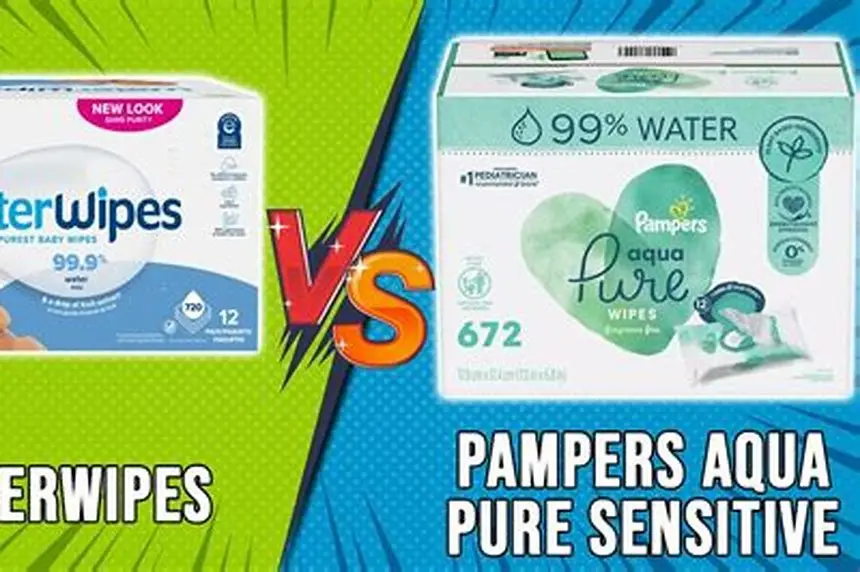
Water Wipes contain 99.9% purified water and a tiny amount of fruit extract for stability. This minimal composition significantly reduces the chance of irritation or allergic reaction, making them suitable for babies with very sensitive skin. There is more on how many baby wipes per day in a separate guide.
Pampers Pure wipes are marketed as hypoallergenic and contain plant-based ingredients such as aloe and chamomile, plus preservatives to ensure freshness. These added ingredients can benefit some babies but may irritate others with sensitive or allergy-prone skin.
Both wipes avoid harmful chemicals like parabens and sulfates, but Pampers Pure includes trace preservatives such as phenoxyethanol. Water Wipes rely on their ultra-pure water base, avoiding preservatives that some perceive as irritants.
Water Wipes are gentler due to fewer ingredients. Pampers Pure offers extra soothing agents but at the expense of slight allergen risk. There is more on buying brand-specific diapers and accessories in a separate guide.

Bc Babycare Cloud Moist Baby Travel Wipes
Tests skin reaction safely with wipes made of 99% water and no irritants, suitable for sensitive skin
Do Pampers wipes contain plastic and how does that affect the choice?
Pampers Pure wipes contain synthetic fibers including plastic components to provide strength and moisture retention. This means the wipes are not biodegradable and contribute to plastic waste.
Water Wipes use plant-based fibers and are free from plastic materials, making them a better choice for environmentally conscious families and those wanting biodegradable options.
Plastic content may also affect skin feel and breathability. Some parents report Pampers wipes feel thicker and less soft, which can be a factor when wiping delicate newborn skin. People in this spot often ask about what causes burning with rash cream as well.
If avoiding plastic is a priority alongside skin sensitivity, Water Wipes hold the advantage. Pampers Pure, while gentle, still have a plastic makeup that may not suit all families.
Which wipe fits specific family needs like budget or allergy?
Budget-conscious families may find Pampers Pure to be a more affordable option, as Water Wipes tend to cost 20-40% more per wipe due to their minimal formula and biodegradable materials.
Families dealing with allergies or babies with eczema often benefit from Water Wipes’ ultra-simple formula that minimizes contact with potential irritants. People in this spot often ask about best organic diaper rash cream as well.
If your baby reacts to plant extracts or preservatives, Pampers Pure could trigger mild irritations, making Water Wipes safer despite the higher cost.
Consider what is most important: if reducing diaper rash and sensitivity is the priority, Water Wipes are usually worth the extra cost; for a balanced budget and decent gentleness, Pampers Pure can suffice.
In very hot climates where moisture and rash risk are higher, wipes with fewer additives like Water Wipes might help skin breathe better and reduce rash incidents.
| Factor | Pampers Pure | Water Wipes |
|---|---|---|
| Price per wipe | Lower | Higher |
| Suitability for allergies | Moderate | High |
| Biodegradability | No | Yes |
| Sensitivity level | Good for mild | Good for very sensitive |
| Environmental impact | Higher plastic content | Low plastic, biodegradable |
Pampers Pure vs Water Wipes which to buy for sensitive skin and avoiding diaper rash
Deciding between Pampers Pure and Water Wipes depends on your baby's skin sensitivity, allergy history, and your budget. For extremely sensitive skin or infants prone to rash, Water Wipes are the safer bet due to their 99.9% water content and lack of additives that can irritate.
If your baby has no known allergies and you want some plant-based soothing ingredients plus a lower price point, Pampers Pure can be appropriate. However, be ready to stop if redness or irritation appears.
Neither wipe guarantees total rash prevention because diaper rash depends on multiple factors including diaper fit, change frequency, and skin care routines. Wipes are just one piece of the puzzle.
When testing a new wipe, watch for redness or discomfort within 24-48 hours. If any signs appear, switch immediately. Keep a small pack of water-only wipes or a hypoallergenic wipe on hand to manage flare-ups.
Water Wipes provide a gentler, more minimalist option with less plastic and a lower likelihood of causing rash, making them the preferable choice for babies with highly sensitive skin.
- Water Wipes: minimal ingredients, plastic-free, lower irritation risk
- Pampers Pure: plant extracts, better price, widely available
- Water Wipes: higher price, thinner wipes
- Pampers Pure: contains preservatives and plastic fibers
How to test and switch baby wipes safely to prevent rash
Switch baby wipes by testing a small patch of skin first. Apply a wipe to the inner forearm or behind an ear and check after 30 minutes and again after 24 hours for redness or swelling.
If no reaction appears, try the wipe on the diaper area for one full change cycle. Monitor skin closely over the next few days for any rash development.
Maintain regular diaper changing frequency and let skin air-dry or pat dry before applying wipes and diapers. Use a fragrance-free diaper cream to protect skin when rash risk is high.
If rash appears, discontinue wipes immediately and revert to the previously tolerated wipe or plain water and cotton pads. Consult pediatric care if rash persists beyond 48 hours.
Document which wipes cause irritation to avoid repeats and communicate with caregivers to ensure consistent use of the preferred wipes.
- Step 1: Patch test wipe on small skin area for 30 minutes and 24 hours
- Step 2: Use wipe during one diaper change; observe skin closely
- Step 3: Maintain good diaper hygiene and use cream if needed
- Step 4: Stop use if any rash or redness appears
- Step 5: Consult a pediatrician if rash does not improve quickly
For babies prone to rash or with allergy concerns, Water Wipes provide the safest, simplest clean with minimal risk.
Questions people still ask
Can baby wipes cause diaper rash even if they claim to be hypoallergenic?
Yes. Hypoallergenic claims don't guarantee zero irritation. Babies differ in sensitivity, and preservatives or plant extracts in wipes can still cause redness or rash in some infants.
Are Water Wipes completely free of chemicals and preservatives?
Water Wipes use 99.9% pure water plus a tiny fruit extract to stabilize the liquid. They avoid traditional preservatives found in many wipes but are not entirely without natural additives.
Is it better to use water and cotton pads instead of any wipes to avoid rash?
For very sensitive skin or existing rash, water and cotton pads are safest. However, they can be less convenient and less effective at cleaning than specialized wipes with gentle ingredients.
Do Pampers Pure wipes biodegrade or are they environmentally friendly?
Pampers Pure wipes contain plastic fibers and are not biodegradable. Families wanting eco-friendly options should consider wipes like Water Wipes made from plant-based materials.
How often should wipes be used during diaper changes to minimize skin irritation?
Use just enough wipes to clean thoroughly without excessive rubbing. Frequent wiping with too many wipes can dry or irritate skin, increasing rash risk.