Which organic diapers fit newborns’ size and sensitive skin best
The best organic diapers for newborns fit snugly around a newborn’s 5-10 pound size range, use certified organic cotton or plant-based materials to reduce rash risk, and offer tailored absorbency for frequent changes to keep skin dry.
On this page (9 sections)
- What matters most
- How newborn weight and size affect diaper fit
- Why diapers labeled 'one-size' may not fit newborns well
- How organic materials impact skin sensitivity
- Differences between organic cloth and disposable diapers for newborns
- What to watch for in leaks and rashes with organic diapers
- Which organic diapers fit newborns best for sensitive skin and size
- How to choose and switch organic diapers for your newborn
- Questions people still ask
Part of our guide on diaper genie refill replacement where to buy
The numbers
- Newborn weight range
- 5-10 pounds
- Typical diaper changes
- 8-12 per day
- Organic cotton content
- 70-100%
- Leakproof duration
- 2-4 hours
- Cloth diaper wash temp
- 60-90°C
What matters most
- Newborn diaper fit depends mainly on baby weight and waist size.
- Certified organic materials reduce chemical irritation risks.
- Cloth diapers need frequent, careful washing to avoid rashes.
- Disposable organics balance convenience with natural fibers.
- Leak protection varies; regular checkups prevent rash triggers.
How newborn weight and size affect diaper fit

Newborns typically weigh between 5 and 10 pounds and have a waist circumference around 13 to 15 inches. Diapers designed for this range will fit snugly without gaps that cause leaks or tightness that risks skin marks.
The fit depends heavily on the baby’s shape and growth rate. Adjustable tabs and stretchy sides are crucial for newborn diapers to accommodate rapid changes in size, especially in the first few weeks.
If the diaper is too loose, leakage and discomfort rise. Too tight, and skin irritation or red marks occur. Choosing diapers specifically labeled “newborn” or with detailed sizing charts matching your baby’s measurements is essential.
Newborns with lower birth weights, such as premature infants weighing under 5 pounds, require specially sized diapers that can accommodate their delicate frames without bulkiness. Some brands offer preemie sizes starting at 4 pounds, which feature narrower waistbands and smaller absorbent areas to prevent leaks while maintaining comfort. For the detail, see our notes on choosing cream for sensitive skin.
A practical way to confirm diaper fit is to check for a gap between the waistband and the baby’s skin: if you can fit more than one finger under the diaper waistband easily, the diaper is likely too loose. Conversely, red indentations or marks after removal indicate overtightness. Adjusting tabs and choosing diapers with elasticized leg cuffs can help fine-tune the fit to the newborn’s unique proportions.
Why diapers labeled 'one-size' may not fit newborns well
One-size diapers often start fitting well only above 8-10 pounds, missing the smaller newborn stage where fit is critical. They risk gaps or pinching. These diapers may be more economical later but less suited for the first weeks.
How organic materials impact skin sensitivity
Organic diapers use certified organic cotton or plant-based absorbents that avoid chlorine, pesticides, and synthetic chemicals common in conventional diapers. This reduces the likelihood of allergic reactions and diaper rash. The other half of this decision is differences in overnight diaper performance.
Newborn skin is especially permeable and prone to irritation. Using organic fibers that are breathable and soft can prevent moisture buildup and friction, both common rash triggers.
However, organic does not guarantee rash-free. Some babies react to natural latex or plant extracts used in organic diapers. Testing a small patch first helps identify sensitivity before regular use.
The certification of organic materials, such as GOTS (Global Organic Textile Standard) or Oeko-Tex, ensures that the fibers are grown and processed without harmful chemicals that might irritate sensitive newborn skin. These certifications guarantee lower residual levels of pesticides and heavy metals, which are otherwise invisible irritants causing delayed skin reactions. People in this spot often ask about what causes burning with rash cream as well.
In addition to fiber selection, the manufacturing process in organic diapers often avoids fragrances, dyes, and latex, which can trigger allergic responses. However, some plant-based absorbents, like cornstarch derivatives, may cause sensitivity in a small subset of infants, making it important to observe for any unusual redness or discomfort during initial use.
Differences between organic cloth and disposable diapers for newborns
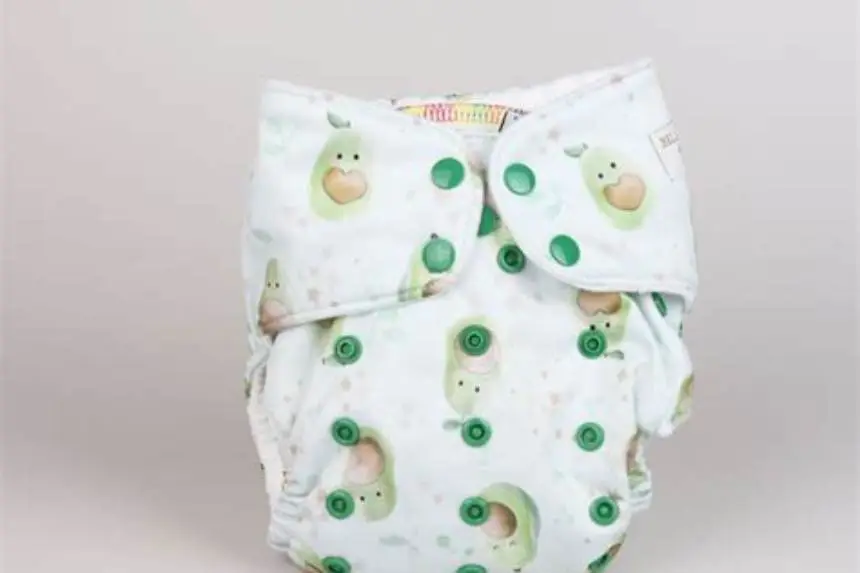
Organic cloth diapers use 100% or mostly organic cotton or bamboo, are washable, and reusable. They require washing at 60-90°C to eliminate bacteria but must be rinsed thoroughly to prevent residue buildup that causes irritation.
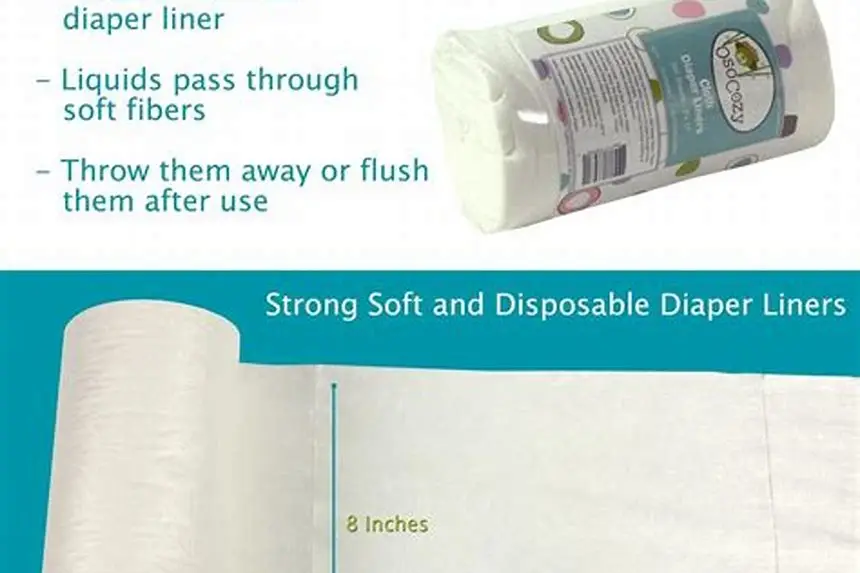
Disposable organic diapers usually combine plant-based cores with organic cotton linings and avoid chlorine bleaching. They offer convenience but are pricier and may have lower absorbency span, typically 2-4 hours. We go through flushable cloth diaper liners safe to flush step by step elsewhere on the site.
Cloth diapers allow natural breathability and customization but demand more time and consistent laundering. Disposal suits parents needing easy changes but beware of synthetic overlays that might trap moisture.
Organic cloth diapers often come with multiple insert options, allowing parents to customize absorbency based on the baby’s output. For instance, adding a hemp or microfiber insert can extend wear time between changes, beneficial during nighttime.
Disposable organic diapers, while less customizable, sometimes include wetness indicators that change color when the diaper is saturated. This feature assists parents in timing changes, reducing skin exposure to moisture that leads to rashes.
A challenge with cloth diapers is ensuring thorough drying after washing; damp diapers can harbor bacteria and cause irritation. Using a high-temperature dryer setting or sun-drying can mitigate this risk, but over-drying may reduce fabric softness if not monitored.
| Aspect | Organic Cloth Diapers | Organic Disposable Diapers |
|---|---|---|
| Material | 100% organic cotton or bamboo | Plant-based core with organic cotton lining |
| Absorbency duration | Variable, often extended with inserts | 2-4 hours per diaper |
| Maintenance | Requires washing at 60-90°C | Single use, dispose after soiling |
| Environmental impact | Reusable, less waste | Biodegradable options but still waste |
| Convenience | More effort, upfront investment | Easy, ready to use |
What to watch for in leaks and rashes with organic diapers
Leaks usually occur when diapers are ill-fitting or saturated. Since newborns urinate frequently, the diaper’s absorbency must match the baby’s output. Organic disposables often provide shorter protection than conventional diapers, so changing every 2-3 hours is wise.
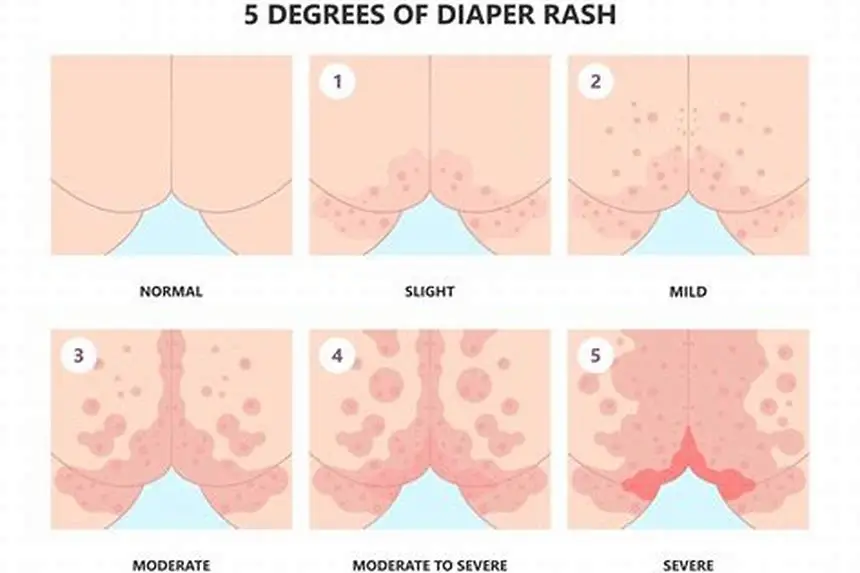
Rashes can stem from moisture, irritation from seams or materials, or allergic reactions. Signs to watch for include persistent redness, swelling, or blisters in the diaper area.
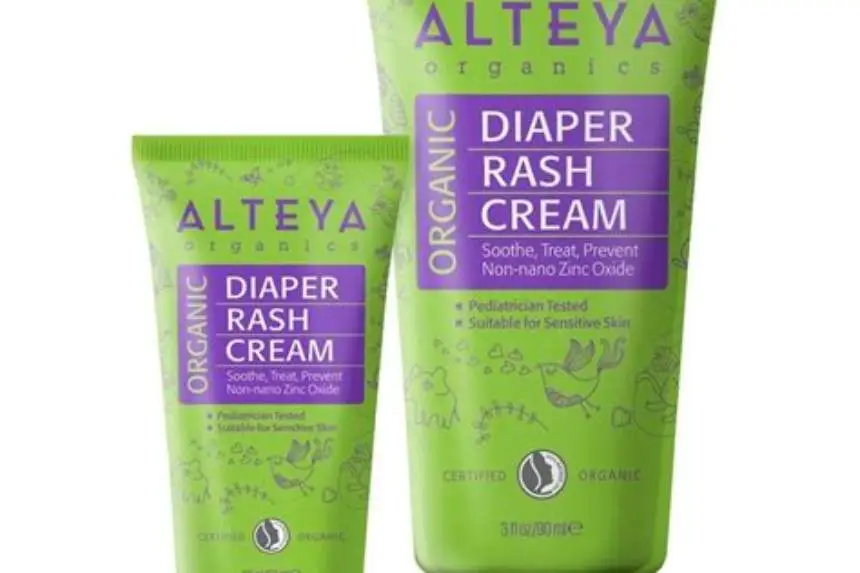
To prevent these, keep the diaper area clean and dry, change diapers promptly, and consider diaper rash creams safe for organic diaper use. Testing a diaper’s fit and changing frequency regularly helps identify the best balance.
One practical check against leaks is the presence of urine or stool on the baby’s clothes or bedding shortly after a change, indicating the diaper’s absorbency or fit is insufficient.
Persistent rashes that do not improve despite changes in diaper brand or frequent changes might signal a yeast infection or eczema, conditions requiring pediatric consultation rather than just diaper adjustments.
If rashes appear predominantly after using a new brand, switching back to the previous diaper or trying patch testing on a small skin area can help isolate the cause. Keeping a log of diaper brands used and rash occurrences assists healthcare providers in diagnosis.
Which organic diapers fit newborns best for sensitive skin and size
For newborns between 5 and 10 pounds, organic diapers that feature soft, breathable cotton linings with adjustable waistbands fit best. Cloth options with inserts for absorbency customization serve well if laundering is manageable.
Disposable organic diapers designed specifically for newborns tend to have smaller cut sizes and stretchy sides that adapt to those first few weeks. The choice hinges on your lifestyle and baby’s skin sensitivity reaction.
If your baby develops rashes despite using organic diapers, switching to a different material blend or increasing change frequency may help. A moisture meter can be useful to test if the diaper is saturated before leaks or rashes appear.
In addition to fit and material, the diaper’s breathability is critical for newborns prone to heat rash. Organic diapers with cotton-rich linings allow better air circulation compared to synthetic blends, reducing moisture buildup.
For babies with extremely sensitive skin, choosing diapers free from elastic bands and tapes containing latex or adhesives can prevent contact dermatitis. Some organic cloth diapers use hook-and-loop fasteners made from organic fibers, eliminating potential irritants.
Parents can use a moisture meter designed for diaper fabrics to assess how quickly the diaper wicks away liquid. For example, a reading below 20% moisture content after two hours indicates effective dryness, correlating with lower rash risk.
- Better fit for small sizes
- Lower chemical exposure
- Variety of materials for sensitivity
- Often higher cost
- Lower absorbency span in disposables
- Cloth requires frequent washing
How to choose and switch organic diapers for your newborn
1. Measure your newborn’s waist and weight to identify the right diaper size range.
2. Select organic diapers certified for low chemical content and made with soft materials to protect sensitive skin.
3. Decide between cloth and disposable based on your lifestyle and laundry capacity.
4. Monitor your baby’s skin for any signs of irritation or rash after switching brands or materials.
5. Keep diapers changed every 2-3 hours to avoid leaks and skin inflammation.
Switching gradually by trial over several days helps pinpoint the best fit and material for your baby’s comfort.
When switching diapers, introduce the new brand gradually by using them for a few diaper changes a day alongside the current brand. This approach helps monitor the baby’s skin response and adjust if irritation arises.
It is advisable to note the texture and appearance of stools and urine during the transition, as some diapers' absorbent cores affect how waste is contained, impacting skin contact.
Parents should prepare for a possible adjustment period where frequent changing and additional skin care, such as barrier creams free of parabens and fragrances, mitigate rash risk while the newborn adapts to the new diaper type.
- Measure newborn’s waist and weight.
- Research certified organic diaper brands fitting those measures.
- Choose cloth or disposable based on your schedule.
- Try a small pack and observe skin reaction for 3-5 days.
- Increase change frequency to 8-12 times daily if rash or leaks appear.
For newborns, choosing organic diapers sized specifically for their weight and using certified natural materials best balances skin sensitivity with dryness.
Questions people still ask
Are organic diapers better at preventing diaper rash?
Organic diapers reduce exposure to chemicals and irritants, lowering rash risk for sensitive newborn skin. However, rash prevention depends mainly on fit, moisture management, and frequent changes.
Can I use one-size organic diapers for a newborn?
One-size diapers usually fit newborns over 8-10 pounds. For smaller newborns, choose newborn-sized diapers for proper fit and leak prevention.
How often should I change organic diapers on a newborn?
Organic diapers generally require changing every 2-3 hours or after each urination to keep skin dry and prevent rashes, especially since their absorbency tends to be lower than conventional diapers.
Is washing cloth organic diapers complicated?
Cloth organic diapers require washing at 60-90°C with thorough rinsing to avoid buildup of irritants. Proper care extends their lifespan and keeps skin healthy.
Do organic disposable diapers fit newborns differently than conventional ones?
Organic disposables designed for newborns tend to have softer materials but may offer shorter leak protection, requiring more frequent changes than conventional disposables.