Which ergonomic baby carrier fits a bad back and newborn support needs
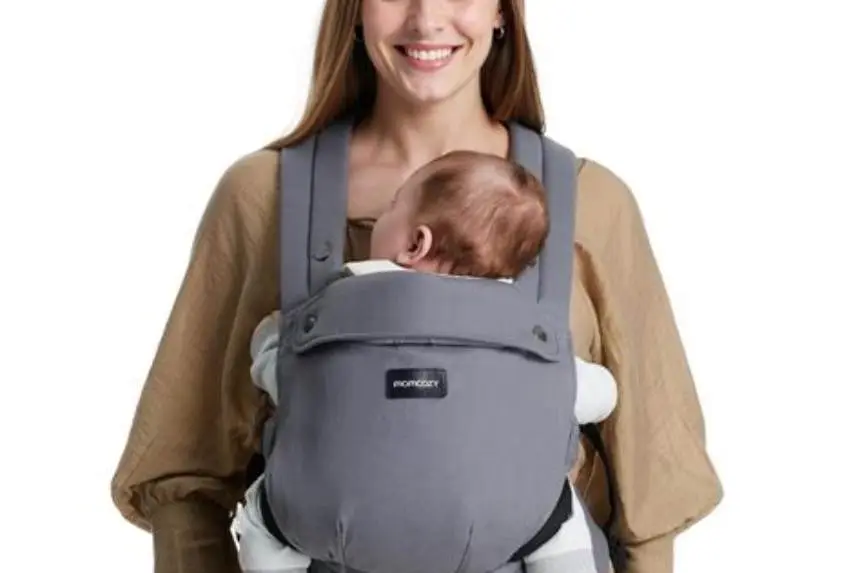
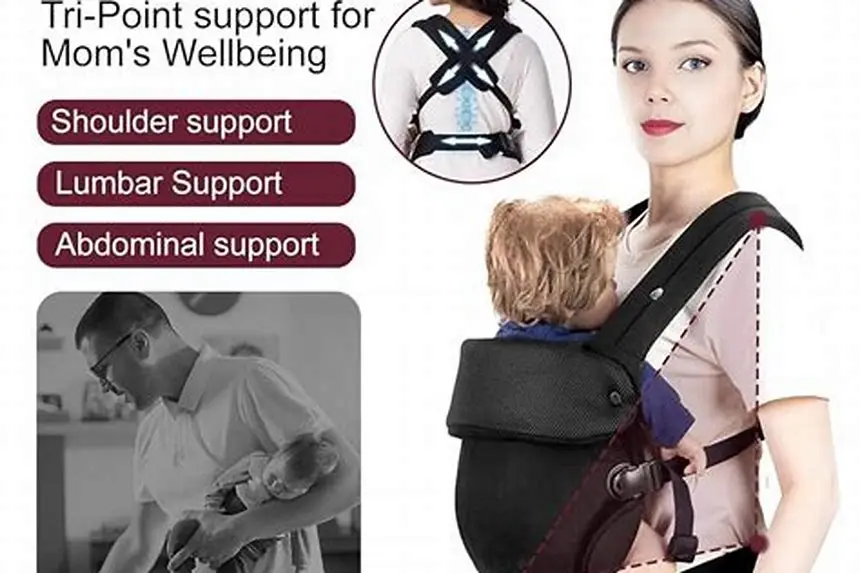
An ergonomic baby carrier that supports a bad back and newborns must have a wide, firm lumbar support panel, adjustable padded straps distributing weight evenly, and a well-cushioned seat supporting a newborn’s hips in the 'M' position with head and neck support.
On this page (8 sections)
- What matters most
- How ergonomic design helps parents with back pain
- Which carriers support newborns ergonomically
- How to check carrier fit for parent size and baby position
- Why wide, padded straps and lumbar support prevent back strain
- Which newborn support features are essential in an ergonomic carrier
- Which ergonomic baby carrier fits a bad back and newborn support needs
- Questions people still ask
Part of our guide on beco carriers butterfly vs gemini
The numbers
- Newborn safe from
- 7-8 pounds
- Lumbar support width
- 4-6 inches
- Max parent weight
- varies, 250+ lbs typical
- Hip position angle
- around 100°-110°
- Strap padding thickness
- 1-2 inches typical
What matters most
- Ergonomic carriers reduce back pain by distributing baby’s weight evenly.
- Newborn support requires a seat narrowing and head support for safe positioning.
- Always check carrier fit for your body size and baby’s age before use.
- Adjustable lumbar and shoulder straps are essential for parents with back issues.
- Test the carrier’s baby seat shape to ensure ergonomic hip positioning from birth.
How ergonomic design helps parents with back pain
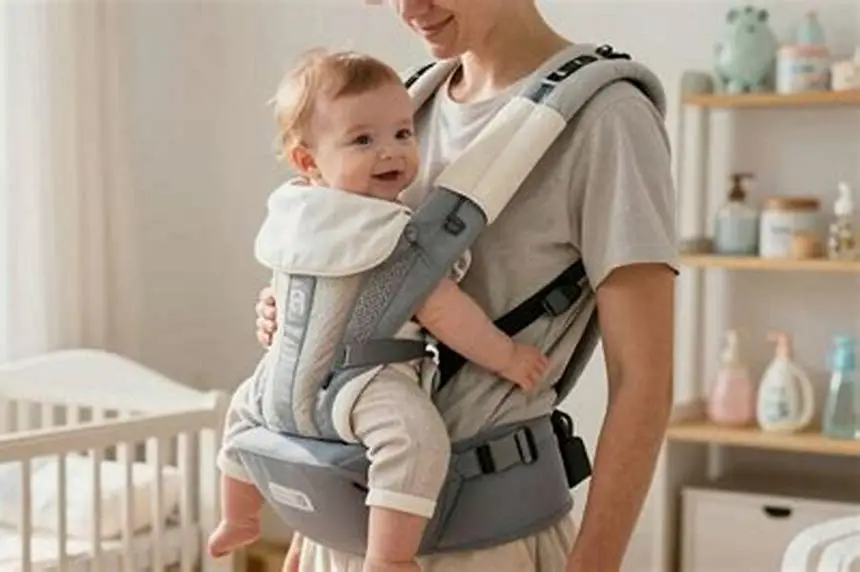
Ergonomic baby carriers ease back pain by spreading the infant's weight across the shoulders, hips, and back instead of concentrating it in one spot. Look for carriers with wide, padded shoulder straps and a firm lumbar panel that fits snugly against your lower back, often between 4-6 inches wide. This support stabilizes your spine and reduces muscle strain during extended wear.
The carrier’s frame or fabric should hold the baby close to your body, preventing a forward lean that stresses your lower back. Adjustable straps let you customize fit to your torso length and shoulder width. A carrier without these features risks causing or worsening back pain, especially if you already have spinal issues.
Carriers with waist belts that sit on your hips transfer a significant portion of the baby's weight to stronger leg muscles, which is crucial for those with weak or painful backs. Without this, your shoulders and back bear all the weight, which is less sustainable for long periods.
Which carriers support newborns ergonomically
Not all ergonomic carriers are safe or comfortable for newborns. A carrier must support a newborn’s fragile spine and hips by allowing the baby to sit in a natural 'M' shape: knees higher than the bottom, hips spread around 100°-110°. The seat should be well-cushioned and adjustable in width to accommodate small sizes from about 7-8 pounds upward. People in this spot often ask about definition of ergonomic baby carrier as well.
Head and neck support is critical until the baby gains control. Many carriers include removable infant inserts or adjustable panels to hold the newborn’s head securely without forcing the chin against the chest. Carriers designed primarily for toddlers often lack this support and may be unsafe if used too early.
Fabric softness and breathability matter since newborn skin is delicate, and overheating can be a risk. Choose carriers with moisture-wicking materials and no hard frame parts pressing into the baby. Safety standards and manufacturer weight limits apply strictly here.
How to check carrier fit for parent size and baby position
Carrier fit varies widely between parents. Measure your torso length, shoulder width, and waist circumference. Check the carrier’s size charts against your measurements, noting that adjustable straps usually accommodate from small to large ranges but don’t assume universal fit. Before you commit to anything, it is worth looking at choosing comfortable lumbar support.
Place your baby in the carrier and confirm their hips form an 'M' shape with knees bent and spread, and that the baby's bottom is supported from knee to knee. The baby’s head should rest comfortably against your chest or shoulder, with chin clear of the chest to maintain an open airway.
Adjust the waist belt to sit firmly on your hips, not your waist, so weight transfers correctly. Shoulder straps should feel snug but not restrictive, padded enough to avoid pressure points. You can test comfort by walking around for 10-15 minutes while carrying your baby to detect any pain or slipping.
If possible, have a helper check your posture in a mirror or record a video to spot forward leaning or awkward head positions, which signal poor fit and risk back strain or baby discomfort. If that sounds like your situation, read up on baby carriers for plus size parents next.
- Measure your torso length and waist circumference.
- Consult carrier size charts and adjust straps accordingly.
- Place baby in carrier, checking for 'M' hip shape and head support.
- Fit waist belt on hips and adjust shoulder straps for comfort.
- Test by moving around to confirm no pain or slipping.
Why wide, padded straps and lumbar support prevent back strain
Wide shoulder straps spread the baby’s weight over a greater area, reducing pressure points. Straps typically 2-3 inches wide with 1-2 inches of dense padding provide cushioning without bulk. Narrower or thin straps dig into shoulders and cause discomfort, leading to poor posture.
Lumbar support stabilizes the lower back by filling the curve between your spine and the carrier’s back panel. This reduces muscle fatigue and prevents slouching. Firm lumbar panels measuring 4-6 inches wide and adjustable in height suit a range of body shapes.
Straps and lumbar support must be adjustable to fit the parent’s unique body shape and clothing layers. Without this, the carrier’s weight distribution fails, and back pain worsens over time. If you have a known spinal condition, look specifically for carriers with reinforced lumbar panels that do not flex excessively. For the detail, see our notes on top carriers for plus size moms.
Which newborn support features are essential in an ergonomic carrier
The newborn’s fragile musculoskeletal system needs a seat that supports hips in the 'M' position and a headrest that prevents slumping. Adjustable seat widths from about 7-8 inches allow the carrier to grow with the baby and maintain proper hip alignment.
Head and neck support often comes as a padded insert or a higher, cushioned panel that holds the newborn's head firmly but gently. This feature is critical until your baby can hold their head up independently, typically around 3-4 months.
Many ergonomic carriers include fabric that cradles the baby snugly, reducing movement but allowing breathing. Avoid carriers with hard frames pressing on the baby’s spine or a flat seat that forces legs to dangle, risking hip dysplasia.
Which ergonomic baby carrier fits a bad back and newborn support needs
The best ergonomic baby carrier for a bad back and newborn support combines adjustable, padded wide shoulder straps, a firm lumbar panel 4-6 inches wide, and a seat that supports the newborn’s hips in the 'M' position starting at about 7-8 pounds. The carrier must also have a secure, cushioned headrest.
Test fit before buying or order from retailers with good return policies. Check comfort after at least 15 minutes of wear, ensuring no pain or pressure points develop on your back or shoulders. The baby should be seated with hips spread and knees bent, and the head supported without chin pressing against the chest.
If your back is sensitive, prioritize models with reinforced lumbar support and wide, dense padding on straps. For newborns, ensure infant inserts do not compromise hip or airway positioning. The one physical tool to have is a flexible measuring tape to check torso and waist measurements against the carrier’s sizing guide.
Failure to pick a matching ergonomic carrier can worsen parental back pain or risk newborn hip problems and airway obstruction. Confirm every feature aligns with your body size and the baby’s developmental needs.
Questions people still ask
Can I use any ergonomic carrier for a newborn?
No, many ergonomic carriers are designed for older babies and toddlers. Newborns require carriers with specific head and hip support features like infant inserts and a narrow adjustable seat to maintain safe positioning.
How do I know if my back pain is from a poor carrier fit?
If discomfort appears during or after wearing the carrier, especially in the lumbar region or shoulders, poor fit or lack of lumbar support is likely. Check strap adjustments and lumbar panel presence to relieve the pain.
Is hip support really necessary for newborns?
Yes, supporting the hips in a spread 'M' shape helps prevent hip dysplasia. A flat seat or dangling legs increase risk. Proper support is crucial from the first weeks.
How often should I adjust the carrier as my baby grows?
Adjust straps and seat width whenever the baby outgrows current settings, typically every 2-3 months during the first year, to maintain ergonomic safety and comfort.
Can grandparents with back issues use ergonomic carriers safely?
Yes, but they must select carriers with strong lumbar support and ensure fit matches their body size. Testing comfort before extended use is important to avoid injury.