Which portable adjustable lumbar support fits your baby carrier type best
Find out which portable adjustable lumbar support suits your baby carrier type and how to pick one that fits you and your baby comfortably.
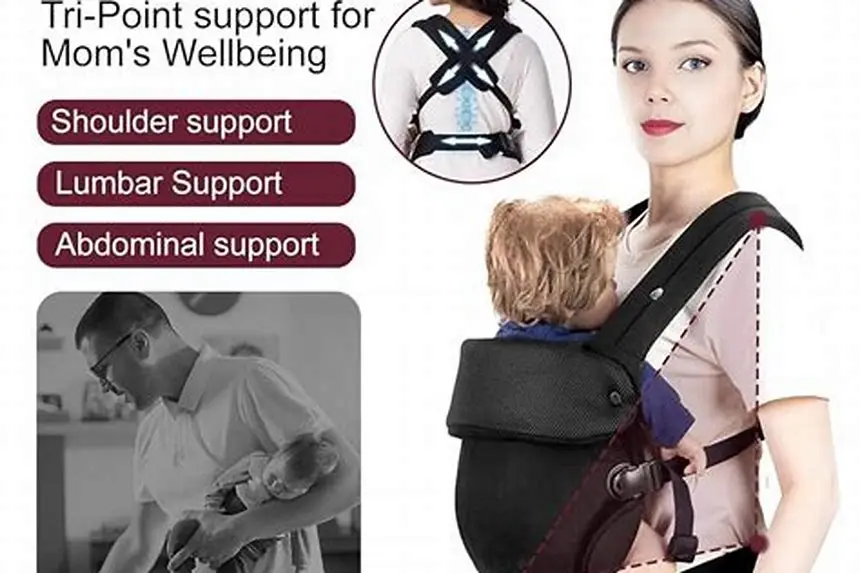
A good portable adjustable lumbar support must fit your baby carrier’s type and your body. Measure your waist and carrier width. Choose supports that adjust at least 5-8 inches and have padding around 0.5-1 inch thick for comfort.
On this page (8 sections)
- The short version
- What makes lumbar support portable and adjustable for baby carriers
- Which baby carrier types are compatible with lumbar supports
- How to measure and fit lumbar support to your carrier and body
- Common comfort issues lumbar supports solve in baby carriers
- Safety and age/weight limits related to lumbar support use
- Which portable adjustable lumbar support fits your baby carrier type best
- Questions people still ask
Part of our guide on light hiking with baby choices
Find the best portable adjustable lumbar support that fits your baby carrier type and eases your back strain effectively.
None of the listings publish strap adjustability range or strap length to measure against the 5 inches requirement.
Parents using rigid frame carriers
Users needing support for very large waist sizes over 40 inches
Families with newborns requiring carriers with strict safety harnesses incompatible with additional support
| Adjustability range | 5-8 inches |
|---|---|
| Padding thickness | 0.5-1 inch |
| Weight limits | Carrier-specific |
| Compatible carrier types | Soft structured, wrap, meh dai |
The short version
- Measure both your waist and carrier width before choosing support.
- Supports with 5-8 inches of adjustability fit most carriers.
- Choose supports with 0.5-1 inch padding for effective comfort.
- Not all carrier types accept external lumbar supports; check compatibility.
- Observe weight limits to ensure safe support use for baby and parent.
What makes lumbar support portable and adjustable for baby carriers
Portable lumbar supports weigh between 0.5 and 1.5 pounds and must be easy to attach or detach from baby carriers. Adjustability means the support’s belt or strap can lengthen or shorten by at least 5 to 8 inches to fit different body sizes and carrier widths.
Materials usually include lightweight foam or gel padding covered by breathable fabric. This allows carrying the support comfortably for hours without overheating or bulk.
The support’s adjustability depends on the strap mechanism: buckles, Velcro, or sliding clips. The range should cover a waist circumference from about 25 to 40 inches, adapting to both parent and baby carrier sizes.
Portable lumbar supports often include ergonomic designs to fit different body shapes. Some models feature contoured pads that follow the natural curve of the lower back. This design improves contact and evenly distributes pressure, reducing hotspots that cause discomfort. It helps to understand age and weight safety info before going further.
Some supports incorporate removable or adjustable padding layers. This lets you customize firmness and thickness depending on your comfort level and clothing. For example, removing a layer can reduce bulk under tight carrier waistbands while keeping support effective.
The attachment system’s durability matters. High-quality buckles resist snapping, and Velcro wears well after repeated use. Check for models with reinforced stitching and weather-resistant materials if you plan outdoor use, ensuring long-term reliability.
- Weight range: 0.5-1.5 pounds for easy portability.
- Adjustability: 5-8 inches strap length variation.
- Padding: 0.5-1 inch thick for pressure relief.
- Attachment: quick-release buckles or Velcro for fast setup.
- Lightweight and easy to carry
- Fits multiple body sizes
- Breathable materials reduce sweat
- Adjustments may loosen with movement
- Some models bulkier than others
Which baby carrier types are compatible with lumbar supports
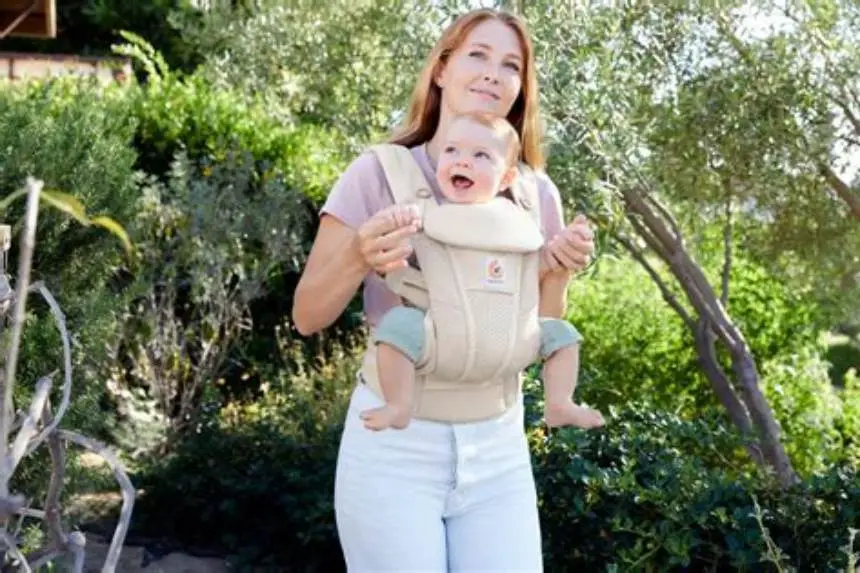
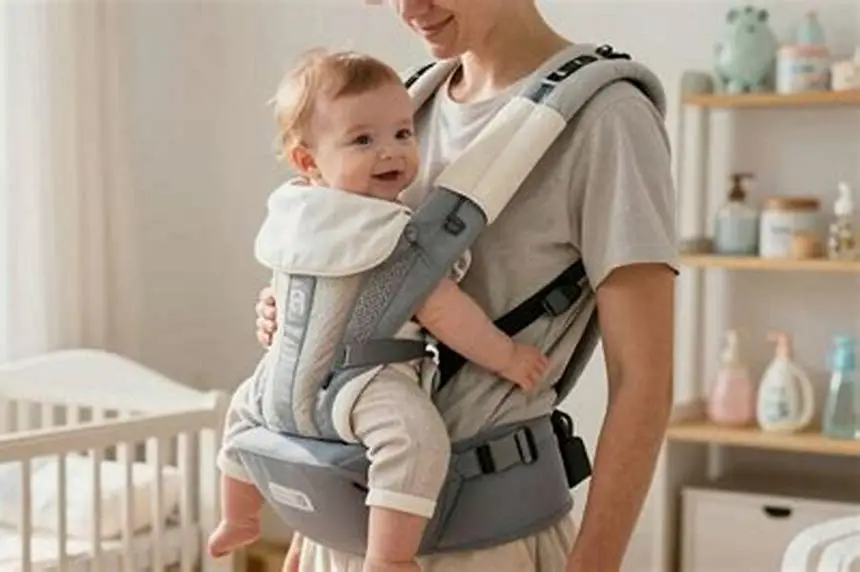
Soft structured carriers (SSCs) are most compatible with portable lumbar supports. Their wide waistbands allow stable attachment with buckles or Velcro. Supports can enhance comfort by reducing lower back strain during long carries. If that sounds like your situation, read up on finding ergonomic baby carriers next.
Wrap carriers and meh dai styles vary in compatibility. Wraps have flexible fabric but no fixed waistband, making lumbar support less stable and sometimes ineffective. Meh dai carriers with structured waistbands can usually use lumbar supports but check width and attachment points.
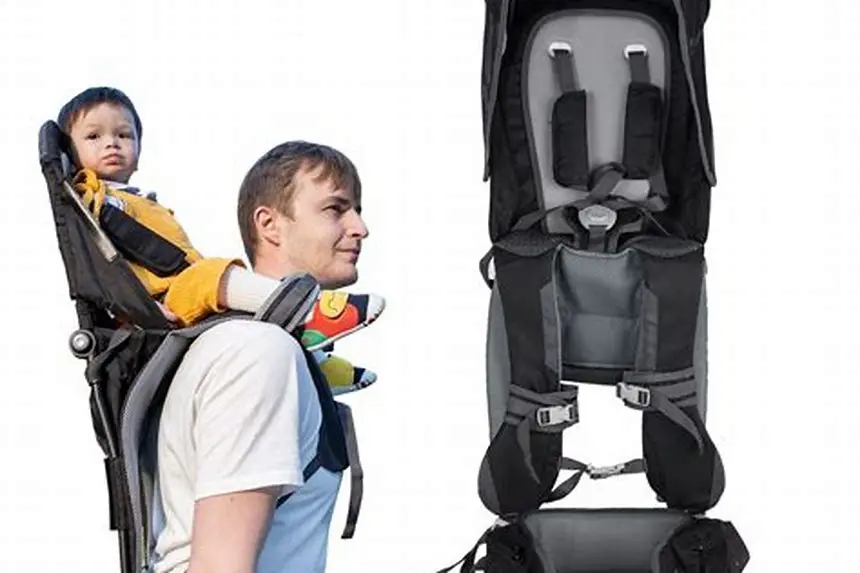
Frame carriers do not typically work well with portable lumbar supports. Their rigid frames and harness systems often block support placement or make adjustment difficult.
Certain hybrid baby carriers combine features of soft structured and wrap styles. These may accept lumbar supports if they include a semi-rigid waistband. Measure the waistband’s firmness before choosing a support to ensure stability.
Carriers with narrow or elastic waistbands provide less surface area for lumbar supports to attach. In these cases, supports with wider, adjustable straps and flexible padding perform better. The support should not slide or bunch during movement.
If your carrier has additional accessories like pockets or hip belts, these can interfere with lumbar support placement. Test fit before buying to avoid obstruction or discomfort. Some supports come with modular attachments to work around accessories.
For soft structured carriers, lumbar supports should attach securely without causing the waistband to loosen. If the waistband is adjustable, the support must allow room for tightening after adding it. Supports with wider straps, around 2 to 3 inches, offer more stability on these carriers. Narrow straps risk slipping or digging into the sides.
Wrap carriers vary widely in fabric thickness and wrapping style. Some parents use lumbar supports over the wrap, while others place them underneath for better stability. When worn over the wrap, supports should have non-slip surfaces to prevent sliding. This approach may limit adjustability but can improve comfort for longer carries.
Frame carriers often have rigid hip belts that contour to the body. Portable supports designed for soft carriers may not fit or align properly. Certain lumbar supports designed with curved or segmented padding fit better on frame carriers, but these are less common and should be tested before purchase. Avoid using generic models that can bunch or create pressure points.
- Soft structured carriers: highly compatible.
- Wrap carriers: limited compatibility, unstable support fit.
- Meh dai carriers: mostly compatible depending on waistband.
- Frame carriers: usually incompatible with external lumbar supports.
- SSCs provide stable attachment
- Supports improve long carry comfort
- Wraps lack fixed support points
- Frame carriers obstruct support placement
How to measure and fit lumbar support to your carrier and body
Start by measuring your waist circumference where the carrier’s waistband rests. Use a flexible tape measure for accuracy. Record this figure in inches or centimeters, depending on your local standards.
Next, measure your baby carrier’s waistband or belt length when buckled. This defines the maximum support adjustment needed. Supports must stretch comfortably beyond this length to allow for clothing layers or adjustments.
Fit the lumbar support so its padded section aligns with your lower back curve, typically the lumbar region from L3 to L5 vertebrae. Adjust straps to secure snugly without restricting breathing or circulation.
Check that the support does not interfere with baby positioning or carrier safety features. You should still be able to tighten or loosen the carrier’s straps without obstruction.
If your baby carrier has a thick padded waistband, add 1 to 2 inches to your waist measurement to allow for padding thickness when choosing lumbar support size. This avoids the support being too tight or shifting during wear.
Try fitting the lumbar support with your typical clothing layers, such as a shirt or light jacket. This helps ensure the adjustable straps accommodate different clothing thicknesses without compromising fit or comfort.
After attaching the lumbar support, perform some movements like bending, twisting, and walking. The support should stay securely in place and not restrict your range of motion. If it shifts or feels loose, readjust straps or try a different model.
When measuring, also consider the clothing thickness you commonly wear with the carrier. For example, adding a bulky winter coat may require an extra 2 to 3 inches of strap length on the lumbar support. Test the support’s maximum length against your fully dressed size to prevent tightness.
Try sitting down and standing up with the lumbar support attached. This checks if the support maintains position during movement and does not cause discomfort when bending. Some supports have flexible pads that adapt to motion better, reducing the chance of shifting.
A practical fit check is to use a mirror or ask for help to confirm the support sits on the lumbar spine area. You can feel the L3 to L5 vertebrae by locating the lowest ribs and moving your hand down the spine. Proper alignment is crucial for maximum benefit and to avoid strain.
- Measure your waist circumference at carrier waistband height.
- Measure your baby carrier’s buckled waistband length.
- Choose a lumbar support with strap length adjustable beyond measured sizes.
- Attach support centered on your lower back (L3-L5 region).
- Adjust straps to secure comfortably without restricting movement.
- Ensure carrier adjustments remain accessible and baby’s position unaffected.
Common comfort issues lumbar supports solve in baby carriers
Lower back fatigue and muscle strain is the most frequent complaint from parents using baby carriers for extended periods. Lumbar supports redistribute weight evenly across the lower back and hips.
Supports cushion pressure points on the spine and reduce inward lumbar curve collapse. This helps maintain natural posture and reduces discomfort during long carries.
Some parents experience waistband digging into the abdomen or uneven strap tension. Adjustable lumbar supports can ease waistband pressure and prevent chafing.
Improved comfort increases usage time and reduces need for breaks, beneficial for parents who carry babies daily or for long outings.
Lumbar supports can help reduce fatigue in the abdominal muscles, which also engage during babywearing. By supporting the lower back, these supports allow the core muscles to relax, decreasing overall strain.
Some users report reduced hip and pelvic discomfort with lumbar supports. The support helps transfer the baby's weight from the lower back to the hips, balancing the load more evenly and preventing soreness.
If you experience numbness or tingling in your legs during babywearing, this may indicate nerve compression. A lumbar support with proper padding and adjustment can relieve pressure on spinal nerves and improve circulation.
Lumbar supports can reduce the common issue of waistband slippage in soft structured carriers. When the waistband loosens during movement, it causes uneven weight distribution. A well-fitted lumbar support stabilizes the waistband, keeping the carrier secure and reducing the need for constant readjustment.
Some parents experience hip soreness after extended carrying. Lumbar supports help transfer more weight to the hips rather than the lower back, balancing pressure. This redistribution can prevent soreness that otherwise develops from prolonged standing or walking with a baby.
In cases where parents have pre-existing lower back conditions, lumbar supports may provide relief but should be chosen carefully. Those with herniated discs or sciatica should consult a healthcare provider before use. Properly fitted supports with firm but gentle padding can ease discomfort, while overly tight or poorly positioned supports might worsen symptoms.
- Reduces lower back muscle fatigue and strain.
- Improves posture by supporting lumbar curve.
- Eases waistband pressure and prevents chafing.
- Allows longer, more comfortable carry durations.
Safety and age/weight limits related to lumbar support use
Lumbar supports are intended only as an accessory to improve comfort and should never replace carrier safety features. Always follow manufacturer age and weight limits for your baby carrier first.
Supports generally do not have specific weight limits but must fit securely without interfering with buckles, straps, or baby positioning. Parents should re-check carrier fit after adding support.
Safety concerns include potential slipping of the support if loosely attached, and improper positioning causing strain or pressure in unintended areas.
Avoid using lumbar supports if your baby carrier is near or exceeds its weight limits. The combined effect of support and baby weight may unbalance the carrier.
Parents carrying newborns should verify that lumbar supports do not alter the carrier’s baby support position. Improper positioning risks hip dysplasia or airway obstruction, especially in young infants.
If your baby weighs near the upper limit of the carrier, adding lumbar support may increase pressure on the carrier’s waistband. Ensure the carrier remains stable and does not tilt forward, which could compromise safety.
Monitor the lumbar support for wear and tear regularly. Worn straps or padding can reduce effectiveness and security, increasing the risk of slippage or injury during use. Replace supports when signs of damage appear.
- Follow carrier’s age and weight limits strictly.
- Use lumbar support only as a comfort accessory.
- Check secure fastening to prevent slipping.
- Do not use support if carrier is overloaded.
Which portable adjustable lumbar support fits your baby carrier type best
For soft structured carriers, look for lumbar supports with a wide adjustable strap covering 28 to 40 inches waist circumference. The support’s pad should be about 1 inch thick and at least 6 inches wide to spread pressure evenly.
Meh dai carriers need supports with moderate strap width and adjustability around 25 to 35 inches. The pad can be slightly thinner, about 0.5 to 0.75 inches, to avoid bulk under the fabric.
Wrap carrier users may benefit less from external lumbar supports due to their flexible fabric design. If used, choose the thinnest and most flexible supports with adjustable lengths from 24 to 36 inches.
Avoid bulky models on frame carriers as they interfere with harnesses and cause discomfort.
Choosing a support with breathable mesh or moisture-wicking fabric improves comfort in hot climates.
Look for quick-release buckles or Velcro for easy removal when needed.
Brands offer lumbar supports with adjustable strap lengths ranging from 24 to 42 inches, covering most adult waist sizes. Some models feature elasticized straps for a snug but flexible fit that accommodates movement.
Choose supports with breathable mesh fabric if you use your carrier in hot or humid conditions. This prevents excessive sweating and discomfort during extended wear.
Consider lumbar supports with quick-release mechanisms if you frequently need to remove the support quickly, such as when transitioning between carrying and placing the baby down. Quick-release buckles save time and hassle.
| Carrier Type | Adjustability Range (inches) | Pad Thickness (inch) | Recommended Features |
|---|---|---|---|
| Soft Structured Carrier | 28-40 | 1.0 | Wide strap, breathable fabric, quick-release |
| Meh Dai Carrier | 25-35 | 0.5-0.75 | Moderate strap width, slim pad |
| Wrap Carrier | 24-36 | 0.3-0.5 | Flexible, thin pad, minimal bulk |
| Frame Carrier | N/A | N/A | Not recommended with lumbar support |
Questions people still ask
Can I use any lumbar support on all baby carriers?
No. Soft structured carriers suit most lumbar supports. Wrap and frame carriers often do not work well with external supports due to design and stability issues.
How do I know if my lumbar support is fitted correctly?
It should sit on your lower back from L3 to L5 vertebrae, feel snug but not tight, and not interfere with baby positioning or carrier adjustments.
Are portable lumbar supports safe for newborns?
Supports help parent comfort only and do not affect baby safety directly. Always follow carrier age and weight limits to ensure safe use with newborns.
How often should I adjust my lumbar support?
Adjust straps when you notice discomfort or after changing layers of clothing. Also, check fit if baby size or carrier changes significantly.
Can lumbar support reduce lower back pain during babywearing?
Yes, supports redistribute weight and improve posture, which can reduce muscle fatigue and discomfort during extended carrying sessions.