Which baby carrier fits newborn twins and plus size parents safely
The best baby carrier for twins holds both babies within each carrier’s weight limits, fits the parent's body size comfortably, and suits the twins’ age from newborn to toddler. Look for carriers rated for at least 35 pounds each, adjustable straps, and proper support.
On this page (8 sections)
- What matters most
- Can a carrier hold twins from newborn to toddler age
- How parent body size affects fit for twin baby carriers
- Differences between double and tandem twin carriers
- Weight limits and safety considerations for twin baby carriers
- Which baby carrier fits newborn twins and plus size parents safely
- How to use and adjust twin carriers for comfort and safety
- Questions people still ask
Part of our guide on beco carriers butterfly vs gemini
The numbers
- Typical baby weight limit
- 35-40 pounds
- Twin carrier types
- Double and tandem
- Newborn support
- Head and hip support required
- Parent size fit
- Adjustable straps essential
- Carrier weight
- Usually 1.5-3.5 pounds
What matters most
- Twin carriers must support combined baby weight safely, usually 30-40 pounds each baby max.
- Parent body size affects comfort; look for carriers with adjustable straps and wide support bands.
- Double carriers can carry twins together; tandem carriers hold one in front and one on back.
- Newborn twins need carriers with head, neck, and hip support compliant with safety standards.
- Check weight and age limits for each carrier and how they shift with twins' growth.
Can a carrier hold twins from newborn to toddler age

Most carriers designed for twins have stated weight limits per baby, usually around 35 to 40 pounds each, depending on the model and manufacturer. This limit means some carriers can safely carry twins from newborn size, around 7 pounds each, up to toddler stages when babies weigh near 35 pounds.
To carry newborn twins safely, the carrier must provide firm head and neck support and maintain a spread-squat position recommended for infant hip health. Many carriers include adjustable inserts or special newborn inserts to ensure this support.
When twins grow beyond newborn age, parents can switch to carriers without inserts but must ensure the weight limits and safety harnesses can handle toddler-sized babies. Some carriers become uncomfortable or unsafe before twins reach toddler weight, so always check the specific carrier’s limits.
Some carriers specify age ranges instead of weight limits, which can be misleading because twins develop at different rates. For example, a carrier may recommend use from newborn to 24 months, but if one twin weighs 38 pounds at 18 months and the other 28 pounds, the heavier twin may exceed the carrier's weight limit before the younger twin outgrows it. Checking both weight and developmental milestones ensures continued safety. There is more on best baby carrier for plus size moms in a separate guide.
A worked example: if each twin weighs 12 pounds at 3 months, and the carrier supports 35 pounds each, the parent has about 23 pounds of growth margin per baby. When one twin reaches 35 pounds at 18 months, switching to a toddler-specific carrier or using two separate carriers is safer. Parents should monitor babies’ weight regularly and assess carrier fit accordingly.
How parent body size affects fit for twin baby carriers
Parent body size strongly influences which twin carrier fits well. Larger parents often need wider waistbands, longer shoulder straps, and stronger buckles to distribute weight without discomfort or strain. Plus-size parents may find some carriers designed for standard sizes either too tight or uncomfortable.
Carriers with adjustable straps that extend beyond 60 inches in length and waistbands that fit up to 50 inches or more in circumference are preferable for plus-size parents. Soft, padded straps also reduce pressure on the shoulders and back. There is more on light day-hiking with newborn-- baby carrier or offroad stroller in a separate guide.
It’s important to test carriers if possible or buy from retailers with generous return policies because size standards vary among brands. A carrier that fits a 5-foot 2-inch mother may not fit a 6-foot father or someone with a larger frame.
Plus-size parents should also consider torso length, not just waist and chest circumference. For example, a plus-size parent with a longer torso may find some carriers’ straps insufficiently long, causing poor weight distribution and discomfort. Measuring shoulder to waist length helps select carriers with appropriate strap adjustment ranges, often between 20 and 30 inches.
In addition to size, parent fitness and strength affect comfort with twin carriers. Carrying two babies can easily double the load, so carriers with additional lumbar support or padded back panels can reduce fatigue. Some models include detachable lumbar belts or reinforced stitching for durability, which is crucial for heavier parents to maintain safety and comfort. The other half of this decision is safe baby carrier usage.
Differences between double and tandem twin carriers
Double twin carriers are designed to hold two babies side-by-side or front-and-front, allowing equal weight distribution across the parent's torso. These carriers often have two separate seating areas with independent adjustments and supports.
Tandem carriers position one baby in front and the other on the back. This layout can help with weight distribution and visibility but may affect mobility and convenience. Tandem carriers sometimes require more skill to put on safely and securely.
Choice between double and tandem depends on parent preference, comfort, and intended use. Double carriers may feel bulkier but are easier to manage for some. Tandem carriers free up one side of the body but need strong back support and secure harnesses. It helps to understand ergonomic carriers for back pain before going further.
| Feature | Double Carrier | Tandem Carrier |
|---|---|---|
| Baby position | Side-by-side or front-front | One front, one back |
| Weight distribution | Even across front | Split front/back |
| Ease of use | Generally simpler | More skill needed |
| Bulkiness | Bulkier front load | Less bulky front |
| Visibility of babies | Both in front of parent | One visible, one on back |
- Even weight distribution
- Easier to put on
- Good for simultaneous baby soothing
- Bulkier and wider
- Can restrict parent movement
- Limited back ventilation
Weight limits and safety considerations for twin baby carriers
Every twin carrier has a maximum weight limit per baby and a combined weight limit. These typically range from 30 to 40 pounds per baby, though some heavy-duty carriers support beyond 45 pounds each. Exceeding these limits risks strain on buckles and fabric failures.
Safety standards require that carriers maintain babies in ergonomic positions to prevent hip dysplasia and to support head, neck, and spine development. Look for carriers certified to meet ASTM or JPMA safety standards.
Parents must inspect carriers regularly for frayed fabric, weakened buckles, and proper strap tension. Carriers should offer adjustable and secure harnesses for each baby independently, especially for twins who differ in size or age.
Which baby carrier fits newborn twins and plus size parents safely
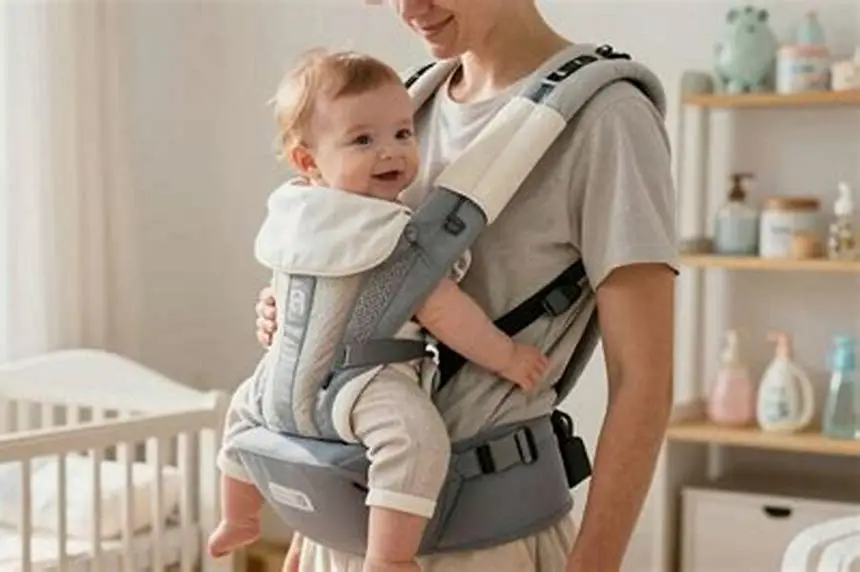
To pick the best baby carrier for newborn twins and plus size parents, prioritize carriers that: support at least 35 pounds per baby, have adjustable straps and waistbands suited for larger frames, and include newborn inserts or ergonomic designs for infant support.
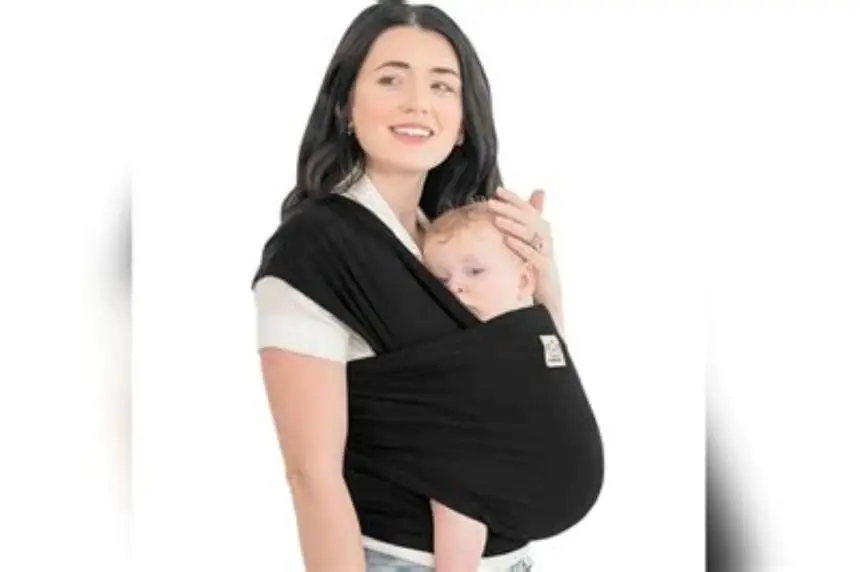
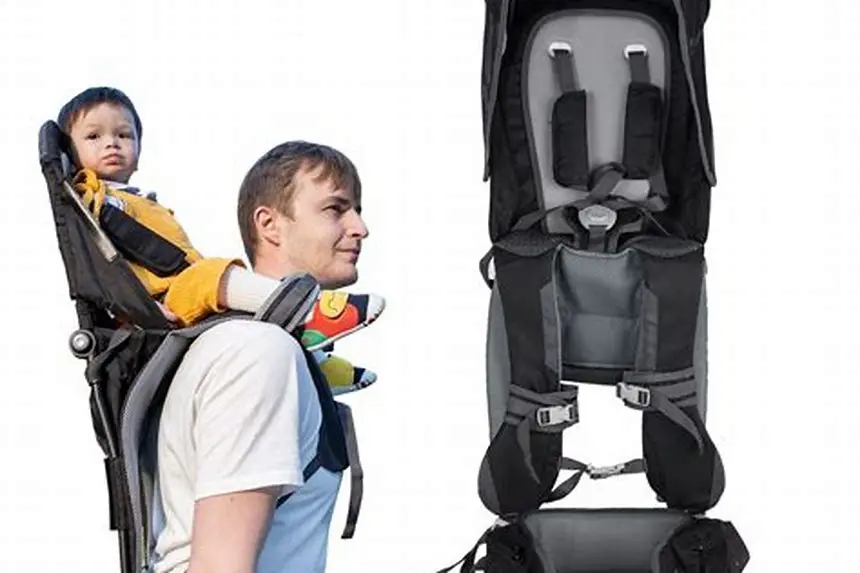
Carriers like double soft-structured carriers with wide waistbands and padded straps offer the best compromise of safety, comfort, and usability. Avoid stretchy wraps for twins beyond newborn stage or rigid backpacks unless they clearly specify weight and adjustability fit for plus size parents.
Test carriers with your babies if possible or rely on detailed sizing charts and weight limits. Choose brands known for robust fabrics and strong buckles to handle combined twin weight safely. This approach ensures both babies are secure and parents remain comfortable on long carries.
Specific carrier models, such as the 'TwinGo' or 'Lillebaby Double', are designed with plus-size parents in mind, offering waistbands that adjust up to 55 inches and padded, wide straps to distribute weight evenly. Their newborn inserts maintain ergonomic hip positioning and head support for babies as light as 7 pounds.
Parents should also consider carriers with modular designs that allow carrying one baby while the other is in a stroller, providing versatility. This flexibility can reduce strain on plus-size parents and accommodate different scenarios, such as short errands or longer outings.
A safety check involves placing both twins in the carrier and observing their posture and breathing. If the babies’ airways are clear and the parent feels balanced without excessive shoulder or back strain, the carrier fits safely. Adjustments should be made if the parent leans forward or the babies slump, indicating a need for better support or a different carrier.
How to use and adjust twin carriers for comfort and safety
Using a twin carrier safely involves a few key steps. First, adjust each baby’s seating area to provide proper support, ensuring hips are spread in a squat position and heads are well supported.
Second, adjust the parent’s shoulder straps and waistband to distribute weight evenly and prevent strain. Waistbands below the belly, ideally on hips, transfer most weight and reduce back pain.
Third, check all buckles and fasteners for secure clicks, and do a pre-use inspection every time. Practice putting on the carrier and placing babies inside before leaving home to avoid fumbling.
Never exceed the carrier’s stated weight limits and watch for baby discomfort or slipping.
- Adjust newborn inserts or seats to fit each baby snugly.
- Loosen or tighten shoulder straps to fit your frame comfortably.
- Secure waistbands firmly on hips for weight transfer.
- Check all buckles, harnesses, and fabric integrity.
- Place babies carefully, supporting heads during placement.
Questions people still ask
Can I use a regular single baby carrier for twins?
No, regular single carriers cannot safely hold two babies simultaneously. Twins require carriers specifically designed to support combined weight and provide two secure seats.
Are wrap-style carriers safe for twin newborns?
Wraps can be safe if they have proper newborn inserts and are tied securely, but they usually lack weight support and convenience for toddlers or heavier twins.
How do I know if a carrier fits my larger body size?
Measure your waist and chest circumference and compare with the carrier’s adjustable strap and waistband range. Trying on carriers or buying where returns are allowed is ideal.
When should I stop using a twin carrier?
Stop if combined baby weight exceeds the carrier’s limit or if the carrier no longer supports safe baby positioning. Usually this is around 35-40 pounds per baby.
Are there special safety standards for twin carriers?
Yes, twin carriers should meet ASTM or JPMA standards for infant carriers, ensuring ergonomic support and safety harnesses for each child.