Which baby carriers fit plus size moms and how to check your size
The best baby carrier for plus size moms must have a waist or belt circumference of at least 40-50 inches and support a baby weight range covering at least 7-45 pounds, depending on the model. Measure yourself and check carriers’ max belt size and weight limits before buying.
On this page (8 sections)
- What matters most
- How to measure yourself for baby carrier fit
- Weight and size limits to watch for
- Features that help plus size comfort and support
- Which carriers typically fit larger bodies well
- How to check if a carrier will fit plus size moms before buying
- Best baby carrier for plus size moms and how to check your size
- Questions people still ask
Part of our guide on beco butterfly vs beco gemini
The numbers
- Typical max waist
- 40-50 inches
- Typical max baby weight
- 45 pounds
- Common baby carrier types
- structured, wrap, ring sling
- Ideal strap width
- 2-4 inches
- Support feature
- padded waist belt
What matters most
- Measure waist and torso to match carrier sizing before purchase.
- Check weight limits; many carriers support babies up to 45 pounds.
- Look for carriers with wide, padded belts and adjustable straps for comfort.
- Certain structured carriers and wraps accommodate plus size bodies better.
- Proper fit improves comfort and safety for both parent and baby.
How to measure yourself for baby carrier fit
Measure your waist circumference at the level where a carrier’s belt will sit, usually around the natural waist or just above the hips. For plus size moms, this number often falls between 40 and 50 inches, but can be larger. Use a flexible tape measure snug but not tight.
Also measure your torso length from the base of your neck to your waistline. This helps in picking carriers that support baby comfortably without pressing awkwardly on your body.
If you plan to wear your baby on your back or hip, consider measuring hip circumference as well, especially if the carrier’s waistband or seat must fit there.
Having these three measurements allows you to compare with brand sizing charts directly. Do not guess or assume a ‘one size fits all’ carrier will fit a plus size body well. We go through best ergonomic baby carriers step by step elsewhere on the site.
When measuring your torso length, note that some carriers specify torso measurements differently, such as from the shoulder base to the waistline or from the neck base to the top of the waistband. Clarify these details from the product’s sizing guide to ensure accuracy. If you plan to use the carrier for extended periods, consider measuring your upper chest circumference; some carriers have straps that cross or sit higher, which could affect comfort for plus size bodies.
For hip measurements, focus on the widest part of your hips or where the carrier’s waistband might rest if wearing the baby on your back or side. This can sometimes be 2 to 4 inches larger than the waist measurement, which affects how the carrier fits and feels when weight is distributed there. For example, if your waist measures 45 inches, your hip circumference might be 48 to 50 inches, which may determine whether a particular carrier will fit properly in different carrying positions.
Weight and size limits to watch for
Carriers list both minimum and maximum baby weight limits and maximum belt or waistband sizes. Typical max baby weight supported is 35 to 45 pounds. Choose carriers that exceed your baby's projected weight to avoid outgrowing the carrier early. We go through safe twin baby carriers step by step elsewhere on the site.
For plus size parents, max belt circumference is often the bigger limit. Some carriers fit up to 40 inches, others over 50 inches. Models with separate belt extensions or adjustable buckles allow more flexibility.
Ignoring these limits risks unsafe carrying positions, discomfort, or damage to the carrier’s structure. It also voids safety certifications.
Weight limits depend on the carrier style: wraps often support newborns to toddlers but require correct wrapping skills; structured carriers rely on rigid frames and padded belts for heavier babies. The other half of this decision is carrier designs for hot weather.
While weight limits are crucial, be aware that some carriers have different limits for front carry versus back carry positions. For instance, a carrier might support up to 45 pounds on the front but only 35 pounds on the back. This difference matters if you plan to carry your baby on your back as your child grows.
Also, some carriers list maximum waist sizes in ranges rather than fixed numbers, for example, 38 to 52 inches. This variability can help plus size moms find a better fit, but always confirm the maximum adjustment capability, especially if you are at the upper end of the range. Using a belt extender can add about 5 to 10 inches but only if the carrier is designed to accommodate one.
Features that help plus size comfort and support
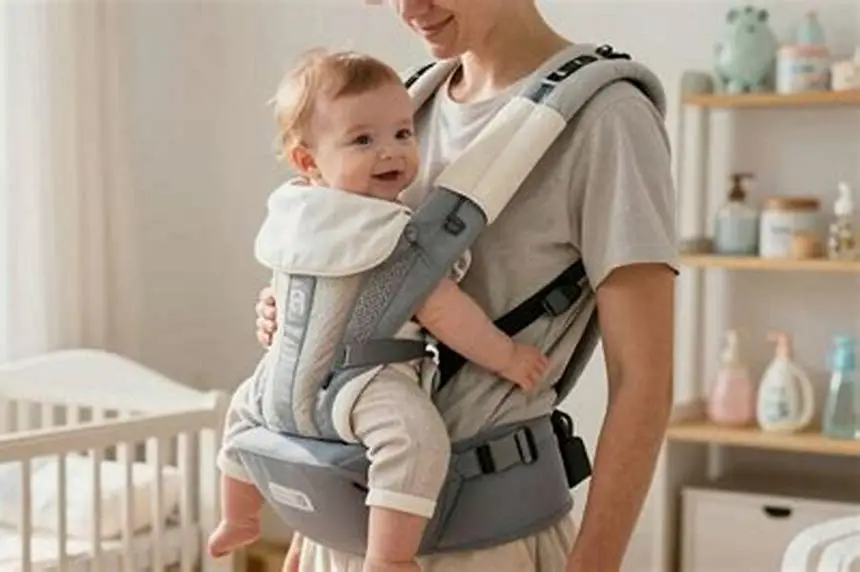
Wide, padded waist belts distribute baby’s weight over hips and lower back, preventing pressure points. Look for belts at least 3 to 4 inches wide with thick but firm padding.
Adjustable, lengthened shoulder straps accommodate broader shoulders and torsos, while padded straps reduce digging in. Straps with multiple adjustment points improve fit customization.
A structured, contoured seat supports baby’s hips and spine and keeps baby close to your body, reducing strain.
Breathable, stretchy fabrics and mesh panels improve comfort in warm climates or long wear times. Avoid carriers with stiff fabrics that won't accommodate body curves.
Some carriers include belt extenders or come in plus size models explicitly designed with larger fits.
Some carriers include lumbar support panels or detachable lumbar pads that can improve plus size moms’ comfort by providing extra lower back support, especially for prolonged wear sessions with heavier babies. These features help reduce fatigue and back pain.
In addition to wide belts, carriers with crossable or X-shaped shoulder straps distribute weight evenly across the back and shoulders, which benefits plus size moms by reducing strain and allowing more adjustment freedom. These straps often have multiple adjustment points, some ranging from 20 to 40 inches in length, accommodating several torso lengths and widths.
Which carriers typically fit larger bodies well
Structured carriers with wide, padded waist belts and adjustable buckles like some ergonomic models can fit waists over 45 inches. Brands with plus size or extended waist options are preferred.
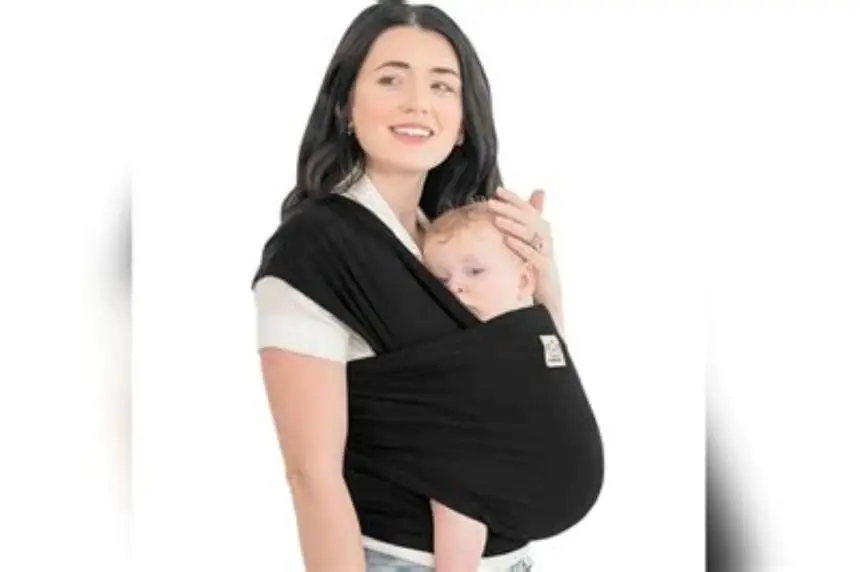
Wrap-style carriers made of stretchy fabric accommodate a broad range of body sizes but need skill to tie correctly for comfort and safety.
Ring slings adjust to fit many sizes but may concentrate weight on one shoulder and require proper fabric width to avoid discomfort.
Soft-structured carriers with belt extenders increase waist size capability by 5 to 10 inches, extending fit beyond standard sizes.
Avoid carriers with fixed-size belts or short straps that cannot accommodate wider circumferences. Checking specific size charts is essential.
Some popular ergonomic carriers known to fit larger bodies well include those with adjustable buckles and extendable belts, such as models from brands like Tula and Lillebaby, which offer waist sizes up to approximately 55 inches with extensions.
Wrap carriers made from blend fabrics with 5% to 10% elastane provide stretchiness that accommodates larger bodies comfortably. For example, a 5.2-meter (about 17 feet) wrap can be tied in several ways to adjust snugly yet comfortably for body sizes with waist circumferences from 35 to over 50 inches.
| Carrier Type | Max Waist Size | Baby Weight Range | Adjustability | Comfort Features |
|---|---|---|---|---|
| Structured with extender | 45-55 inches | 7-45 lbs | High | Wide padded belts, adjustable straps |
| Wrap-style | Unlimited (stretch) | Newborn to toddler | High | Stretchy fabric, full torso coverage |
| Ring sling | Variable | Newborn to toddler | High | Adjustable ring, fabric dependent |
| Standard structured | 35-40 inches | 7-35 lbs | Moderate | Padded straps, fixed belt size |
- Fits wider range of sizes
- Good baby support
- Highly adjustable
- Wraps require skill
- Ring slings may cause shoulder strain
- Some structured carriers lack extended sizes
How to check if a carrier will fit plus size moms before buying
Use your waist and torso measurements to compare against the carrier’s published size chart. Check both minimum and maximum belt lengths.
If possible, try the carrier on with a weighted substitute matching your baby’s size to feel the fit and support.
Measure the length of shoulder straps and test the adjustability range. Confirm the padded belt can close comfortably around your waist at both tight and loose settings.
Look for online customer reviews from plus size parents to learn about real-world fit and comfort issues.
Buying from retailers with easy return policies helps if the carrier does not fit as expected.
- Measure your waist circumference where the carrier belt will sit.
- Check the carrier's max belt size in the product details.
- Test shoulder straps and padding for comfort and adjustability.
- Try on with a weighted doll or similar to simulate baby weight.
- Read reviews or ask other plus size parents about fit experiences.
Best baby carrier for plus size moms and how to check your size
For plus size moms, the best baby carriers are those that support a waist circumference of at least 40 inches with adjustable belts extending beyond 50 inches preferred. Check the baby weight capacity for at least 7-45 pounds to cover newborn to toddler stages.
Measure your waist and torso carefully, then match those against each carrier’s published sizing charts.
Focus on carriers with wide, padded waist belts, adjustable shoulder straps, and breathable materials to ensure comfort and safe weight distribution.
Brands offering plus size models or belt extenders add flexibility. Wrap carriers also work well but need practice to tie.
If you are plus size and plan to wear your baby frequently, investing in a carrier that fits well is essential for your health and your baby’s safety.
Questions people still ask
Can plus size moms use any baby carrier?
Not all carriers fit plus size moms well. Check the manufacturer's maximum waist size and baby weight limits to ensure the carrier will be safe and comfortable.
Are wraps better for plus size parents than structured carriers?
Wraps accommodate many sizes due to stretchy fabric but require skill to tie for support. Structured carriers offer easier use but must have adjustable or extended waistbands to fit larger bodies.
What measurements do I need to choose the right carrier size?
Measure your waist circumference where the carrier belt will sit and your torso length. Also consider hip circumference for some carrier styles.
Is a wider waist belt always better for plus size moms?
Generally yes; wider, padded belts distribute weight better and enhance comfort by reducing pressure on any one point.
Can I use belt extenders to make a carrier fit better?
Belt extenders can add 5-10 inches to the waist size supported but must be compatible with the carrier model to maintain safety and support.