How many babygrows and which newborn clothes fit a 0-6 month baby
For a 9 lb newborn, expect to buy about 7-10 babygrows for the first month. Choose sleepsuits with snaps for easier diaper changes, and opt for organic cotton gowns without feet for comfort and flexibility.
On this page (9 sections)
- What matters most
- How many babygrows for the first month
- Babygrow vs sleepsuit for newborn hospital discharge
- Organic cotton newborn gown without feet
- Which kimono onesie fits a 9 lb newborn
- Newborn kimono onesie with mitten cuffs
- How to baby clothes for newborns 0-6 months
- Organic cotton baby hat newborn soft seam
- Questions people still ask
Part of our guide on best sleep sack for newborns
The numbers
- Babygrows first month
- 7-10 pieces
- Newborn weight fit
- 9 lb
- Sleepsuit snaps
- easier diaper changes
- Gowns without feet
- comfort and access
- Fabric preference
- organic cotton
What matters most
- 7-10 babygrows suffice for the first month, depending on laundry frequency
- Sleepsuits with snaps ease diaper changes over babygrows with feet
- Organic cotton gowns without feet fit newborns well and allow easy skin checks
- Kimono onesies with mitten cuffs suit 9 lb newborns and prevent scratching
- Prioritize softness, breathable fabric, and safe seams for newborn comfort
How many babygrows for the first month
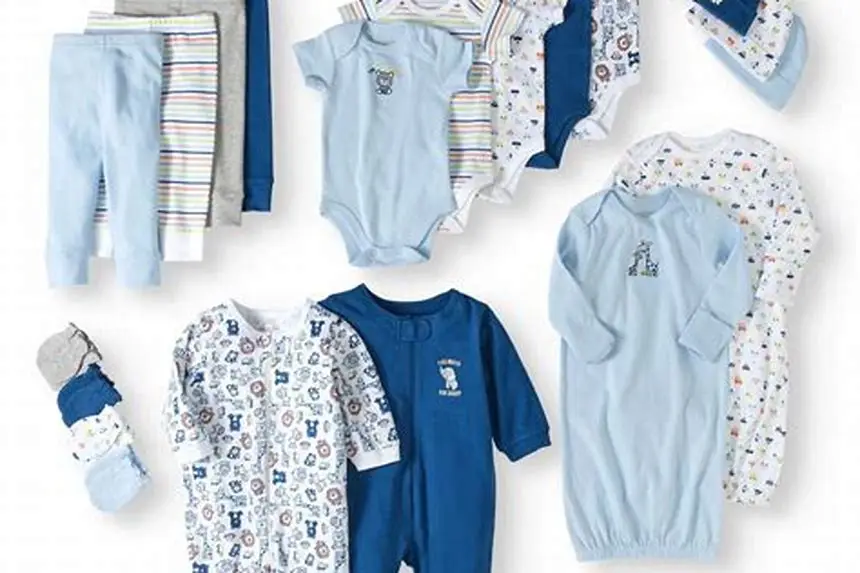
Babygrows, also known as sleepsuits, are the essential base layer for newborns weighing around 9 pounds. For the first month, you typically need between 7 and 10 babygrows. This range depends heavily on how often you do laundry and whether you expect frequent spit-ups or diaper leaks.
Newborns often require multiple changes daily. Babies this size can soil clothes 5-7 times daily. If you plan to wash clothes every 2 to 3 days, 7 babygrows are the minimum; otherwise, 10 or more ensures you always have dry clothes ready.
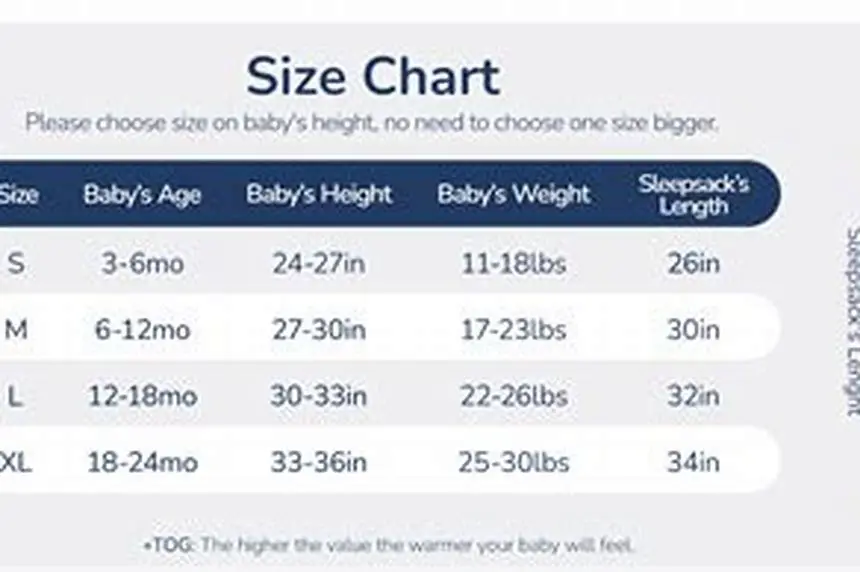
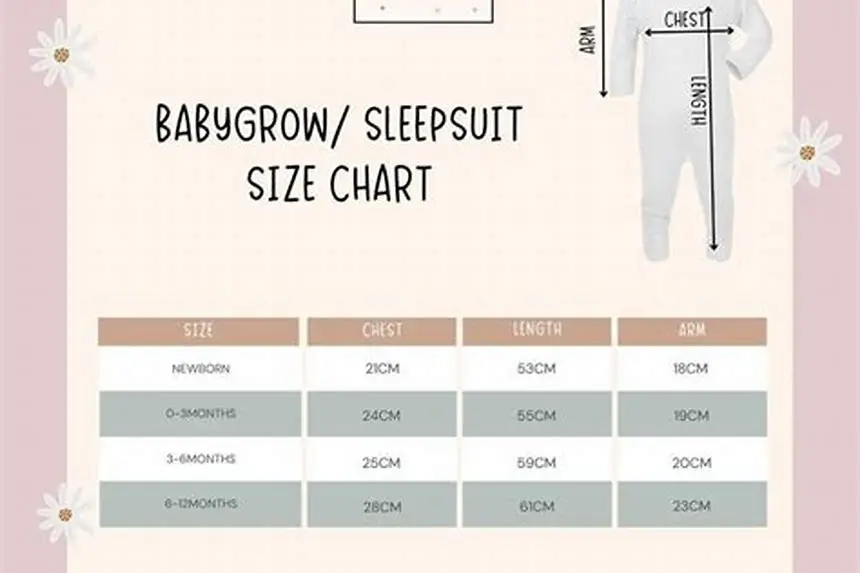
Babygrows in size 'newborn' or '0-3 months' usually fit a 9 lb baby, but the exact fit depends on brand sizing. Look for adjustable features like expandable necklines or fold-over mittens to extend the garment's useful span.
Babygrows with snap fasteners down the front and on the legs make changes faster, which is crucial during nighttime diaper changes. It helps to understand babygrow sizing for 12 months before going further.
Babygrow vs sleepsuit for newborn hospital discharge
Hospital discharge outfits for newborns weighing approximately 9 pounds prioritize ease of use and comfort. Babygrows and sleepsuits are often used interchangeably but can differ slightly.
Babygrows generally have fitted feet and closed cuffs, which keep the baby warm and reduce cold exposure. Sleepsuits sometimes come without feet, making them easier to put on and ideal if you want to layer with socks.
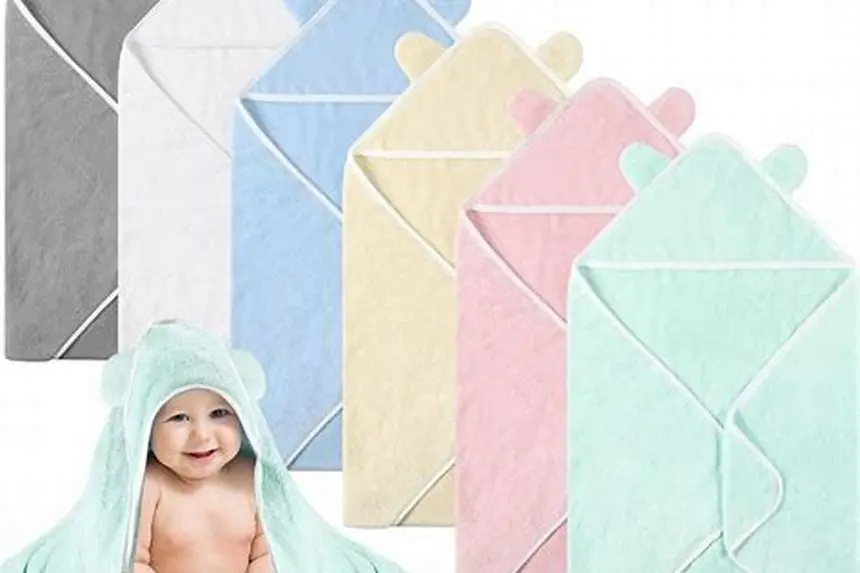
For discharge, sleepsuits with snap closures along the legs are preferred to babygrows with only top snaps because they allow quicker diaper access without removing the entire outfit. People in this spot often ask about choosing newborn hooded towels as well.
Choose a soft fabric, ideally 100% cotton or organic cotton, to reduce skin irritation during the first sensitive days after birth.
| Feature | Babygrow | Sleepsuit |
|---|---|---|
| Feet | Usually closed feet | Sometimes no feet |
| Snap placement | Front snaps only | Front and leg snaps for diaper access |
| Ease of use | Moderate | Easier for diaper changes |
| Warmth | More warm | Depends on layering |
Organic cotton newborn gown without feet
Organic cotton gowns without feet work well for newborns between 0 and 3 months, especially those around 9 pounds. They provide good breathability and softness, important for sensitive skin, and allow easier access for diaper changes by lifting the gown.
Without feet, these gowns allow room for movement and temperature regulation, which reduces overheating risks. They also enable better inspection of the baby's skin and nails without removing the entire garment. If that sounds like your situation, read up on where to buy newborn hat soft cotton next.
When selecting such gowns, look for soft seams and tagless labels, which decrease irritation. Ensure the fabric is certified organic cotton to meet strict regulations on pesticides and dyes.
Some gowns come with fold-over mittens to prevent newborn scratching. This feature is particularly useful in the first weeks.

Touched by Nature Unisex Baby Organic Cotton Gowns
No specific figure on 100% organic cotton or soft seams for size 0-3 months is published to confirm suitability.
Which kimono onesie fits a 9 lb newborn
Kimono onesies sized as 'newborn' or '0-3 months' typically fit a 9 lb baby well. These garments wrap around and fasten with snaps or ties, accommodating newborns' variable body shapes better than fixed-overhead styles. We cover picking the right weight and weave in its own article.
Because kimonos open flat, they make undressing and dressing easier without pulling clothes over the baby’s head, which can startle them. This feature is especially helpful for babies who dislike having their heads touched during dressing.
Choose kimono onesies made from breathable, soft cotton or organic cotton. Ensure the closure system is secure but gentle, to avoid pinching or pressure points.
To accommodate growth, look for styles with adjustable ties or multiple snap positions.
Newborn kimono onesie with mitten cuffs
Mitten cuffs on newborn kimono onesies prevent babies from scratching themselves with their sharp nails. This is especially valuable in the first 6 to 8 weeks when nails grow fast and babies lack motor control.
The cuffs are usually fold-over fabric additions at the ends of sleeves. They can be folded back to expose hands when needed.
Choose onesies where mitten cuffs are integrated and made of the same soft cotton fabric, ensuring comfort and no extra bulk.
Mitten cuffs also help keep the baby's hands warm, an extra comfort feature beneficial in cooler climates or air-conditioned rooms.
How to baby clothes for newborns 0-6 months
Dressing a newborn requires prioritizing softness, breathability, and ease of access for quick changes. Start with a base layer like babygrows or kimono onesies, then add layers depending on room temperature.
For a 9 lb newborn, always check for the right size label ('newborn' or '0-3 months') and adjust the fit by choosing expandable necklines or adjustable fasteners.
Avoid tight cuffs or rough seams to prevent marks or irritation. Always choose clothes that allow full range of movement and consider mittens or sleeve cuffs to avoid scratching.
Washing new clothes in a gentle, fragrance-free detergent before the first wear protects against irritants.
Plan for around 15-20 pieces total including babygrows, gowns, hats, and socks to cover growth and laundry needs through 6 months.
- Choose soft, natural fabrics like organic cotton.
- Check size labels and select adjustable or expandable designs.
- Layer clothes according to temperature; use breathable fabrics.
- Fasten snaps or ties securely but gently.
- Pre-wash all clothes with a gentle detergent.
Organic cotton baby hat newborn soft seam
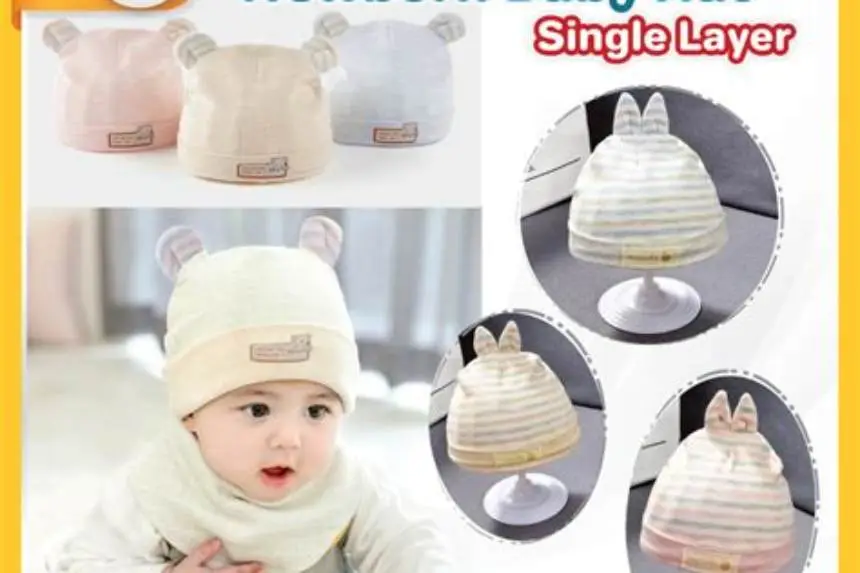
A baby hat made from organic cotton with soft, flat seams offers the main protection for a newborn’s head from heat loss and scratching.
For a 0-6 month old baby weighing about 9 lb, the hat should fit snugly but not tightly, covering ears without folding or pressing on the skin.
Soft flat seams reduce pressure points and skin irritation, which is critical for newborns with delicate scalps. The hat fabric should breathe well to avoid overheating.
Choose hats labeled as 100% organic cotton with certifications like GOTS to ensure chemical-free production. Avoid thick or synthetic blends that trap heat excessively.
A hat with a gently stretchy edge adjusts to head size while maintaining comfort.
Questions people still ask
How many babygrows do I need if I can do laundry every day?
If washing daily, 5-7 babygrows can suffice since you will have clean clothes regularly. However, having a couple of extras helps buffer unexpected messes.
Are gowns better than babygrows for newborns?
Gowns without feet allow easier diaper changing and skin checks. Babygrows with feet keep newborns warmer. The choice depends on your climate and your baby’s comfort preference.
Can kimono onesies be used as sleepwear?
Yes, kimono onesies are comfortable for sleep due to their soft fabric and adjustable fastenings. Ensure they fit snugly without restricting movement.
Is organic cotton worth the extra cost for newborn clothes?
Organic cotton reduces exposure to pesticides and harsh chemicals, which can benefit sensitive newborn skin. The trade-off is usually higher cost for better softness and safety.
Do newborn hats need to be worn indoors all the time?
Hats help keep newborns warm but aren’t always necessary indoors if the room is warm. Use them when the environment is cooler or when outside.