Which newborn soft cotton hats fit well and where to buy them
Buy soft cotton newborn hats at Target, Carter's, or Amazon. Look for 100% cotton in jersey or interlock knit with flat seams inside. Most newborns fit the 0-3 month size, but preemie hats suit babies under six pounds. Organic options are at Burt's Bees Baby and Gerber.
On this page (9 sections)
- Fit check
- What matters most
- Where to buy newborn hats made of soft cotton
- How to recognize truly soft cotton suitable for newborn skin
- Options for organic cotton newborn hats
- Sizing newborn cotton hats without guessing wrong
- When newborns actually need to wear a hat and when they don't
- Choosing first soft-soled shoes for a 6-month-old
- Questions people still ask
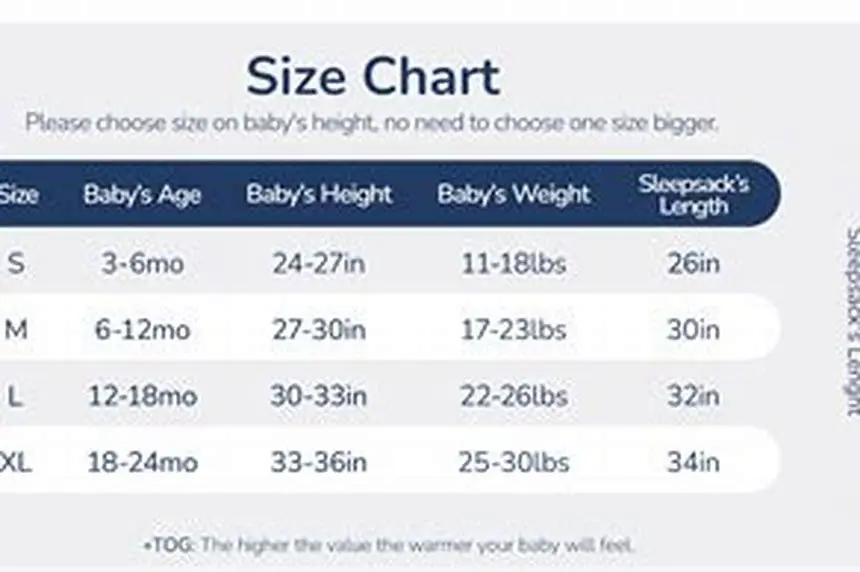
Part of our guide on which sleep sack fits 0-3 months

JANGANNSA Cotton Newborn Baby Girls Hat Spring Newborn Boys Hat
Protects newborn skin with 100% cotton double-layered fabric in 0-3 month size
Check it on Amazon
Butterblu Charlie 5-Pack Caps 100% Organic Cotton Beanie Hats
Keeps newborns cozy with 100% organic cotton in 0-6 month size
See this alternative
Butterblu Charlie 5-Pack Caps 100% Organic Cotton Beanie Hats
Provides soft organic cotton comfort for newborns up to 6 months
See this alternative| Product | Cotton knit softness (jersey or interlock) | Verdict | |
|---|---|---|---|
| JANGANNSA Cotton Newborn Baby Girls Hat Spring Newborn Boys Hat Cute JANGANNSA | 100% cotton stated in bullets, size 0-3 months, double-layered cotton fabric mentioned | Meets it | View on Amazon |
| Butterblu Charlie 5-Pack Caps 100% Organic Cotton Beanie Hats for Butterblu | 100% organic cotton stated in bullets, size 0-6 months | Meets it | View on Amazon |
| Butterblu Charlie 5-Pack Caps 100% Organic Cotton Beanie Hats for Butterblu | 100% organic cotton stated in bullets, size 0-6 months | Meets it | View on Amazon |
| Butterblu Charlie 5-Pack Caps 100% Organic Cotton Beanie Hats for Butterblu | 100% organic cotton stated in bullets, size 0-6 months | Meets it | View on Amazon |
| Durio Newborn Baby Hats 3 Pack Soft Cotton Blend Knot Caps 0-6 Months Durio | Material is cotton blend, not 100% cotton | Falls short | View on Amazon |
The numbers
- Softest cotton type
- Jersey or interlock knit
- Seam construction
- Flat or turned, never raised
- Newborn size fits
- 6-10 pounds, most births
- Preemie size for
- Under 6 pounds
- Organic certification
- GOTS label on hang tag
What matters most
- Jersey and interlock cotton knits feel softest against newborn skin, softer than woven or ribbed cotton
- Flat seams or tagless construction prevent pressure marks on a newborn's head, which is still forming its shape
- Most babies fit 0-3 month hats from birth, but preemie sizes work better under 6 pounds
- Target, Carter's, and Amazon stock everyday cotton hats; Burt's Bees Baby and Hanna Andersson carry certified organic
- A too-tight hat leaves red marks across the forehead; a too-loose one slides over the eyes within minutes
Where to buy newborn hats made of soft cotton
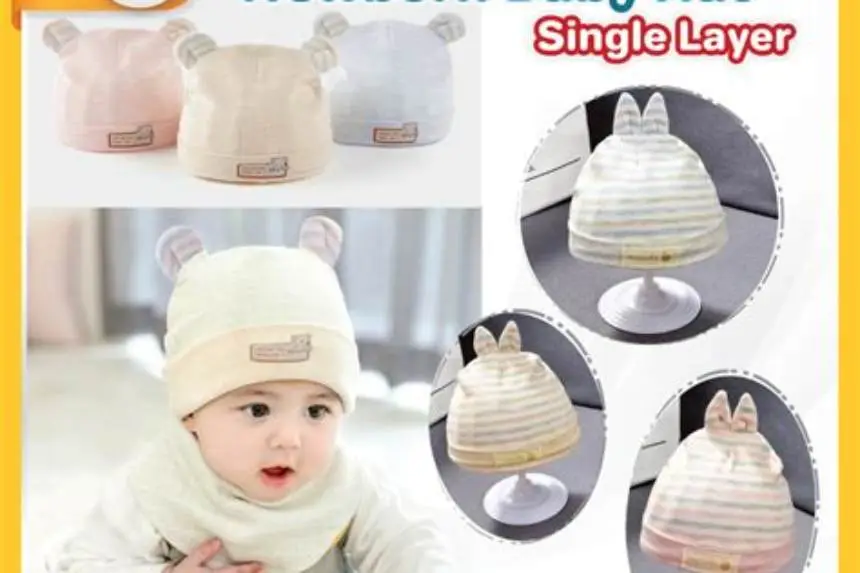
You can buy soft cotton newborn hats at Target, Carter's, Amazon, Walmart, and Old Navy right now, in-store or online. Target's Cloud Island line and Carter's Little Baby Basics both carry 100% cotton jersey hats with flat interior seams in the newborn and 0-3 month sizes. Most are priced around what you'd expect for everyday baby basics. Amazon stocks multi-packs from Gerber and Simple Joys by Carter's that ship within two days if you need them quickly.
For organic cotton options, Burt's Bees Baby and Hanna Andersson sell hats certified under the Global Organic Textile Standard (GOTS), which limits pesticides and synthetic finishes. Burt's Bees Baby hats are widely available at Target, Buy Buy Baby, and Amazon. Hanna Andersson ships directly and stocks European sizes, which run slightly smaller than US sizing. Both brands use jersey or interlock knits with flat seams.
Specialty baby boutiques and hospital gift shops also carry soft cotton hats, often from brands like Kissy Kissy or Pima Baby, which use Pima cotton: a longer-staple fiber that feels smoother than standard upland cotton. You'll pay more per hat, but the knit stays soft through dozens of washes. If you're shopping in person, turn the hat inside out and run your finger along the seam. A raised ridge means it will press into your baby's head. A flat or barely-there seam is what you want.
Most online sellers list material composition in the product bullets. Look for 100% cotton with no polyester. Polyester wicks less moisture and traps more heat, which can make a newborn sweat under the hat even in a 70°F room. If the listing doesn't specify the knit type, check the product photos for a soft, stretchy texture rather than a stiff woven look. It helps to understand comparing 6 month and 12 month sizes before going further.
How to recognize truly soft cotton suitable for newborn skin
The softest cotton hats for newborns are knitted, not woven. Jersey knit and interlock knit stretch gently and lie flat against the scalp without friction. Woven cotton, like the kind used in dress shirts, holds its shape but rubs more and doesn't give when the baby moves. Ribbed cotton (the texture on sock cuffs) can feel soft but often has tighter elastic that leaves a red line across the forehead after ten minutes.
Look for 100% cotton in the material tag. Blends with polyester or spandex can feel soft when new but pill after a few washes and don't breathe as well. A newborn's head releases heat faster than the rest of the body, and trapping that heat under a synthetic-blend hat can make them fussy or sweaty within half an hour. Pure cotton wicks moisture away from the scalp and dries quickly when damp.
Check the seam construction by turning the hat inside out. Flat seams lie flush against the fabric and won't dig into the soft spots on a newborn's skull. Raised seams (the kind with a visible ridge) press into the head and can leave marks that take an hour to fade. Some hats have no seams at all, knitted in a continuous tube and cut to size. Those are the smoothest option, though they're less common and usually cost a bit more. People in this spot often ask about best baby clothes for newborns 0-6 months as well.
Rub the fabric between your fingers. Soft cotton compresses easily and springs back without creasing. Stiff cotton holds a crease and feels papery. The stiffness usually comes from sizing (a starch applied during manufacturing) that washes out after the first laundry cycle. If you're buying in a store, you can't wash it first, so choose a hat that already feels soft in your hand. If you're ordering online and it arrives stiff, one wash in warm water with baby detergent usually softens it enough.
- Jersey knit: single-knit fabric, stretches in all directions, used in T-shirts. The softest common option for newborn hats.
- Interlock knit: double-knit fabric, thicker than jersey, less stretch but more structure. Stays soft longer through washing.
- Rib knit: stretchy but often has tighter elastic bands, can leave marks. Better for older babies with firmer skulls.
- Woven cotton: flat, non-stretch fabric like dress shirts. Not soft enough for newborns, though it's fine for older babies in sun hats.
JANGANNSA Cotton Newborn Baby Girls Hat Spring Newborn Boys Hat Cute Bear
Protects newborn skin with 100% cotton double-layered fabric in 0-3 month size
- Is adult product False
- Size 0-3 Months
Options for organic cotton newborn hats
Organic cotton newborn hats are grown without synthetic pesticides or fertilizers and processed without formaldehyde or heavy-metal dyes. The GOTS certification (Global Organic Textile Standard) is the label to look for: it covers the entire supply chain from field to finished product. GOTS-certified hats cost more than conventional cotton, usually a few dollars extra per hat, because organic farming yields less cotton per acre and the certification process adds expense.
Burt's Bees Baby sells GOTS-certified organic cotton hats in jersey knit with flat seams, widely stocked at Target, Amazon, and Buy Buy Baby. The hats come in solid colors and simple prints, sized from preemie to 6 months. They hold up through frequent washing and stay soft after a dozen cycles. Hanna Andersson also carries organic cotton hats with GOTS certification, though they stock fewer sizes and ship primarily online. Both brands avoid synthetic dyes in their organic lines, using low-impact dyes that meet GOTS standards for wastewater treatment. We cover establishing routines early in its own article.
Gerber Organic offers multi-packs of organic cotton hats at a lower price per hat, available at Walmart and Amazon. The hats are GOTS-certified and made from jersey knit, though some parents report the sizing runs large: the 0-3 month size fits more like a 3-6 month. If you're buying Gerber Organic, consider sizing down unless your baby is already over eight pounds.
Organic cotton matters most if your baby has eczema, sensitive skin, or a family history of contact allergies. Conventional cotton hats are treated with finishes that can leave trace chemical residues, and while most babies tolerate them without issue, a baby with reactive skin may develop red patches or dry spots where the hat touches. Organic cotton eliminates that variable. If your baby's skin is resilient and you're not concerned about pesticide exposure, conventional cotton hats from a reputable brand work just as well for warmth and comfort.
Butterblu Charlie 5-Pack Caps 100% Organic Cotton Beanie Hats for Newborn
Keeps newborns cozy with 100% organic cotton in 0-6 month size
- Is adult product False
- Size 0-6 Months
Sizing newborn cotton hats without guessing wrong
Most newborns fit a 0-3 month hat from birth. That size is cut for a head circumference of about 13 to 15 inches, which covers babies from six to ten pounds. If your baby is born at the 50th percentile for weight (around seven and a half pounds) a 0-3 month hat will fit from day one and last until the skull grows past 15 inches, usually around eight to twelve weeks. The hat should sit snug enough that it doesn't slide over the eyes when the baby moves, but loose enough that you can slip two fingers between the fabric and the forehead without forcing it.
Preemie hats fit head circumferences from 11 to 13 inches, suitable for babies under six pounds or born before 37 weeks. A preemie hat on a full-term baby will sit too high on the head and slip off within minutes. A 0-3 month hat on a preemie slides down over the eyes and bunches at the back. If you're shopping before birth and there's a chance of early delivery, buy one of each size. Most retailers accept returns on unused baby clothes, and you'll know within the first day which size you need.
A hat that's too tight leaves a red line across the forehead that takes ten to twenty minutes to fade after you remove it. That pressure can flatten the soft spots on a newborn's skull if worn for hours at a time, though it won't cause lasting harm if you catch it and size up. A hat that's too loose slides down over the eyebrows and interferes with feeding or skin-to-skin contact. You'll spend more time adjusting it than it's worth.
Cotton hats stretch slightly with wear and shrink slightly in the dryer, usually by about half an inch in circumference. Wash new hats before the first wear to preshrink them, then let them air-dry or tumble on low heat. If a hat fits well out of the package, it will still fit after washing. If it's borderline tight, it may fit better after the first wash.
| Size | Head circumference | Typical weight | Fits until |
|---|---|---|---|
| Preemie | 11-13 inches | Under 6 lbs | 6-7 lbs or 13-inch head |
| Newborn | 12-14 inches | 6-8 lbs | 8-10 lbs or 14-inch head |
| 0-3 months | 13-15 inches | 6-12 lbs | 10-14 lbs or 15-inch head |
Butterblu Charlie 5-Pack Caps 100% Organic Cotton Beanie Hats for Newborn
Provides soft organic cotton comfort for newborns up to 6 months
- Is adult product False
- Size 0-6 Months
When newborns actually need to wear a hat and when they don't
Newborns need a hat in the first 24 hours after birth to stay warm while their body temperature regulation stabilizes. A baby loses heat fastest through the head, which makes up about a quarter of total body surface area at birth. In a hospital delivery room or at home, the air temperature is usually between 68 and 72°F, and a cotton hat keeps the baby's core temperature above 97.7°F (the threshold for mild hypothermia in newborns) during skin-to-skin contact and the first feeding.
After the first day, a hat indoors is optional unless the room temperature drops below 68°F. Most homes stay warmer than that, and overdressing a baby (hat, mittens, and multiple layers in a 72°F room) can raise the risk of overheating, which is linked to increased SIDS risk. A good test: if you're comfortable in a T-shirt, your baby doesn't need a hat indoors. If you're reaching for a sweater, add a hat.
Outdoors, a cotton hat makes sense when the air temperature is below 60°F or above 75°F in direct sun. Below 60°F, the hat traps warmth. Above 75°F, it shades the scalp from sunburn, though a brimmed hat does that job better. Between 60 and 75°F in the shade, most newborns are fine without a hat as long as they're dressed in one layer more than you're wearing. Cotton hats are not sun protection on their own: they lack UPF rating and don't shade the face or neck.
Some parents keep a hat on their newborn for the first few weeks out of habit or because the baby seems calmer with it on. That's fine as long as you check for sweating or flushed skin. A newborn who's too warm will have damp hair at the nape of the neck, pink cheeks, and fussy behavior. Pull the hat off, let them cool for a few minutes, and see if they settle. A baby who's too cold will have cool hands and feet (normal) but also a cool chest or back (not normal). Add the hat back and check again in ten minutes.

Butterblu Charlie 5-Pack Caps 100% Organic Cotton Beanie Hats for Newborn
Offers 100% organic cotton newborn hats in 0-6 month size
- Is adult product False
- Size 0-6 Months
- Height 1.5 inches
Choosing first soft-soled shoes for a 6-month-old
Soft-soled shoes for a six-month-old protect feet from rough outdoor surfaces without restricting toe movement or ankle flexibility. Babies at this age are learning to sit, roll, and sometimes scoot, but they're not walking yet: so a shoe's only job is to keep glass, gravel, or hot pavement off the sole while letting the foot move naturally. Look for leather or suede uppers with a thin, flexible sole made of suede or soft rubber. The shoe should bend in half easily when you press the toe and heel together.
Robeez and Freshly Picked moccasins are two widely available options that fit this description. Both use leather uppers with elastic ankles to keep the shoe on without tightening a strap or tie. The sole is thin enough that you can feel the ground through it when you press with your thumb. Sizing runs by age and foot length: most six-month-olds fit a size 2 or 3, which corresponds to a foot length of about 4 to 4.5 inches. Measure from heel to longest toe with the baby standing or lying flat, not curling their toes.
Avoid hard-soled shoes, even small ones. A stiff sole forces the foot into a walking motion the baby isn't ready for and can interfere with balance development. The American Academy of Pediatrics recommends bare feet or soft-soled shoes until a child is walking confidently, usually around 12 to 15 months. At six months, shoes are for outdoor protection only: indoors, bare feet or grip socks give better traction and sensory feedback.
Soft-soled shoes cost more than hard-soled baby shoes, often double or triple the price, because leather and suede are more expensive materials and sizing changes quickly: most babies outgrow a pair in six to ten weeks. If cost is a concern, buy one pair for outings and keep the baby barefoot or in socks at home. Shoes are not a milestone, they're a tool, and babies develop the same either way.
- Leather or suede upper: breathable, molds to the foot, less sweaty than synthetic fabric.
- Elastic ankle: keeps the shoe on without tightening a buckle or lace, which can press into soft ankle bones.
- Flexible sole: bends in half easily, lets toes grip and ankle flex. Suede or thin rubber, not EVA foam or hard plastic.
- Roomy toe box: toes should reach the end without curling. Press the toe of the shoe with your thumb while the baby is wearing it: if you feel toes jammed against the front, size up.
Questions people still ask
Can I use a newborn hat that's a cotton-polyester blend?
You can, but pure cotton breathes better and wicks moisture faster. Polyester traps heat and can make a newborn sweat, even in a cool room. Blends also pill sooner and lose softness after a few washes. If the blend is more than 20% polyester, look for a 100% cotton option instead.
How many newborn hats do I need?
Two to four hats cover most situations. One on the baby, one in the wash, and one or two spares for spit-up or diaper blowouts that reach the head. If you're using hats daily for the first few weeks, buy a three-pack to avoid laundry stress. After the first month, most babies outgrow the newborn size and need a larger one.
Do I need to wash a new cotton hat before my baby wears it?
Yes. New cotton hats often carry sizing starch, fabric softener residue, or dust from warehouse storage. One wash in warm water with fragrance-free baby detergent removes those and preshrinks the hat so it fits correctly. Skip the dryer if you want to avoid extra shrinkage: air-dry flat on a towel.
What's the difference between Pima cotton and regular cotton?
Pima cotton has a longer fiber (staple) than standard upland cotton, which makes the yarn smoother and more durable. Hats made from Pima cotton feel softer out of the package and stay soft through more washes. They cost more because Pima is grown in smaller quantities. For a newborn hat worn for a few weeks, regular 100% cotton works fine unless you're planning to save it for a second baby.
Can I put a cotton newborn hat in the dryer?
Yes, on low heat. High heat shrinks cotton by up to 5%, which can make a well-fitting hat too tight after one cycle. Low heat or air-drying preserves the size and keeps the fabric soft. If the hat does shrink and leaves a red line on your baby's forehead, size up rather than stretching it back out: stretched cotton doesn't hold its shape.