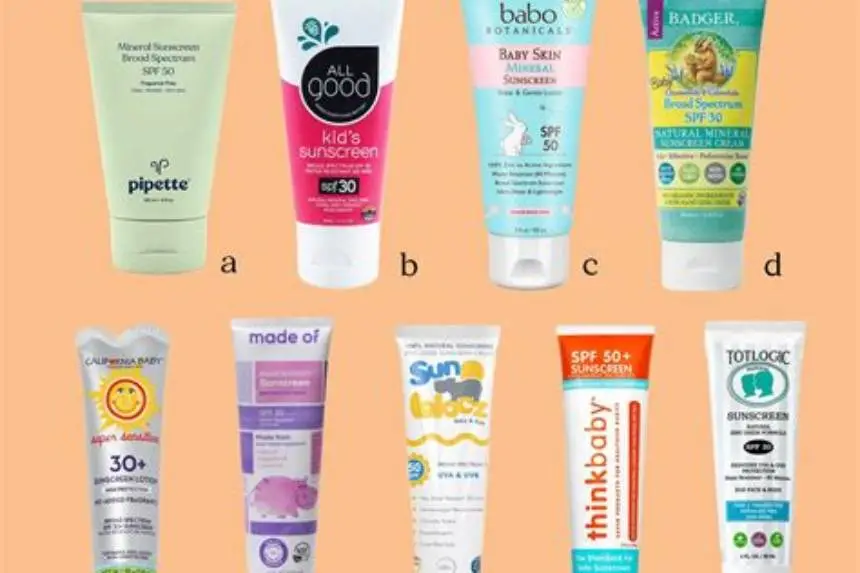
Which baby sunscreen fits infant skin sensitivity and age limits best
The safest baby sunscreen uses physical blockers like zinc oxide or titanium dioxide at 15-25% concentration. Avoid chemical UV filters for babies under six months. Check the label for 'broad-spectrum' and SPF 30-50 suitable for sensitive infant skin.
On this page (8 sections)
Part of our guide on when babies start crying
The numbers
- Minimum SPF
- 30
- Physical blockers
- Zinc oxide, titanium dioxide
- Age limit for chemical sunscreens
- 6 months
- Reapplication interval
- Every 2 hours
- Common irritants
- Fragrance, parabens
What matters most
- Use mineral sunscreens with zinc oxide or titanium dioxide for babies.
- Avoid chemical sunscreens under 6 months old due to skin sensitivity.
- SPF 30-50 broad-spectrum protects against UVA and UVB rays effectively.
- Check ingredient lists for fragrances or preservatives that irritate.
- Reapply every 2 hours and after swimming or sweating.
Is sunscreen safe for babies under 6 months
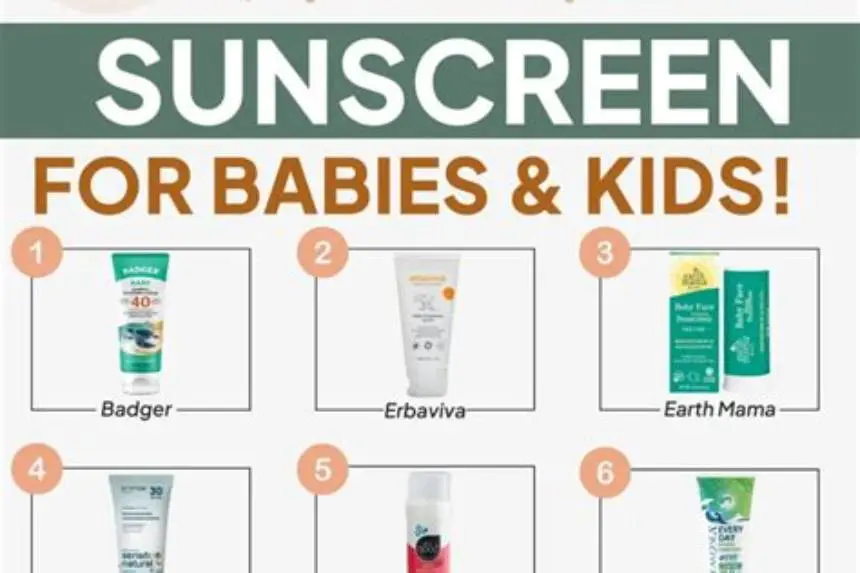
Babies younger than six months usually have very sensitive skin that can't handle chemical sunscreens safely. Pediatric guidelines recommend avoiding sunscreen on this age group entirely if possible.
Instead, keep infants in the shade, use protective clothing, wide-brim hats, and limit sun exposure during peak hours. The skin barrier is immature and more vulnerable to irritation or allergic reactions.
If sun exposure cannot be avoided, some experts allow using a small amount of mineral sunscreen with zinc oxide or titanium dioxide, but only on small areas. This is because these ingredients sit on top of the skin and do not penetrate it.
Checking with your pediatrician is essential before applying any sunscreen on babies under six months. The safest strategy is prevention through physical barriers and shade. It helps to understand protecting baby skin from sun before going further.
Sunburn can happen quickly in babies under six months because their skin is thin and less pigmented. Even short sun exposure may cause redness or peeling. Watch for early signs like fussiness or warmth on the skin.
If you must take a baby outdoors, plan for early morning or late afternoon when UV rays are weaker. Keep outings short and use a stroller with a sunshade or umbrella. Cover arms and legs with lightweight fabric.
Some mineral sunscreens are formulated specifically for very young babies and have passed stricter safety tests. Still, apply only a small amount on limited skin areas. Observe the baby closely for any irritation during the first use.
Which ingredients are safest for baby skin
Mineral sunscreens with zinc oxide or titanium dioxide at concentrations between 15-25% are safest for infant skin. They reflect UV rays physically and rarely cause irritation.
Chemical filters like oxybenzone, avobenzone, or octinoxate penetrate the skin and can cause allergic reactions, especially in babies. These should be avoided on infants.
Avoid sunscreens with fragrances, parabens, or alcohol. These additives can dry out or inflame delicate skin.
Look for products labeled 'broad-spectrum' which protect from both UVA and UVB rays. This ensures comprehensive protection for your baby.
Titanium dioxide is often favored because it tends to be less whitening on the skin than zinc oxide, though both are safe. Concentrations below 15% might not offer enough protection, while over 25% can feel heavy.
Some products combine zinc oxide with titanium dioxide to balance efficacy and texture. This blend maintains broad-spectrum coverage while improving application feel.
Check if the sunscreen is labeled 'non-nano' because nanoparticles can penetrate skin more easily. Non-nano mineral sunscreens minimize this risk and suit infant skin better.
Differences between baby and adult sunscreens
Adult sunscreens often contain chemical UV filters and fragrances that can irritate baby skin. They may also be too thick or greasy for infant use.
Baby sunscreens typically prioritize mineral ingredients, avoid irritants, and offer a gentler formula suitable for sensitive skin. They also come in lotion or stick forms designed for easy application on babies.
Using adult sunscreen on babies risks allergic reactions or exposure to harmful chemicals. Always choose products specifically labeled for infants or sensitive skin.
The SPF rating for baby sunscreen usually ranges from 30 to 50 to provide adequate protection without excessive chemicals.
How to choose sunscreen for toddlers and infants
Select a mineral-based sunscreen with at least SPF 30 and broad-spectrum protection. This balance guards against UVA and UVB rays.
Check that the sunscreen is fragrance-free, paraben-free, and designed for sensitive skin. These reduce the chance of irritation or allergic reactions.
Consider the ease of application: sticks are good for small areas like the face, while lotions cover larger skin surfaces evenly.
Test the sunscreen on a small patch of your child's skin 24 hours before full use to watch for redness or rash.
For toddlers over six months, chemical sunscreens may be used but mineral options remain preferable, especially for sensitive skin.
Choose sunscreens that state 'water resistant' or 'very water resistant' if your toddler will be in water. This ensures the protection lasts during swimming or heavy sweating for about 40 to 80 minutes.
When testing sunscreen on your child’s skin, pick a spot on the forearm or behind the ear. Use the recommended amount, roughly a nickel-sized dollop, and wait 24 to 48 hours to check for reactions.
No sunscreen can block 100% of UV rays. Using it alongside hats, UV-protective clothing, and shade is the best defense. Layer your protection methods for the safest outcome.
- Confirm the child’s age is over 6 months for chemical sunscreen use.
- Check active ingredients for zinc oxide or titanium dioxide.
- Ensure the product is 'broad-spectrum' with SPF 30-50.
- Avoid added fragrances or preservatives.
- Perform a patch test on a small skin area.
- Apply sunscreen 15-30 minutes before sun exposure.
- Reapply every 2 hours, or after swimming or sweating.
What makes a sunscreen non-toxic and safe
Non-toxic baby sunscreens avoid chemicals that absorb into the skin and cause hormonal or allergic issues. Mineral blockers like zinc oxide and titanium dioxide are non-toxic because they remain on the skin surface.
Safe formulas exclude controversial ingredients like oxybenzone, retinyl palmitate, phthalates, and certain preservatives. These may disrupt hormone systems or cause irritation.
Look for products with third-party testing or certification for safety and purity. Organic or pediatrician-tested labels offer added confidence but verify their claims.
Non-toxic sunscreen is also free from unnecessary additives like artificial colors or heavy perfumes that increase sensitivity.
| Ingredient | Type | Safety for babies | Notes |
|---|---|---|---|
| Zinc oxide | Mineral | Safe | Physical blocker, low irritation |
| Titanium dioxide | Mineral | Safe | Physical blocker, gentle |
| Oxybenzone | Chemical | Unsafe | Can penetrate skin, allergenic |
| Avobenzone | Chemical | Avoid under 6 months | Potential irritant |
| Fragrance | Additive | Unsafe | Can cause allergies |
| Parabens | Preservative | Avoid | Possible hormone disruptor |
What is the safest baby sunscreen
The safest baby sunscreen is a mineral-based lotion or stick containing 15-25% zinc oxide or titanium dioxide, with no fragrance or parabens, and labeled broad-spectrum SPF 30 to 50.
Avoid chemical filters entirely for babies under six months. For older infants and toddlers, mineral sunscreens remain the top choice for sensitive skin.
You can confirm a product’s safety by reviewing ingredient lists and ensuring it meets FDA guidelines for baby skincare.
Reapplication every two hours is essential, especially after swimming or sweating, to maintain protection.
Always combine sunscreen use with physical barriers like hats, clothing, and shade to minimize UV exposure.
Questions people still ask
Can I use adult sunscreen on my baby?
Adult sunscreens often contain chemical UV filters and fragrances that may irritate baby skin. It's best to choose sunscreens specifically made for infants or sensitive skin to avoid allergic reactions.
How often should I apply sunscreen to my baby?
Apply sunscreen 15-30 minutes before going outside. Reapply every 2 hours, or immediately after swimming or sweating, to maintain adequate protection.
Are all mineral sunscreens safe for babies?
Most mineral sunscreens with zinc oxide or titanium dioxide are safe, but you should check for added irritants like fragrances or preservatives and avoid those to protect sensitive skin.
What should I do if my baby has a reaction to sunscreen?
Stop using the sunscreen immediately and wash the area with mild soap and water. Consult your pediatrician if redness, swelling, or rash develops or worsens.
Is sunscreen necessary on cloudy days for babies?
Yes. Up to 80% of UV rays penetrate clouds, so applying sunscreen and using physical barriers remain important even on overcast days.