Is a maternity belt safe during pregnancy and how to choose your size
Learn if a maternity belt is safe during pregnancy and how to pick the right size and style for comfort and support.
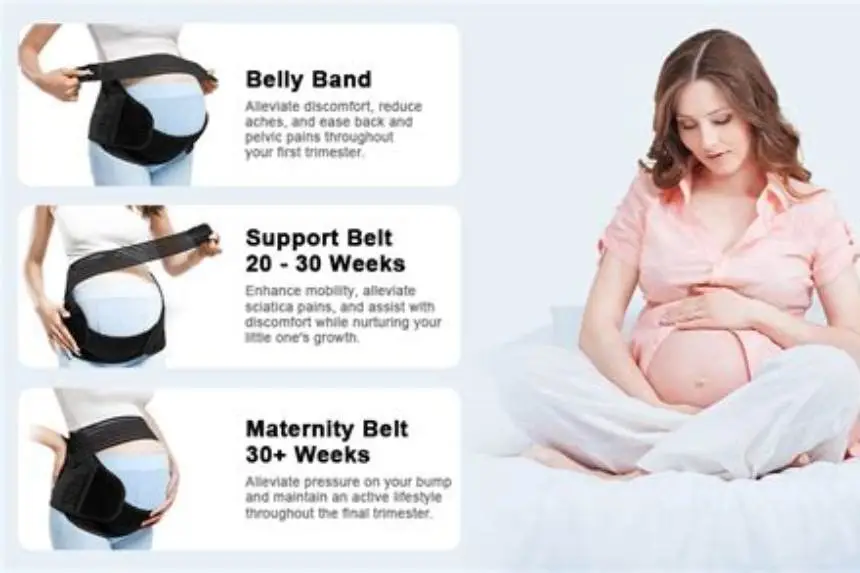
A maternity belt is safe for most pregnant people when used properly in the second and third trimesters, especially for lower back or pelvic pain. Avoid belts if you have high-risk pregnancy conditions or severe swelling.
On this page (9 sections)
- The short version
- Is a maternity belt safe during pregnancy
- How to measure for a maternity belt
- How to wear pelvic support belt pregnancy
- Adjustable maternity belt for lower back pain
- Best pelvic support belt for symphysis pubis pain
- Which maternity belt fits common waist and hip sizes
- Will a prenatal belly band fit under work clothes
- Questions people still ask
Part of our guide on how to sleep with maternity pillow
This guide explains exactly when and how maternity belts are safe during pregnancy, plus how to measure and pick the right fit for your pain and body type.
| Safe pregnancy stage | After 20 weeks |
|---|---|
| Common waist size range | 28-40 inches |
| Hip circumference | Up to 45 inches |
| Typical belt width | 4-6 inches |
| Pelvic pain relief | Symphysis pubis belts |
The short version
- Use maternity belts mainly after 20 weeks for support
- Measure hip and waist circumference for correct sizing
- Adjust belt to sit low on hips, supporting the pelvis
- Choose specific belts for lower back or symphysis pubis pain
- Avoid belts if you have preterm labor risks or skin issues
Is a maternity belt safe during pregnancy
Maternity belts are generally safe for use during the second and third trimesters, typically from around 20 weeks pregnant when the belly enlarges and back or pelvic discomfort starts. They support abdominal muscles and reduce spinal pressure, easing pain.
Safety depends on your pregnancy condition. Avoid belts if you have complications such as preterm labor risks, placenta previa, or severe swelling in legs and pelvis as compressive garments might worsen these. Always check with your healthcare provider before starting.
Proper use means wearing the belt snugly but not tightly so blood circulation and fetal movement are unimpeded. Overly tight belts can cause discomfort or restrict breathing. Discontinue use if you notice any skin irritation, pressure points, or increased contractions.
How to measure for a maternity belt
Accurate measurement is crucial to find a maternity belt that fits comfortably and supports well without slipping or pinching. Measure your waist where the belt will sit, generally just above the hips, using a flexible tape measure while standing relaxed. The other half of this decision is considerations for toddler pillows.
For pelvic support belts, measure the fullest part of your hips and buttocks. Sizes typically relate to waist and hip circumference bands; for example, a 36-inch waist usually corresponds to a medium or large maternity belt depending on brand sizing charts.
If you are between sizes, choose the larger size or look for adjustable belts with velcro or elastic panels to accommodate belly growth in later pregnancy weeks.
- Use a soft tape measure
- Measure waist at belly base and hips at fullest point
- Record measurements in inches or centimeters
- Check size chart from belt manufacturer
- Select size based on larger measurement or adjustability

GDMINLO Soft Tape Measure Double Scale Body Sewing Flexible Tailor Craft
Soft and flexible tape measure with a full 60-inch length for accurate waist and hip measurements needed to pick the correct maternity belt size.
How to wear pelvic support belt pregnancy
Pelvic support belts should be worn low across the hips and over the pubic bone, not high on the waist. This positioning stabilizes the pelvic joints and reduces pain from symphysis pubis dysfunction or general pelvic instability. The other half of this decision is compression leggings for pregnancy size medium length regular.
Adjust fasteners so the belt feels firm but not restrictive. You should be able to sit and walk comfortably without the belt shifting upwards. Wearing it too tight or too high can cause discomfort or reduce circulation.
Pelvic support belts work best worn during activities that increase pelvic stress, such as walking, standing for long periods, or climbing stairs. Remove or loosen the belt when resting or lying down to allow muscles to relax.
Adjustable maternity belt for lower back pain
Back pain is a common pregnancy complaint. Adjustable maternity belts with elastic and velcro panels allow you to customize support level around the lower back and abdomen, which can relieve pressure on spinal muscles and ligaments. For the detail, see our notes on checking if the pillow is still produced.
Look for belts with wider back panels (usually 6 inches or more) for targeted lumbar support. The ability to tighten or loosen the belt easily during the day accommodates changes in swelling or activity.
Not all adjustable belts suit every body type. Petite frames need narrower belts to avoid bulk and discomfort, while larger hips require belts with longer fasteners or wrap designs. Check product dimensions before buying.
| Feature | Petite Frame Belt | Regular Size Belt | Large Hip Belt |
|---|---|---|---|
| Width | 4 inches | 5-6 inches | 6-7 inches |
| Fastener Length | Short | Medium | Extra Long |
| Elasticity | Moderate | High | High |
| Lumbar Support | Basic | Enhanced | Enhanced |
| Recommended Waist Size | 24-30 inches | 30-38 inches | 38-45 inches |
- Customizable fit
- Supports lumbar area
- Accommodates swelling
- May be bulky under clothes
- Can be expensive
- Size varies by brand
Best pelvic support belt for symphysis pubis pain
Symphysis pubis dysfunction (SPD) causes sharp pelvic pain due to joint instability. Specialized pelvic support belts designed with front compression and firm side panels provide targeted relief by stabilizing the pubic symphysis.
Belts with a pelvic cradle design that cups the lower belly and hips distribute pressure evenly and reduce joint shear forces. Avoid belts that only wrap around the waist as they do not address the pubic joint directly.
Consult your healthcare provider for a proper SPD diagnosis, as the wrong belt or incorrect positioning could worsen pain or cause skin bruising.
Which maternity belt fits common waist and hip sizes
Common maternity belt sizes correspond approximately to waist measurements from 28 to 40 inches and hip measurements up to 45 inches. For a 36-inch waist, medium-size belts usually fit well, but you must check belt-specific size charts.
Petite frames (waist under 28 inches) need narrower belts typically labeled XS or S to avoid bunching or sliding. Over 40-inch hips require belts with wide fasteners or wrap-around styles to ensure full coverage and comfort.
Prenatal belly bands for around 28 weeks pregnant often come in adjustable sizes to accommodate growth in the last trimester. Make sure the band can stretch comfortably over your belly but remain supportive.
Many maternity belts fit discreetly under work clothes if they are made from thin, elastic materials and have low profile fasteners. Bulkier belts might show through tight or light clothing.
| Size | Waist inches | Hip inches | Suitable Frame |
|---|---|---|---|
| XS | 24-28 | 30-34 | Petite |
| S | 28-32 | 34-38 | Small to Medium |
| M | 32-36 | 38-42 | Medium |
| L | 36-40 | 42-45 | Large |
| XL | 40+ | 45+ | Plus Size |
Will a prenatal belly band fit under work clothes
Prenatal belly bands designed for pregnancy are usually thin, stretchy, and low profile, so they fit discreetly under most work clothes including blouses, dresses, and slacks. Choosing neutral colors like beige or black helps avoid showing through light fabrics.
Bulky belts with thick padding or wide fasteners might create visible lines under tight or light clothing. Adjustable bands with smooth seams reduce discomfort and prevent bunching during long work hours.
If you need to wear a belt all day, consider breathability of fabric to avoid sweating and skin irritation. Cotton blends or moisture-wicking materials are preferable for extended wear.
Questions people still ask
Can wearing a maternity belt cause any harm to the baby?
When worn correctly, maternity belts do not harm the baby. They provide external support without compressing the uterus. However, very tight belts or incorrect positioning might restrict circulation or cause discomfort to the mother, indirectly affecting fetal wellbeing.
How long should I wear a maternity belt each day?
Limit maternity belt use to a few hours at a time, mainly during activities that cause pain or strain. Prolonged continuous wear may weaken abdominal muscles or cause skin irritation. Remove the belt while resting or sleeping.
Is a maternity belt helpful for postpartum recovery?
Some maternity belts double as postpartum belly wraps, aiding abdominal muscle support after birth. However, postpartum use requires different fit and tension levels. Choose belts specifically designed for postpartum recovery for best results.
Can I wear a maternity belt if I have a twin pregnancy?
Yes, maternity belts can be helpful in twin pregnancies to support additional weight and reduce back strain. Choose belts with wider panels and higher support capacity. Consult your provider to ensure it suits your specific pregnancy type.
How do I clean and care for a maternity belt?
Most maternity belts are hand-washable or machine washable on gentle cycles. Follow manufacturer instructions closely. Avoid bleach and high heat drying to maintain elasticity and fabric integrity.