Which baby carrier fits your newborn to toddler by age and weight limits
Choose a baby carrier based on your baby's age and weight limits, which usually start at birth with 7-8 pounds and go up to 45-60 pounds depending on type. Safety and ergonomic fit for both parent and child are key.
On this page (10 sections)
- What matters most
- What to know before using a baby carrier
- Do baby carriers cause bow legs or hip problems
- Can you use a baby carrier from birth
- Is the hip seat carrier ergonomic and when to use it
- Is the infantino Flip 4-in-1 safe for front facing out
- Baby carrier front and back facing: what is safe and when
- When can I use a kangaroo baby carrier and what is a butterfly baby
- Baby back carrier for 1-3 years and related usage tips
- Questions people still ask
Part of our guide on light hiking with baby choices
The numbers
- Newborn minimum weight
- 7-8 lbs
- Toddler max weight
- 45-60 lbs
- Hip seat carrier weight
- 25-60 lbs
- Ergonomic requirement
- M-position hips
- Infantino Flip front-facing limit
- Not recommended
- Butterfly baby angle
- ≥45° reclined
What matters most
- Baby carriers have specific age and weight limits; follow these strictly for safety.
- Newborns need carriers that support head and hips properly, often requiring inserts.
- Hip seat carriers suit toddlers 25-60 pounds but assess ergonomic comfort.
- Front-facing out carries risk; check carrier guidelines and infant readiness.
- Different carriers suit distinct parent body sizes and lifestyles.
What to know before using a baby carrier
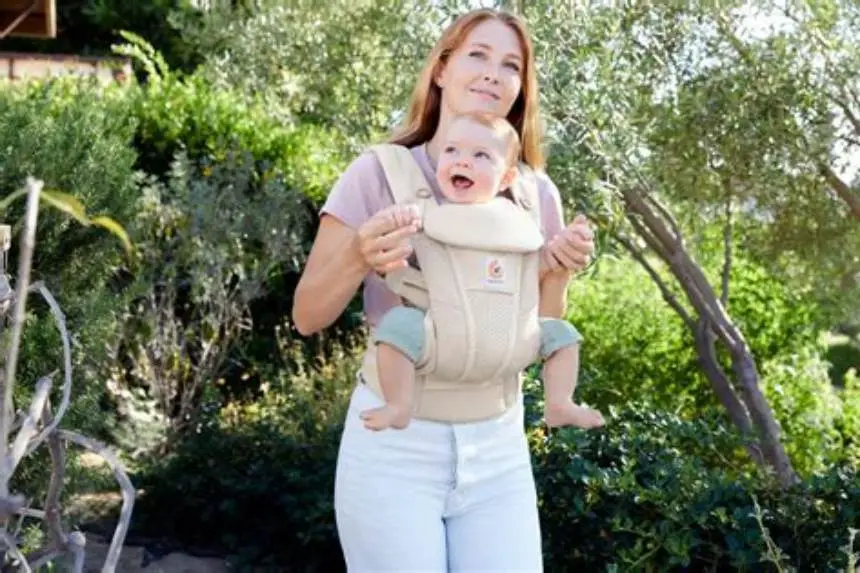
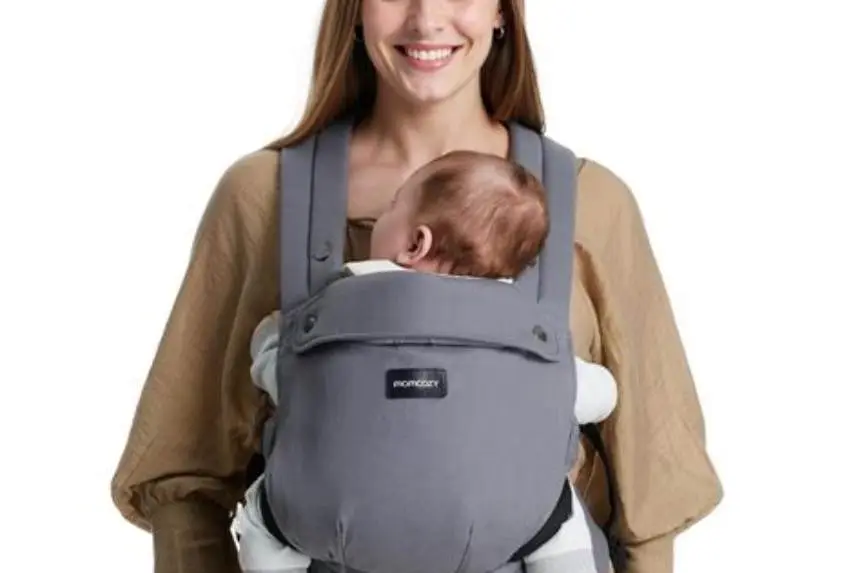
A baby carrier's safe use depends on matching it to your baby's age, weight, and developmental needs. Manufacturers specify these limits clearly, typically starting at a minimum of around 7 to 8 pounds (3.2 to 3.6 kg) for newborns and continuing up to 45 to 60 pounds (20 to 27 kg) for toddlers, varying by carrier type.
Careful attention to ergonomic support for hips and spine is essential. Newborns require neck and head support, often achieved with inserts or structured wraps. Babies' hips should be positioned in an 'M' shape with knees higher than the bottom to prevent hip dysplasia.
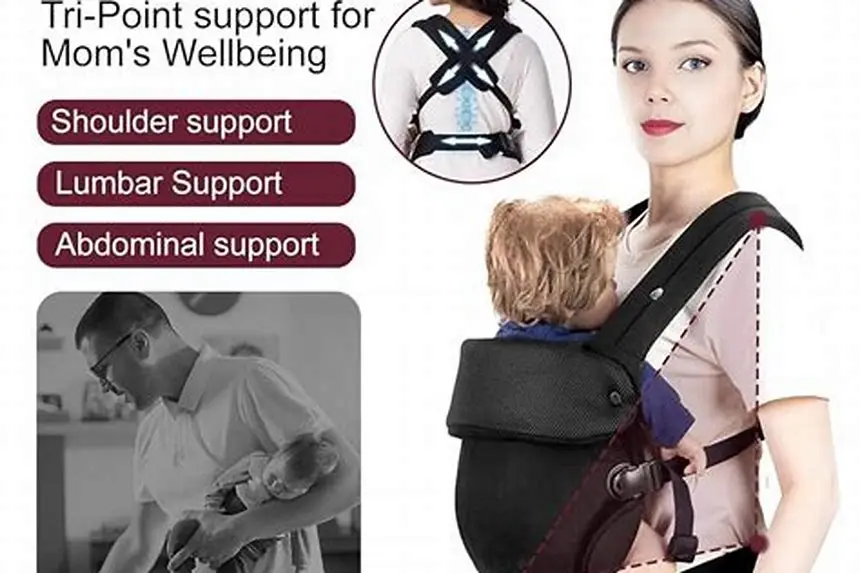
Consider the parent's body size and strength, as some carriers adjust better and distribute weight more evenly. A poor fit can lead to back pain and reduce wearing time, which defeats the purpose of hands-free carrying.
Do baby carriers cause bow legs or hip problems
Baby carriers do not cause bow legs if used correctly. The critical factor is hip positioning. Carriers that keep the baby's legs dangling straight down without support can increase the risk of hip dysplasia or worsen existing issues. People in this spot often ask about portable adjustable lumbar support for baby carrier as well.
The American Academy of Pediatrics recommends carriers that allow the legs to spread apart naturally with thighs supported and knees bent at about 90 degrees or more, forming an 'M' shape. This position promotes healthy hip development.
Avoid carriers that force the legs into a straight, downward position, especially for newborns and infants under six months. Improper carriers can exacerbate or contribute to hip joint problems, but properly designed ergonomic carriers prevent this.
Can you use a baby carrier from birth
Most soft structured carriers and wraps can be used from birth if they provide adequate head and neck support. Some require newborn inserts to ensure the baby’s airway stays clear and the posture is safe. Before you commit to anything, it is worth looking at ergonomic baby carrier features.
Baby wraps and ring slings typically allow earlier use with correct wrapping technique, offering customizable support. Structured carriers without inserts might not fit newborns securely, increasing risk of slumping, which can obstruct breathing.
Check the manufacturer’s age and weight recommendations precisely. For example, many carriers list 7 or 8 pounds as a minimum. If your baby is premature or has special needs, consult your pediatrician before using a carrier.
Is the hip seat carrier ergonomic and when to use it
Hip seat carriers support babies by providing a firm seat surface on the parent's hip, usually recommended for children weighing between 25 and 60 pounds (11 to 27 kg). This design helps reduce strain on the parent's back by distributing weight more evenly.
Ergonomically, these carriers work well for toddlers who can sit unaided and have good head and neck control but might not be ideal for newborns due to insufficient back and head support.
Adding storage pockets on hip seats is common, increasing convenience but not affecting safety. Use hip seat carriers when your toddler resists full wrapping or structured carrier use but still benefits from close contact.
| Feature | Suitability for 25-60 lbs toddler | Ergonomic impact |
|---|---|---|
| Weight range | Suitable | Distributes weight well |
| Head/neck support | Limited | Requires toddler control |
| Storage pockets | Optional | Convenient, no ergonomic change |
| Position | Side/hip only | Can cause uneven weight if used too long |
Is the infantino Flip 4-in-1 safe for front facing out
The Infantino Flip 4-in-1 carrier allows several carry positions, including front-facing out. However, safety experts warn that front-facing out carries increase stress on the developing spine and hips, especially for children under 6 months.
The manufacturer's guidelines typically recommend front-facing out only for older babies who have good head control and can support their spine independently, often closer to 12 months.
Ergonomically, front-facing out positions tend to straighten the legs and hips, which can risk hip development if used prematurely. Many pediatricians recommend inward-facing positions for babies under 1 year to promote safe posture.
Baby carrier front and back facing: what is safe and when
Front-facing in carriers support newborns and young infants by keeping the baby close to the parent's chest, which is safest for head, spine, and hips. Back carries are usually recommended once a baby can sit without support, often around 6 months or older.
Front-facing out carriers are controversial. They expose babies to overstimulation and awkward posture; many experts advise against using this position before 12 months, if at all.
Back carriers increase comfort for the parent carrying heavier toddlers but require the toddler to have adequate neck strength and body control to be safe.
Always follow the carrier's instructions on suitable facing positions based on age and developmental milestones.
When can I use a kangaroo baby carrier and what is a butterfly baby
Kangaroo carriers, which typically are soft structured carriers allowing front-facing in and sometimes out, can be used once the baby has good head control, often around 3-4 months. Using kangaroo carriers with newborns without inserts risks airway safety.
The term 'butterfly baby' refers to a baby who is positioned at roughly a 45-degree reclined angle in a carrier or sling with legs apart and elevated. This position is good for newborns who cannot yet support their head fully.
Butterfly positioning reduces pressure on the spine and supports natural hip posture. Some wraps and slings create this position well, and it's recommended for early months until the baby can sit upright.
Baby back carrier for 1-3 years and related usage tips
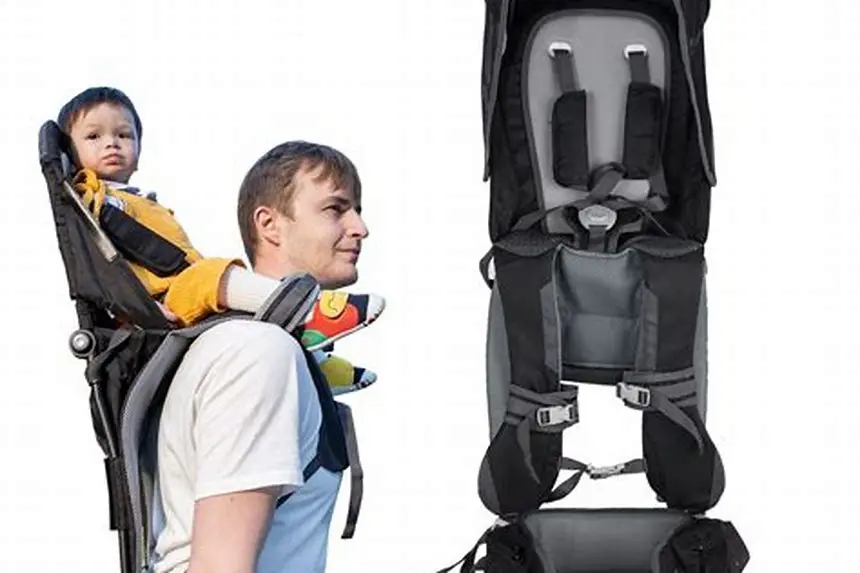
Back carriers are ideal for toddlers between 1 and 3 years old, especially those weighing 20 to 45 pounds (9 to 20 kg). These carriers relieve pressure on the parent's back and enable longer carrying sessions.
Select a carrier with adjustable straps and padded support to match both your body's size and your toddler's growth. Some back carriers also provide sunshades or storage, adding convenience for outings.
Monitoring your toddler's comfort is essential; stress on hips or spine can occur if positioning is improper. Keep checking that the legs maintain an ergonomic 'M' shape and the child can shift weight safely.
Questions people still ask
Can baby carriers cause bow legs?
No, when used correctly, baby carriers support the hips in the recommended 'M' position, which promotes healthy development and helps prevent bow legs. Improper carriers that let legs dangle straight down may contribute to hip issues.
Is the Infantino Flip 4-in-1 safe for front-facing out use?
Front-facing out is generally unsafe for infants under 6 months and is discouraged due to risks to spine and hip development. The carrier’s manual usually advises this position only for older babies with good head control.
When can I start using a kangaroo baby carrier?
Start around 3 to 4 months, once your baby can hold their head up steadily. Newborns need additional support or a different carrier type to keep the airway safe.
Are hip seat carriers ergonomic for toddlers?
Yes, hip seat carriers are ergonomic for toddlers 25 to 60 pounds, distributing weight evenly and providing a seat surface. They are unsuitable for newborns who need more head and back support.
What does 'butterfly baby' mean in babywearing?
It describes a baby positioned reclined at about 45 degrees with legs spread in an 'M' shape, which supports newborns who cannot yet sit upright, reducing pressure on spine and hips.