Is bamboo clothing right for newborns and babies up to 12 months?
Look at how bamboo clothing compares for babies up to 12 months by comfort, climate, and care to dress your little one wisely without overbuying.
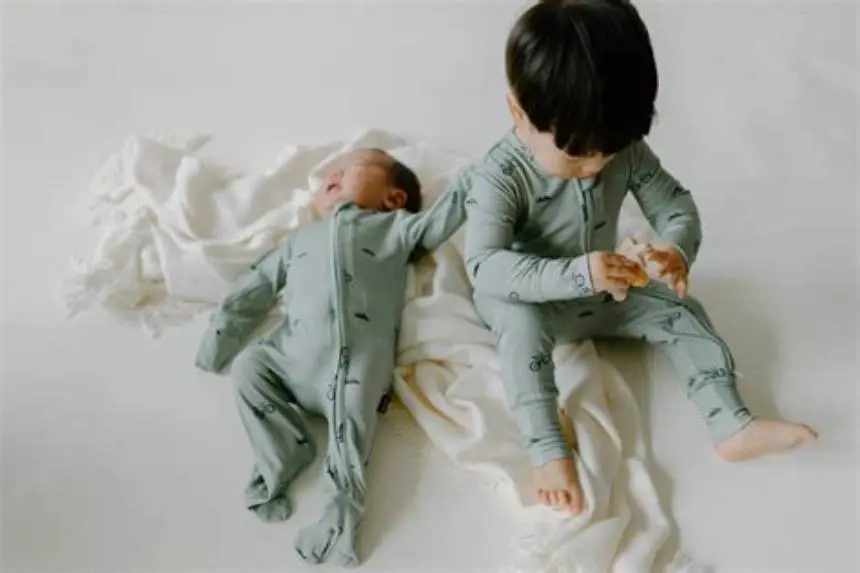
Bamboo clothing can be good for babies up to 12 months because it is soft, breathable, and moisture-wicking, but its suitability depends on climate, garment type, and easy washing needs.
On this page (8 sections)
- The short version
- What type of fabric is bamboo for baby clothes
- Is bamboo clothing good for babies: newborn babygrows 0-3 months
- Merino baby clothes and organic cotton alternatives for hot nights and layering
- Baby bamboo sleepers for 6-12 months: snug and seasonally appropriate
- How to wash and care for bamboo and handmade wool baby clothes
- Baby organic cotton coats, muslin quilts, and where to find bamboo baby clothing sales
- Questions people still ask
Part of our guide on best sleep sack for newborns
This guide matches bamboo and alternative fabrics to baby age, climate, and care needs, avoiding overbuying while keeping babies comfortable.
| Bamboo fiber type | Viscose from bamboo |
|---|---|
| Bamboo softness | Comparable to silk |
| Breathability | High moisture-wicking |
| Merino fiber type | Natural wool |
| Organic cotton knit | Medium breathability |
| Ideal baby age | 0-12 months |
The short version
- Bamboo is soft and breathable, good for sensitive baby skin
- Not ideal for very hot or very cold climates alone
- Best for newborns in mild climates or as layering
- Requires careful washing to maintain softness and durability
- Organic cotton and merino wool are strong alternatives in certain conditions
What type of fabric is bamboo for baby clothes
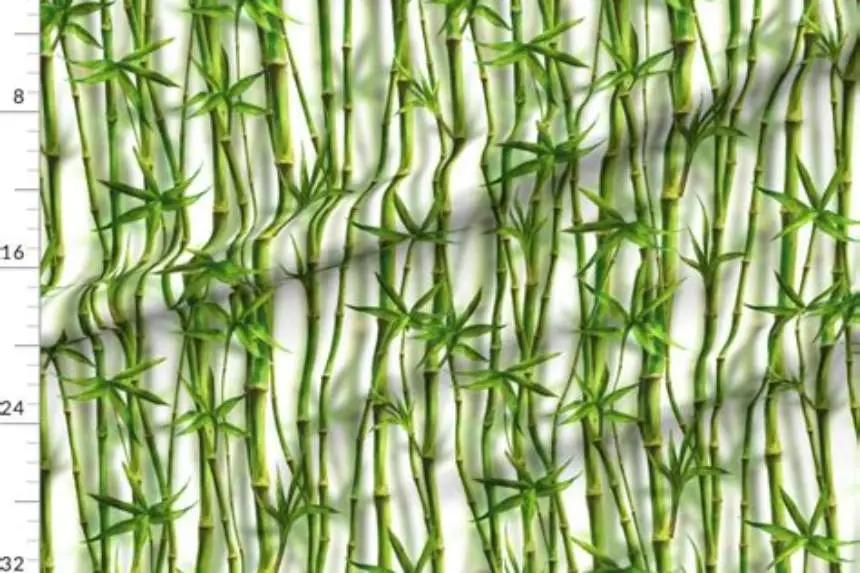
Bamboo baby clothing is usually made from viscose derived from bamboo pulp, not pure bamboo fiber. This semi-synthetic fabric is soft, smooth, and has natural moisture-wicking properties.
Its breathability helps keep babies comfortable by pulling sweat away from the skin, making it less likely for rashes or irritation to develop. However, bamboo fabric can vary in thickness and weave, affecting how warm or cool it feels.
The chemical processing involved can differ by brand, influencing softness and durability. If you want genuine bamboo benefits, check that the label states 'bamboo viscose' or 'bamboo rayon' and that the fabric meets Oeko-Tex or similar standards to avoid harmful residues.
Is bamboo clothing good for babies: newborn babygrows 0-3 months
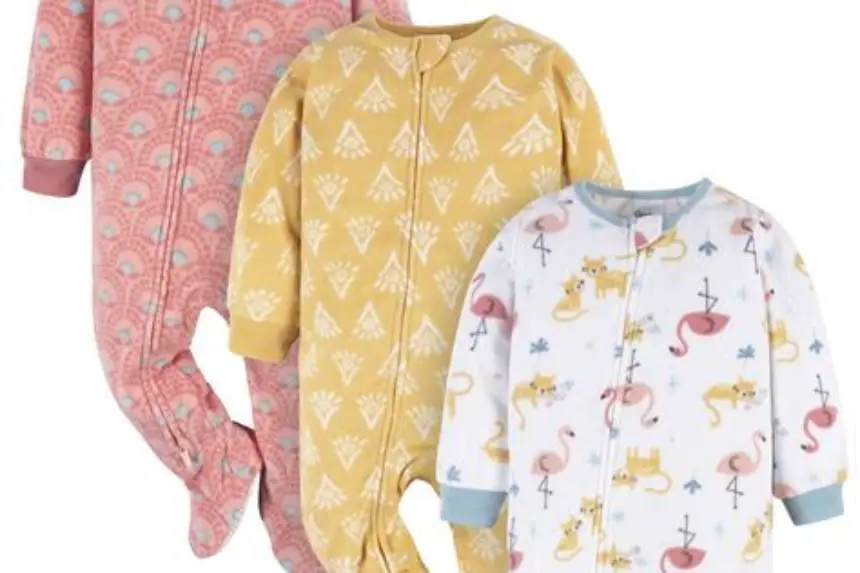
For newborns 0-3 months, bamboo babygrows are an excellent choice in mild or cool climates. The softness reduces skin irritation risks during sensitive early months, while moisture-wicking helps manage sweat and prevent overheating. For the detail, see our notes on choosing fabric for baby clothes.
Bamboo sleepsuits usually weigh around 120-170 gsm, offering light to medium warmth suitable for layering under heavier garments in colder homes.
If your nursery is well heated or you live in warmer areas, bamboo alone may keep baby too warm, so pairing with cotton muslin layers can help regulate temperature better.
Since newborn babygrows undergo frequent washing, a gentle detergent and cold wash cycle preserve bamboo's texture and prevent premature wear. It helps to understand wool baby clothes storage before going further.
The GSM (grams per square meter) weight range of bamboo babygrows in this age group typically falls between 120 and 170 gsm, which balances softness with durability. For example, a 140 gsm bamboo babygrow can provide gentle warmth without overheating in a nursery maintained around 20-22°C. However, if your home temperature dips closer to 16°C, layering with cotton muslin or a thin wool layer might be necessary to keep the baby comfortable overnight.
Babies in the 0-3 month range have delicate skin that can quickly show signs of irritation if fabrics are too rough or retain moisture against their skin. Bamboo’s natural moisture-wicking helps here, but if you notice redness or rash developing after a few wears, it’s wise to check if the fabric is truly bamboo viscose and laundered properly without harsh detergents. Testing a small patch of fabric on the baby’s arm before full wear can help identify any sensitivity early.
Merino baby clothes and organic cotton alternatives for hot nights and layering
For babies 0-6 months experiencing hot nights, merino wool clothing offers breathable warmth without overheating. Merino wool naturally regulates temperature and resists odors, making it ideal for light sleepers in variable climates. There is more on differences from sleepsuits in a separate guide.
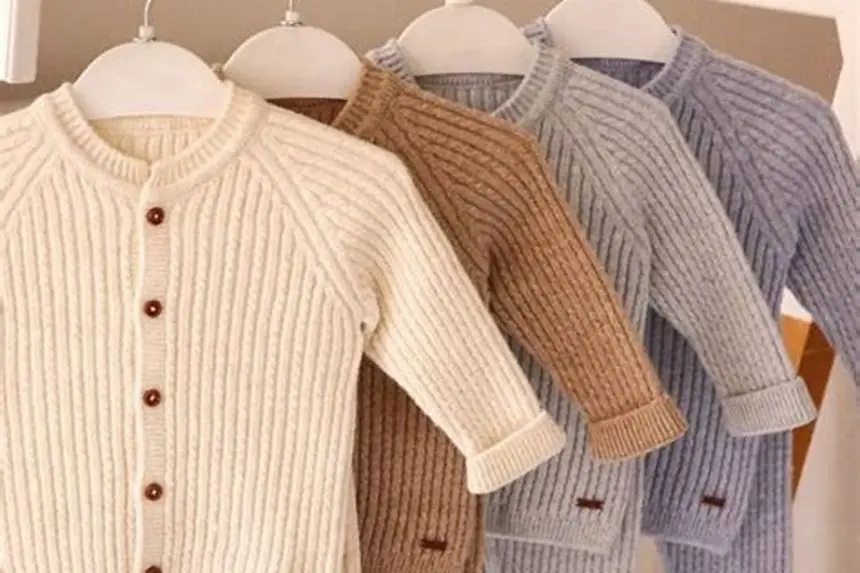
Organic cotton sweater knits or jumpsuits provide moderate breathability and softness and are better for babies prone to wool allergies, though they retain moisture more than bamboo or merino.
Brands like Burt's Bees Baby offer organic cotton clothing that can be reliable for casual use and layering.
Organic cotton muslin quilts, such as those by Little Unicorn, are lightweight and breathable, perfect for swaddling or covering during warmer nights but not a substitute for a sleeper in colder environments.
| Fabric | Breathability | Moisture wicking | Allergy risk | Care complexity |
|---|---|---|---|---|
| Bamboo viscose | High | High | Low | Moderate |
| Merino wool | High | Moderate | Moderate | High, hand wash recommended |
| Organic cotton | Medium | Low | Very low | Low, machine washable |
Baby bamboo sleepers for 6-12 months: snug and seasonally appropriate
In the 6-12 month range, bamboo sleepers weighing 150-200 gsm provide snug warmth for most temperate climates but may need layering in colder homes.
Babies at this age are more active, so bamboo’s natural stretch and softness support comfort without restricting movement.
However, bamboo's tendency to wear thin after many washes means you might want to rotate it with cotton or merino garments to extend wardrobe life.
If you need sleepers for cold winter nights, consider wool blends or heavier organic cotton pajamas instead.
Baby bamboo sleepers in the 150-200 gsm weight are designed to provide moderate warmth suitable for indoor temperatures between 18 and 22°C. For instance, a 180 gsm sleeper can keep a 9-month-old baby snug during early spring evenings but might feel insufficient in a drafty room below 16°C. In such cases, adding a cotton or wool layer over the bamboo sleeper or using a thicker quilt can prevent chills.
A practical check for wear in bamboo sleepers is to examine areas prone to rubbing, such as under the arms or at the knees, after about 10 washes. If the fabric feels thinner or slightly transparent here, it signals the need to rotate in sturdier garments to prevent discomfort or cold spots. Noticing pilling or loss of softness also indicates the fabric is breaking down and may no longer protect well against chill.
How to wash and care for bamboo and handmade wool baby clothes
Bamboo baby clothes require cold or lukewarm gentle machine washing and air drying to maintain softness and shape. Avoid bleach and fabric softeners, which damage fibers.
Handmade wool clothes need careful hand washing in cool water with wool-specific detergent to prevent shrinkage or felting.
Dry flat in shade for wool; avoid tumble drying for bamboo to prevent fiber breakdown. Proper washing extends garment life and keeps your baby comfortable.
For DIY or boutique wool baby clothes, a wool wash kit with mild detergent and a mesh wash bag protects the fibers during manual cleaning.
When washing bamboo baby clothes, using a detergent free from optical brighteners and enzymes preserves the delicate fibers. For example, using a wool and silk detergent at half the recommended dosage on a gentle 30°C cycle helps maintain fabric integrity. After washing, gently reshape the garment while damp and dry flat away from direct sunlight to avoid fading or weakening.
For handmade wool baby garments, a safety check after washing involves gently stretching the fabric and inspecting for any felting or shrinkage. If the wool feels denser or less stretchy, it means the fibers have felted slightly, reducing breathability. In this case, air drying flat with occasional reshaping during the drying process can help restore shape and softness over a few days.
Baby organic cotton coats, muslin quilts, and where to find bamboo baby clothing sales
Organic cotton coats and sweater-knit pajamas are good for layering outdoors or in cooler homes. Their moderate breathability and durability make them more practical for frequent use compared to delicate bamboo.
Cotton muslin baby quilts provide light warmth and excellent breathability, ideal for swaddling or as a lightweight blanket in warmer months.
Bamboo baby clothing sales, especially for size 0-3 months, often appear online on major retail platforms during seasonal clearances, which can help parents avoid overbuying at full price.
Check customer reviews and fabric content labels carefully when buying on sale to ensure the bamboo is viscose derived from bamboo and not a lower-quality blend.
Bamboo clothing is a smart choice for many babies but demands attention to climate, garment type, and washing to avoid fast wear or overheating.
Questions people still ask
Is bamboo clothing hypoallergenic for babies?
Bamboo viscose is naturally soft and less likely to irritate sensitive baby skin, but it is not guaranteed hypoallergenic. Babies with severe allergies should test a small patch first.
Can bamboo clothing be used for hot climates?
Bamboo's breathability and moisture-wicking can help in warm weather, but in very hot climates combining it with lightweight cotton layers is safer to prevent overheating.
How durable is bamboo clothing for babies?
Bamboo fabric tends to wear thinner after about 10-15 washes if not cared for properly, so rotating with organic cotton or wool garments extends the wardrobe life.
Should I buy bamboo or merino wool for winter?
For cold winter months, merino wool offers better insulation and moisture control. Bamboo alone is not warm enough without layering.
How often should I wash bamboo baby clothes?
Wash bamboo clothes after 2-3 wears or when soiled, using gentle detergent and cold water to preserve fabric integrity and softness.