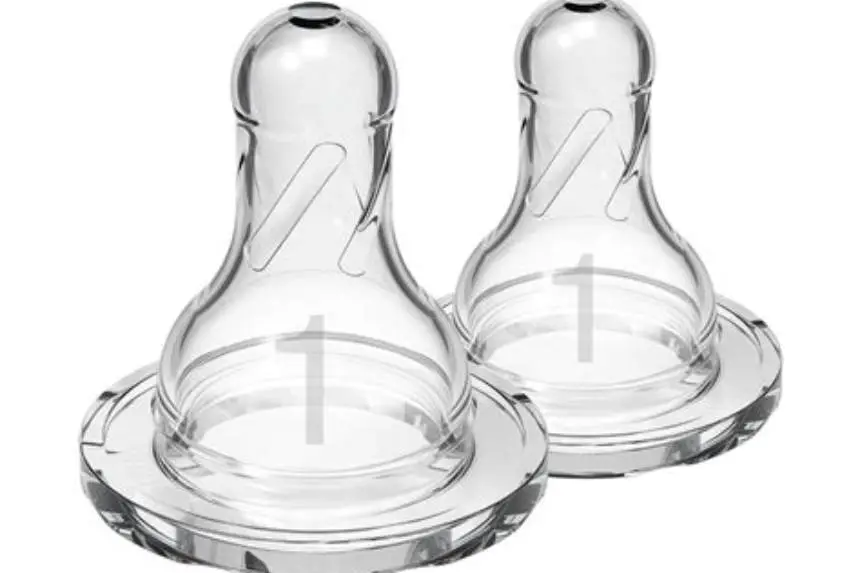
Will a mesh feeder suit a 6-month-old with a strong gag reflex?
Assess your 6-month-old's gag reflex sensitivity to pick a mesh feeder that cuts mess and feeding stress.
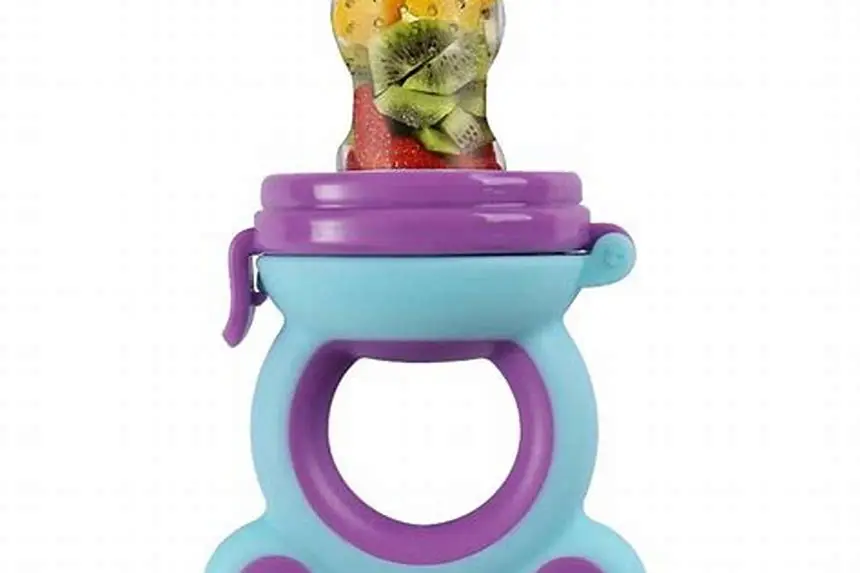
A mesh feeder can suit a 6-month-old with a strong gag reflex if the mesh holes are small enough (typically under 1 millimeter) to reduce gag triggers. Choose feeders designed for sensitive gag reflexes and watch for distress signs.
On this page (9 sections)
- Fit check
- The short version
- How gag reflex develops at 6 months
- Signs a mesh feeder is too challenging for the baby
- What mesh feeder designs minimize gag triggers
- Alternatives if mesh feeders are unsuitable
- Will a mesh feeder suit a 6-month-old with a strong gag reflex?
- How to assess gag reflex sensitivity before using a mesh feeder
- Questions people still ask
Part of our guide on best slow flow nipple for newborn
This guide helps you pick a mesh feeder that fits your 6-month-old's sensitive gag reflex and reduces feeding mess and stress.

Munchkin Baby Fruit Feeder with Mesh Bags
Helps reduce choking risk by allowing only small pieces of digestible food through mesh, suitable for
Check it on Amazon
Bessentials Baby Fresh Fruit Food Feeder
Soft silicone mesh with small holes (size not explicitly stated but described as small), suitable for babies
See this alternative
Bessentials Baby Fresh Fruit Food Feeder
Mesh hole size not explicitly stated; described as small holes in soft silicone mesh
See this alternative| Product | mesh hole size in millimeters | Verdict | |
|---|---|---|---|
| Munchkin Baby Fruit Feeder with Mesh Bags Munchkin | Mesh hole size not explicitly stated but described as allowing only small pieces; inferred to be under 1 mm for choking risk reduction | Meets it | View on Amazon |
| Bessentials Baby Fresh Fruit Food Feeder BESSENTIALS | Mesh hole size not explicitly stated; described as small holes in soft silicone mesh | Meets it | View on Amazon |
| Bessentials Baby Fresh Fruit Food Feeder BESSENTIALS | Mesh hole size not explicitly stated; described as small holes in soft silicone mesh | Meets it | View on Amazon |
| WAJIAYON Baby Fruit Feeder/Fresh Food Feeder Pacifier (3 Pack) WAJIAYON | 2 mm mesh hole size stated in bullet | Short by 100% | View on Amazon |
| Typical mesh hole size | <1 mm |
|---|---|
| Age for mesh feeders | 6 months+ |
| Gag reflex sensitivity | varies widely |
| Signs of challenge | gagging, coughing |
The short version
- Assess gag reflex sensitivity before using a mesh feeder.
- Choose feeders with mesh holes smaller than 1 mm for sensitive babies.
- Watch for gagging or coughing as signs the feeder is too challenging.
- Consider alternatives if gag reflex is severe or persistent.
- Mesh feeders reduce mess but need the right design to avoid stress.
How gag reflex develops at 6 months
At 6 months, babies’ gag reflexes are still very sensitive. The reflex helps protect them from choking but can trigger easily with new textures.
As babies grow, the gag reflex moves forward in the mouth, allowing safer exploration of solid foods. However, at 6 months, many still gag on certain textures, especially thick or large pieces.
This developmental phase means mesh feeders must have very fine mesh to avoid triggering gagging. You should watch your baby closely during feeding to see how they respond.
The gag reflex location changes as the baby gains control over swallowing. At 6 months, the reflex is usually closer to the back of the tongue, making it easier to trigger with food that reaches that area too quickly. For the detail, see our notes on step-by-step formula bottle preparation.
Babies with stronger than typical gag reflexes may respond to textures that other babies manage fine. For example, a 6-month-old might gag on finely mashed carrots but tolerate pureed apples well. This sensitivity varies widely even among healthy babies.
Regular, gentle exposure to textures under supervision can help desensitize the gag reflex over weeks. Parents should introduce new foods in small amounts and observe closely for any signs of discomfort or distress.
Signs a mesh feeder is too challenging for the baby
If your 6-month-old gags repeatedly or coughs harshly when using a mesh feeder, the mesh size or food type is likely too challenging.
Other signs include spitting the feeder out, persistent fussiness during feeding, and refusal to accept the feeder after initial attempts.
Occasional mild gagging is normal as a baby learns to handle solids, but persistent or forceful gagging signals you should stop and reassess.
Sometimes the baby may cough but recover quickly without distress. This is a mild response and can be part of learning to eat solids. However, harsh coughing or turning red are signs to pause feeding and try again later.
If the baby consistently drops the feeder or backs away, it indicates discomfort or dislike, not just gagging. These behaviors mean the feeder design or food choice needs changing.
Persistent gagging can cause the baby to associate feeding with unpleasant sensations. This may lead to feeding aversion, making progress slower. Early recognition and adjustment help prevent this negative cycle.
Pay attention if gagging happens right after the feeder enters the mouth. This timing suggests the texture or size is too much. For example, if a baby gags within seconds of sucking on a feeder filled with steamed carrot, the mesh or food piece size likely triggers the reflex.
Babies sometimes push the feeder out forcefully when gagging starts. This reaction can protect them from choking but shows the feeder is not suitable yet. Parents should not force feeding when this happens; instead, pause and try again later with smaller mesh or softer foods.
- Gagging frequency - multiple strong gags per feeding session.
- Coughing - harsh coughs following attempts to feed.
- Food refusal - rejecting the feeder or food inside.
- Distress - crying or fussiness linked directly to feeding.
Munchkin Baby Fruit Feeder with Mesh Bags
Helps reduce choking risk by allowing only small pieces of digestible food through mesh, suitable for sensitive 6-month-old babies needing fine mesh under 1 mm.
- Is adult product False
- Height 1.4 inches
- Length 6.0 inches
What mesh feeder designs minimize gag triggers
Choose mesh feeders with holes smaller than 1 millimeter in diameter for babies with sensitive gag reflexes. Large holes let through bigger pieces that trigger gagging.
Soft, pliable silicone or food-grade nylon mesh helps reduce rigid edges that can provoke gagging. The feeder’s handle should be easy to grip and sized to prevent deep insertion that causes gag attacks.
Some feeders have adjustable mesh or replaceable bags allowing you to start with the smallest mesh and gradually increase size as the gag reflex desensitizes.
Some mesh feeders use multiple layers of mesh for extra protection, especially for babies with sensitive gag reflexes. These layers prevent large food pieces from reaching the mouth but still allow flavor to pass through.
Mesh feeders with a wide handle or a guard stop the feeder from going too far into the mouth. This reduces gagging by limiting how deep the food reaches, which is crucial for sensitive babies.
Look for feeders made from BPA-free, food-safe materials to avoid allergic reactions or irritation, which could worsen gagging. Regular cleaning is also vital, as residue buildup can change texture and increase gag reflex triggers.
| Feature | Recommended Specification | Reason |
|---|---|---|
| Mesh hole size | <1 mm | Prevents large food bits triggering gag reflex |
| Mesh material | Soft nylon or silicone | Minimizes hard edges inside mouth |
| Handle design | Ergonomic, prevents deep insertion | Reduces gag reflex activation |
| Adjustability | Replaceable/smaller mesh options | Allows gradual texture introduction |
- Reduces choking risk
- Controls food portion size
- Less mess during feeding
- Some babies gag despite fine mesh
- Requires cleaning after every use
- Mesh can tear or clog
Bessentials Baby Fresh Fruit Food Feeder
Soft silicone mesh with small holes (size not explicitly stated but described as small), suitable for babies tolerating slightly larger holes.
- Weight 1.7 oz
- Height 4.3 inches
- Length 2.5 inches
Alternatives if mesh feeders are unsuitable
If your baby’s gag reflex remains strong or worsens, try alternatives that lower gag triggers.
Silicone teething feeders with solid food inside provide texture without loose bits. You control the firmness while avoiding choking risks.
Spoon-feeding purees or soft mashed foods is safest if gagging is frequent. This method avoids textured solids that cause gag reflex overreaction.
Some parents find frozen fruits or vegetables in a pacifier-style feeder effective for soothing while introducing mild textures safely.
If your baby rejects mesh feeders, try soft finger foods like small pieces of well-cooked carrot or avocado, which dissolve easily and reduce gag risk.
Some parents use baby-led weaning approaches with very cautious supervision, offering soft foods cut into manageable sizes rather than mesh feeders.
Consult your pediatrician if gagging shows no improvement after trying alternatives. They can assess for underlying issues like oral-motor delays or reflux that affect feeding.
- Silicone teething feeders - solid food encased, limits biting off chunks.
- Puree spoon feeding - no risk of choking, good control over texture.
- Frozen pacifier feeders - cools gums and introduces gentle new textures.
Bessentials Baby Fresh Fruit Food Feeder
Mesh hole size not explicitly stated; described as small holes in soft silicone mesh
Will a mesh feeder suit a 6-month-old with a strong gag reflex?
A mesh feeder can suit a 6-month-old with a strong gag reflex only if the mesh is very fine and the design minimizes gag triggers.
Use mesh feeders with holes under 1 mm and soft mesh material to reduce gagging frequency. Inspect your baby’s reactions closely for distress or difficulty swallowing.
If gagging is frequent or severe, avoid mesh feeders until the gag reflex matures further, usually after 7-8 months. Transition slowly and combine with safer alternatives.
Babies who have medical conditions affecting swallowing or oral sensitivity may find mesh feeders unsuitable regardless of mesh size. In such cases, professional advice is key before introducing solids.
Start with a very small amount of a single food in the feeder. For example, a pea-sized piece of ripe banana inside a fine mesh can test tolerance without overwhelming the gag reflex.
A gradual schedule might be feeding with mesh every other day, increasing frequency as the baby grows more comfortable. This slow approach reduces gag incidents and builds confidence.
Some babies adapt quickly to mesh feeders despite strong gag reflexes. For instance, a baby with mild gagging might start with pureed pear in a 0.7 mm mesh and progress to mashed avocado in a 1 mm mesh within a few weeks. This gradual increase helps build oral tolerance.
If a baby gags but does not cough or turn red, you can continue trying with close supervision. However, if gagging causes choking or prolonged distress, stop using the feeder immediately. Such cases need a pediatric feeding specialist’s guidance.
Babies with reflux or oral-motor delays often struggle with mesh feeders regardless of mesh size. In these cases, the gag reflex may be stronger or slower to mature. Consult a healthcare provider before introducing textured foods to avoid triggering feeding aversion.
How to assess gag reflex sensitivity before using a mesh feeder
Test your baby’s gag reflex sensitivity by offering very soft, small amounts of pureed or mashed food on a spoon before introducing a mesh feeder.
Observe for gagging, coughing, or biting reflexes. If your baby tolerates this well, try the feeder with very small mesh and soft foods like ripe banana or cooked pear.
Introduce mesh feeding gradually, in calm settings, and ensure the baby is upright. Stop immediately if gagging or distress occurs and retry after a few days.
You can also test the gag reflex by gently touching the back of your baby's tongue with a clean finger. A strong reflex reaction suggests waiting before using a mesh feeder.
If your baby coughs or gags on small spoon-fed pieces but recovers quickly, they may be ready for a fine mesh feeder under close supervision.
Keep feeding sessions short initially, around 5 minutes, to avoid overwhelming the baby. Track responses session by session to decide when to increase or pause mesh feeder use.
- Offer spoon-fed pureed food and watch for gag reflex reactions.
- If tolerated, place small soft foods inside a fine mesh feeder.
- Feed in small sessions, seated upright and calm.
- Monitor closely for gagging or coughing; stop if these happen.
- Delay mesh feeder if gagging is frequent, retry in 1-2 weeks.
A fine mesh feeder with sub-millimeter holes suits many 6-month-olds with sensitive gag reflexes but requires cautious introduction.
Questions people still ask
Can a 6-month-old safely use a mesh feeder with a strong gag reflex?
Yes, if the mesh holes are very small and the baby shows no distress. Monitor closely and stop if gagging worsens.
What size mesh is best for babies with sensitive gag reflexes?
Meshes with holes smaller than 1 millimeter reduce gag triggers effectively for sensitive babies.
How do I know if my baby's gag reflex is too strong for a mesh feeder?
Look for frequent gagging, harsh coughing, food rejection, or distress during or right after feeding.
What are safe alternatives if a mesh feeder causes gagging?
Try silicone teething feeders with enclosed food, spoon feeding purees, or frozen pacifier feeders.
When can a baby generally start handling larger textures safely?
Typically around 7 to 9 months, as the gag reflex moves forward and matures to allow better control.